“Polly had learned the hard way that sometimes the only way to get through something was to get through it.”
— Polly reflecting on past struggles and her resilience.

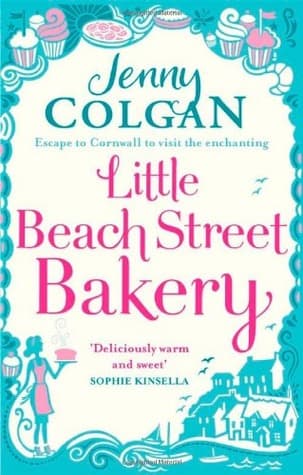
Jenny Colgan (2014)
Genre
Romance
Reading Time
10 hours 24 min
Key Themes
See below
Sign in to track this book
Heartbroken and starting anew, Polly bakes her way to happiness and unexpected love in a sleepy seaside town, discovering that the best ingredients for a new life are often found within herself and a handsome beekeeper's honey.
Polly Waterford, after her shared design business fails and her relationship with Chris ends, finds herself bankrupt and homeless. Her only option is to move to a small, run-down flat above an empty shop in the remote Cornish fishing village of Polbearne. She chose the place because of its very low rent. The flat is in bad shape, and the village is charming but isolated. Polly initially feels lost and alone, missing her old life and struggling to get used to her new surroundings, which are very different from her previous city life.
To fill her days and distract herself, Polly starts baking bread in the small, old oven in her new flat. This is not just a hobby; it is a deep passion she had ignored. Kneading dough, feeling the textures, and watching the bread rise gives her comfort and purpose. She bakes different kinds of loaves, trying out various flours and methods. Her bread quickly becomes known among her new acquaintances, who love the delicious smells from her flat and the quality of her baking.
One day, on the beach, Polly finds an injured baby puffin. She takes it in, names it Neil, and nurses it back to health, an act that connects her more to Polbearne. Meanwhile, her baking continues to impress. Reuben, a local fisherman, becomes a regular customer, and soon other villagers, drawn by the smell and word-of-mouth, start asking for her bread. Polly finds herself making more and more loaves, selling them from her window, and slowly building ties with the close-knit community, who are initially cautious but eventually welcoming.
Polly's baking takes a new turn when she meets Huckle, a charming American beekeeper who lives on the island. He gives her his excellent local honey, which Polly uses in her bread. This adds a unique sweetness and flavor that makes her products stand out. Their interactions are filled with growing attraction and playful talk. Huckle is interested in Polly's passion and strength, and he becomes an important person in her life, offering companionship and a new ingredient that improves her craft.
As demand for Polly's bread grows, she begins to think about turning her hobby into a formal business. She starts baking a wider range of goods, including pastries and special breads, using local ingredients like olives and chorizo, which she gets from Reuben's fishing trips. The empty shop below her flat, which she first saw as a sign of her despair, now looks like a possible bakery. She imagines turning the derelict space into a lively shop, a dream that gives her a new sense of purpose and hope.
With new determination, Polly decides to open a real bakery. The villagers, who have grown fond of her and her delicious bread, support her. Reuben helps with renovations, and other locals offer their skills and time. The once-empty shop slowly becomes a charming, working bakery. This group effort strengthens Polly's place in the community, showing their acceptance and support for her venture. The bakery becomes a symbol of her new beginning and her connection to Polbearne.
Just as Polly's life seems to be settling, her ex-boyfriend, Chris, reappears in Polbearne. He tries to get back together with her, expressing regret for his past actions and appealing to their shared history. His presence brings back old worries and doubts for Polly, making her question her progress and the stability of her new life. She struggles to balance her past with her present, and Chris's return creates tension and emotional upset, forcing her to face the reasons for their breakup and the choices she has made.
Chris's continued attempts to win Polly back, along with his offer of a seemingly stable, familiar life, pose a big challenge. Polly feels torn between the comfort of her past relationship, despite its flaws, and the exciting, uncertain future she is building in Polbearne with Huckle. Her feelings for Huckle have grown, and the idea of leaving her bakery and the community she has come to love is upsetting. She must make a difficult decision that will shape the rest of her life, choosing between two very different paths.
Polly successfully opens the Little Beach Street Bakery, which the villagers greet with great excitement. The bakery quickly becomes a beloved spot in Polbearne. During the opening, Polly firmly rejects Chris's attempts to win her back, realizing her future is in Polbearne. She acknowledges her true feelings for Huckle, and they share a heartfelt moment, solidifying their romantic connection. This marks a clear turning point for Polly, as she fully embraces her new life and the love she has found.
With her bakery thriving and her relationship with Huckle blooming, Polly finds deep happiness and belonging in Polbearne. She continues to bake with passion; her creations become a cornerstone of the community. Her bond with Huckle deepens, and Neil the puffin, now recovered, remains a quirky companion. Polly has built a successful business and a fulfilling life, surrounded by friends and love, showing that even unexpected detours can lead to wonderful places.
The Protagonist
Polly transforms from a heartbroken and directionless woman into a confident, self-sufficient baker who finds her true home and love.
The Love Interest
Huckle remains a steady and supportive presence, helping Polly to open her heart to new love and a new life.
The Supporting
Reuben evolves from a skeptical local to a loyal friend and supporter of Polly and her business.
The Antagonist/Ex-boyfriend
Chris serves as a catalyst for Polly's final decision to fully embrace her new life and leave her past behind.
The Supporting/Symbolic
Neil's recovery mirrors Polly's own journey from vulnerability to strength and independence.
The Supporting
Mrs. Higgins helps to welcome Polly into the Polbearne community, showcasing the village's eventual acceptance.
The Supporting
Kerensa provides early friendship and support, helping Polly feel less isolated in her new home.
The novel explores starting over after great loss. Polly Waterford loses her business, home, and relationship, forcing her to move to an isolated village. Her journey shows great resilience as she rebuilds her life from nothing. She turns her grief and despair into a driving force, using her love for baking to create a new identity and purpose. This theme is clear in her willingness to embrace the run-down flat, her determination to learn about Polbearne, and her decision to open the Little Beach Street Bakery.
“Sometimes you have to step outside of the life you've known to find the one you're meant to live.”
Polly's love for baking bread is not just a hobby; it is her salvation. In her darkest times, kneading, proving, and baking gives her comfort, structure, and a sense of achievement. Her love for bread-making grows from a personal coping method into a successful business, connecting her with the community and leading her to love. The detailed descriptions of baking highlight how engaging deeply with a craft can be healing and transformative, offering a path to self-discovery and fulfillment.
“She poured all her frustrations, all her anxieties, all her sorrows into the dough, and as it rose, so did her spirits.”
Initially, Polly feels like an outsider in the close-knit Cornish village of Polbearne. However, through her delicious bread and her kindness (like rescuing Neil the puffin), she slowly earns the villagers' trust and affection. The community's eventual acceptance, their help in renovating her shop, and their loyalty as customers highlight the importance of belonging. The bakery becomes a central place, symbolizing Polly's success and her integration into the community, where she finds friendship and support.
“It turned out that sometimes, all you needed was a little bread and a lot of kindness to make a place feel like home.”
The novel explores how love can grow in unexpected places and situations. Polly, heartbroken and vowing off romance, feels drawn to Huckle, the charming and unique beekeeper. Their relationship develops slowly, built on shared interests (like food and nature) and mutual respect, rather than grand romantic gestures. This theme shows that true love often appears when one is least looking for it, and that opening oneself to new experiences and people can lead to deep happiness.
“She hadn't come to Polbearne looking for love, but sometimes, love just found you.”
A physical space that mirrors Polly's emotional state and later symbolizes her rebirth.
Initially, the tiny, run-down flat above an abandoned shop in Polbearne reflects Polly's own broken and desolate emotional state. It is a place of forced isolation and despair. As Polly begins to heal and find her purpose through baking, the shop below transforms into the vibrant Little Beach Street Bakery. This physical transformation parallels Polly's personal journey from ruin to resilience, symbolizing her ability to rebuild her life and create something beautiful and thriving from nothing.
A rescued animal that symbolizes Polly's nurturing spirit and her own journey of healing.
Neil, the injured baby puffin Polly rescues, serves as a powerful symbol. His vulnerability and need for care mirror Polly's own initial state of helplessness. As Polly nurtures Neil back to health, she simultaneously nurtures herself, finding purpose and compassion. Neil's eventual recovery and ability to fly again parallel Polly's own journey of healing, growth, and finding her independence and strength. He also connects her to the natural, wild beauty of Polbearne.
A therapeutic and transformative activity that drives the plot and character development.
Baking bread is not merely a hobby for Polly; it's a central plot device. It acts as a coping mechanism for her grief and stress, providing a meditative and productive outlet. It's through her baking that she connects with the community, establishes her new identity, and eventually builds a successful business. The sensory details of flour, yeast, and rising dough are woven throughout the narrative, highlighting how this creative process is fundamental to Polly's emotional and practical journey, leading her to self-discovery and a new life.
The isolated setting acts as both a refuge and a catalyst for change.
Polbearne's remote and close-knit nature serves as a crucial plot device. Its isolation forces Polly to confront herself and prevents her from easily escaping her problems. The small community, initially wary, eventually offers her the support and sense of belonging she desperately needs. The village's unique character, with its fishing industry, local honey, and strong traditions, provides the ingredients and the backdrop for Polly's transformation, proving that sometimes the best place to find yourself is far away from everything familiar.
“Polly had learned the hard way that sometimes the only way to get through something was to get through it.”
— Polly reflecting on past struggles and her resilience.
“The smell of baking bread was a hug, a promise, a memory, all rolled into one.”
— Polly experiencing the comforting aroma of her bakery.
“Sometimes the bravest thing you can do is ask for help.”
— Polly considering her reluctance to rely on others.
“There was a certain peace in knowing exactly what you were meant to do, even if it was just baking bread.”
— Polly finding contentment and purpose in her new life.
“It was amazing how much trouble one small puffin could cause, and how much joy.”
— Polly observing Neil's antics and her growing affection for him.
“Love, she was learning, wasn't about grand gestures but tiny, consistent kindnesses.”
— Polly's evolving understanding of relationships and affection.
“You can't outrun your problems, but you can certainly out-bake them.”
— Polly using baking as a coping mechanism and source of solace.
“Sometimes the most beautiful things grow in the most unexpected places.”
— Polly reflecting on her new life in a small, remote town.
“A good loaf of bread was a testament to patience, skill, and a little bit of magic.”
— Polly's philosophy on the art of bread making.
“The sea always had a way of putting things into perspective.”
— Polly finding calm and clarity by the ocean.
“It was impossible to feel truly alone when you had a warm loaf of bread and a friendly puffin.”
— Polly appreciating the small comforts and companionship in her life.
“New beginnings were always messy, but they were also full of possibility.”
— Polly embracing the challenges and opportunities of her fresh start.
“The best ingredients weren't just about quality, but about the love you put into using them.”
— Polly's belief in the importance of passion in her baking.
“Small towns had a way of wrapping around you, for better or worse.”
— Polly experiencing the close-knit community of Mount Polbearne.
Ready to see how well you understood this book? Take our interactive quiz with 10 questions.

Biography coming soon.