Biography coming soon.
Track Your Reading
Sign in to track this book
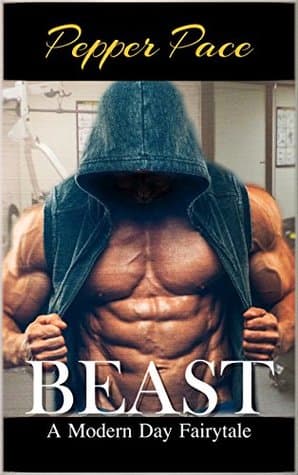
A disfigured Marine and a plus-size woman with self-doubt find unexpected love in a modern "Beauty and the Beast" retelling that challenges conventional notions of attractiveness.
Synopsis
Lieutenant Christopher Jameson, known as "Beast" due to a severe facial deformity he was born with, is a Marine haunted by his appearance. This modern retelling of Beauty and the Beast introduces Ashleigh, a plus-size woman grappling with her own identity and self-worth. As their paths intertwine, the novel explores the complexities of attraction, acceptance, and the true meaning of beauty, challenging societal standards and personal perceptions. Through their developing romance, both Beast and Ashleigh must confront their insecurities and prejudices, ultimately questioning whether love can truly transcend physical appearances and internal struggles.
Difficulty
Medium
Pacing
Moderate
Mood
Romantic, thought-provoking, emotional, steamy
Plot Summary
A Life Defined by the Scar
The story introduces Christopher Jameson, a Marine lieutenant with a severe facial deformity. This has earned him the nickname 'Beast'. From childhood, Christopher has faced rejection and fear, internalizing the world's disgust. His family, especially his mother, offers him comfort and a sense of self-worth despite his appearance. He joined the Marines to prove himself and find a place where his physical looks mattered less than his strength and skill. Despite his military success, childhood emotional scars remain, causing deep insecurity and a belief that he is unlovable.
Ashleigh's World: Insecurity and Dreams
Ashleigh, a plus-sized woman, struggles with her weight. Though intelligent and kind, she feels judged and ignored by society, particularly in romance. She works hard, often overcompensating in other life areas to gain approval. Ashleigh dreams of a love that goes beyond looks, a partner who sees her true self. Her past relationships have left her cautious and distrustful, strengthening her belief that she is not conventionally attractive or desired.
The Fateful Encounter
Christopher and Ashleigh meet under difficult circumstances. Christopher, still hurt from a recent rejection because of his appearance, is withdrawn. Ashleigh, trying to navigate an uncomfortable social situation, is initially intimidated by Christopher's imposing presence and visible scar. Their first interactions are marked by mutual awkwardness and misunderstanding. Despite her initial fear, Ashleigh is curious about the man behind the 'beast' facade. Christopher is intrigued by Ashleigh's unassuming manner and her surprising lack of immediate disgust.
A Tentative Connection
After their first meeting, Christopher and Ashleigh begin talking tentatively. Ashleigh, despite her own insecurities, is drawn to Christopher's intensity and occasional vulnerability. Christopher, used to people recoiling from him, is disarmed by Ashleigh's genuine curiosity and her ability to look past his appearance. They discover shared experiences of feeling like outsiders and a mutual desire for deeper connection. These early talks establish a base of understanding and empathy, slowly breaking down the walls they have both built.
The Dance of Vulnerability
As their relationship deepens, Christopher and Ashleigh share their deepest fears and hopes. Christopher reveals his pain about his deformity and his fear of never being truly loved. Ashleigh, in turn, confesses her struggles with body image and her desire for acceptance and real affection. These honest disclosures create a strong bond, as they find comfort and understanding in their shared experiences of feeling marginalized. This period is marked by raw emotional honesty, allowing them to see beyond superficial judgments and connect on a deeper level.
Physical Intimacy and Acceptance
Their relationship progresses to physical intimacy, bringing new challenges. Christopher fears Ashleigh will ultimately be repulsed by his appearance when they are vulnerable. Ashleigh, though attracted to Christopher, struggles with her own body image, wondering if she is 'enough' for him. Their first sexual encounters show their growing emotional bond as they navigate these insecurities together. Ashleigh's true acceptance of Christopher's body, and his gentle affection for hers, begins to heal their individual wounds and create a deep sense of mutual desirability.
External Pressures and Doubts
As Christopher and Ashleigh's relationship becomes more public, they face external pressures and judgments from those who do not understand their pairing. Christopher's family, while supportive, worries about their challenges. Ashleigh's friends, initially skeptical, question her choices. These external forces, along with their own lingering insecurities, cause moments of doubt and conflict. They must confront societal beauty norms and question if their love is strong enough to withstand scrutiny and ingrained biases.
The Test of Commitment
A significant event or revelation tests Christopher and Ashleigh's commitment. This could be a misunderstanding, a renewed attack on Christopher's appearance, or a moment when one of them falters. This crisis forces both characters to face their deepest fears and decide if their love is truly unconditional. It is a moment where they must choose to fully accept each other, flaws and all, or give in to the pressures and insecurities that have bothered them. Their ability to handle this challenge together strengthens their bond and reaffirms their dedication.
Finding True Beauty
Through their journey, Christopher and Ashleigh redefine beauty. They learn that beauty is not about superficial appearances but about character, kindness, and the deep connection between two people. Christopher's 'beast' facade becomes less important as Ashleigh sees past it to the loving and brave man inside. Ashleigh, in turn, accepts her own body and worth, realizing her size does not lessen her desirability or capacity for love. Their relationship shows the power of inner beauty and unconditional acceptance.
A Future Together
The novel ends with Christopher and Ashleigh fully committed to a future together. They have overcome their individual insecurities and the societal judgments that once threatened them. Their love story offers a message about acceptance, self-worth, and true connection. They look forward to building a life founded on their love, free from conventional beauty standards. The ending emphasizes that their 'happily ever after' is not about a magical cure for Christopher's deformity or Ashleigh's weight, but about the deep and unwavering love they share.
Principal Figures
Christopher Jameson (Beast)
The Protagonist
Christopher learns to accept himself and believe in his own worth, realizing that true love sees beyond physical imperfections. He transforms from a man defined by his 'beast' facade to one who embraces his inner beauty and capacity for love.
Ashleigh
The Protagonist
Ashleigh learns to love and accept her own body, finding self-worth through Christopher's unconditional love and her own journey of self-discovery. She transforms from an insecure woman seeking external validation to one confident in her own beauty and deserving of love.
Christopher's Mother
The Supporting
Her arc is subtle, primarily centered on witnessing Christopher find the love and acceptance she always hoped for him, validating her efforts to raise him with self-esteem.
Christopher's Father
The Supporting
His arc involves accepting Ashleigh into their family and seeing his son find happiness, reaffirming his belief in Christopher's strength and worth.
Christopher's Sister
The Supporting
She experiences joy and relief as her brother finds love and acceptance, validating her long-held hopes for his happiness.
Ashleigh's Best Friend
The Supporting
Her arc involves moving past superficial judgments to truly appreciate Christopher and the unique love he shares with Ashleigh, broadening her own understanding of relationships.
Dr. Evans
The Supporting
Not a significant character arc, but serves to provide a professional perspective on Christopher's well-being and resilience.
The 'Ex' Figure
The Antagonist (Minor)
No significant arc, primarily serves as a catalyst for Christopher's initial despair and a foil for Ashleigh's acceptance.
Themes & Insights
The Redefinition of Beauty
The novel challenges traditional beauty standards by featuring protagonists who do not fit societal ideals. Christopher's severe facial deformity and Ashleigh's plus-sized figure compel both characters, and the reader, to look beyond superficial appearances. The story argues that true beauty lies in kindness, character, empathy, and the deep connection between people. It explores how inner beauty can shine through, making physical imperfections irrelevant when faced with genuine love and acceptance.
“Beauty is not in the face; beauty is a light in the heart.”
Self-Acceptance and Self-Worth
Both Christopher and Ashleigh struggle with deep insecurities caused by how society views their bodies. Christopher believes he is a 'beast' and unlovable, while Ashleigh struggles with her weight and desirability. The novel explores their individual paths to self-acceptance, showing that external validation is temporary and true worth must come from within. Their relationship helps this personal growth, as they learn to love themselves through the eyes of someone who truly sees and values them.
“He didn't need a mirror to tell him he was a monster; the world had done that for him since birth. But with her, he felt… seen.”
Overcoming Societal Judgment
The characters constantly face judgment and prejudice from others who cannot look past their physical appearances. Christopher endures stares and fear, while Ashleigh experiences dismissiveness and body shaming. The novel highlights how common superficiality is in society and the courage it takes to defy these expectations. It explores the emotional cost of such judgment and the strength needed for individuals and couples to forge their own path, prioritizing genuine connection over societal approval.
“The whispers followed him like a shadow, but for the first time, he had someone walking beside him, unafraid of the dark.”
The Healing Power of Unconditional Love
At its core, the novel shows the transformative power of unconditional love. Christopher and Ashleigh's relationship thrives because they offer each other acceptance without judgment, seeing beyond physical flaws to their true selves. This love heals their emotional wounds, helping them recover from past rejections and insecurities. It demonstrates that true love is not about finding a perfect person, but about loving an imperfect person completely, encouraging growth, confidence, and deep connection.
“Her touch wasn't just physical; it was an affirmation, a gentle whisper that he was worthy, that he was loved.”
Plot Devices & Literary Techniques
The Deformity as a Metaphor
Christopher's scar as a symbol of internal and external struggles.
Christopher's severe facial deformity serves as the central metaphor in the novel, directly referencing the 'Beast' of the classic fairytale. Beyond its literal manifestation, it symbolizes the internal scars and emotional pain he carries from a lifetime of societal rejection. It also represents the superficiality of a world that judges based on appearance. For Ashleigh, it becomes a test of her own ability to look beyond the surface, reflecting her internal desire for a love that transcends the physical. The deformity is the primary obstacle to Christopher's self-acceptance and the catalyst for the novel's exploration of true beauty.
Ashleigh's Body Image Issues
A parallel insecurity mirroring Christopher's struggles.
Ashleigh's struggles with her plus-sized body and the insecurities that arise from it serve as a crucial parallel plot device. While different in nature, her body image issues mirror Christopher's deformity in creating a sense of being 'unacceptable' or 'undesirable' by societal standards. This shared experience of feeling like an outsider due to physical appearance creates an immediate, deep empathy and understanding between them. It allows them to connect on a profound level, recognizing each other's pain and validating their feelings, making their bond stronger and more relatable to a wider audience.
First-Person Perspective Shifts
Alternating viewpoints to reveal internal struggles.
The novel likely employs alternating first-person perspectives between Christopher and Ashleigh. This plot device is critical for providing direct access to each character's inner thoughts, fears, and desires. It allows the reader to fully understand the depth of Christopher's pain and insecurity regarding his deformity, as well as Ashleigh's struggles with her body image and her longing for genuine connection. This dual perspective fosters empathy for both protagonists and highlights how their individual insecurities affect their perception of themselves and each other, enriching the emotional complexity of their developing relationship.
Critical analysis
Notable Quotes
Quiz
Test Your Knowledge
Ready to see how well you understood this book? Take our interactive quiz with 10 questions.
10
Questions
~5
Minutes
?
Best Score
Key Questions (FAQ)
"Beast" is a modern romance retelling of the classic Beauty and the Beast fairytale. It tells the story of Lt. Christopher Jameson, a Marine with a severe facial deformity, and Ashleigh, a plus-size woman struggling with her own identity issues.