“It was many and many a year ago, In a kingdom by the sea, That a maiden there lived whom you may know By the name of Annabel Lee;”
— Opening lines, introducing the setting and the beloved.

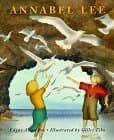
Edgar Allan Poe (1927)
Genre
Romance
Reading Time
15 min
Key Themes
See below
Sign in to track this book
In 1930s Gaspé Peninsula, a love as deep as the sea itself fights against death, forever joining two souls.
The poem begins with the narrator remembering a time 'many and many a year ago' in a 'kingdom by the sea' where he fell in love with Annabel Lee. Their love, even when they were young, was very powerful and all-consuming, a bond beyond simple affection. The narrator stresses the pure and strong nature of their connection, showing it as a single, almost sacred union that defined their lives. He implies their souls were joined from the moment they met, forming a love that even angels envied.
The narrator believes 'the seraphim of heaven' – the highest angels – became jealous. He thinks these divine beings, seeing the unmatched depth and beauty of his and Annabel Lee's love, grew envious. This envy, not a natural illness or accident, is presented as the direct cause of the tragedy that soon happened to them. The narrator's view shows his belief that their love was so perfect and extraordinary that it angered even heaven, making it truly unique and almost supernatural.
One night, a 'wind blew out of a cloud, chilling my Annabel Lee.' This chilling wind, not a common sickness, is presented by the narrator as the direct cause of her death, further highlighting the supernatural and tragic nature of her end. He insists this was no ordinary illness, but an act by the envious angels. Her death leaves the narrator completely devastated, a deep loss that breaks his world and leaves him in unbearable grief.
After Annabel Lee's death, her 'highborn kinsmen came' and took her from the narrator. They buried her in a 'sepulchre there by the sea.' The narrator sees this as another separation, adding more pain. He implies her relatives, perhaps thinking he was not worthy or able to care for her even in death, removed her from his presence, increasing his feeling of loss and loneliness. This act marks the physical end of their shared life, but not the end of his devotion.
Despite Annabel Lee's physical death and her kinsmen's actions, the narrator strongly states that their love cannot be overcome. He declares that 'the angels, not half so happy in heaven, went envying her and me' and that 'neither the angels in heaven above, nor the demons down under the sea, can ever dissever my soul from the soul of the beautiful Annabel Lee.' His belief shows the eternal nature of their bond, a spiritual connection that goes beyond earthly life and defies any force, divine or demonic, to break it.
The narrator's deep grief turns into a lasting presence. He says that 'the moon never beams, without bringing me dreams of the beautiful Annabel Lee; And the stars never rise, but I feel the bright eyes of the beautiful Annabel Lee.' This imagery shows how he copes: by seeing Annabel Lee's spirit in the sky. For him, she is not truly gone but part of the universe, her essence reflected in the night sky. This allows him to keep a constant, though ethereal, connection with her.
In a strong show of his lasting devotion and inability to let go, the narrator reveals his nightly habit. He spends his nights lying 'down by the side of my darling—my darling—my life and my bride, in her sepulchre there by the sea—in her tomb by the sounding sea.' This physical act of staying by her grave, even in the cold and dark, shows his firm commitment and refusal to accept her complete absence. It proves his deep attachment, blurring the lines between life and death in his constant watch.
The Protagonist
From a young, intensely devoted lover, he transforms into a grief-stricken, almost delusional figure who finds solace only in the spectral presence of his deceased beloved.
The Object of Affection
Her physical life ends early, but her spiritual presence and influence on the narrator become eternal and pervasive.
The Antagonistic Force (Perceived)
They serve as a static, externalized justification for tragedy within the narrator's mind.
The Supporting/Minor Antagonistic
They appear briefly to perform a burial, solidifying Annabel Lee's physical absence.
The main theme is about a love so deep it outlasts death, almost becoming an obsession. The narrator's devotion to Annabel Lee is not just lasting; it defines his whole life. He refuses to accept her physical absence, instead finding her presence in the moonbeams and stars, and spending every night by her tomb. This intense attachment, seen in his nightly watch by her 'sepulchre there by the sea,' shows a love that has become a consuming obsession, blurring the lines between healthy grief and psychological fixation.
“But we loved with a love that was more than love— I and my Annabel Lee—”
Memory and imagination are the narrator's main ways of coping and keeping Annabel Lee present. He clearly remembers their past love, highlighting its unique strength. More importantly, he sees her spirit in nature – in the moon and stars – and dreams of her. This imaginative recreation allows him to keep a constant, though ethereal, connection, showing how the mind can preserve and even bring to life the departed when facing unbearable loss, as when 'the moon never beams, without bringing me dreams of the beautiful Annabel Lee.'
“And the stars never rise, but I feel the bright eyes of the beautiful Annabel Lee;”
Instead of accepting a natural reason for Annabel Lee's death, the narrator blames a harmful, supernatural force. He believes 'the seraphim of heaven' became jealous of their perfect love and sent a 'chilling wind' to kill her. This supernatural explanation lets him raise their love to a cosmic level, making it worthy of divine envy, and at the same time avoids the ordinary reality of illness or accident. It highlights his deep grief and perhaps his inability to accept such a perfect love with an ordinary, tragic end, as shown by his insistence on the angels 'envying her and me.'
“The angels, not half so happy in Heaven, Went envying her and me—”
At its heart, the poem explores deep loss and lasting grief. Annabel Lee's death puts the narrator in a state of inconsolable sadness, and the poem details his struggle to deal with this permanent separation. His nightly visits to her tomb and his constant mention of her name show the depth of his sorrow and his inability to move past the tragedy. The grief is not a temporary feeling but a permanent state, shaping his reality and driving his every thought, especially clear in his constant return to her 'sepulchre there by the sea.'
“I was a child and she was a child, In this kingdom by the sea: But we loved with a love that was more than love—”
The reiteration of key phrases and Annabel Lee's name.
Poe uses repetition extensively, particularly of Annabel Lee's name and phrases like 'kingdom by the sea' and 'chilling and killing.' This device creates a hypnotic, incantatory rhythm, mimicking the narrator's obsessive thoughts and his inability to escape the memory of his beloved. The repeated emphasis on 'Annabel Lee' reinforces her central importance and the narrator's fixation, while the rhythmic quality draws the reader deeper into his grief-stricken state, making the poem feel like a mournful chant.
The use of repeated consonant and vowel sounds for musicality and emphasis.
Poe masterfully employs alliteration ('chilling and killing,' 'kingdom by the sea,' 'seraphim of heaven') and assonance ('many and many,' 'beams...dreams,' 'rise...eyes'). These sound devices contribute significantly to the poem's musicality and melancholic tone. They create a flowing, almost song-like quality that enhances the emotional impact and makes the lines memorable. The repetition of sounds also helps to emphasize key words and concepts, drawing attention to the narrator's deep sorrow and the supernatural elements of the story.
The sea as a symbol of both life and death, and the eternal.
The sea in 'Annabel Lee' is a powerful and multifaceted symbol. It is the setting of their initial idyllic love ('kingdom by the sea'), suggesting a boundless, eternal quality to their bond. However, it also becomes the location of her tomb ('sepulchre there by the sea'), linking it to death and sorrow. The 'sounding sea' at the end implies a constant, mournful presence, echoing the narrator's unending grief. It symbolizes the eternal nature of their love, the inescapable reality of her death, and the vast, overwhelming force of both life and loss.
Exaggeration used to emphasize the extraordinary nature of their love and loss.
The narrator frequently uses hyperbole to convey the unparalleled intensity of his love for Annabel Lee and the cosmic significance of her death. Phrases like 'we loved with a love that was more than love' and the idea of 'seraphim of heaven' envying them are extreme exaggerations. This device elevates their relationship beyond ordinary human experience, making it seem almost mythological. It also underscores the narrator's profound emotional state, as he perceives his loss as an event of universal tragedy, not just personal sorrow.
“It was many and many a year ago, In a kingdom by the sea, That a maiden there lived whom you may know By the name of Annabel Lee;”
— Opening lines, introducing the setting and the beloved.
“And this maiden she lived with no other thought Than to love and be loved by me.”
— Emphasizing the singular devotion between the speaker and Annabel Lee.
“I was a child and she was a child, In this kingdom by the sea, But we loved with a love that was more than love— I and my Annabel Lee—”
— Highlighting the purity and intensity of their young love, surpassing ordinary affection.
“With a love that the winged seraphs of heaven Coveted her and me.”
— Suggesting that even angels were jealous of their profound love.
“And this was the reason that, long ago, In this kingdom by the sea, A wind blew out of a cloud, chilling My beautiful Annabel Lee;”
— Explaining the cause of Annabel Lee's death as a supernatural act.
“So that her highborn kinsmen came And bore her away from me, To shut her up in a sepulchre In this kingdom by the sea.”
— Describing Annabel Lee's burial and the speaker's separation from her.
“The angels, not half so happy in Heaven, Went envying her and me— Yes!—that was the reason (as all men know, In this kingdom by the sea) That the wind came out of the cloud by night, Chilling and killing my Annabel Lee.”
— Reiterating the angels' jealousy as the cause of her death.
“But our love it was stronger by far than the love Of those who were older than we— Of many far wiser than we—”
— Affirming the enduring power of their love despite its youthful origin.
“And neither the angels in Heaven above, Nor the demons down under the sea, Can ever dissever my soul from the soul Of the beautiful Annabel Lee;”
— Declaring the eternal spiritual bond between them, defying all forces.
“For the moon never beams, without bringing me dreams Of the beautiful Annabel Lee;”
— Illustrating how the natural world reminds him of his lost love.
“And the stars never rise, but I feel the bright eyes Of the beautiful Annabel Lee;”
— Further connecting cosmic elements to his constant remembrance of her.
“And so, all the night-tide, I lie down by the side Of my darling—my darling—my life and my bride, In her sepulchre there by the sea— In her tomb by the sounding sea.”
— The speaker's nightly vigil at Annabel Lee's tomb, expressing his enduring devotion.
Ready to see how well you understood this book? Take our interactive quiz with 10 questions.
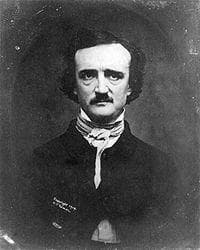
Edgar Allan Poe was an American writer, poet, editor, and literary critic who is best known for his poetry and short stories, particularly his tales of mystery and the macabre. He is widely regarded as a central figure of Romanticism in the United States, and of American literature. He was one of the country's earliest practitioners of the short story, and is considered the inventor of the detective fiction genre, as well as a significant contributor to the emerging genre of science fiction. He is the first well-known American writer to earn a living through writing alone, resulting in a financially difficult life and career.