“Every marriage has its seasons. Some are spring, some are summer, some are autumn, and some are winter.”
— John's reflection on his marriage with Abby as they face difficulties.

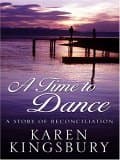
Karen Kingsbury (2006)
Genre
Romance
Reading Time
17.5 hours
Key Themes
See below
Sign in to track this book
On the brink of divorce, a couple must pretend to be happy for their daughter's wedding, which forces them to remember their old love and wonder if they can start over.
John and Abby Reynolds, who seem like a perfect couple, are falling apart in private. They have decided to divorce after twenty-one years of marriage, feeling their love is gone. They call a family meeting with their three children – Nicole, Matt, and Luke – to tell them the news. However, before they can speak, their oldest daughter, Nicole, excitedly announces her engagement to Brandon Hutchinson. Overwhelmed by her joy, John and Abby decide to wait until after Nicole's wedding to announce their divorce, agreeing to pretend to be happily married for a few more months.
The wedding preparations for Nicole and Brandon begin, forcing John and Abby to be close and act as a team. This shared experience has two sides. While it shows how far apart they are, it also brings back memories of their own wedding, their early love, and their old dreams. Abby feels a longing for the man John used to be, while John starts to see Abby with a new, though painful, perspective. The stress of pretending, combined with genuine concern for Nicole's big day, creates emotional tension in the Reynolds home.
As Nicole's wedding day gets closer, she starts to have doubts, telling her mother, Abby, about her worries regarding marriage. This conversation makes Abby face her own marriage failures and what advice she can honestly give. Abby, despite her own problems, wants Nicole to have a good marriage and finds herself offering advice about communication, forgiveness, and persistence – advice that, ironically, she and John did not follow. This talk deeply affects Abby, making her wonder if she and John gave up too easily.
During this time of forced closeness, John thinks about his past and why his marriage broke down. He remembers an emotional affair he had with a colleague, a relationship that, though not physical, created a big emotional distance between him and Abby. He accepts his role in the marriage's decline, seeing how his self-centeredness and neglect contributed to Abby's loneliness. This introspection is prompted by the upcoming wedding, which reminds him of the vows he made and broke, leading to a deep sense of regret and responsibility.
Nicole and Brandon's wedding day arrives, a beautiful and emotional event. John and Abby, acting as proud and loving parents, enjoy the festivities. During the reception, a slow song plays, and John, on impulse, asks Abby to dance. Their dance is full of unspoken emotions – regret, longing, and a flicker of their past connection. For a brief moment, they are back to a time when their love was simple. This shared dance, seen by their children and friends, is a powerful reminder of what they once had and what they are about to lose.
With Nicole and Brandon happily married and on their honeymoon, John and Abby's temporary break ends. The reality of their upcoming divorce returns. However, the wedding experience has changed something within them. The memories, shared moments, and advice given to Nicole have raised questions. Instead of immediately divorcing, they decide to try a new approach, prompted by a friend's suggestion or a quiet moment of thought. They consider seeking help or making a real effort to understand what went wrong and if anything can be saved.
John and Abby, encouraged by a friend or their own growing desperation, decide to attend a marriage retreat. This retreat forces them to confront the deep-seated issues and resentments that have built up for years. Through guided exercises and counseling, they begin to communicate more openly than they have in a long time, revealing their hurts, misunderstandings, and unmet expectations. Abby expresses her feelings of neglect and loneliness, while John admits his emotional distance and the weight of his past mistakes. It is a painful but necessary step toward understanding.
During their time together, at the retreat or back home, John and Abby look at old photo albums and keepsakes from their early years. They laugh and cry over shared memories – their first date, their wedding, their children's births, family vacations. This journey through their past reminds them of the strong foundation of love and commitment they once shared. They see the young, hopeful couple they once were and the dreams they built together, making them wonder how they drifted so far apart and if that initial spark can be rekindled.
John takes Abby to an old wooden pier, a special place from their past where they shared romantic moments. Under the moonlight, they talk openly about their fears and hopes. John expresses his deep regret and his desire to fight for their marriage, admitting his failures. Abby, moved by his sincerity and her own returning feelings, admits she still loves him despite the pain. It is a moment of deep emotional honesty, where they acknowledge the possibility of rebuilding their relationship and recommitting to each other, shown by a symbolic dance on the pier.
Having decided to give their marriage another chance, John and Abby start the difficult journey of rebuilding trust and intimacy. This includes continued counseling, intentional communication, and renewed efforts to prioritize each other. They commit to dating again, spending quality time together, and actively working through their issues. The process has difficulties, but their shared history and renewed commitment provide a strong foundation. They begin to rediscover the joy and connection that had been lost for so long, offering hope for a true reconciliation.
As John and Abby work on their marriage, their children – Nicole, Matt, and Luke – see the change. At first, they might have been affected by their parents' tension, but now they see their parents actively trying to heal. This brings a sense of peace and stability to the children, reinforcing the value of commitment and forgiveness. Nicole, in particular, finds comfort in seeing her parents rediscover their love, strengthening her own belief in the vows she just made. The whole family begins to heal from the unspoken wounds of their parents' near-divorce.
In a touching end to their journey, John and Abby find a way to publicly or privately reaffirm their vows or celebrate their renewed commitment. This might involve a small ceremony, a special anniversary celebration, or another symbolic dance, perhaps at the same pier or another meaningful place. This act confirms their decision to stay together and to keep fighting for their marriage, not just for their children, but for themselves. They have found their way back to each other, embracing the hard work and lasting love that defines a true partnership.
The Protagonist
From resigned and hurt, Abby evolves into a woman willing to confront painful truths and fight for the love she thought was lost.
The Protagonist
John shifts from complacent and regretful to actively engaged and committed to fighting for his marriage.
The Supporting
Nicole moves from excited fiancée to a happily married woman, unknowingly influencing her parents' reconciliation.
The Supporting
Brandon marries Nicole, representing the ideal of new, hopeful love.
The Supporting
Matt remains a stable, supportive family member, observing his parents' journey.
The Supporting
Luke remains a stable, supportive family member, observing his parents' journey.
The Mentioned
Not applicable, as he is a background influence.
The novel explores the importance and lasting power of marital vows. John and Abby initially think their commitment is gone, but Nicole's wedding makes them think about their own promises. The theme appears as they struggle with the meaning of 'for better or for worse' and whether their love is truly gone or just hidden. Nicole's joyful vows contrast with her parents' broken ones, constantly reminding them of what commitment means and the possibility of fixing things.
“What happened to the love and commitment that held them together for so long? Is it still there somewhere under all the pain and misunderstanding?”
A main theme is the journey toward making up for past mistakes and the need for forgiveness. John struggles with his emotional distance and past wrongs, seeking to make up for how he neglected Abby. Abby, in turn, must face her own anger and find a way to forgive John, and perhaps herself, for the marriage's decline. The story suggests that true healing starts when both people are willing to admit their faults and show grace to each other, allowing for a second chance at their relationship.
“He knew he had failed her in countless ways, small and large, over the years. Could she ever forgive him?”
The breakdown of John and Abby's marriage is largely due to a lack of open communication. They have lived separate lives, with unspoken hurts building up and assumptions growing. The novel shows how important effective communication is, especially when they start counseling. Only by expressing their deepest fears, regrets, and desires do they begin to close the gap between them. Nicole's pre-wedding jitters and Abby's advice to her about talking things through accidentally highlight this theme.
“They had stopped talking years ago, not just about their problems, but about their dreams, their daily lives, everything.”
The well-being of their children, especially Nicole's happiness, greatly influences John and Abby's decisions. Their initial choice to delay the divorce is solely to protect Nicole's wedding joy. This shows how family and the desire to protect loved ones can both delay personal truth and, surprisingly, create an environment for healing. The children's presence constantly reminds John and Abby of the family they built, prompting them to consider the wider effects of their choices beyond just their own happiness.
“How can they spoil her joy with their announcement? They can pretend a little longer—until after the wedding.”
Nicole's wedding serves as the central trigger for the plot and character development.
Nicole and Brandon's wedding is the primary catalyst for the entire narrative. It forces John and Abby to postpone their divorce, creating a period of intense, forced proximity and emotional introspection. The wedding itself, with its vows and celebration of new love, acts as a stark contrast to John and Abby's crumbling marriage, compelling them to confront what they once had and what they are losing. Without the wedding, they would have simply divorced, and the opportunity for reconciliation would likely never have arisen.
Dancing represents the ebb and flow of their relationship and moments of connection.
The act of dancing, particularly the 'time to dance' mentioned in the title, is a recurring symbol. The initial dance at Nicole's wedding is a poignant moment where John and Abby briefly reconnect, stirring forgotten emotions. Later, a dance on an old wooden pier under the moonlight symbolizes their renewed commitment and the rekindling of their love. Dancing represents intimacy, harmony, and joy, highlighting both the absence of these elements in their estranged marriage and their rediscovery as they work towards reconciliation.
Recalling past events and shared history to highlight contrast and potential for renewal.
The novel uses flashbacks and the recollection of shared memories as a significant plot device. As John and Abby prepare for Nicole's wedding and later engage in counseling, they are flooded with memories of their own courtship, wedding, and early family life. These recollections serve to highlight the stark contrast between their past happiness and their present misery, reminding them of the love they once shared. This device is crucial in making them question if that love is truly gone or if it can be reignited, providing the emotional motivation for their journey towards reconciliation.
“Every marriage has its seasons. Some are spring, some are summer, some are autumn, and some are winter.”
— John's reflection on his marriage with Abby as they face difficulties.
“Love isn't a feeling; it's a decision. A commitment.”
— Abby's internal thoughts as she grapples with the state of her marriage.
“Sometimes you have to break something to fix it.”
— A conversation about the drastic steps John and Abby consider for their relationship.
“God doesn't give us more than we can handle, but sometimes He lets us get to the end of ourselves so we'll lean on Him.”
— A supportive friend offers spiritual guidance to Abby.
“The past can be a beautiful place to visit, but not a good place to live.”
— John reflecting on his early years with Abby and the temptation to dwell on what was.
“True happiness isn't about getting what you want; it's about appreciating what you have.”
— Abby's realization as she begins to re-evaluate her life and marriage.
“Forgiveness isn't for the other person; it's for you.”
— A piece of advice given to John as he struggles with past hurts.
“You can't change people, but you can love them. And sometimes, that's enough to change everything.”
— Abby's growing understanding of unconditional love within her family.
“Miracles aren't always about dramatic events. Sometimes they're quiet moments of grace.”
— A character reflects on small but significant positive shifts in their life.
“It's never too late to start over, to dance again.”
— The overarching theme of the book, representing a renewed chance for John and Abby.
“Sometimes the hardest thing to do is stay, especially when everything in you wants to run.”
— John's internal battle as his marriage faces its toughest challenges.
“Children learn what they live. If you want them to see love, you have to show them love.”
— Abby's concern for her children amidst the marital discord.
“Faith isn't about having all the answers, but trusting the One who does.”
— A recurring spiritual message woven throughout the narrative.
“The most beautiful stories are often written through the messiest chapters.”
— A hopeful perspective on the trials faced by the main characters.
Ready to see how well you understood this book? Take our interactive quiz with 10 questions.

Biography coming soon.