“The past is a tricky thing. It changes every time you look at it.”
— Hattie reflecting on the nature of memory and truth.

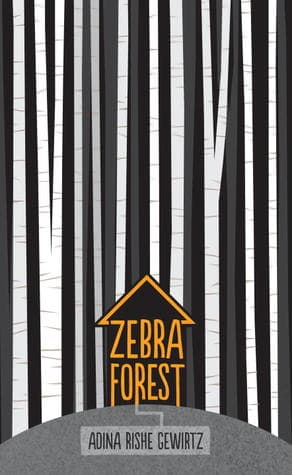
Adina Rishe Gewirtz (2013)
Genre
Thriller / Children's / Historical Fiction / Mystery / Young Adult
Reading Time
200 min
Key Themes
See below
Sign in to track this book
When a dangerous fugitive takes two imaginative siblings hostage, their carefully constructed world of family secrets and fantastical stories shatters, forcing them to confront the shocking truth about their past and their father's death.
Eleven-year-old Annie and her younger brother, Rew, live with their Gran in a secluded house near Zebra Forest. Gran's moods vary, from affectionate to withdrawn. She told them their father died in a fight with an 'angry man' who went to prison. To deal with the mystery of their father, Annie and Rew spend their days in the forest, making up stories about him—a pirate, a pilot, a secret agent. Annie often lies to her social worker, Mrs. Peterson, a skill she learned from Gran. She has perfected presenting a specific version of their lives, especially about Gran's quirks and their father's absence. This routine gives the siblings a fragile sense of stability.
One afternoon, the children's made-up world shatters. A sudden, loud rattling at the back door announces an escaped convict from the nearby prison. The man, who calls himself 'Mr. John,' forces his way into their home, taking Annie, Rew, and Gran hostage. His calm but firm manner immediately establishes control. He demands food, clean clothes, and a place to hide, making it clear their lives depend on their help. This unexpected event thrusts the family into a terrifying new reality, breaking their quiet, isolated life and forcing them to face an outside threat.
Mr. John quickly takes charge, telling the family how to behave for their safety. He takes their phone and cuts off their connection to the outside. Annie and Rew are scared, but also watchful. They notice a strange hint of familiarity, or perhaps a hidden past, between Gran and Mr. John. Gran's reactions are not just those of a victim; there is a tension, a recognition that suggests a deeper link. Mr. John's presence in their home is a constant, suffocating threat. Still, the children, especially Annie, start to analyze his actions and words for clues about who he is and his connection to their family.
As the hostage situation continues for days, emotional tension grows. Gran, under great pressure and fearing for her grandchildren, finally breaks her long silence. In a quiet, desperate confession, she reveals the truth: Mr. John is not just an escaped convict, he is Annie and Rew's father. This news shocks Annie, undoing all the stories she told herself and Rew about their father's death. The 'angry man' Gran spoke of was their father, imprisoned for a past crime, and now he is physically present, a terrifying and confusing figure in their home. Rew, being younger, struggles to fully understand this.
With Mr. John's identity revealed, Gran must confront the past she carefully hid for years. She begins to tell the true story of their father's crime, explaining he was involved in a fight that led to another man's death. This was the 'fight' she vaguely mentioned, but now the details emerge: the accident, the blame, and his imprisonment. Annie listens, putting together her childhood memories with this new, painful reality. The perfect stories she and Rew made up about their father are replaced by a much darker, more complex story of violence, secrecy, and deep loss.
Annie deals with many conflicting emotions. The man who is her father is also the man holding her family captive, a criminal who has shattered their peace. She feels a deep sense of betrayal by Gran, who kept this huge secret for so long. Yet, she also feels a strange, unwilling pull toward this stranger who shares her blood. She watches him, looking for any sign of the heroic father from her stories, but finds only a hardened, desperate man. Her childhood innocence is gone as she navigates the complex emotions of fear, anger, curiosity, and an unwelcome connection to her biological father.
Unlike Annie, Rew, being younger and less aware of the made-up stories about their father, approaches Mr. John with simpler, more open curiosity. He does not have the same deep expectations or sense of betrayal. He sees a man who is sometimes kind to him, who reads to him, and who, despite the terrifying situation, represents the father he never knew. This innocent connection between Rew and his father creates more tension, as Annie sees Rew's growing bond with the man she struggles to accept. Rew's easy acceptance highlights how deeply the secrets affected Annie's view.
As days pass, the outside world closes in. News reports of the prison escape circulate, and search parties appear near Zebra Forest. Mrs. Peterson, the social worker, worries more about the family's sudden lack of contact, increasing her efforts to check on them. The constant threat of discovery hangs over the house, adding to the stress. Mr. John becomes more agitated, knowing his time is running out. This growing outside pressure forces the family to face the situation's inevitable end, whether through capture, escape, or a more tragic outcome, further tightening the suspense.
Desperate to avoid recapture, Mr. John plans a risky escape that involves Annie and Rew. The details are unclear but suggest using the children to avoid authorities. This plan frightens Gran, who sees it as putting her grandchildren in unacceptable danger. She strongly opposes it, leading to a heated argument with Mr. John. Annie, though scared, also feels a strange need to understand her father's desperation and perhaps a flicker of hope for a different result. The plan shows the hard choices and moral compromises forced on each character by the growing crisis.
The situation ends in a tense standoff. Authorities are closing in, and Mr. John's options decrease. Gran, driven by her strong love for her grandchildren, makes a desperate choice, possibly giving up her own freedom or safety to protect Annie and Rew. There is a final, emotional confrontation between all four characters, where long-held secrets and unsaid feelings come out. The exact ending leaves Mr. John's fate somewhat unclear, but the immediate danger to Annie and Rew is resolved. The event changes their understanding of family, truth, and the sacrifices made for love forever.
The Protagonist
Annie transforms from a child relying on comforting fictions to a more mature girl who confronts harsh truths and redefines her understanding of family and love.
The Supporting
Rew's journey is one of an innocent child unknowingly connecting with his father, culminating in a nascent understanding of his family's complex history.
The Supporting
Gran's arc is about the forced confrontation of her long-held secrets, leading to a moment of truth and sacrifice for her grandchildren.
The Antagonist/Supporting
Mr. John's arc is about his desperate attempt to escape and, in doing so, forcing his family to confront the truth about his past and their shared history.
The Mentioned
Her arc is limited to her growing concern, serving as an external force driving the plot.
The novel shows how secrets, even those meant to protect, can deeply affect and harm individuals and families. Gran's decades-long secret about the children's father creates a basis of lies that Annie takes in, leading her to make up her own stories. This theme is central when Mr. John's arrival brings the truth to light, shattering Annie's carefully built reality and showing the emotional cost these hidden truths have had on Gran. The story demonstrates that while secrets can offer temporary protection, their eventual exposure can be more damaging than the truth itself, as seen in Annie's feeling of betrayal and the complete upheaval of their lives.
“"If you’re going to do something, make sure you do it with excellence." (Gran's advice about lying, internalized by Annie)”
Zebra Forest looks at the complex and often changing nature of family bonds and personal identity. Annie's identity is first tied to the fictional stories she creates about her father, a heroic figure. When Mr. John is revealed as her biological father, her entire understanding of who she is and where she comes from is challenged. The novel asks what truly makes a family: blood ties, shared history, or the love and care given. Rew's innocent acceptance of his father, despite his criminal past, contrasts with Annie's struggle, showing the different ways people define and connect with their family, even in extreme circumstances.
“"The stories were the air we breathed, the food we ate, the only way we knew how to live."”
The novel highlights how imagination and storytelling serve as a way to cope with trauma and uncertainty. Annie and Rew's detailed tales about their father in Zebra Forest act as a psychological escape from unspoken truths and Gran's changing moods. Annie's skill at lying to her social worker is another form of imaginative self-preservation. However, the story also shows the limits of these coping methods when harsh reality intervenes. While imagination offers comfort, it can also create a distance from truth, making the eventual confrontation with reality even more jarring and painful, as Annie discovers when her stories about her father are broken.
“"I told stories, too, as she and Rew laze under the birches and oaks of Zebra Forest — stories about their father the pirate, or pilot, or secret agent."”
Mr. John's arrival and the revelation of family secrets force Annie and Rew to face the harsh realities of the adult world, causing a loss of innocence. Annie, especially, moves from a childhood built on comforting fictions to a more complex and often painful understanding of truth, betrayal, and the morally grey areas of human behavior. Her idealized view of her father is replaced by the reality of a criminal, and her trust in Gran is shaken. This theme appears in her struggle to reconcile the two versions of her father and her growing awareness of the sacrifices and difficult choices adults make.
“"But then something shocking happens to unravel all their stories: a rattling at the back door, an escapee from the prison holding them hostage in their own home, four lives that will never be the same."”
Annie's perspective, colored by her age, imagination, and Gran's lies, shapes the initial understanding of events.
Annie, as an eleven-year-old, serves as a partially unreliable narrator. Her narrative is filtered through her imaginative mind, her desire to protect her family, and the ingrained habit of lying taught by Gran. This unreliability is crucial in establishing the initial mystery surrounding her father and Gran's past. The reader experiences the world through Annie's limited and often skewed perception, making the eventual revelations more impactful as the truth gradually peels back the layers of her childhood fictions and Gran's deceptions, forcing both Annie and the reader to re-evaluate what they thought they knew.
The true identity and past of Annie and Rew's father drives the central mystery and conflict.
The identity and history of Annie and Rew's father act as a central MacGuffin. Initially, he is a vague, deceased figure around whom the children build elaborate stories. His true nature – an imprisoned criminal – is the secret Gran desperately protects. When Mr. John arrives, his identity becomes the primary driver of the plot, creating suspense and forcing the characters to confront the past. The mystery surrounding him propels the narrative forward, dictating the characters' actions and reactions, and its eventual revelation serves as the story's major turning point, unraveling all previous assumptions.
The forest represents both a refuge and a place where hidden truths are revealed.
Zebra Forest serves as a powerful symbol. Initially, it represents a sanctuary and a canvas for Annie and Rew's imaginative play, a place where they can escape reality and create their fantastical stories about their father. It's a place of innocence and freedom. However, as the story progresses, the forest also becomes a place of confinement, bordering the prison from which Mr. John escaped. Its dense growth provides cover for the fugitive, transforming it into a setting where hidden truths emerge and the boundaries between safety and danger become blurred, mirroring the complex and dual nature of the family's secrets.
The immediate threat of the hostage crisis creates intense suspense and forces character development.
The hostage situation is the primary plot device driving the novel's suspense and forcing the core conflicts into the open. The immediate danger posed by Mr. John's presence creates a high-stakes environment where characters are pushed to their emotional and moral limits. This forced proximity and constant threat accelerate the revelation of long-held secrets and compel the characters to make difficult choices. The confined setting intensifies the psychological drama, allowing for close examination of family dynamics under extreme pressure and stripping away the pretenses that previously defined their relationships.
“The past is a tricky thing. It changes every time you look at it.”
— Hattie reflecting on the nature of memory and truth.
“Sometimes you have to break a few rules to do the right thing.”
— Hattie grappling with difficult moral choices.
“Fear can make you do strange things, things you wouldn't normally do.”
— Hattie observing the behavior of adults under duress.
“Secrets are like heavy stones. The longer you carry them, the more they weigh you down.”
— Hattie understanding the burden of unspoken truths.
“It's hard to know who to trust when everyone has something to hide.”
— Hattie navigating a world full of hidden agendas.
“Even in the darkest places, there can be a sliver of light.”
— Hattie finding hope amidst difficult circumstances.
“Family isn't always about blood. Sometimes it's about who shows up when you need them.”
— Hattie recognizing the different forms of family.
“The quietest people often have the loudest stories.”
— Hattie observing the hidden depths of seemingly ordinary characters.
“Sometimes, not knowing is harder than knowing the worst.”
— Hattie struggling with uncertainty and unanswered questions.
“A lie can travel halfway around the world while the truth is still putting on its shoes.”
— Hattie realizing how quickly misinformation spreads.
“Courage isn't about not being scared. It's about doing what needs to be done even when you are.”
— Hattie demonstrating bravery in a dangerous situation.
“The forest knows things. It remembers.”
— Hattie sensing the history and secrets held within the Zebra Forest itself.
“We all carry our own kind of stripes, some seen, some hidden.”
— Hattie reflecting on the unique challenges and identities of individuals, linking to the 'zebra' theme.
Ready to see how well you understood this book? Take our interactive quiz with 10 questions.







