“We are born, we live on the hill, and we die on the hill. That is the way it has always been.”
— Holston's reflection on the rigid, cyclical life in the silo.

Hugh Howey (2011)
Genre
Fantasy / Science Fiction / Young Adult
Reading Time
45 min
Key Themes
See below
Sign in to track this book
In a subterranean silo where dissent is punished with a one-way trip to a toxic surface, a mechanic's forbidden curiosity unravels generations of carefully constructed lies.
Sheriff Holston, grieving his wife, Allison, three years prior, is consumed by memories and suspicion about the outside world. Allison had been 'cleaned' after publicly stating her desire to go outside, a capital offense in their underground silo community. Holston, haunted by her final moments and her whispers about a green world, questions the official narrative. He breaks the unspoken rule, expressing his own desire to leave the silo. This public declaration is met with the swift judgment of the community, leading to his sentence: he will be sent outside to 'clean' the external sensors.
Holston is led up the numerous flights of stairs to the airlock, a journey he has witnessed many times before for other 'cleaners,' including Allison. He is given the special suit and the cleaning supplies. As he prepares to exit, he holds onto the hope that Allison was right, that the world outside is not the toxic wasteland depicted on the silo's internal screens. He believes he will find her waiting for him, or at least a glimpse of the green world she described. The entire community watches the internal screens, expecting to see him clean the cameras as all others have done before.
As the airlock opens and Holston steps out into the desolate, grey landscape, he immediately sees the reality of the outside world. The air is toxic, and the ground is barren. However, as his helmet's visor clears, a transformation occurs: the desolate landscape shifts, revealing a lush, green world. This vision fills him with relief and joy, confirming Allison's final words. He sees her figure in the distance, walking towards him, a beacon of hope in the new world. This vision, however, is an illusion projected onto his helmet's display.
Empowered by the beautiful, green vision and the perceived sight of Allison, Holston carries out his task of cleaning the external sensors. He scrubs away the grime, ensuring the silo's inhabitants continue to see the same bleak, ruined world they've always known, unaware of the verdant illusion he perceives. With his task complete, he turns his attention back to Allison, still seemingly walking towards him. As he watches her, the toxic reality of the outside world begins to affect him. The suit he wears is not designed to protect him indefinitely. He collapses, succumbing to the poisoned atmosphere, his final moments filled with the beautiful, fabricated image of a green world and his wife.
Back inside the silo, the inhabitants watch Holston's demise on their screens. They see him clean the cameras, then wander off and collapse, just as every cleaner before him. The screens continue to display the desolate, toxic wasteland, reinforcing the narrative that the outside world is deadly and uninhabitable. Holston's death is another grim reminder of the consequences of questioning the rules and desiring to leave. The cycle of fear, control, and the illusion of a dangerous outside world continues, ensuring the inhabitants remain compliant and never truly question the authority of the silo's leadership.
The Protagonist
Holston transforms from a compliant leader to a truth-seeker, ultimately sacrificing himself to understand the world beyond the silo, even if his understanding is still partially manipulated.
The Supporting
Allison's arc, though mostly in flashback, is one of growing suspicion and defiant revelation, culminating in her sacrifice for truth.
The Supporting
Marnes remains a steadfast enforcer of the silo's rules, embodying the status quo.
The central theme is the manipulation of truth and the creation of illusions to maintain control. The silo's inhabitants are shown a desolate external world, while those sent outside are presented with a green, inviting landscape via their helmet visors. This stark contrast shows how perceived reality can be fabricated, and how difficult it is to discern the truth when all external information is filtered. Holston's journey is a tragic quest to break through these layers of deception, ultimately failing to grasp the full extent of the manipulation.
“He didn't know what to believe anymore, had no idea what was true and what was a lie.”
The silo community is governed by strict rules, with severe consequences for dissent, particularly regarding the outside world. The 'cleaning' ritual is a powerful deterrent, instilling fear and ensuring compliance among the population. The leadership maintains control by dictating what information is accessible and by punishing those who question the established order. Holston's decision to express his desire to leave is an act of rebellion, but it ultimately reinforces the system's power, as his death is broadcast as another warning.
“The silo was a machine, and he was a cog. A worn, rusty cog, but a cog nonetheless.”
Grief is a motivator for Holston's actions. His sorrow over Allison's death, coupled with his guilt and the lingering questions about her final words, propels him to challenge the silo's most sacred rule. His desire to go outside isn't just a quest for truth but also a desperate longing to reunite with his wife or understand her final moments. This personal, emotional drive shows how deeply human emotions can compel individuals to defy oppressive systems, even in the face of certain death.
“He wanted to know what Allison had known. He wanted to see what Allison had seen.”
A public execution disguised as a necessary maintenance task.
The 'cleaning' ritual is a powerful symbolic and literal plot device. It serves as the ultimate punishment for those who express a desire to go outside, effectively functioning as a public execution. Simultaneously, it maintains the illusion that the outside world is toxic and requires periodic cleaning of the external sensors, thus reinforcing the silo's narrative. The act of cleaning the cameras ensures the community continues to see the desolate wasteland, unaware of the vibrant illusion presented to the condemned, creating a chilling layer of deception.
A technological manipulation of reality for those sent outside.
The helmet visor illusion is a crucial technological plot device that maintains the silo's control. When a person is sent outside, their helmet's visor projects a fabricated image of a lush, green, habitable world. This illusion serves multiple purposes: it provides a moment of false hope and peace to the condemned, encourages them to perform the 'cleaning' task, and ensures they die believing in a beautiful world, rather than revealing the true, desolate landscape to the internal cameras or attempting to communicate with the silo about the deception.
The primary source of information and control for the inhabitants.
The large screens within the silo are a fundamental plot device, acting as the community's sole window to the outside world and a tool for social control. They constantly display the desolate, toxic external environment, reinforcing the fear of leaving and the necessity of staying within the silo. These screens are central to the 'cleaning' ritual, broadcasting the condemned's final moments and their apparent demise in the toxic air, thus serving as a constant reminder of the consequences of dissent and questioning authority.
“We are born, we live on the hill, and we die on the hill. That is the way it has always been.”
— Holston's reflection on the rigid, cyclical life in the silo.
“The greatest fear isn't that we will die, but that we will die without ever having lived.”
— Juliette contemplating the purpose of existence in the silo.
“Sometimes, the truth is too heavy to bear alone.”
— Juliette realizing the burden of hidden knowledge about the silo.
“We are not just survivors; we are the keepers of a flame that must never go out.”
— A character emphasizing the silo's role in preserving humanity.
“The outside is a lie, but the inside is a prison.”
— Reflecting on the oppressive nature of the silo versus the unknown outside.
“Hope is the most dangerous thing in the world. It makes you forget the rules.”
— A warning about the risks of dreaming beyond the silo's limits.
“Every generation forgets a little more, until the past is just a story we tell ourselves.”
— Commentary on how history is eroded in the silo over time.
“The silo doesn't just house us; it defines us.”
— Observation on how the environment shapes identity and society.
“In the darkness, even a small light can seem like a beacon.”
— Metaphor for finding hope or truth in desperate circumstances.
“We clean to forget, but we never really forget.”
— Reference to the ritual of cleaning and its psychological impact.
“The truth is like a seed; it grows in the dark until it breaks through.”
— Describing how hidden truths eventually come to light.
“We are all just pieces in a game we don't understand.”
— Feeling of powerlessness against the silo's unseen controllers.
“To question is to risk everything, but to not question is to lose your soul.”
— The dilemma faced by those who dare to challenge the silo's norms.
“The walls that protect us are the same walls that trap us.”
— Paradox of safety versus freedom in the silo's structure.
Ready to see how well you understood this book? Take our interactive quiz with 10 questions.
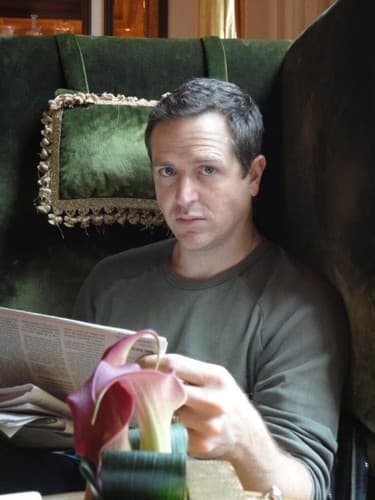
Biography coming soon.







