“There are times, lad, when a man must choose between his duty to his state and his duty to what he believes is right. It is a hard choice, and often there is no clear path.”
— Mr. Percival discussing the impending conflict and divided loyalties.

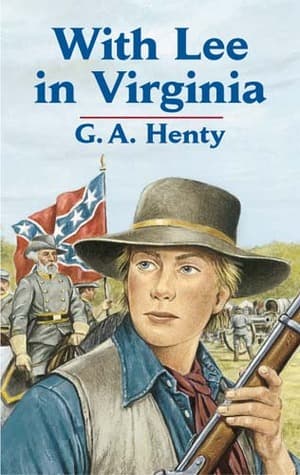
G.A. Henty (1890)
Genre
Children's / Historical Fiction / Young Adult
Reading Time
450 min
Key Themes
See below
Sign in to track this book
Torn between his abolitionist convictions and unwavering loyalty to Virginia, young Vincent Wingfield rides with Lee's cavalry, his sword clashing for a cause he morally opposes but honor compels him to defend.
Vincent Wingfield is introduced as a spirited and intelligent young man growing up on his family's plantation, Wingfield Hall, in Virginia. His father, a former naval officer, tutors him in horsemanship and hunting. Early on, Vincent believes slavery is wrong. This belief sets him apart from many peers and some family. He treats enslaved people on his family's estate with respect and advocates for their fair treatment. He often discusses these issues with his father, who, despite owning enslaved people, recognizes the difficulties and moral questions of the practice. As tensions between North and South grow, Vincent feels torn between his personal anti-slavery views and his deep loyalty to Virginia.
The political situation worsens, leading to Southern states leaving the Union and forming the Confederacy. Vincent, despite his strong opposition to slavery, feels a duty to Virginia when his state votes to leave the Union. He sees the conflict not as a fight for or against slavery, but as a defense of his home state's independence against what he perceives as Northern aggression. After much thought and talks with his family, Vincent, a skilled horseman, decides to join the Confederate army, specifically the cavalry. He wants to protect his home and people, even if it means fighting for a cause he morally disagrees with.
Vincent, along with his loyal African American servant and friend, Ned, who insists on coming, travels to join the Confederate forces. They enlist in a Virginia cavalry regiment. Vincent quickly proves to be a natural horseman and a courageous soldier. He undergoes training, learning cavalry tactics and discipline. His early experiences include scouting missions and small skirmishes, which show him the harsh realities of military life and the initial chaos of the growing conflict. He shows bravery and quick thinking, earning the respect of his fellow soldiers and officers, despite his youth and inexperience.
Vincent enters major engagements, seeing the full horror and intensity of large-scale warfare. He participates in early key battles, like First Manassas (Bull Run). There, his courage under fire and ability to follow orders amidst confusion are clear. He performs heroic acts, often risking his life to help comrades or deliver important messages. His keen observation skills and knowledge of terrain also prove useful in reconnaissance. Through these experiences, Vincent matures quickly. He becomes tougher to the grim realities of war while keeping his core moral compass, often thinking about the reasons and results of the fighting.
Vincent's horsemanship, bravery, and intelligence are noticed. He is eventually recommended for and receives an appointment to the staff of General J.E.B. Stuart, a well-known Confederate cavalry commander. This puts him at the center of many crucial cavalry operations, including daring raids, reconnaissance, and screening movements for Lee's army. Working closely with Stuart, Vincent gains valuable experience in military strategy and tactics, further developing his leadership potential. He sees Stuart's bold and charismatic leadership firsthand, which greatly influences his own understanding of command and morale.
Vincent actively participates in the Peninsula Campaign, a series of battles where Confederate forces under General Robert E. Lee defend Richmond against McClellan's Union army. He is involved in many of the fights, including the Seven Days Battles, known for fierce fighting and heavy casualties. Vincent's duties often involve carrying dispatches, scouting enemy positions, and participating in cavalry charges. He observes Lee and Jackson's strategic brilliance, as well as the immense suffering of soldiers on both sides. These battles strengthen his understanding of the war's brutal cost and the sacrifices required.
As the war continues, Vincent joins Lee's Maryland Campaign, an attempt to bring the war into Union territory. He is present during the time leading up to and after the Battle of Antietam (Sharpsburg), one of the bloodiest single-day battles in American history. As a member of Stuart's cavalry, Vincent is involved in screening movements and skirmishes before and after the main engagement. He witnesses the devastating impact of modern warfare and the vast human suffering. The retreat from Maryland after the battle is a somber experience, showing the resilience and endurance needed by the Confederate forces.
Vincent participates in the Confederate victories at Fredericksburg and Chancellorsville. At Fredericksburg, he sees the devastating Union assaults against entrenched Confederate positions. During Chancellorsville, he helps with the cavalry movements that support Stonewall Jackson's famous flank march, an important moment in the battle. General Jackson's death at Chancellorsville is a great loss for the Confederacy and for Vincent, who admired the general's strong resolve. These battles further establish Vincent's reputation as a brave and reliable officer, even as he deals with the war's growing toll.
Vincent is heavily involved in the Gettysburg Campaign, participating in the cavalry engagements before and during the main battle. He is part of Stuart's controversial ride around the Union army and the subsequent cavalry clash on the third day of the battle. Gettysburg is a devastating defeat for the Confederacy, marking a major turning point. Vincent witnesses the huge casualties and the strategic impact of the loss. The retreat back to Virginia is a somber and difficult experience, forcing him to face the grim reality of the Confederacy's fading chances.
As the war enters its final, most brutal phase, Vincent endures the relentless Overland Campaign led by General Grant. He fights in the Battle of the Wilderness, Spotsylvania Court House, and Cold Harbor. These battles are known for continuous, close-quarters fighting, huge casualties, and a grim war of attrition. The fighting changes, becoming more desperate and less about grand maneuvers. Vincent continues his duties with courage and resilience, but the toll of constant combat and the Confederacy's declining fortunes weigh heavily on him and his comrades.
General J.E.B. Stuart's death at Yellow Tavern is a deep blow to Vincent and the entire Confederate cavalry. Vincent, who served closely with Stuart, feels the loss keenly. He recognizes the irreplaceable leadership and morale boost Stuart provided. After this, he helps defend Richmond and endures the grueling Siege of Petersburg. This period involves trench warfare, constant skirmishes, and severe shortages of food and supplies. Vincent sees the increasing desperation and suffering of the Confederate soldiers, but also their lasting loyalty and determination against overwhelming odds.
Vincent is present during Lee's army's final, desperate retreat towards Appomattox Court House. He experiences the last skirmishes and the realization that the Confederate cause is lost. He witnesses General Lee's surrender to General Grant, a moment of great historical importance and deep sadness for the Confederate soldiers. Vincent, along with his comrades, receives his parole and returns home, a veteran of a lost cause. He reflects on the war's immense cost, the sacrifices made, and the hard task of rebuilding a divided nation, forever changed by his experiences.
The Protagonist
Vincent transforms from an idealistic youth into a hardened but still principled veteran, reconciling his personal beliefs with his loyalty and experiencing the full spectrum of war's brutality and heroism.
The Supporting
Ned maintains his steadfast loyalty and practical support for Vincent, demonstrating quiet courage and resilience throughout the war.
The Supporting
Lee leads the Confederate army with distinction through triumphs and ultimately to defeat, maintaining his dignity and honor throughout.
The Supporting
Stuart leads the Confederate cavalry with audacious brilliance until his untimely death in the final stages of the war.
The Supporting
Jackson rises to become one of the Confederacy's most effective generals before his tragic death, leaving a lasting legacy of military prowess.
The Supporting
He guides Vincent's early moral development and supports his decision to fight for Virginia, remaining a steadfast presence at home.
The Antagonist/Mentioned
They serve as the constant military opposition to the Confederacy, eventually overwhelming them through attrition and superior resources.
This theme explores the conflict Vincent faces between his personal moral opposition to slavery and his deep loyalty to his home state, Virginia. Vincent's choice to fight for the Confederacy, despite his anti-slavery views, shows the complex choices people faced during the Civil War. His internal struggle reflects a wider dilemma for many Southerners who did not support slavery but felt they had to defend their state against perceived invasion. The story often returns to Vincent's thoughts on this conflict, especially after seeing the horrors of battle or the suffering of enslaved people. It emphasizes that his fight is for Virginia's independence, not for slavery itself.
“He hated slavery with all his heart; but he loved Virginia, and the thought of her being invaded by armed forces was one which he could not endure.”
The novel clearly shows the harsh realities, suffering, and human cost of the American Civil War. Through Vincent's experiences, readers see the gruesome nature of battles, the constant threat of death, the psychological impact on soldiers, and widespread destruction. Descriptions of wounds, fatigue, hunger, and losing comrades are common. The story does not glorify war. Instead, it presents it as a grim necessity, highlighting the bravery and resilience of soldiers on both sides while emphasizing the conflict's deep tragedy. Vincent's growth comes largely from seeing this brutality.
“He had seen enough to know that war was a terrible thing, full of agony and death, and that the glory so often sung was but a thin veil over its horrors.”
Despite the brutal realities of war, honor and chivalry are prominent themes, especially in how Confederate leaders like Lee and Stuart are shown, and in Vincent's own behavior. Vincent tries to act with integrity, courage, and fairness, even toward his enemies. The story emphasizes gentlemanly conduct, keeping one's word, and facing hardship with dignity. This theme often contrasts with the gritty realities of combat, suggesting an ideal of warfare that soldiers like Vincent try to maintain amidst chaos and destruction. It also reflects the romanticized view of the Southern cause often found in historical fiction of this time.
“It was a fight for his state, for his home, for all that he held dear, and he would do his duty with courage and with honor.”
Vincent's journey through the Civil War is a powerful coming-of-age story. He starts as a spirited but somewhat naive youth and becomes a seasoned veteran. The immense pressures of combat, leadership, and constant exposure to death and suffering force him to mature quickly. He develops resilience, strategic thinking, and a deeper understanding of human nature and conflict. His experiences shape his character, making him tougher to the world's harshness while refining his moral compass and sense of purpose.
“The boy who had ridden off to war was gone, replaced by a man whose eyes had seen too much, but whose spirit remained unbroken.”
Portrays Southern characters, particularly Vincent, as honorable and principled, often with anti-slavery sentiments.
This device is central to Henty's portrayal of Vincent Wingfield and other Southern characters. It allows the narrative to align the protagonist with the Confederacy while simultaneously distancing him from the moral reprehensibility of slavery. Vincent is presented as a 'noble Southerner' who detests slavery but fights out of loyalty to his state, thereby making him a more palatable hero for a young audience. This device shapes the reader's perception of the Southern cause as one of state's rights and defense, rather than primarily slavery, through the lens of a morally upright individual.
A devoted African American character who accompanies the protagonist into danger.
Ned, Vincent's loyal servant, is a classic example of this trope. He willingly accompanies Vincent to war, serving him faithfully and bravely throughout the conflict. This device serves multiple functions: it highlights Vincent's benevolent character (as Ned's loyalty is presented as a testament to Vincent's good treatment), provides a practical aid and emotional support for the protagonist, and, perhaps problematically, can reinforce a paternalistic view of racial relationships by depicting an enslaved person's unwavering devotion to his master's family, even in the context of a war ostensibly about his own freedom.
Major historical figures provide guidance and opportunities for the protagonist.
Vincent's direct service under General J.E.B. Stuart, and his proximity to other legendary figures like Robert E. Lee and Stonewall Jackson, serves as a key plot device. This allows the author to integrate detailed historical accounts and military strategies directly into the narrative through Vincent's firsthand experience. It also elevates Vincent's importance within the story, providing him with unique opportunities for heroism and learning, while offering readers a personalized view of these iconic historical personalities and their impact on the war.
Vincent's letters home provide personal reflection and context.
Though not the dominant narrative style, occasional references to Vincent writing letters home or receiving them serve as a device to provide insights into his inner thoughts, emotions, and moral struggles away from the immediate battlefield action. These letters allow Vincent to reflect on the war's meaning, his loyalty, and his anti-slavery sentiments, offering a more intimate glimpse into his character development and reinforcing the theme of loyalty to family and home. They also allow for the relaying of information about the home front and the impact of the war on his family.
“There are times, lad, when a man must choose between his duty to his state and his duty to what he believes is right. It is a hard choice, and often there is no clear path.”
— Mr. Percival discussing the impending conflict and divided loyalties.
“War is a terrible thing, Frank, and those who have not seen it can little imagine its horrors. But sometimes, it is thrust upon a people, and then they must fight for their homes and their honour.”
— Mr. Percival speaking to Frank about the nature of war.
“It is not the numbers that always win the day, but the spirit and determination of the men.”
— A Confederate officer discussing the disparity in forces before a battle.
“A true gentleman, Frank, is one who can remain calm and courteous even when surrounded by danger and provocation.”
— Frank's father imparting a lesson on character.
“You will find, Frank, that in battle, the bravest men are not those who feel no fear, but those who conquer their fear and do their duty nonetheless.”
— An officer advising Frank as he faces his first engagement.
“The cause, lad, is not merely the independence of the South, but the right of a people to govern themselves without interference.”
— A Confederate soldier explaining the motivations for fighting.
“It is a sad thing when brothers take up arms against brothers, but when principles are at stake, men must follow their consciences.”
— Frank reflecting on the conflict dividing families.
“Resourcefulness, Frank, is often as valuable as courage on the battlefield.”
— An older soldier giving advice to Frank about survival.
“Even in the darkest hours, hope is a weapon that can sustain the spirit.”
— Frank's internal thought during a period of hardship.
“The discipline of a soldier is not just in obeying orders, but in enduring hardship without complaint.”
— A drill sergeant instructing new recruits.
“Victory is sweet, but it is often bought at a terrible price.”
— Aftermath of a costly battle.
“A leader must inspire confidence, even when his own heart is heavy with doubt.”
— Frank observing General Lee's demeanor.
“The truest measure of a man is not how he behaves in prosperity, but how he bears himself in adversity.”
— Mr. Percival giving Frank advice on character development.
“To fight for one's home and one's people is a noble cause, no matter the ultimate outcome.”
— A soldier's reflection on their motivations for fighting.
Ready to see how well you understood this book? Take our interactive quiz with 10 questions.
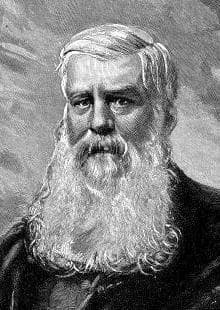
Biography coming soon.

Dan Gemeinhart
4.5

Kate O'Hearn
4.4

Jeanne Birdsall
4.4

Jen Wang
4.4

Wendelin Van Draanen
4.3

John Marsden
4.3

Chris Van Allsburg
4.3

Jennifer A. Nielsen
4.2