“Darrell Rivers had been, as you know, head-girl of Malory Towers, and she had gone on to do wonderful things.”
— Introducing the legacy of theory

Pamela Cox (2009)
Genre
Children's / Young Adult
Reading Time
208 min
Key Themes
See below
Sign in to track this book
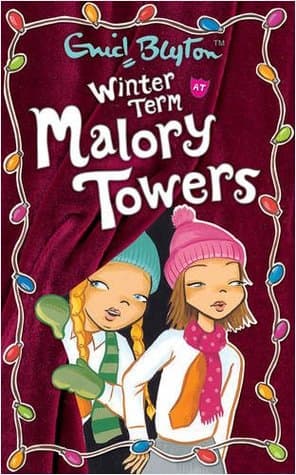
As Susan plans the winter concert, a new teacher's meddling and the discovery of a spy at a midnight feast plunge Malory Towers into a season of suspicion and unexpected challenges.
The Malory Towers girls return for the Winter Term, happy to be back with friends. Darrell Rivers, Alicia Johns, Sally Hope, Mary-Lou, and Betty look forward to the term's activities. Susan Blake, known for her musical talent, is especially pleased to organize the annual Winter Concert, a prestigious role with much responsibility. The Fourth Formers, including Susan, want to prove their maturity and competence. However, their initial excitement soon lessens with the arrival of a new, formidable teacher, Miss Tallant, who is assigned to the Fourth Form and quickly shows a strict demeanor.
Miss Tallant, the new Fourth Form mistress, quickly makes her presence known. She is exceptionally strict, following rules rigidly, which immediately clashes with the Malory Towers girls' free spirits. Her most significant action comes when she takes a strong interest in the Winter Concert. Despite Susan Blake being officially in charge, Miss Tallant begins to impose her own ideas, overriding Susan's suggestions and casting a shadow over the girls' creative plans. Her interference frustrates the Fourth Form, who feel their independence and hard work are being undermined.
Susan Blake feels increasingly frustrated by Miss Tallant's constant interference in the Winter Concert preparations. Miss Tallant dismisses Susan's ideas for a modern, lively performance, insisting on a more traditional, classical program, even dictating specific pieces. This clash of artistic vision creates tension. Susan feels her authority and hard work are completely disregarded, leading to resentment and helplessness. The other girls in the Fourth Form, especially Darrell and Alicia, support Susan, seeing the injustice and the undermining of their friend's efforts. The concert, once exciting, becomes a battleground of wills.
Despite Miss Tallant's strictness, the girls decide to hold a traditional Malory Towers midnight feast. Susan, Darrell, Alicia, and the others carefully plan the secret gathering in the dormitory, bringing forbidden treats. However, to their shock, Miss Tallant discovers the feast almost as soon as it begins. The girls are caught, leading to severe reprimands and punishments. The most unsettling part is the uncanny timing of the discovery, suggesting someone must have informed Miss Tallant. This incident immediately sparks suspicion that there is a 'spy' among them, sowing distrust and paranoia.
After the disastrous midnight feast, the Fourth Form girls are determined to unmask the spy. They begin to watch each other, looking for any suspicious behavior. Initially, some girls, like the often-moody Amanda, are suspected. The dormitory atmosphere becomes tense and uncomfortable, with whispers and sidelong glances replacing their usual friendship. The girls try to piece together clues, recalling who knew about the feast, who seemed nervous, or who had a reason to please Miss Tallant. The search for the informer becomes a significant part of the plot, overshadowing even the concert preparations for a time.
Susan Blake continues to face immense pressure regarding the Winter Concert. Miss Tallant's rigid demands for a classical program clash sharply with Susan's desire for a more engaging and varied performance. Susan feels her creative spirit stifled and her leadership undermined, leading to moments of doubt and near despair. Miss Tallant remains unyielding, convinced her way is the only proper way, and she refuses to listen to any of Susan's suggestions or compromises. This conflict shows Miss Tallant's inflexibility and her inability to connect with the girls, further isolating her and increasing the girls' resentment.
As the term progresses, subtle clues emerge about the spy's identity. The girls notice small, seemingly insignificant details: a comment by Miss Tallant that seemed to echo a private conversation, a girl's absence at a crucial moment, or an unusual eagerness to please the new mistress. While no definite proof emerges, these observations start to narrow down the suspects. The initial widespread suspicion begins to focus on one or two individuals, creating an increasingly uncomfortable atmosphere, especially for the girls now under closer scrutiny by their peers.
The truth about the spy is eventually uncovered. It is revealed that Gwen Lacey, a new Fourth Former who is often insecure and seeks attention, was the one who informed Miss Tallant about the midnight feast. Gwen, feeling left out and wanting to ingratiate herself with the strict teacher, had overheard the plans and reported them. The revelation is met with a mix of anger and dismay from the other girls. Darrell and Susan confront Gwen, who, overwhelmed by guilt and the disapproval of her peers, tearfully confesses her actions and expresses her regret. The confrontation allows for an understanding of Gwen's motivations, though her actions still sting.
Following her confession, Gwen Lacey is deeply remorseful. She genuinely apologizes to the girls, especially Susan, for her betrayal. The girls, initially angry and hurt, see Gwen's genuine regret and her underlying insecurity. Darrell, known for her strong sense of justice but also her compassion, helps to facilitate Gwen's reintegration. While trust is not immediately rebuilt, the girls, in the spirit of Malory Towers, begin to offer Gwen forgiveness. This process of reconciliation highlights understanding and empathy, as the girls realize Gwen's actions came from loneliness and a desire to belong, though misguided.
Despite the earlier conflicts and Miss Tallant's strict control, the Winter Concert eventually takes place. Susan, with the help of her friends and a last-minute compromise, manages to weave in some of her original ideas while still satisfying Miss Tallant's classical preferences. The concert is a success, showing the girls' talents and hard work. To everyone's surprise, Miss Tallant, who had been so rigid throughout the term, expresses genuine appreciation for the girls' efforts and the quality of the performance. This unexpected warmth from Miss Tallant suggests a subtle shift in her perspective, showing a glimpse of a softer side.
As the Winter Term ends, the girls reflect on the events. They learn lessons about complex human behavior, the importance of forgiveness, and the challenges of leadership. Susan learns to handle difficult authority figures and to stand firm in her vision while also being adaptable. The entire Fourth Form learns about the destructive nature of suspicion and the power of empathy in understanding why someone might act in a particular way. The experience, though challenging, strengthens their bonds and deepens their understanding of friendship and community within Malory Towers.
The Protagonist
Susan learns to stand up for her vision and adapt under difficult circumstances, developing her leadership and resilience.
The Antagonist/Supporting
Miss Tallant, initially rigid and unapproachable, shows a surprising moment of appreciation, hinting at a capacity for warmth.
The Supporting
Darrell continues to grow in her role as a responsible and empathetic leader among her peers.
The Supporting
Alicia remains a spirited and loyal friend, using her wit to navigate challenges.
The Supporting
Gwen moves from insecure and misguided betrayal to genuine remorse and a path towards forgiveness and acceptance.
The Supporting
Sally maintains her steady and supportive role, reinforcing the strength of her friendships.
The Supporting
Mary-Lou navigates the term's conflicts with her usual kindness, finding comfort in her friends.
The Supporting
Betty continues her role as a cheerful and active participant in the Fourth Form's adventures.
This theme is central to the clash between Susan Blake and Miss Tallant over the Winter Concert. Susan wants a more contemporary and engaging program, reflecting modern ideas, while Miss Tallant insists on a strictly classical and traditional approach. This conflict extends beyond the concert to Miss Tallant's general strictness and the girls' desire for more freedom and self-expression. It highlights the generational gap and the tension between established norms and evolving ideas within the school.
““The concert should be a reflection of the girls’ own talents and enthusiasm, not just a dusty old recital!””
Trust and betrayal are explored through the midnight feast incident and the search for the 'spy.' The girls' initial friendship is shattered by the realization that one of their own informed on them. This leads to suspicion, paranoia, and a breakdown of trust. Gwen Lacey's betrayal, driven by insecurity, forces the girls to confront the complexities of friendship and loyalty. The resolution involves the difficult process of forgiveness and rebuilding trust.
““How could one of us betray the others? It's just not Malory Towers!””
Susan Blake's role in organizing the Winter Concert puts her in a leadership position, testing her ability to manage a project, motivate her peers, and stand up to authority. She deals with the responsibility of her role, especially when Miss Tallant challenges her vision. Darrell also shows leadership in her efforts to uncover the spy and facilitate reconciliation. The girls learn that leadership involves making decisions, handling conflict, showing resilience, and fostering unity.
““It’s not just about choosing the songs, Susan. It’s about making sure everyone feels heard and that the concert is a success, even when things are difficult.””
After the initial anger and hurt caused by Gwen's betrayal, forgiveness and empathy come to the forefront. The girls, particularly Darrell, eventually understand Gwen's insecurity and loneliness, which led to her misguided actions. They learn to look beyond the betrayal to the motivations behind it, offering Gwen a chance for redemption. This process is crucial for healing the fractured trust and restoring harmony within the Fourth Form, reinforcing the core values of friendship and understanding at Malory Towers.
““She made a mistake, a big one, but she’s sorry. We can’t just cast her out forever.””
A traditional, illicit gathering that serves as the catalyst for the 'spy' plotline.
The midnight feast is a classic Malory Towers trope, representing the girls' independence, camaraderie, and playful defiance of rules. In this book, it functions as a critical plot device by being discovered, which immediately introduces the mystery of the spy. Its exposure creates immediate conflict and suspicion among the girls, driving the narrative forward as they seek to identify the informer. It shatters their sense of security and trust, setting up the core mystery of the story.
The central event that creates conflict between the girls and Miss Tallant, and showcases Susan's growth.
The Winter Concert serves as the primary arena for the conflict between Susan Blake's creative vision and Miss Tallant's traditional rigidity. It provides a tangible goal for Susan and the Fourth Form, around which much of the term's activities revolve. The concert's preparation allows for character development, particularly for Susan, as she navigates challenges to her leadership. Its eventual success, and Miss Tallant's reaction, also provide a satisfying resolution to the teacher-student tension.
A whodunit element that introduces suspicion and tests the bonds of friendship.
The mystery of the 'spy' is a key plot device that creates tension and drives much of the character interaction. After the midnight feast is discovered, the girls are forced to scrutinize each other, leading to distrust and speculation. This 'whodunit' element engages the reader and allows for exploration of themes like betrayal, suspicion, and ultimately, forgiveness. It tests the strength of the girls' friendships and their ability to overcome internal conflict.
An external antagonist figure who challenges the established norms of Malory Towers.
Miss Tallant, as the new, strict Fourth Form mistress, acts as an external antagonist. Her arrival immediately disrupts the girls' comfortable routine and challenges their expectations of authority. Her rigid personality and traditional views create direct conflict, particularly with Susan regarding the concert. She serves as a catalyst for the girls to unite, overcome challenges, and develop resilience, forcing them to adapt and stand up for themselves against an unyielding adult figure.
“Darrell Rivers had been, as you know, head-girl of Malory Towers, and she had gone on to do wonderful things.”
— Introducing the legacy of theory
“The girls were all very excited about the pantomime. It was always a highlight of the winter term.”
— Anticipation for the school play
“Miss Grayling had a way of looking at you that made you feel you should confess everything, even if you hadn't done anything wrong.”
— Describing a teacher's discerning gaze
“Friendship was a complicated thing, full of ups and downs, but ultimately worth every effort.”
— Reflecting on the nature of relationships
“It wasn't fair to judge someone before you really knew them, and Gwen had learned that lesson many times.”
— Gwen's realization about prejudice
“The best way to get over a disappointment was to throw yourself into something new and exciting.”
— Advice on coping with setbacks
“Even the naughtiest girls had a spark of good in them, if you just knew where to look.”
— A teacher's belief in students' potential
“The snow fell silently, blanketing the grounds of Malory Towers in a pristine white sheet.”
— Setting the winter atmosphere
“Learning wasn't just about books; it was about understanding people and the world around you.”
— A broader definition of education
“A good laugh could fix almost anything, or at least make it seem a little bit better.”
— The power of humor
“Sometimes, the quietest girls had the most interesting things to say, if you just bothered to listen.”
— Encouraging attentiveness to all voices
“The magic of Malory Towers wasn't in its bricks and mortar, but in the spirit of the girls who lived there.”
— Defining the essence of the school
“It was important to stand up for what you believed in, even if it meant being unpopular for a little while.”
— Emphasizing the importance of conviction
Ready to see how well you understood this book? Take our interactive quiz with 10 questions.

Biography coming soon.

Dan Gemeinhart
4.5

Kate O'Hearn
4.4

Jeanne Birdsall
4.4

Jen Wang
4.4

Wendelin Van Draanen
4.3

John Marsden
4.3

Chris Van Allsburg
4.3
Jennifer A. Nielsen
4.2