
BookBrief
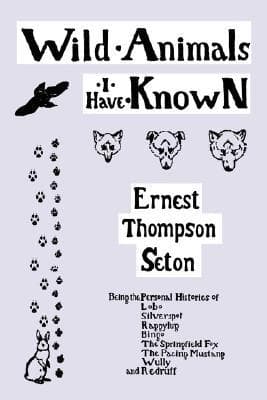
Wild Animals I Have Known cover
Archivist's Choice

Wild Animals I Have Known

Ernest Thompson Seton (1966)

Genre

Children's / Science

Reading Time

7-9 hours

Key Themes

See below

Track Your Reading

Sign in to track this book

Ernest Thompson Seton explores the lives of a cunning wolf, a clever crow, and a loyal dog, revealing the adventure, humor, and sorrow of their existence in the wild.

Core Idea

Ernest Thompson Seton's "Wild Animals I Have Known" challenges the romantic idea of nature by showing animals' lives as constant struggles for survival, driven by instinct, intelligence, and a sad dignity. Through stories about specific animals, Seton argues that the wild is both beautiful and brutal, where cleverness, toughness, and adaptability are essential for survival. He also shows how human actions often lead to the death of even the most impressive creatures. The book says that truly understanding nature comes from close, empathetic watching, which reveals the complex emotional and intellectual lives of animals and the often-tragic outcomes when their world meets human expansion. Seton's main point is that animals have distinct personalities, intelligence, and a sense of right and wrong. They deserve respect and understanding, not just classification or conquest. He uses their life stories to illustrate the universal themes of struggle, loss, and the dignity found in the wild's harsh lessons. Ultimately, he calls for a deeper appreciation of nature's sad grandeur and the complex, often heartbreaking, relationship between humans and animals.
Reading time
7-9 hours
Difficulty
Medium
✓ Read this if...
You are interested in classic nature writing, stories about animal intelligence and survival, or wish to explore the origins of realistic animal fiction. It's also suitable for young readers (10+) ready for complex themes.
✗ Skip this if...
You prefer anthropomorphic animal stories with happy endings, are sensitive to depictions of animal suffering and death, or seek a purely scientific, detached account of animal behavior.

Core idea

The central argument and framework that powers the entire book.

Ernest Thompson Seton's "Wild Animals I Have Known" challenges the romantic idea of nature by showing animals' lives as constant struggles for survival, driven by instinct, intelligence, and a sad dignity. Through stories about specific animals, Seton argues that the wild is both beautiful and brutal, where cleverness, toughness, and adaptability are essential for survival. He also shows how human actions often lead to the death of even the most impressive creatures. The book says that truly understanding nature comes from close, empathetic watching, which reveals the complex emotional and intellectual lives of animals and the often-tragic outcomes when their world meets human expansion.

Seton's main point is that animals have distinct personalities, intelligence, and a sense of right and wrong. They deserve respect and understanding, not just classification or conquest. He uses their life stories to illustrate the universal themes of struggle, loss, and the dignity found in the wild's harsh lessons. Ultimately, he calls for a deeper appreciation of nature's sad grandeur and the complex, often heartbreaking, relationship between humans and animals.

At a glance

Reading time

7-9 hours

Difficulty

Medium

Read this if...

You are interested in classic nature writing, stories about animal intelligence and survival, or wish to explore the origins of realistic animal fiction. It's also suitable for young readers (10+) ready for complex themes.

Skip this if...

You prefer anthropomorphic animal stories with happy endings, are sensitive to depictions of animal suffering and death, or seek a purely scientific, detached account of animal behavior.

Key Takeaways

1

The Tragic Majesty of the Wild

Animals, like humans, possess complex emotions and unique personalities.

Quote

Every one of these stories is true. Although I have sometimes taken a liberty with the facts, I have never done so without a definite object.

Seton makes his animal subjects feel human, giving them distinct personalities, reasons for their actions, and deep emotions that go beyond simple instinct. He challenges the common idea of animals as mere machines, instead showing them as individuals capable of courage, loyalty, cleverness, and even deep sadness. This empathetic view lets readers connect with the animals' struggles and successes on an emotional level, leading to a greater appreciation for the complexity of the natural world. The stories often highlight the sad beauty...

Supporting evidence

The detailed portrayal of Lobo's intelligence and unwavering loyalty to his pack, even in the face of relentless human pursuit, or Silverspot's cunning leadership and strategic thinking among his crow brethren.

Apply this

Approach interactions with animals, both wild and domestic, with an open mind, recognizing their potential for individual personality and emotional richness. Observe their behaviors not just through a scientific lens, but also with an empathetic understanding of their struggles and joys.

animal-empathywildlife-personificationtragic-beauty
2

Survival of the Smartest

Intelligence and adaptability are paramount for survival in the wild.

Quote

Lobo was a giant among wolves, a gray wolf of the old-time breed, and as cunning as he was strong.

Seton consistently shows that survival in the wild is not just about strength or instinct, but often depends on an animal's intelligence, cleverness, and ability to adjust to new situations. His characters, like Lobo and Silverspot, use complex strategies, learn from experience, and outsmart their enemies, whether human or animal. This points to the remarkable thinking abilities in the animal kingdom, which humans often underestimate. The animals' cleverness in finding food, avoiding traps, and protecting their young shows a level of ...

Supporting evidence

Lobo's ability to repeatedly elude trappers and poisons, adapting his methods and learning from human tactics. Silverspot's complex communication and strategic leadership of his crow flock to avoid danger and exploit resources.

Apply this

When facing challenges, consider creative and adaptive solutions rather than relying solely on brute force or conventional methods. Observe how nature's creatures innovate to overcome obstacles and apply that principle to your own problem-solving.

animal-intelligenceadaptive-behaviorsurvival-strategy
3

The Inevitable Clash: Human vs. Wild

Human expansion often leads to conflict and tragedy for wild animals.

Quote

It was in the early eighties that the cattlemen of New Mexico put a standing reward of one thousand dollars on Lobo's head.

A repeated idea throughout the stories is the often-deadly conflict between human civilization and the natural world. Seton does not avoid showing the terrible impact of human activities—hunting, trapping, ranching, and land development—on animal populations. He portrays humans as strong opponents and, at times, unintentional destroyers of the wild. The animals, in their fight for survival, are often forced to adapt to or confront human expansion, often with tragic outcomes. This highlights the inherent tension and imbalance when huma...

Supporting evidence

The relentless pursuit of Lobo by ranchers determined to protect their livestock, ultimately leading to his capture and death. The constant threat of traps and hunters faced by characters like Redruff the partridge and Raggylug the rabbit.

Apply this

Reflect on your own impact on local wildlife and ecosystems. Support conservation efforts, choose sustainable products, and advocate for policies that prioritize harmonious coexistence between humans and nature. Understand that our actions have far-reaching consequences for the animal kingdom.

human-impactwildlife-conflictconservation-ethics
4

The Bond Between Species

Love and loyalty transcend species boundaries, forming profound connections.

Quote

He was my dog, and I loved him, and he loved me.

Beyond the struggles of the wild, Seton also beautifully shows the strong connections that can form between different species, especially between humans and animals. The story of Bingo, his own dog, shows the deep love, loyalty, and mutual understanding that can develop. Even in stories of wild animals, there are moments of connection between species, such as a mother animal's devotion to her young, or the complex social structures within a pack or flock. These stories emphasize that emotional connection and care are not only for huma...

Supporting evidence

The heartwarming and heartbreaking tale of Bingo, Seton's loyal dog, who demonstrates unwavering devotion and understanding. Lobo's profound grief and eventual demise after the capture of his mate, Blanca, showcasing deep emotional attachment.

Apply this

Cultivate deeper, more empathetic relationships with your pets, recognizing their capacity for complex emotions and loyalty. Extend this understanding to appreciating the bonds within wild animal families and social groups, fostering respect for their emotional lives.

interspecies-bondanimal-loyaltyempathy-for-animals
5

Nature's Unforgiving Lessons

The wild is a harsh teacher, where mistakes often lead to fatal consequences.

Quote

He was a wild dog, and he knew the ways of the wild, but he had much to learn.

Seton's stories are direct in showing the harsh realities of the natural world. Life in the wild is a constant struggle for survival, where predators and prey are in an endless dance, and one mistake can mean the difference between life and death. Animals learn through hard experience; a moment of carelessness, a misjudgment, or a lack of attention can lead to an early end. This perspective grounds the stories in realism, reminding readers that while animals have remarkable qualities, they live within a cruel system where nature's rul...

Supporting evidence

Raggylug the rabbit's narrow escapes and the constant threat of predators, illustrating the fragility of life. The Pacing Mustang's eventual capture due to a persistent human's cunning, despite its incredible speed and freedom.

Apply this

Develop a greater appreciation for the resilience of nature's creatures and the delicate balance of ecosystems. Understand that life often involves risk and consequence, and that learning from experience, even difficult ones, is crucial for growth.

natural-selectionsurvival-of-the-fittestwildlife-realism
6

The Heroic Antagonist

Even 'villains' in the animal kingdom possess admirable qualities.

Quote

Lobo was a murderer, it is true, but he was a brave and noble one, and I could not but admire him.

Seton's stories often blur the lines between hero and villain, especially when showing predators. He presents characters like Lobo, the 'King of Currumpaw,' not as evil, but as powerful, intelligent, and even noble beings whose actions, though harmful to human interests, are driven by their natural roles within the ecosystem. By showing their courage, loyalty to their kind, and impressive cleverness, Seton encourages readers to look beyond simple judgments and appreciate the complex nature of all creatures, even those traditionally fe...

Supporting evidence

Lobo's unwavering defense of his pack and his strategic brilliance in outsmarting humans for years, earning the grudging respect of even his hunters. The Springfield Fox's cleverness and resourcefulness in evading capture.

Apply this

Challenge your preconceived notions about animals, especially those deemed 'pests' or 'dangerous.' Seek to understand their motivations and ecological roles before passing judgment, recognizing that every creature plays a part in nature's intricate web.

predator-prey-dynamicsethical-huntinganimal-admiration
7

Childhood Enchantment, Adult Reflection

The stories resonate deeply with both youthful wonder and mature understanding.

Quote

The wild animals that I knew were not the wild animals of the storybooks, but real, living, breathing creatures.

While often considered children's literature, Seton's tales have a timeless quality that appeals to all ages. For children, they spark wonder and empathy for animals, introducing them to the complexities of the natural world through engaging stories. For adults, the stories offer deeper meanings, prompting thought on themes of death, human impact, the ethics of wilderness interaction, and the inherent dignity of all life. The mix of adventure, tragedy, and sharp observation ensures that the stories remain impactful, changing with the ...

Supporting evidence

The vivid descriptions and emotional arcs, like the sadness of Lobo's demise or the joy of Bingo's loyalty, resonate with universal human experiences, regardless of age. The detailed naturalistic observations provide educational value alongside the narrative.

Apply this

Revisit childhood classics with a fresh perspective, seeking deeper meanings and appreciating their enduring wisdom. Share these stories with younger generations to foster an early love and respect for nature, initiating important conversations about our role within it.

timeless-literatureintergenerational-learningnature-education
8

The Power of Observation

Keen observation is key to understanding and connecting with the natural world.

Quote

I have spent many years in the wilderness, learning the ways of the wild folk, and what I tell you is what I have seen with my own eyes.

Seton's stories come from careful observation and a deep understanding of animal behavior. His ability to describe the subtleties of a crow's communication, a rabbit's fear, or a wolf's hunting strategy comes from years spent in the wilderness, patiently watching and learning. This focus on direct observation not only makes his stories believable but also inspires readers to pay closer attention to the world around them. It emphasizes that true understanding comes from patient, firsthand interaction with nature, rather than relying on...

Supporting evidence

The specific details of Silverspot's crow language and signals, or the intricate descriptions of the Springfield Fox's hunting techniques and denning habits, all derived from Seton's extensive field studies.

Apply this

Practice mindful observation in your daily life, whether in a park, your backyard, or a forest. Take time to simply watch and listen, noticing the subtle behaviors and interactions of local wildlife. Keep a nature journal to record your observations and deepen your connection.

nature-observationfield-ecologymindfulness-in-nature
9

The Wild as a Moral Compass

Nature's stories offer lessons in resilience, self-reliance, and ethical living.

Quote

There are some who say that the wild animals are merely brutes, but I know that they have their own laws and their own sense of right and wrong.

Beyond just entertainment, Seton's tales are strong allegories for human experience, offering moral and ethical insights. The animals' struggles for survival, their displays of courage, loyalty, and their inevitable encounters with human expansion, subtly teach lessons about resilience, the results of our actions, and the importance of respecting all forms of life. The stories encourage reflection on what it means to live authentically, to face hardship with dignity, and to understand our place within the larger web of existence, maki...

Supporting evidence

Wully's transformation from a wild dog to a loyal companion, showcasing the capacity for change and connection. The Pacing Mustang's fierce independence and spirit, despite its ultimate capture, symbolizing the enduring desire for freedom.

Apply this

Seek inspiration and guidance from the natural world when facing personal challenges. Reflect on how animals demonstrate resilience and adaptability, and consider how these principles can be applied to cultivate personal growth and a stronger ethical framework.

environmental-ethicsmoral-allegoryresilience-from-nature

Critical analysis

Notable Quotes

His was a dog's life, but he made the most of it.

Describing Lobo's life as a wolf, highlighting his resilience and leadership.

Every animal has a story, and often a sad one.

A recurring theme in Seton's work, emphasizing the challenges wild animals face.

For five long years the capture of Lobo had been the aim of the best hunters and trappers.

Introducing the legendary status of Lobo, the king of the Currumpaw wolves.

I can assure you that when he was caught, it was not by fair means.

Seton's reflection on the methods used to capture Lobo, implying a lack of true victory.

The wild animal that has been taught to fear man is not afraid of him, but has learned to respect his power.

Explaining the difference between fear and respect in animal-human interactions.

He was a born leader, and for five years he had been the undisputed monarch of the Currumpaw valley.

Describing Lobo's dominant role and leadership among his wolf pack.

The one thing that was stronger than his fear of man was his love for his mate, Blanca.

Highlighting Lobo's profound loyalty and affection for his partner.

The life of a wild animal is a long lesson in caution.

General observation about the constant vigilance required for survival in the wild.

Never had I seen such a creature of majesty and power.

Seton's awe upon first encountering the imposing presence of Lobo.

He died as he had lived, a king among his kind, unconquered save by treachery.

Seton's final thoughts on Lobo's death, emphasizing his noble spirit.

The track of a wild animal tells more about it than its living presence.

Seton's insight into tracking and understanding animal behavior through their signs.

Each of these stories is true, as are all the others in this book.

Seton's assertion of the factual basis for his animal narratives.

The hunter who kills for sport is not a true sportsman.

Seton's critique of recreational hunting, advocating for respect for wildlife.

To understand animals, you must first love them.

Seton's philosophy on empathy and connection as a prerequisite for true understanding of wildlife.

The wild heart knows no master.

A poetic reflection on the inherent freedom and independence of wild animals.

Quiz

Test Your Knowledge

Ready to see how well you understood this book? Take our interactive quiz with 10 questions.

10
Questions
~5
Minutes
?
Best Score

Key Questions (FAQ)

'Wild Animals I Have Known' is a collection of eight captivating stories by Ernest Thompson Seton, depicting the lives of various wild animals with adventure, comedy, and sadness. Seton delves into the animals' perspectives, offering readers a deeper understanding and compassion for their existence.

About the author






