
Biography coming soon.
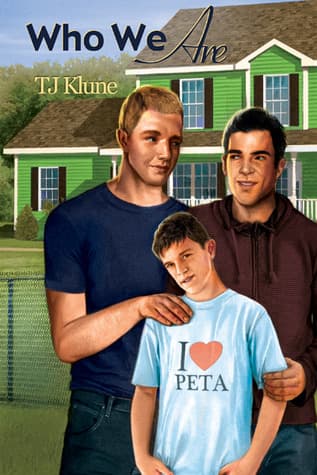
Archivist's Choice
Who We Are
Genre
Children's / Romance
Reading Time
12 Minutes
Key Themes
See below
Track Your Reading
Sign in to track this book
A found family navigates the complexities of love, parenthood, and confronting a shared past as they discover that true belonging is forged in the bonds of chosen kin.
Synopsis
Picking up after the events of the previous summer, Bear, Otter, and the Kid have settled into the Green Monstrosity, and Bear has finally embraced his love for Otter. However, their 'happily ever after' is just the beginning of new challenges and discoveries. They face a looming custody battle for the Kid, the unexpected return of Otter's parents, and the navigation of new experiences like their first gay bar visit. The Kid begins therapy, while the eccentric Mrs. Paquinn pursues her belief in Bigfoot, and the enigmatic Anna and Creed continue their unique dynamic.
Amidst newfound jealousies, the reappearance of old adversaries, and the usual chaos of their lives, Bear is driven to understand his mother's abandonment. His investigation into their shared past unearths secrets that will fundamentally alter their future, forcing him to redefine what family truly means and helping them all realize their authentic selves, proving that family is forged by connection, not just blood.
Difficulty
Easy
Pacing
Moderate
Mood
Heartwarming, emotional, humorous, hopeful, romantic
Plot Summary
A New Beginning in the Green Monstrosity
After the summer's difficult events, Bear, Otter, and the Kid move into the "Green Monstrosity," a house that represents their new family. Bear can finally openly show his deep love for Otter, a big step in their relationship. The initial joy of this new setup is mixed with the ongoing worry of the Kid's custody battle. Despite their domestic happiness, the realities of their unusual family begin to show, proving that 'happily ever after' is not an end but a continuous process of growth. They try to set routines and define their roles in this new, shared home.
The Return of the Past: Otter's Parents
Otter's parents, who had left him years ago, suddenly return, upsetting the fragile peace he has found with Bear and the Kid. Their return brings up many unresolved feelings for Otter, making him deal with the pain of his past and why they were gone. This interaction strains his relationship with Bear, as Otter struggles to balance his current happiness with his lingering anger. Bear tries to support Otter while also dealing with his own worries about their new family's stability, fearing Otter's past might pull him away.
Navigating Custody and Courtroom Drama
The legal process for the Kid's custody becomes more intense, adding stress to the household. Bear and Otter must prepare for court, facing judgment from a system that might not understand their family. This time is filled with anxiety, legal meetings, and a deep fear of losing the Kid, who has become a key part of their lives. The Kid himself is affected, dealing with the uncertainty of his future. The outcome of this battle is important; it will decide the legal structure of their family and the security of their bond.
The Kid's Therapy and Growing Pains
The Kid starts therapy to process his past trauma and adjust to his new, stable environment. Through his sessions, his unique perspective and emotional depth are explored, showing his struggles and his remarkable strength. His talks with his therapist offer insight into how he sees his new family and the challenges he faces. This part of the story shows the importance of mental health and the long-term effects of childhood experiences, as well as the Kid's path toward healing and understanding himself.
First Forays: A Gay Bar and New Experiences
Bear and Otter go to a gay bar for the first time as a couple, a big step in publicly acknowledging their relationship and joining the LGBTQ+ community. This experience is a mix of excitement, nerves, and discovery, letting them see themselves and their love in a wider context. It is a moment of growth for both, as they navigate a new social setting and strengthen their bond. The outing offers a look at the support within the community, but also the chance of outside judgment.
The Peculiarities of Mrs. Paquinn and Anna & Creed
Mrs. Paquinn, the unusual neighbor, continues to provide humor with her belief in Bigfoot and other strange events, offering a light contrast to the more serious plotlines. Anna and Creed, the other members of their extended family, continue their unique and often messy relationship, with their own unpredictable adventures. These characters broaden the story's world, adding humor, warmth, and a sense of community. Their interactions with Bear, Otter, and the Kid show the diverse relationships that make up their lives.
Jealousies and Old Enemies
As Bear and Otter's relationship grows, new jealousies appear, testing their trust and communication. These internal conflicts are made worse by old enemies returning from their past, who threaten their new peace. These outside pressures force Bear and Otter to face their insecurities and strengthen their commitment to each other. The challenges show the ongoing work needed to keep a strong relationship, especially when facing both internal doubts and outside threats.
Bear's Quest for His Mother's Past
Driven by a strong need for answers, Bear sets out to learn the truth behind his mother's abandonment of him and his brother. This journey takes him deep into their shared past, uncovering old secrets and painful memories. His search is fueled by a desire for closure and a clearer understanding of his own identity. What he finds could change how he sees his mother, his brother, and himself, making him rethink everything he thought he knew about his origins.
Revelations and Redefinitions of Family
Bear's search into his mother's past leads to surprising revelations that challenge his ideas of family. The truths he uncovers are complex, making him reconsider his understanding of abandonment, love, and genetic ties. These discoveries are not always easy, but they give him a deeper, more nuanced view of his own history. This process helps him realize that family is not only defined by blood, but by bonds of love, support, and choice—those who make us whole.
Becoming Who They're Supposed to Be
As the various conflicts resolve and the characters process their individual and shared journeys, they begin to truly accept who they are and the unconventional family they have built. Bear, Otter, and the Kid, along with their friends, find a deep sense of belonging and identity within their chosen family. The struggles and revelations of the past year have solidified their bonds, teaching them that love, resilience, and mutual support are the basis of their happiness. They understand that 'happily ever after' is a continuous process of becoming and growing together.
Principal Figures
Bear
The Protagonist
Bear evolves from an anxious caregiver to a more confident partner and a man at peace with his past, understanding that family is defined by love, not just blood.
Otter
The Protagonist
Otter confronts his past abandonment, reconciles with his parents (or finds peace without them), and solidifies his commitment to his chosen family with Bear and the Kid.
The Kid
The Supporting
The Kid processes his past trauma through therapy and fully integrates into his new family, finding security and a sense of belonging.
Mrs. Paquinn
The Supporting
Mrs. Paquinn remains a steadfast, whimsical presence, symbolizing the unconventional support system of the family.
Anna
The Supporting
Anna continues to navigate her tumultuous relationship with Creed, finding stability within her chosen family while still embracing her own unique path.
Creed
The Supporting
Creed maintains his gruff but loyal nature, continuing his complex relationship with Anna and remaining a steadfast part of the extended family.
Otter's Parents
The Antagonist/Supporting
Their reappearance forces Otter to confront his past, leading to either reconciliation or a definitive break, ultimately strengthening Otter's commitment to his chosen family.
The Custody Lawyer
The Supporting
The lawyer facilitates the legal process, working towards a resolution that allows Bear and Otter to legally solidify their family.
Themes & Insights
The Redefinition of Family
This theme explores the idea that family is not only defined by biological ties but by love, commitment, and mutual support. Bear, Otter, and the Kid, along with their extended circle of friends, form an unconventional family that challenges traditional norms. The struggles they face, particularly the custody battle and the return of estranged biological parents, show the strength found in chosen families. The story emphasizes that true family provides belonging, safety, and unconditional love, regardless of blood relation.
“Family is not always defined by blood. It’s defined by those who make us whole—those who make us who we are.”
Healing from Trauma and Abandonment
The book looks at the lasting impact of past trauma, especially abandonment, on its characters. Bear's quest to understand his mother's abandonment and Otter's confrontation with his estranged parents are central to this theme. The Kid's therapy sessions also show the importance of processing past hurts. The story suggests that healing is an ongoing process, and that finding love and support in present relationships is important for overcoming past wounds. It shows the journey toward emotional strength and self-acceptance.
“Sometimes, the only way to heal is to face the things that broke you in the first place.”
The Nature of Love and Commitment
This theme explores the complexities of romantic and familial love. Bear and Otter's evolving relationship, from initial attraction to committed partnership and co-parenting, is a core element. The challenges they face—jealousy, outside pressures, and personal insecurities—test the strength of their bond. The story illustrates that love requires effort, communication, and support. It also includes the deep love between parents and children (both biological and chosen) and the lasting affection among friends, showing the many forms of human connection.
“Love wasn't a fairy tale. It was work. It was messy. It was worth it.”
Identity and Self-Discovery
The characters, especially Bear and Otter, go on journeys of self-discovery as they take on new roles and confront their pasts. Bear's exploration of his family history directly affects his understanding of who he is. Otter deals with his identity when his parents return, questioning who he has become versus who he was. The Kid, through therapy, learns to express his own identity and feelings. The theme emphasizes that identity changes and is shaped by experiences, relationships, and the choices one makes about who they want to be.
“It took a long time to figure out who I was. Even longer to accept it. And then, it turned out, I was still figuring it out.”
Plot Devices & Literary Techniques
The Green Monstrosity
A symbolic setting representing the family's new beginning and evolving identity.
The 'Green Monstrosity,' the house Bear, Otter, and the Kid move into, serves as more than just a setting; it's a powerful symbol of their nascent family unit and their fresh start. Initially an imposing, perhaps even intimidating, structure, it gradually transforms into a warm, safe haven. Its very name, a blend of the unusual and the grand, reflects the unconventional yet deeply loving family it houses. The house becomes a physical manifestation of their commitment to each other and their journey of building a home, both literally and figuratively, from the ground up.
Flashbacks and Revealed Histories
Non-linear narrative elements that uncover past traumas and motivations, driving character development.
The use of flashbacks and the gradual revelation of characters' histories, particularly Bear's mother's abandonment and Otter's past with his parents, is a crucial plot device. These glimpses into the past are not merely expository; they actively shape the present narrative, explaining character motivations, fears, and unresolved conflicts. They add depth to the characters' emotional landscapes, providing context for their current struggles and triumphs. This non-linear storytelling allows for a slow burn of discovery, keeping the reader engaged in piecing together the full picture of their complex lives.
The Custody Battle
An external conflict that externalizes internal fears and tests the family's resilience.
The ongoing custody battle for the Kid functions as a significant external conflict that mirrors and intensifies the internal anxieties of the characters. It represents the societal challenges faced by unconventional families and the legal hurdles they must overcome to be recognized. This device creates constant tension and raises the stakes, forcing Bear and Otter to confront their deepest fears of losing the Kid and the family they've built. It serves as a crucible, strengthening their resolve and highlighting their unwavering commitment to each other and to the Kid's well-being.
Humor and Eccentric Characters
Comic relief and unique perspectives provided by supporting characters to balance heavy themes.
The inclusion of eccentric characters like Mrs. Paquinn and the often-bickering dynamic between Anna and Creed serves as a vital plot device for comic relief and to provide a broader, often lighter, perspective. This humor acts as a counterpoint to the more serious and emotionally heavy themes of trauma, abandonment, and legal battles. These characters offer moments of levity, demonstrating that even amidst profound challenges, joy, quirkiness, and strong community bonds can thrive. They also highlight the diverse and accepting nature of the extended family unit.
Critical analysis
Notable Quotes
Quiz
Test Your Knowledge
Ready to see how well you understood this book? Take our interactive quiz with 10 questions.
10
Questions
~5
Minutes
?
Best Score
Key Questions (FAQ)
Who We Are continues the story of Bear, Otter, and the Kid after they've found a semblance of peace. They navigate new challenges including a custody battle, the return of Otter's parents, and Bear's own journey to understand his mother's abandonment, all while exploring themes of found family and self-discovery.
Similar books
The Remarkable Journey of Coyote Sunrise
Dan Gemeinhart
4.5

The Runaway
Kate O'Hearn
4.4

The Penderwicks in Spring
Jeanne Birdsall
4.4

The Prince and the Dressmaker
Jen Wang
4.4

The Running Dream
Wendelin Van Draanen
4.3

The Rabbits
John Marsden
4.3

The Polar Express
Chris Van Allsburg
4.3
The Runaway King
Jennifer A. Nielsen
4.2