“The Japanese changed our names. They changed our country's name. They even changed the name of our language.”
— Sun-hee reflecting on the Japanese occupation and its impact.

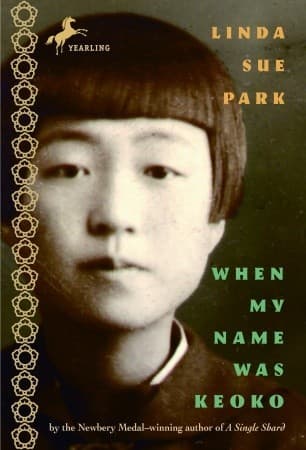
Linda Sue Park (2002)
Genre
Children's / Historical Fiction / Young Adult
Reading Time
240 min
Key Themes
See below
Sign in to track this book
Under the oppressive thumb of Japanese occupation during WWII, a Korean brother and sister fight to retain their heritage and protect their family, even as their names, language, and country are stripped away.
The story opens with Sun-hee, a young Korean girl, and her older brother, Tae-yul, living in Korea under Japanese occupation in 1940. Their lives are heavily influenced by Japanese culture and laws. At school, they are forced to learn and speak Japanese, and Korean history and language are suppressed. Sun-hee, an observant and intelligent child, struggles with the injustice of these rules but tries to adapt. Tae-yul, more rebellious and outwardly frustrated, often finds ways to subtly defy the Japanese. Their family, including their parents and Uncle, maintain a quiet resistance, cherishing their Korean heritage in their home, often through hushed conversations and hidden artifacts. The children are constantly reminded of their Korean identity despite the occupiers' attempts to erase it.
A moment arrives with the Japanese government's decree that all Koreans must adopt Japanese names. This is a personal and humiliating blow to the family. Sun-hee’s father, initially resistant, eventually chooses a Japanese name for the family, emphasizing the importance of survival and not drawing attention. Sun-hee is given the name Keoko, and Tae-yul becomes Nobuo. This forced name change shows the systematic oppression and the erosion of Korean identity. While outwardly complying, the family internally struggles with this loss, reinforcing their Korean names in private conversations and holding onto their true identities despite the official change. Tae-yul's anger is clear, while Sun-hee observes the subtle ways her family resists.
As World War II progresses, the Japanese war effort intensifies, leading to increased demands on the Korean populace. Resources become scarce, and families must contribute to the war. The family's daily life is affected by rationing and the constant presence of Japanese soldiers. Tae-yul, now Nobuo, is required to participate in school drills and contribute to the war effort, such as collecting scrap metal. Sun-hee, as Keoko, also experiences the shortages and the propaganda in school. Their Uncle, a teacher, uses subtle methods to instill Korean pride in his students, despite the risks. The family tries to maintain a semblance of normalcy while navigating the growing pressures and hardships imposed by the war.
Tae-yul, ever curious and with a growing sense of defiance, discovers a hidden radio in his Uncle's room. This radio is a lifeline to the outside world, allowing them to hear news that the Japanese government suppresses. Listening to it is dangerous, as possession of a radio tuned to non-Japanese broadcasts is punishable by severe penalties. The Uncle shares snippets of information with Tae-yul, subtly educating him about the true state of the war and the Allied forces. This discovery fuels Tae-yul’s desire to actively resist and protect his family. Sun-hee, aware of the secret, also understands the immense risk involved and the importance of keeping it hidden, becoming a silent guardian of this secret.
One day, leaflets dropped by Allied planes flutter down onto their village, bringing news of the war from an outside perspective. These leaflets are illegal. Shortly after, the Japanese police raid Uncle's house, finding evidence of his 'subversive' activities, likely related to his quiet encouragement of Korean identity and possibly the radio. Uncle is arrested and taken away, a devastating blow to the family. His arrest is a reminder of the dangers of resistance and the constant surveillance under Japanese rule. The family is left to cope with his absence, the fear of further repercussions, and the crushing weight of injustice, strengthening their resolve to protect each other.
After Uncle's arrest, the family faces increasing pressure from the Japanese. The authorities begin to demand that Korean men and boys volunteer for the Japanese army or forced labor. Fearing that his father will be taken, and seeing no other way to protect his family, Tae-yul makes a shocking and agonizing decision: he volunteers for the Japanese army. This is a sacrifice, as it means fighting for the very oppressors he despises. His decision is driven by a deep love for his family and a desperate hope that his volunteering will spare them from further suffering. Sun-hee is heartbroken but understands the gravity of his choice, recognizing his bravery and selflessness.
With Tae-yul gone, Sun-hee takes on a more significant role in guarding the family's secrets. She helps her mother manage the household under increasingly difficult conditions. She continues to observe the world around her, meticulously documenting events and thoughts in her hidden journal, a private act of preserving her Korean identity and history. The family continues to listen to the secret radio, now even more cautiously, relying on it for true news of the war. Sun-hee's quiet strength and intelligence become important for the family's emotional resilience. She carries the hope of her brother's return and the eventual liberation of Korea, finding subtle ways to resist the Japanese cultural assimilation.
Finally, after years of hardship and oppression, news begins to filter through, confirmed by their secret radio, that the war is ending. The atomic bombs dropped on Hiroshima and Nagasaki lead to Japan's unconditional surrender. The relief and joy that sweep through the Korean community are immense, but also tinged with uncertainty. The Japanese soldiers and officials begin to leave, and the Korean people can openly celebrate their liberation. The family embraces, tears of joy and sorrow mixing. The long nightmare of occupation is over, but the future of Korea, now divided and scarred, remains unclear. The immediate focus is on rebuilding and reclaiming their identity.
Amidst the celebrations, the family anxiously awaits Tae-yul's return. Days turn into weeks, and their hope wavers. Miraculously, Tae-yul eventually reappears, thin and weary but alive. His return is a moment of joy and relief for the family, a sign of his resilience. However, their happiness is tempered by the tragic news they receive about Uncle. He did not survive his imprisonment; he died in a Japanese prison, a martyr for Korean independence. This loss is a painful reminder of the sacrifices made and the lives lost during the occupation, solidifying the family's commitment to remembering their history and honoring those who suffered.
With the Japanese gone, the family joyously sheds their forced Japanese names and proudly reclaims their Korean identities. Sun-hee becomes Sun-hee again, and Tae-yul is Tae-yul. This act symbolizes their liberation and the restoration of their cultural heritage. They gather with other Koreans, openly speaking their language, flying the Korean flag, and celebrating their long-suppressed culture. The book concludes with a sense of hope and the promise of a future where they can live freely as Koreans, never forgetting the struggles they endured but embracing their reclaimed identity with pride. The future is uncertain, but their spirit is unbroken.
The Protagonist
From a young girl navigating daily oppression, she grows into a resilient individual who understands the importance of preserving history and identity.
The Protagonist
He transforms from a rebellious teenager into a selfless young man who makes a profound sacrifice for his family and nation.
The Supporting
He embodies steadfastness, guiding his family through extreme hardship while maintaining his core values.
The Supporting
She remains a steadfast source of comfort and strength for her family, adapting to immense challenges while preserving their cultural identity.
The Supporting
As a symbol of intellectual and cultural resistance, his tragic fate underscores the brutal realities of the occupation.
The Supporting
She consistently provides a sense of community and shared experience, enduring the occupation alongside the protagonists.
The Supporting
He experiences the same pressures as Tae-yul, reflecting the collective fate of young Korean men under occupation.
The theme of identity is central, explored through the forced imposition of Japanese names and the suppression of Korean culture. Sun-hee's internal struggle with her name, Keoko, and her commitment to writing in her journal in Korean, show her fight to maintain her true self. Tae-yul's outward defiance and his ultimate sacrifice, despite having to fight for the Japanese, are also acts of preserving his core identity as a Korean. The family's private use of their Korean names and the celebration of their heritage after liberation show the enduring power of identity against oppressive forces.
“My Korean name, Sun-hee, was a part of me, like my arm or my leg. Now it was gone. Who was I?”
The book illustrates various forms of resistance, from overt acts to subtle defiance. Tae-yul's secret taekwondo practice and his decision to volunteer for the army (to protect his family from forced labor) are acts of resistance. Uncle's hidden radio and his teaching of Korean history are also resistance. Sun-hee's quiet act of keeping a journal in Korean and remembering her true name is a powerful form of resilience. The family's ability to maintain hope and their cultural practices in secret shows their unwavering resilience in the face of brutal oppression, highlighting the strength of the human spirit.
“We had to be like the bamboo. Bend, but don't break.”
The strong bonds of family are a driving force throughout the narrative. The parents make difficult decisions, such as changing their names, to protect their children. Tae-yul's sacrifice, volunteering for the Japanese army to spare his father from forced labor, is an act of familial love. Sun-hee's role in guarding family secrets and supporting her mother also shows her commitment to her family. These sacrifices, big and small, show the family's dedication to each other's survival and well-being during a time of hardship and uncertainty.
“He wasn't fighting for Japan. He was fighting for us.”
The dual narration by Sun-hee and Tae-yul emphasizes the importance of individual perspectives and remembering. Sun-hee's secret journal is a direct manifestation of this theme, as she meticulously records events and her feelings, ensuring that the true Korean story is not forgotten despite Japanese attempts to erase it. The sharing of stories and memories within the family, often in hushed tones, keeps their heritage alive. The book itself shows the power of storytelling to preserve history, give voice to the oppressed, and educate future generations.
“I had to write it all down. So no one would ever forget.”
The entire narrative is framed by the injustice and oppression faced by Koreans under Japanese rule. This includes forced language changes, suppression of culture, resource scarcity, forced labor, and military conscription. The arrest and death of Uncle, a peaceful resistor, clearly illustrate the brutality of the occupation. The children's experiences in school, where they are taught Japanese history and forbidden to speak Korean, highlight the systematic nature of this oppression. The book exposes the human cost of imperialism and the devastating impact of war on civilian populations.
“They took our names. They took our language. They tried to take our history.”
Alternating chapters provide two distinct perspectives on the same events.
The story is told through alternating chapters from the viewpoints of Sun-hee and Tae-yul. This device provides a comprehensive and nuanced understanding of the Japanese occupation. Sun-hee's chapters are more introspective, focusing on the emotional and cultural impact, while Tae-yul's chapters offer a more external, action-oriented perspective, highlighting the direct physical and social pressures. This dual perspective enriches the narrative by showing how different individuals within the same family experience and react to the same historical events, building a fuller picture of the period.
Sun-hee's hidden diary, a symbol of preserving identity and history.
Sun-hee's hidden journal, where she records her thoughts, observations, and memories in Korean, serves as a powerful symbol of resistance and the preservation of identity. It is a private space where she can be her true self, separate from the Japanese-imposed identity of Keoko. The journal represents the importance of documenting history from the perspective of the oppressed, ensuring that their experiences are not lost or distorted. It underscores the theme of storytelling and memory, as Sun-hee ensures her Korean heritage will not be forgotten.
A forbidden link to the outside world and a source of truth.
Uncle's secret radio is a crucial plot device that symbolizes forbidden knowledge and the search for truth. In a world controlled by Japanese propaganda, the radio provides the family with uncensored news about the war and the outside world. It is a dangerous possession, its discovery leading to Uncle's arrest, but it also fuels Tae-yul's understanding of the conflict and his desire for liberation. The radio represents hope and the power of information to counter oppressive narratives, keeping the spirit of resistance alive within the family.
The forced change and eventual reclaiming of names as a representation of cultural identity.
The forced adoption of Japanese names (Keoko for Sun-hee, Nobuo for Tae-yul) is a central symbolic device. It represents the Japanese attempt to erase Korean identity and culture. The characters' internal struggle with these new names, and their private insistence on using their Korean names, highlights the deep personal and cultural significance of one's name. The ultimate reclaiming of their Korean names after liberation symbolizes the restoration of their identity, sovereignty, and the triumph of their cultural heritage over oppression. It underscores the profound link between language, name, and identity.
“The Japanese changed our names. They changed our country's name. They even changed the name of our language.”
— Sun-hee reflecting on the Japanese occupation and its impact.
“It was like having two names, two lives. One for the Japanese, one for ourselves.”
— Sun-hee describing the dual identity Koreans had to adopt.
“Even a small thing, a tiny act of defiance, could feel like a huge victory.”
— Tae-yul's internal thoughts on small acts of rebellion.
“The hardest part was not knowing. Not knowing if he was alive, or dead, or where he was.”
— Sun-hee's worry for her uncle.
“Our hearts beat with the rhythm of Korea, even when our lips spoke Japanese.”
— A character's internal sentiment about maintaining Korean identity.
“Hope was a dangerous thing, but impossible to live without.”
— A general reflection on the role of hope during difficult times.
“Every time I heard the Japanese language, it was like a slap in the face.”
— Sun-hee's strong negative reaction to the Japanese language.
“Sometimes, doing nothing was the bravest thing you could do. Just waiting. Just surviving.”
— Tae-yul's thoughts on passive resistance and endurance.
“The past was a wound that refused to heal, but the future was a promise we had to fight for.”
— A reflection on the historical trauma and the need to look forward.
“Even though they took our names, they couldn't take away who we were inside.”
— A comforting thought about inner identity despite external changes.
“We learned to read between the lines, to hear what wasn't said, to see what was hidden.”
— Sun-hee describing the heightened awareness developed under oppression.
“A secret shared was a bond, a silent agreement to remember who we really were.”
— The importance of shared secrets in maintaining Korean identity.
“The world outside was changing, but inside our home, we tried to keep things the same, as much as we could.”
— The family's efforts to preserve their culture within their home.
“The sound of his voice, even through a crackly radio, was like a lifeline.”
— Sun-hee hearing her uncle's voice on a secret radio broadcast.
Ready to see how well you understood this book? Take our interactive quiz with 10 questions.
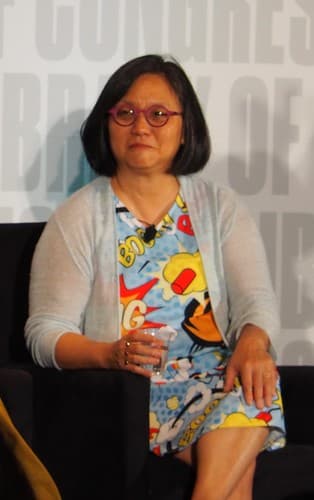
Biography coming soon.

Dan Gemeinhart
4.5

Kate O'Hearn
4.4

Jeanne Birdsall
4.4

Jen Wang
4.4

Wendelin Van Draanen
4.3

John Marsden
4.3

Chris Van Allsburg
4.3
Jennifer A. Nielsen
4.2