“The house was a body, and like all bodies, it had its secrets, its hidden aches, its moments of quiet glory.”
— Describing the boarding house in 'Books and Roses'.

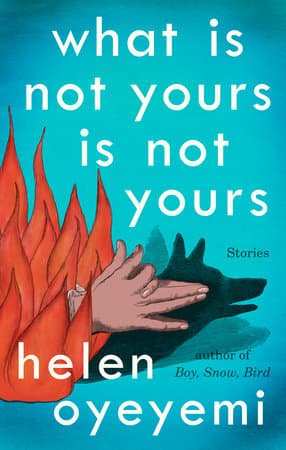
Helen Oyeyemi (2016)
Genre
Literary Fiction / Fantasy
Reading Time
360 min
Key Themes
See below
Sign in to track this book
Helen Oyeyemi's collection of interconnected tales uses mysterious keys to unlock not just physical spaces, but also hidden histories, entangled relationships, and the deep secrets that connect her characters across time and fantastical settings.
In Catalonia, Spain, Myrna, a young librarian, works in a large estate with a vast library. She is drawn to a locked room and a locked journal inside it. Ferdinand, the mysterious gardener, has the key to the journal. As Myrna reads, she discovers the story of a former resident, Montserrat, and her complicated relationships with a famous author, Arturo, and his sister, Teresa. Montserrat was a 'book-eater,' able to absorb stories, and her life involved a love triangle and a strange illness. Myrna becomes more involved in Montserrat's past, blurring the lines between their lives, as she tries to understand the legacy of love, loss, and literary passion that fills the estate.
Dr. Yoshimaru runs a respected puppeteering school where students learn to put their essence into their creations. Radha, a dedicated student, struggles with the final step: giving her puppet a heartbeat. She finds out the school's secret involves a hidden room and a specific key, which opens not just a physical space, but also a deeper understanding of emotional connection. This key also leads her to a secret relationship with another student, Shola, who has a similar, natural ability to bring his puppets to life. Their shared secret and artistic bond grow, but the school's strict rules and the mysterious power needed for true artistry create a dangerous tension as they balance creation and consumption.
Sanza inherits a strange house from her grandmother, a house where every door needs a key to stay closed. The house is a maze of rooms, each holding family memories and secrets, especially those of her mother and her mother's siblings. Sanza discovers that the locks are not just physical, but also represent the emotional barriers and unresolved issues within her family. She meets her aunt and other relatives, each with their own understanding and use of the house's rules. As Sanza tries to understand the house, she uncovers a history of betrayals, unspoken resentments, and the impact of past actions on the current generation, forcing her to face difficult truths about her heritage.
Tirzah receives a locked diary from her mother, who tells her never to open it. The diary is a family heirloom, passed down through generations, and is thought to contain powerful, possibly dangerous, magical secrets. Despite her mother's warning, Tirzah is curious and wants to understand her family's unique abilities. She looks for different keys and ways to open the diary, encountering various views on magic and responsibility. Her journey leads her to consider the ethics of accessing forbidden knowledge and the results of messing with powerful legacies, ultimately showing the true purpose and protective nature of the lock itself.
In a secluded convent, Susannah lives a quiet life, haunted by vague memories of her mother and a mysterious past. She finds a hidden room and a locked chest, which she believes holds the answer to her origins. Through cryptic clues and meetings with other residents, Susannah slowly uncovers the story of her mother, Ada, a skilled lock-picker and a member of a secret society. Ada had a complex relationship with the convent and its grandmaster, and her past involves themes of freedom, captivity, and the power of knowledge. Susannah's search for answers leads her to understand her own identity and the legacy of her mother's choices.
A young woman, suffering from a strange illness that causes her to lose her sense of self, tries to find a cure. She is told that a specific 'key' – not a physical one, but a sensory experience or a strong memory – might help her. Her journey takes her through various meetings and fragmented memories, each offering a possible clue. She meets a man with a similar condition who offers a radical solution. The story explores identity, memory, and the changing nature of self. The 'drownings' refer to the feeling of being submerged and losing one's essence, and the search for a key becomes a symbol for reclaiming one's true self amidst overwhelming experiences.
Otto, a young boy, struggles with loneliness and creates an imaginary friend named X. X is very detailed and complex, and Otto finds comfort and companionship in their interactions. However, as Otto gets older, X starts to appear in increasingly physical and unsettling ways, blurring the lines between imagination and reality. X seems to have its own will and desires, and its presence becomes both a comfort and a terrifying intrusion. Otto deals with the implications of X's growing independence and the possible consequences of bringing such a vivid entity into existence, forcing him to confront the limits of his own mind and the power of his imagination.
This story looks into the history and practices of the Homely Wench Society, a secret group of women who use keys to protect their privacy and stories. Each member has a unique key that opens a personal space, often a diary or a hidden room, where their true selves and experiences are kept. The society acts as a network of support and resistance against societal pressures and expectations. The story explores the power of collective identity, the importance of protecting personal stories, and how women create their own spaces for independence and self-expression. The keys symbolize not just access, but also the deliberate choice of what to reveal and what to keep private.
Elara is fixated on finding a specific, intricately designed key that belonged to her grandmother. She believes this key holds the answer to a long-standing family mystery, possibly related to a hidden inheritance or a forgotten secret. Her search takes her through old family homes, dusty archives, and meetings with eccentric relatives, each offering a piece of the puzzle. As she digs deeper, Elara uncovers a complex web of relationships, betrayals, and sacrifices in her family's past. The key becomes a symbol for unlocking not just a physical object, but also the hidden truths and emotional complexities that have shaped her family for generations, leading to a profound personal discovery.
Lila, a young woman with a strong imagination, finds a mysterious key that, when used in a specific way, lets her enter and explore the dreams of others. At first, she uses this ability out of curiosity, observing the inner worlds of her friends and strangers. However, she soon finds that her presence in these dreams can have unexpected consequences, subtly changing the dreamers' realities and even affecting their waking lives. Lila deals with the ethical questions of her power and the responsibility that comes with such intimate access to other people's minds. The story explores the delicate balance between observation and interference, and the deep impact of shared subconscious experiences.
Mina is the daughter of a famous locksmith, known for his ability to make and open even the most complex locks. Mina herself has a natural talent for understanding mechanisms and secrets. When a dangerous artifact, said to be protected by an ancient and complex lock, falls into the wrong hands, Mina must use her skills to either get it back or prevent its misuse. Her journey leads her through a world of hidden societies, magical guardians, and tricky puzzles. Mina's unique understanding of locks and keys becomes essential in navigating these challenges, as she faces the responsibility that comes with her abilities and the legacy of her family's craft.
In a world where some beings have clockwork hearts, Clara searches for a specific key that can fix her beloved's failing mechanical heart. The story unfolds through Clara's journey, which takes her to various fantastical places and introduces her to unusual characters, each with their own understanding of love, loss, and the mechanics of the heart. She learns that the key is not just a physical object but also a symbol for a deep act of love or sacrifice. Clara's strong desire to save her beloved leads her to confront the true meaning of connection and how far one will go for love, ultimately revealing a touching story of devotion.
The Protagonist
Myrna transforms from a detached observer to an active participant in understanding and preserving a historical narrative, finding her own place within the manor's legacy.
The Protagonist
Radha evolves from a technically proficient student to an artist capable of profound emotional expression, discovering the true source of creativity and love.
The Protagonist
Sanza moves from a position of inherited confusion to a clearer understanding of her family's history and her place within it, finding a sense of closure.
The Protagonist
Tirzah learns to balance curiosity with responsibility, understanding the true power and protective nature of her family's magical heritage.
The Supporting
Her arc is largely revealed through Myrna's discovery, showing her journey from an eager young woman to a figure of tragic literary romance.
The Supporting
Shola's arc is less central, serving more as a catalyst for Radha's growth and demonstrating the power of innate talent and shared connection.
The Supporting
Her story is unveiled retrospectively, revealing her journey of defiance and self-determination against restrictive forces.
The Supporting
Ferdinand's arc is static; he serves as a consistent, guiding presence for Myrna.
The Protagonist
Otto moves from innocent creator to a bewildered individual confronting the tangible manifestation of his imagination.
The Protagonist
Lila transitions from an explorer of dreams to a more cautious and ethically aware individual, understanding the impact of her actions.
Keys and locks are both literal and symbolic throughout the collection. They represent access to knowledge, secrets, memories, and even other realities. In 'Books and Roses,' a physical key opens a journal, revealing Montserrat's hidden past. In 'If a Book Is Locked,' the diary's lock is a deliberate act of protection. In 'Sorry' Doesn't Sweeten Her Tea,' the house's strange locks symbolize emotional barriers and unresolved family issues. Keys are not just about opening; they are also about the deliberate act of closing, of protecting, and of choosing what stays hidden. They highlight the power dynamics of knowledge and the boundaries between people.
“A key is a question, a promise, a threat, a gift. It can be all of these things at once.”
Oyeyemi consistently explores how stories are told, received, and shape reality. 'Books and Roses' features Montserrat, a 'book-eater' who literally absorbs narratives, showing the immersive power of fiction. The locked journals and diaries across stories ('If a Book Is Locked,' 'Books and Roses') emphasize the importance of personal narratives and keeping them safe. Characters often find themselves uncovering existing stories or creating new ones through their actions. This theme also touches on how unreliable memory can be and how personal histories are built and rebuilt, blurring the lines between fact and fiction.
“Every story is a key, unlocking a door to another world, another self.”
Many characters go on journeys of self-discovery, often by learning about others' pasts or facing hidden parts of themselves. Radha in 'Is Your Blood as Red as This?' finds her true artistic identity by giving her puppet life and connecting with Shola. Sanza in ''Sorry' Doesn't Sweeten Her Tea' finds her place in her family by understanding its complex history. The story 'Drownings' directly addresses losing and regaining one's self. The characters' searches for keys often lead them to a deeper understanding of who they are, where they come from, and what they can do, mixing personal identity with inherited legacies and hidden truths.
“To know the story of a lock is to know the story of the one who made it, and the one who chose to keep it shut.”
These connected themes form the emotional center of many stories. 'Books and Roses' is full of a tragic love triangle and the lasting memory of lost love. 'The Clockwork Heart' is a touching tale of devotion and sacrifice in the face of loss. Memories, whether personal or inherited, are often locked away and sought after, serving as keys to understanding current situations. Characters deal with the pain of absence, the desire for connection, and how past relationships continue to shape their lives. Love is often shown as a powerful, sometimes dangerous, force that drives characters to great lengths, while loss leaves lasting marks that demand resolution.
“Some memories are keys that refuse to turn, no matter how hard you push.”
Oyeyemi often blurs the lines between the ordinary and the magical, the real and the imagined. In 'Presence,' a young boy's imaginary friend appears physically, challenging what is real. The magical abilities of characters like Montserrat (book-eating) or Lila (dream-entering) exist alongside everyday life, creating a sense of 'magical realism.' The stories often suggest that multiple realities or layers of truth exist, accessible through the right 'key.' This theme encourages readers to question what is truly real and to accept the fantastical elements woven into the characters' lives, suggesting that imagination holds great power.
“What is imagined can be as real as what is seen, if the key is just right.”
Fantastical elements are woven seamlessly into an otherwise realistic setting.
Oyeyemi employs magical realism by introducing supernatural or impossible elements without explanation or fanfare, treating them as normal occurrences within the story's world. Examples include Montserrat's ability to 'eat' books and absorb their contents in 'Books and Roses,' or the literal manifestation of an imaginary friend in 'Presence.' This device blurs the lines between reality and fantasy, inviting the reader to accept the extraordinary as part of the everyday, thereby deepening the thematic exploration of imagination, perception, and the hidden layers of existence. It creates a dreamlike, often unsettling, atmosphere.
Stories within stories, often connected by recurring motifs or characters.
Many of Oyeyemi's stories feature narratives nested within one another. For instance, in 'Books and Roses,' Myrna's present-day investigation is intertwined with Montserrat's past as revealed through her journal. This device allows for multiple perspectives on events and characters, enriching the complexity of the plot and themes. It also reinforces the idea of history and personal stories being layered and interconnected, with the past continually influencing the present. The 'key' often serves as the mechanism for unlocking these hidden narratives, creating a sense of discovery for both characters and readers.
Keys as literal objects and powerful metaphors for access, secrets, and identity.
The key is the central, overarching motif of the entire collection. Literally, keys unlock doors, journals, and hidden rooms. Metaphorically, they represent access to knowledge, memory, identity, and the truth. In 'Is Your Blood as Red as This?', the 'key' is a deep emotional connection. In 'The Dreamer's Key,' it grants access to dreams. This pervasive symbol unifies the disparate stories, highlighting the universal human desire to uncover what is hidden and to understand what lies beyond locked boundaries. It emphasizes the power of unlocking—both physically and psychologically—to reveal profound truths.
Narrative perspectives that leave room for doubt and multiple interpretations.
Oyeyemi often presents events or character motivations with a degree of ambiguity, sometimes through a narrator whose full understanding is questionable, or by offering fragmented information. This device compels the reader to actively participate in constructing meaning and to question the 'truth' of what is being presented. In 'Drownings,' the protagonist's fading sense of self contributes to this ambiguity. This technique mirrors the theme of secrets and hidden truths, as not all 'locks' are fully opened, and not all 'keys' provide complete clarity, leaving a lingering sense of mystery and inviting contemplation.
“The house was a body, and like all bodies, it had its secrets, its hidden aches, its moments of quiet glory.”
— Describing the boarding house in 'Books and Roses'.
“There are some things you can only learn in a library. Not from a book, but from the smell of the books, the quiet rustle of pages, the way the light falls on the spines.”
— A reflection on the atmosphere and experience of libraries.
“Love is a kind of haunting. You carry it with you, even when the person is gone.”
— Exploring the enduring nature of love and loss.
“Some stories are like keys. They unlock parts of you that you didn't even know were there.”
— Discussing the transformative power of storytelling.
“A lock, after all, is just a promise that something is worth keeping safe.”
— A philosophical take on the purpose of locks in 'The Ifs and the Whens'.
“The past is a country you can visit, but never truly live in again.”
— Reflecting on the nature of memory and change.
“Music, like a secret language, can say what words cannot.”
— Highlighting the communicative power of music.
“To be truly seen is a rare and terrifying thing.”
— Exploring vulnerability and genuine connection.
“Every secret has its own weight, and sometimes, the weight is too much to carry alone.”
— Discussing the burden of secrets in 'Drownings'.
“The greatest freedom is to know yourself, and to be unafraid of what you find.”
— A general theme of self-acceptance and courage.
“Gardens are where we try to tame the wild, but sometimes the wild tames us.”
— A reflection on the relationship between humans and nature.
“There are many ways to be lost, and not all of them involve maps.”
— Exploring different forms of being lost, both physical and metaphorical.
“A story is never truly finished; it just pauses, waiting for the next ear to hear it, the next voice to tell it.”
— A meta-commentary on the enduring life of stories.
“Sometimes the most important things are the ones we can't quite grasp, the ones that slip through our fingers like water.”
— Reflecting on the elusive nature of certain truths or experiences.
Ready to see how well you understood this book? Take our interactive quiz with 10 questions.
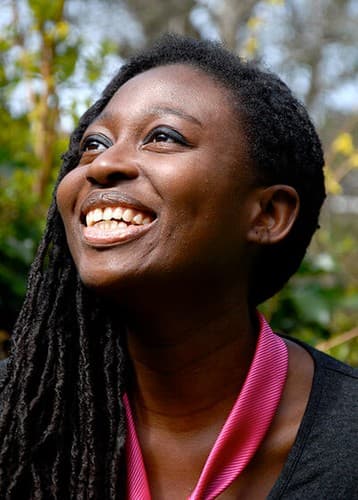
Helen Oyeyemi FRSL is a British novelist and writer of short stories.







