“The wind was a living thing, pushing against her, trying to tell her something she didn't want to hear.”
— Early in the book, describing the weather and protagonist's internal state.

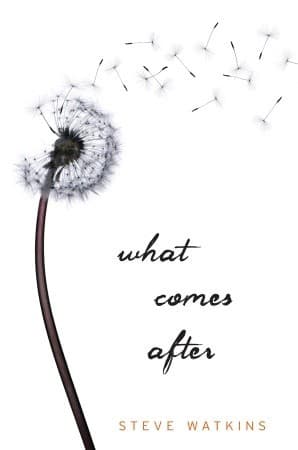
Steve Watkins (2011)
Genre
Young Adult
Reading Time
334 min
Key Themes
See below
Sign in to track this book
After her father's death, a vegetarian teen finds solace and the strength to confront her abusive aunt through the animals she loves, ultimately freeing herself and a pair of goats from a harsh North Carolina farm.
Sixteen-year-old Iris Wight is reeling from her beloved veterinarian father's sudden death and the loss of her Maine home. With no other family, she is sent to live on a run-down farm in North Carolina with her Aunt Sue, a gruff woman she barely knows, and her cousin, Book, a large and quiet boy. Iris, a vegetarian and animal lover, is immediately upset by the farm's conditions, where animals are kept in poor health and treated badly. Her aunt's coldness and the sharp contrast to her old life leave Iris feeling alone and angry, setting the stage for immediate conflict.
Life on Aunt Sue's farm quickly becomes a daily struggle for Iris. Her vegetarianism is mocked, and she is made to do chores involving animal care, which she finds upsetting given her aunt's rough methods. Aunt Sue shows no care for the animals, often neglecting them and using physical force. Iris, used to her father's gentle way with animals, secretly tries to give them better care, especially a pregnant goat named Daisy and her kids. This hidden rebellion increases the tension between Iris and her aunt, as Iris feels she must protect the animals.
Iris starts to notice that Aunt Sue is not only neglecting the farm animals but also mismanaging Iris's small inheritance from her father. Aunt Sue spends the money on things for herself, while the farm falls apart, and the animals suffer from lack of proper food and medical care. Iris feels a growing sense of betrayal and helplessness. She also finds her father's journal, full of his thoughts and vet notes. This connects her to him and strengthens her resolve to care for the animals herself, despite her aunt's control.
The breaking point comes when Aunt Sue announces she will slaughter two young goat kids, Daisy's children, for meat. Horrified, Iris acts on instinct and releases the goats into the woods, hoping to save them. This act of defiance enrages Aunt Sue. When she discovers the empty pen, she confronts Iris in a fit of uncontrolled anger. In a shocking act of violence, Aunt Sue orders her son, Book, to beat Iris. Book, despite his usual quiet nature, obeys, and Iris suffers a brutal beating that leaves her badly hurt.
The beating Iris endures leads to authorities stepping in. Aunt Sue and Book are arrested, and Iris is taken from the farm. She is placed with an unconventional but kind foster family, the Millers, who live in a house full of ferrets. This new environment is a sharp contrast to the farm, offering Iris a safe place to begin healing physically and emotionally. However, despite her relief at escaping Aunt Sue, Iris remains deeply worried about the animals left behind on the farm, feeling a responsibility she cannot shake.
Living with the Millers, Iris slowly begins to heal from her physical wounds and the emotional trauma of the abuse. Mrs. Miller, a kind and understanding woman, provides a nurturing environment, while Mr. Miller's quirky love for his ferrets, which he calls 'dooking,' offers a welcome distraction. Iris initially struggles to connect, but the gentle nature of the ferrets and the Millers' steady support gradually help her to open up and process her grief and anger. She starts to find a sense of belonging she had not felt since her father's death.
Despite her new safety, Iris is tormented by thoughts of the animals still on Aunt Sue's farm. She knows they are likely neglected and suffering without anyone to care for them. The memory of her father's dedication to animal welfare, along with her own deep care, makes her act. She tells the Millers about her concerns, wanting to return to the farm, even if it means facing traumatic memories and possibly her aunt, who is now out on bail awaiting trial. Her commitment to the animals is stronger than her fear.
With the Millers' understanding and support, Iris plans to visit the farm regularly to care for the animals. The Millers go with her, providing a buffer against Aunt Sue, who is now back on the farm. These visits are tense. Aunt Sue remains hostile and shows no regret, making Iris's task difficult and emotionally draining. However, Iris finds new purpose in caring for the neglected creatures, especially Daisy and her surviving kid. She discovers that Book, now out of jail, is also quietly trying to help the animals, showing a hidden kindness within him.
During her visits, Iris starts to understand more about her family's difficult past and why Aunt Sue is bitter. She learns that Book, despite helping with the beating, is not naturally bad but a result of his mother's harsh upbringing and manipulation. He shows subtle signs of regret and a quiet love for animals, like Iris. This understanding makes Iris's feelings towards him more complex, moving beyond simple anger to a more nuanced view of his character and the hard life he faces.
The trial of Aunt Sue and Book for assault happens. Iris gives her testimony, bravely telling about the beating. Aunt Sue is found guilty and sent to prison. Book receives a lighter sentence, showing his forced involvement. While the conviction brings some justice and closure for Iris, it does not erase the trauma. The farm and its animals are left in a difficult situation. Iris realizes that her journey of healing and helping animals is far from over, and she must continue to fight for their well-being.
With Aunt Sue in prison, the future of the farm and its animals is unclear. Iris, supported by the Millers, looks for ways to ensure the animals are cared for properly. She finds a surprising ally in Book, who, free from his mother's influence, starts to actively help with the animals' care, showing a real desire to help. Together, they work to improve the farm's conditions, following the compassionate veterinary practices her father taught her. This cooperation marks a fragile but hopeful step towards healing and redemption for both cousins and the neglected farm.
As Iris continues to care for the farm animals, she fully embraces her love for animal welfare. She not only ensures their physical health but also speaks up for their rights and well-being in the community. The trauma she endured becomes a reason for her purpose. With the Millers' continued guidance and Book's quiet support, Iris begins to make a new path for herself, one where she can honor her father's legacy and use her experiences to make a difference. She finds her voice, not just for herself, but for those who cannot speak.
The Protagonist
Iris transforms from a grieving, passive victim into a strong, vocal advocate for animal welfare, finding her purpose and healing through her actions.
The Antagonist
Aunt Sue remains largely static, unable to escape her bitterness, ultimately facing legal consequences for her actions.
The Supporting
Book slowly emerges from his mother's shadow, revealing a hidden compassion and becoming a quiet ally to Iris, beginning his own path to redemption.
The Supporting
They remain steadfast in their support, providing a stable foundation for Iris's growth and healing.
The Mentioned
His influence, though posthumous, guides Iris's development and choices, representing a moral ideal.
The Supporting
Daisy's story reflects the larger narrative of animal suffering and the hope for rescue and care.
Animals are central to the characters' healing and growth. Iris's deep connection with animals, fostered by her veterinarian father, helps her through grief and abuse. The neglected farm animals, especially Daisy and her kids, give Iris a purpose and a reason to fight her aunt's cruelty. The Millers' ferrets, with their playful nature, offer gentle comfort that helps Iris process her trauma and begin to trust again. This theme shows how caring for and being with animals can heal emotional wounds and inspire strength.
“My dad used to say, 'Animals don't judge. They just need love.'”
Iris's journey shows the human spirit's ability to endure and overcome great suffering. After losing her father, her home, and then facing physical and emotional abuse from her aunt, Iris could easily give in to despair. However, her natural kindness and her commitment to the vulnerable animals on the farm fuel her strength. She finds the courage to stand up to her abuser, seek help, and eventually dedicate herself to a cause greater than herself, turning her trauma into a source of strength and advocacy. Her ability to recover and find purpose is central to the story.
“Even when everything else was falling apart, the animals needed me. That was enough.”
The novel explores the complex and often painful relationships within families, especially through abuse and neglect. Aunt Sue represents a destructive form of family power, using her position to control and harm Iris and Book. The story looks at how abuse can repeat and how victims, like Book, can be forced to cause harm. In contrast, the Millers show a healthier, more loving family model, proving that family can be found in unexpected places and is defined by care and support, not just blood ties. This theme questions common ideas of family and highlights the lasting impact of both harm and healing within family structures.
“Some families are like fences, meant to keep you safe. Others are just meant to keep you in.”
Initially, Iris is a quiet, grieving girl who feels powerless. Her experiences on the farm, however, force her to confront unfairness and find her inner strength. Her decision to free the goats, her testimony in court, and her later commitment to caring for the farm animals are all steps in her journey to finding her voice. Her purpose changes from just surviving to actively speaking up for those who cannot speak for themselves. This theme highlights that personal trauma can lead to meaningful action and that discovering one's purpose can be a strong act of self-empowerment and healing.
“I realized then that my voice wasn't just for me. It was for them, too.”
Animals represent vulnerability, innocence, and a path to healing and purpose.
The animals in the story, from Iris's father's patients to the neglected farm animals and the Millers' ferrets, serve as powerful symbols. The abused farm animals, particularly Daisy, symbolize the innocent and vulnerable who suffer silently, mirroring Iris's own plight. Caring for them gives Iris a tangible purpose and a way to channel her grief and anger into positive action. The ferrets, with their quirky 'dooking' and gentle nature, symbolize unconditional love and the therapeutic power of companionship, helping Iris to heal emotionally and physically. They represent the core values of empathy and care that Iris embodies.
A physical link to Iris's past, providing guidance and reinforcing her values.
Iris's discovery of her deceased father's journal is a crucial plot device. It serves as a tangible connection to her past and to the loving, ethical upbringing she received. The journal, filled with his veterinary notes and personal reflections, reinforces Iris's own compassionate values and gives her practical knowledge about animal care. It acts as a guide and a source of comfort, reminding her of her father's legacy and inspiring her to continue his work, even in the harshest of circumstances. It provides a moral compass when she feels lost and alone.
The stark differences between Iris's homes highlight themes of safety, abuse, and belonging.
The novel effectively uses contrasting environments to underscore its themes. Iris's idyllic life in Maine with her veterinarian father, characterized by love and respect for animals, is sharply contrasted with the harsh, abusive reality of Aunt Sue's dilapidated North Carolina farm. This contrast immediately establishes the stakes and Iris's profound loss. Later, the Millers' warm, eccentric home, filled with ferrets and unconditional support, provides another stark contrast to the farm, representing a safe haven and a path to healing. These environmental shifts visually and emotionally reinforce Iris's journey from trauma to recovery and purpose.
Provides intimate access to Iris's thoughts, feelings, and trauma.
The story is told from Iris's first-person perspective, which is vital for conveying the depth of her grief, fear, and resilience. This narrative choice allows readers to experience her emotional turmoil directly, making her struggles with abuse, her longing for her father, and her unwavering commitment to the animals deeply personal and impactful. It fosters empathy and understanding, allowing the reader to witness her internal growth and the subtle shifts in her perception of herself and the world around her, particularly as she processes trauma and finds her voice.
“The wind was a living thing, pushing against her, trying to tell her something she didn't want to hear.”
— Early in the book, describing the weather and protagonist's internal state.
“Sometimes you have to break things to see what's inside.”
— A character reflecting on destructive behavior and discovery.
“Grief was a thief, not just of people, but of time, of joy, of the future you thought you had.”
— Protagonist's internal monologue about loss.
“The hardest part wasn't falling; it was hitting the ground and realizing you had to get back up.”
— A character reflecting on resilience after a setback.
“Silence could be louder than any scream, especially when it was the silence of something missing.”
— Describing the absence of a loved one.
“The past wasn't a place you could visit; it was a shadow that followed you, always just behind your shoulder.”
— Protagonist's struggle to move on from past events.
“Hope was a dangerous thing, a tiny spark that could either light a fire or burn you to ashes.”
— A character's cynical view on hope amidst difficult circumstances.
“You can't outrun what's inside you, no matter how fast you go.”
— A character confronting internal struggles.
“The world keeps turning, even when yours feels like it's stopped.”
— Observing the indifference of the world to personal tragedy.
“Sometimes the only way to find your way back is to get completely lost first.”
— A character's journey of self-discovery.
“Secrets were like splinters; they festered if you didn't pull them out.”
— Reflecting on the burden of hidden truths.
“It wasn't about forgetting, but about remembering differently.”
— A character coming to terms with a painful memory.
“The future was a blank page, and for the first time, that didn't feel terrifying.”
— Protagonist finding peace and looking forward.
Ready to see how well you understood this book? Take our interactive quiz with 10 questions.

Biography coming soon.