“The war had taken so much, but it had also given us a chance to truly live.”
— One of the women reflects on the unexpected positive outcomes amidst the devastation of WWII.

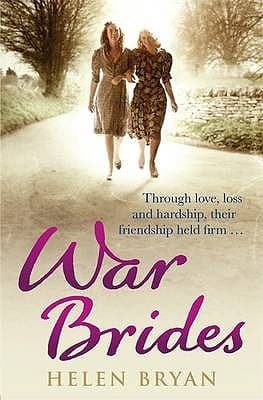
Helen Bryan (2007)
Genre
Historical Fiction / Romance
Reading Time
10-12 hours
Key Themes
See below
Sign in to track this book
Four women from different backgrounds are evacuated to an English village during World War II, where they form a lasting bond through shared wartime experiences and unexpected romance.
In summer 1940, with Nazi invasion threatening Britain, four young women are evacuated to Crowmarsh Priors. Lucy, a naive but determined girl from London's East End, arrives with her younger brother, Bert. Elsie, a sophisticated woman from a wealthier background, is also billeted in the village. Tanni, a German-Jewish refugee, comes for safety, carrying her past. Sarah, a quiet woman with a secret, joins the new arrivals. Assigned to different homes, their paths soon cross, setting the stage for new friendships and difficulties.
The evacuees find village life very different from their old lives. Lucy, used to London's busy streets, finds the quiet village stifling and misses her family. Elsie, used to privilege, struggles with her billet's strict rules and daily chores. Tanni, though grateful for safety, faces suspicion and anti-German feelings from some villagers, making her feel alone. Sarah, always watching, tries to fit in while observing everything. They all encounter the village's old customs and sometimes narrow views, leading to initial problems and a sense of displacement for each.
Despite early difficulties, the women slowly connect. Lucy, with her strong spirit, finds common ground with Elsie, who is lonely beneath her cool exterior. Tanni, though reserved, begins to open up to Lucy, sharing parts of her painful past. Sarah, watching the others, offers quiet support and advice. They bond over shared tasks, like farm work, and the general anxiety of wartime. These early interactions build the foundation for deeper friendships, as they realize they are all in a similar situation, far from home and facing an uncertain future together in Crowmarsh Priors.
As the women settle into Crowmarsh Priors, romances begin. Lucy develops a close relationship with Tom, a kind local farmhand. Elsie, despite her initial skepticism, is drawn to a charming but somewhat unreliable American pilot. Tanni, though cautious, finds a tentative connection with a quiet local man who sees past her refugee status. Sarah also considers a future with a man she meets. However, the uncertainties of war, societal expectations, and personal secrets complicate these new relationships, bringing both happiness and the constant threat of separation and loss.
The war, at first a distant threat, begins to directly affect Crowmarsh Priors. Air raids become more common, bringing the fear of bombs to their village. News of casualties arrives, deeply affecting the community. The men they care for are called to fight, leading to sad goodbyes and the constant fear of bad news. Lucy faces the chance of Tom being deployed, while Elsie deals with her pilot's casual affections. Tanni's past in Germany haunts her, and Sarah's secret becomes harder to keep under wartime pressure. Each woman must confront the harsh realities of conflict and its personal cost.
Under wartime stress, the women's hidden pasts start to emerge. Sarah's significant and painful secret, carried for years, is slowly revealed, forcing her to face her past and others' judgments. Tanni's experiences in Nazi Germany are shared in more detail, showing her trauma and strength. Elsie's privileged background and reasons for evacuation become clearer, revealing a more vulnerable side. These revelations create tension but ultimately lead to deeper understanding and stronger bonds among the women as they support each other through individual struggles and accept their imperfections.
As the war continues, each woman faces unique difficulties. Lucy, despite her youth, takes on more responsibilities, showing surprising strength. Elsie must shed her superficiality and learn self-reliance, making hard choices about her future and relationships. Tanni deals with survivor's guilt and longing for a home she cannot return to, but finds purpose in her new life. Sarah confronts the results of her past actions, seeking forgiveness and a way forward. They all make personal sacrifices, adapting to a changed world, and proving their strength in the face of great change.
Finally, the war ends, bringing relief but also the task of rebuilding lives. The men return, some changed, others not. Lucy and Tom's relationship faces new challenges as they plan their post-war life. Elsie makes a clear choice about her romantic future and independence. Tanni must decide whether to stay in England or seek a new path, forever changed by her experiences. Sarah finds some peace and a chance at a new beginning. The women, though no longer defined only by their shared time as evacuees, carry the lasting marks of the war and their time together in Crowmarsh Priors.
As the world slowly returns to normal, the women start their individual post-war lives. Lucy and Tom work to build a life together, facing the economic challenges and social changes of the time. Elsie finds new purpose and independence, pursuing a career and creating her own path, different from her pre-war expectations. Tanni, having found peace and belonging, makes a life for herself in England, honoring her past while looking to her future. Sarah, having faced her past, finds quiet contentment and a chance at happiness. Though their paths separate, the deep friendships made in Crowmarsh Priors remain a powerful and lasting force in their lives, showing their shared history and support.
Many years later, the four women, now older, reunite. This reunion is a time of reflection, as they look back on their time in Crowmarsh Priors and how the war and their shared experiences affected them. They share stories of their lives, joys, and sorrows, confirming the strong bond they formed during a time of great uncertainty. The reunion highlights the lasting power of female friendship, strength, and how extraordinary events can bring different lives together to create a meaningful connection.
The Protagonist
Lucy transforms from a naive city girl into a resilient and self-reliant woman, finding love and purpose amidst the chaos of war.
The Protagonist
Elsie evolves from a cynical, privileged woman to an independent, empathetic individual who finds her own path.
The Protagonist
Tanni, a traumatized refugee, slowly heals and finds a new home and purpose, embracing connection and belonging.
The Protagonist
Sarah confronts her secret past, finding redemption and a chance at a new, honest life through the bonds of friendship.
The Supporting
Tom remains a constant, supportive presence, adapting to wartime demands and building a future with Lucy.
The Supporting
Bert experiences the war through a child's eyes, growing up under Lucy's care.
The Supporting
Mrs. Finch's initial skepticism towards evacuees slowly gives way to understanding and a grudging acceptance.
The novel shows how people can endure and adapt during extreme hardship. Lucy, Elsie, Tanni, and Sarah, each facing personal pain and the fear of war, show great strength. Lucy's change from a naive girl to a responsible young woman, Tanni's ability to find hope after loss, Elsie's shedding of superficiality, and Sarah's courage in facing her past all demonstrate this. Their ability to find joy, love, and friendship amidst chaos shows the lasting power of the human spirit.
“They had lost so much, yet somehow, they found a way to carry on, to build, to love, even in the shadow of war.”
At its heart, 'War Brides' celebrates the strong bonds that form between women. Despite their very different backgrounds and early struggles, Lucy, Elsie, Tanni, and Sarah create a strong sisterhood. They offer each other emotional support, understanding, and a sense of belonging when they are far from home and facing huge difficulties. Their shared experiences, secrets, and successes strengthen a bond that goes beyond the war itself, proving to be crucial for their survival and growth. This friendship offers a strong contrast to the isolation and fear of wartime.
“In each other, they found a reflection of their own strength, a comfort against the encroaching darkness.”
The theme of loss appears throughout the story, from the physical loss of homes and loved ones to the emotional loss of innocence and certainty. All four women experience displacement, both as evacuees and as their lives are disrupted. Tanni's story, in particular, shows the devastating impact of forced displacement and the loss of family and cultural identity. The constant threat of wartime deaths, separation from loved ones, and destruction of familiar ways of life all add to this sense of loss, forcing the characters to grieve and rebuild.
“The war had taken so much, leaving behind an ache that never quite faded, but also a fierce determination to cherish what remained.”
The novel explores the different kinds of prejudice the evacuees face, especially Tanni as a German-Jewish refugee. Some villagers show suspicion and xenophobia, highlighting the challenges of acceptance in a small community during wartime. Elsie also faces judgment due to her privileged background, and Sarah's secret leads to social disapproval. Conversely, the theme also explores how these biases can be overcome through understanding and shared humanity. The women's ability to accept each other despite their differences contrasts with the initial biases they encounter.
“It was easy to judge from a distance, but harder when you looked into someone's eyes and saw their truth.”
Beyond the battles, the novel details how World War II affected every part of civilian life. It shows rationing, air raids, constant anxiety, and the social changes caused by the conflict. The war forces women into new roles, breaks down class barriers, and speeds up personal growth. It is not just a background but an active force shaping the characters' decisions, relationships, and futures, showing how a global conflict had deeply personal and lasting effects on individuals and communities like Crowmarsh Priors.
“The war was not just on distant battlefields; it was in their kitchens, in their hearts, in every rationed meal and every whispered prayer.”
The story is told through the alternating viewpoints of the four main protagonists.
The novel employs a multiple perspective narrative, rotating between the viewpoints of Lucy, Elsie, Tanni, and Sarah. This allows the reader to gain deep insight into each woman's individual experiences, thoughts, and emotional journeys. It highlights their unique backgrounds and personalities while simultaneously emphasizing their shared humanity and the common challenges they face. This device also helps to build suspense around individual character secrets and allows for a more comprehensive and nuanced understanding of the war's impact on different facets of society.
Hints and clues are dropped about future events and character secrets.
Foreshadowing is used throughout the novel to build suspense and hint at impending events or revelations. This can be subtle, such as Tanni's guardedness hinting at her traumatic past, or Sarah's quiet watchfulness suggesting a significant secret. It also appears in references to the escalating war, preparing the reader for the inevitable impact of air raids or news from the front. This device keeps the reader engaged, prompting them to anticipate what will happen next and how the characters' lives will be further complicated by their pasts and the ongoing conflict.
The village represents both refuge and confinement, tradition and change.
The village of Crowmarsh Priors serves as a powerful symbol in the novel. Initially, it represents a safe haven from the bombing of London, a place of refuge and peace. However, it also symbolizes the confinement and insularity of traditional rural life, with its prejudices and slow pace, which challenges the evacuees. As the war progresses, the village transforms, becoming a crucible where disparate lives are forged into a community, adapting to external pressures while still holding onto its core identity. It embodies the tension between old ways and the inevitable changes brought by war.
Correspondence and news reports serve as a vital link to the outside world and the war.
Letters from family members, news reports from the BBC, and telegrams serve as crucial plot devices, connecting the characters in Crowmarsh Priors to the distant battlefronts and their former lives. These communications are often sources of both hope and anxiety, bringing news of loved ones, reports of victories or losses, and updates on the war's progress. They underscore the characters' feelings of helplessness and the constant dread of bad news, while also providing moments of connection and a sense of the broader historical context in which their personal stories unfold.
“The war had taken so much, but it had also given us a chance to truly live.”
— One of the women reflects on the unexpected positive outcomes amidst the devastation of WWII.
“Love wasn't a luxury; it was a necessity, especially when the world was falling apart.”
— A character contemplates the importance of emotional connection during wartime.
“We were war brides, yes, but first and foremost, we were women, with dreams and fears and strength.”
— One of the protagonists asserts their identity beyond the label of 'war bride'.
“Home wasn't a place on a map; it was where your heart finally settled, even if it was across an ocean.”
— A bride grapples with the concept of home after moving to a new country.
“The future was a blank page, terrifying and exhilarating all at once.”
— A character looks ahead to post-war life and the uncertainties it holds.
“Grief was a heavy cloak, but friendship was the hand that helped you cast it off, even for a moment.”
— The bond between the women helps one cope with loss.
“Sometimes, the bravest thing you could do was simply keep going.”
— A character reflects on resilience in the face of ongoing hardship.
“The silence after the bombs was almost as deafening as the explosions themselves.”
— Describing the aftermath of an air raid.
“You could build a new life, brick by brick, even from the rubble of the old one.”
— A metaphor for rebuilding and starting anew after significant loss.
“It wasn't about forgetting the past, but learning to live with it, carrying its lessons forward.”
— A character's philosophy on moving on from traumatic experiences.
“The strength of a woman was often underestimated, especially by men.”
— A commentary on gender perceptions during the era.
“We found solace in each other's stories, proof that we weren't alone in our strange new world.”
— The shared experiences of the war brides create a strong bond.
“Every goodbye felt like a small death, especially when you didn't know if you'd ever say hello again.”
— The emotional toll of wartime separations and farewells.
“Sometimes, the greatest adventure was simply daring to hope.”
— A reflection on maintaining optimism in difficult times.
Ready to see how well you understood this book? Take our interactive quiz with 10 questions.







