BookBrief
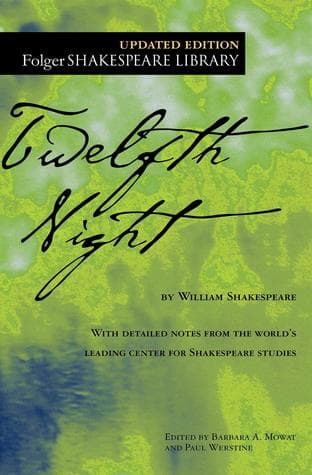
Twelfth Night cover
Archivist's Choice

Twelfth Night

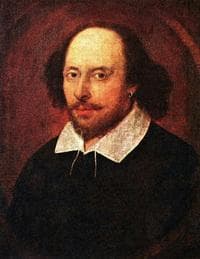
William Shakespeare (2001)

Genre

Historical Fiction / Mystery / Romance

Reading Time

12 Minutes

Key Themes

See below

Track Your Reading

Sign in to track this book

A shipwrecked twin's disguise as a male page ignites a chaotic love triangle between a lovesick duke, a mourning countess, and a puritanical steward.

Synopsis

In the vibrant land of Illyria, a shipwreck separates twin siblings Viola and Sebastian, each believing the other lost to the sea. Viola, resourceful and quick-witted, adopts the disguise of a young man named Cesario and enters the service of Duke Orsino, who pines for the Countess Olivia. Orsino dispatches 'Cesario' to woo Olivia on his behalf, but fate intervenes when Olivia unexpectedly falls in love with the disguised Viola. This love triangle is further complicated by Olivia's pretentious steward, Malvolio, and the bumbling Sir Andrew Aguecheek, both vying for her hand. As mistaken identities, unrequited affections, and comedic misunderstandings intertwine, the play explores themes of love, gender, class, and the folly of human desire, all leading to a joyful, if chaotic, resolution when the twins are finally reunited and true loves are revealed.
Difficulty
Medium
Pacing
Moderate
Mood
Humorous, Romantic, Witty, Playful, Comedic

Plot Summary

A Shipwreck and a New Identity

The play starts with Duke Orsino expressing his sadness over his unrequited love for Countess Olivia. Meanwhile, off the coast of Illyria, Viola's ship wrecks, and she believes her twin brother, Sebastian, has drowned. With the Captain's help, Viola decides to dress as a young man named Cesario and work for Duke Orsino. Her immediate goal is to survive and remain anonymous in a foreign land, but her disguise begins a series of mistaken identities and romantic problems. Orsino quickly accepts her into his household, impressed by her wit and charm, and she becomes his trusted confidant and messenger.

Orsino's Messenger of Love

Duke Orsino, obsessed with Olivia, asks his new page, Cesario (Viola), to deliver his passionate declarations of love to the Countess. Olivia has promised to mourn her brother's death for seven years, rejecting all suitors, including Orsino. Despite her initial reluctance to see any messengers, she eventually grants Cesario an audience. Viola, disguised as a man, eloquently argues Orsino's case, but her genuine charm and intelligence unintentionally captivate Olivia, who finds herself drawn to the young 'man.' This sets up a classic love triangle.

Olivia's Sudden Affection

After Cesario's visit, Olivia is completely smitten. Overwhelmed by her unexpected feelings, she invents an excuse to send her steward, Malvolio, after Cesario with a ring, claiming Cesario left it behind. This is a clear attempt to make more contact and express her growing affection. Cesario (Viola) is confused by this, realizing her awkward position: she loves Orsino, Orsino loves Olivia, and now Olivia loves her male disguise. This complex web of unrequited and misdirected love is the main comedic conflict.

Malvolio's Grand Delusions

Meanwhile, in Olivia's house, Sir Toby Belch, Olivia's uncle, and Sir Andrew Aguecheek, a foolish suitor, drink and cause trouble, much to the annoyance of Malvolio, Olivia's strict and self-important steward. Maria, Olivia's clever waiting-gentlewoman, plans a prank to humiliate Malvolio. She forges a love letter in Olivia's handwriting, telling Malvolio to wear yellow stockings, cross-gartered, smile constantly, and be rude to Sir Toby's friends—all behaviors Olivia dislikes. The conspirators, including the clown Feste, look forward to Malvolio's public humiliation.

Sebastian's Survival and Arrival

Unknown to Viola, her twin brother, Sebastian, survived the shipwreck. He is rescued by a kind sea captain named Antonio, who becomes very fond of him. Sebastian, believing Viola is lost, travels to Illyria, unaware his sister is already there in a complicated romantic mess. Antonio, despite being wanted in Illyria due to a past conflict with Orsino's forces, insists on accompanying Sebastian, showing his strong loyalty. Their arrival adds more potential confusion and resolution to the unfolding plot.

Malvolio's Humiliation

Malvolio, completely fooled by the forged letter, follows its instructions precisely. He appears before Olivia in ridiculous yellow stockings, cross-gartered, and with a constant, foolish smile, while also being rude to Sir Toby and Feste. Olivia, bewildered and worried about his sanity, thinks he has gone mad. The conspirators use this chance to torment him further, convincing Olivia he is possessed. They then lock him in a dark room, treating him as a lunatic, to Malvolio's distress and the conspirators' delight.

A Duel and a Case of Mistaken Identity

Sir Andrew Aguecheek, encouraged by Sir Toby, becomes jealous of Olivia's affection for Cesario and is persuaded to challenge 'him' to a duel. Both Cesario (Viola) and Sir Andrew are reluctant fighters, resulting in a comically clumsy fight. At this moment, Antonio, seeing Cesario and mistaking 'him' for Sebastian, steps in to protect 'his' friend. When officers arrive to arrest Antonio for past offenses, he asks Cesario for money, thinking it is Sebastian. Viola, knowing nothing of Antonio, is confused, and Antonio feels betrayed, showing the increasing confusion caused by the twins' resemblance.

Sebastian's Confusion and Marriage

Sebastian, wandering through Illyria, is approached by Feste and Sir Toby, who mistake him for Cesario. After a brief scuffle, Olivia appears and, also mistaking Sebastian for Cesario, expresses her intense love and invites him to marry her. Sebastian, confused but charmed by Olivia's beauty and sudden proposal, and with no reason to refuse such a good match, readily agrees. A priest is quickly brought, and Olivia and Sebastian are secretly married, further complicating the already tangled romantic web and setting the stage for the climactic revelations.

The Twins Reunited

The final act brings all the characters together. Orsino, Olivia, Cesario (Viola), and Sebastian are all present. Orsino arrives at Olivia's house, demanding an explanation for her continued rejection. Olivia, believing Cesario is her husband, calls 'him' husband, shocking Orsino. The confusion reaches its peak when Sebastian appears, leading to complete bewilderment. When Viola and Sebastian finally stand side-by-side, their identical appearance resolves all the mistaken identities. They joyfully recognize each other, confirming their survival and revealing Viola's true gender.

Resolutions and Marriages

With Viola's identity revealed, the love triangles untangle. Orsino, realizing he has fallen in love with Viola during her time as Cesario, proposes to her, and she accepts. Olivia is happily married to Sebastian. Sir Toby marries Maria, acknowledging her cleverness in the Malvolio prank. Malvolio is released from his imprisonment, and upon learning of the trick, vows revenge, though his pleas are largely dismissed amidst the general merriment. The play ends with a sense of restored order and happiness, celebrating love's triumph and the resolution of all misunderstandings.

Principal Figures

Viola

The Protagonist

Viola begins as a vulnerable survivor and, through her disguise and experiences, grows into a confident woman who ultimately finds love and reveals her true self.

Duke Orsino

The Protagonist

Orsino evolves from a self-absorbed lover of an ideal to someone who recognizes and accepts genuine affection, finding true love with Viola.

Countess Olivia

The Protagonist

Olivia moves from self-imposed isolation and mourning to embracing love, albeit initially for the wrong person, eventually finding happiness with Sebastian.

Sebastian

The Supporting

Sebastian arrives in Illyria as a lost wanderer and, through a series of mistaken identities, unexpectedly finds love and a new life.

Malvolio

The Antagonist

Malvolio's pride and ambition lead to his public downfall and humiliation, leaving him bitter and vengeful.

Sir Toby Belch

The Supporting

Sir Toby remains largely static, consistently pursuing pleasure and pranks, but ultimately finds a companion in Maria.

Maria

The Supporting

Maria uses her intelligence and wit to orchestrate Malvolio's downfall and is rewarded with marriage to Sir Toby.

Feste

The Supporting

Feste remains a consistent, insightful commentator, observing the folly of others without significant personal change.

Sir Andrew Aguecheek

The Supporting

Sir Andrew remains a static, foolish figure, consistently manipulated and ultimately unsuccessful in his romantic pursuits.

Antonio

The Supporting

Antonio's unwavering loyalty to Sebastian leads him into danger, but he ultimately sees his friend happily settled.

Themes & Insights

Love and Its Various Forms

The play explores the many forms of love, from passionate obsession (Orsino's initial love for Olivia) to genuine affection (Orsino's eventual love for Viola), and from self-love (Malvolio) to sibling love (Viola and Sebastian). It shows how love can be blind, mistaken, unrequited, or deeply life-changing. The play ultimately favors a more mature and mutual form of love, where real connection overcomes superficial attraction or self-delusion. It suggests that true love often comes from unexpected places and through shared experience.

If music be the food of love, play on; Give me excess of it, that, surfeiting, The appetite may sicken, and so die.

Duke Orsino

Mistaken Identity and Deception

Mistaken identity, mainly through Viola's disguise as Cesario and the identical appearance of the twins, drives the comedic plot. This device creates confusion, humor, and dramatic irony, allowing characters to express feelings they otherwise wouldn't. The deception shows how easily appearances can mislead and how superficial judgments can be. It makes characters look beyond outward forms to recognize true affection and character, leading to a clearer understanding of themselves and others once the disguises are gone.

Disguise, I see, thou art a wickedness, Wherein the pregnant enemy does much.

Viola

Social Order and Class

The play examines social hierarchies and the desire to rise above one's station. Malvolio's strict nature and his wish to marry Olivia stem from his ambition for social advancement and his scorn for those below him. His humiliation is a warning against excessive pride and disrupting established social norms. Conversely, Viola, though disguised as a low-ranking page, shows a noble character that goes beyond her assumed status. This suggests that true worth is more than inherited titles or wealth.

I may command where I adore.

Malvolio (misinterpreting Olivia's supposed affection)

Folly and Wisdom

Twelfth Night contrasts characters who act foolishly (Sir Andrew, Sir Toby when drunk, Malvolio in his self-delusion) with those who have real wisdom, often surprisingly found in the 'fool' Feste. Feste's witty observations and songs often offer deep insights into the human condition, showing the irrationality of love, the vanity of pride, and the fleeting nature of joy and sorrow. The play suggests that true wisdom often comes from a detached, observational view, rather than from strictly following rules or being self-important.

Better a witty fool than a foolish wit.

Feste

Gender and Performance

Viola's disguise as Cesario is central to the exploration of gender roles and how they are performed. By acting as a man, Viola gains a unique perspective on male privilege and the dynamics of courtship, while also revealing how gender itself is a performance. Her disguise allows her to form deep emotional connections that go beyond traditional gender expectations. The play playfully suggests that gender can be fluid and that outward appearances do not always reflect inner identity, leading to both comedic confusion and genuine self-discovery.

I am not what I am.

Viola (as Cesario)

Plot Devices & Literary Techniques

Disguise

Viola's male disguise as Cesario.

Viola's disguise as the eunuch 'Cesario' is the primary engine of the plot, creating the central love triangle and all the subsequent mistaken identities. It allows Viola to enter Orsino's service and observe the world from a male perspective, while simultaneously generating dramatic irony and comedic confusion as Olivia falls in love with 'him' and Orsino unknowingly confides his love for Olivia to the woman who loves him. The disguise ultimately serves to untangle the romantic knots when it is finally removed.

Mistaken Identity

The identical appearance of the twins, Viola and Sebastian.

The identical appearance of the separated twins, Viola and Sebastian, is a classic comedic device that fuels the play's central conflicts. It leads to Olivia's proposal to Sebastian (mistaking him for Cesario), Antonio's confusion and feeling of betrayal, and the general bewilderment of the characters. This device creates hilarious misunderstandings and heightens the dramatic tension, ultimately serving as the key to resolving all the romantic entanglements and bringing about the happy ending.

The Forged Letter

Maria's prank letter to Malvolio.

The forged letter, written by Maria in Olivia's hand, is a crucial plot device used to humiliate Malvolio. It exploits his vanity and ambition, leading him to adopt ridiculous behaviors (yellow stockings, cross-gartered, constant smiling) that Olivia despises. This device not only provides much of the play's low comedy but also serves to expose Malvolio's hypocrisy and self-importance, ultimately leading to his imprisonment and further solidifying the bond between the conspirators.

Soliloquy

Characters revealing inner thoughts to the audience.

Characters like Viola and Malvolio frequently deliver soliloquies, directly addressing the audience and revealing their inner thoughts, feelings, and secret plans. This device provides crucial exposition (Viola's realization of Olivia's love), builds dramatic irony (Malvolio's delusional fantasies), and allows the audience to understand motivations that are hidden from other characters, thereby enhancing the comedic effect and emotional depth of the play. It deepens the audience's connection to the characters' plights and triumphs.

Critical analysis

Notable Quotes

Quiz

Test Your Knowledge

Ready to see how well you understood this book? Take our interactive quiz with 10 questions.

10
Questions
~5
Minutes
?
Best Score

Key Questions (FAQ)

Twelfth Night is a romantic comedy by William Shakespeare involving twins, Viola and Sebastian, separated by a shipwreck. Viola disguises herself as a man named Cesario and enters the service of Duke Orsino, who is in love with Countess Olivia. The plot thickens when Olivia falls in love with Cesario, leading to a series of mistaken identities and romantic entanglements.

About the author

William Shakespeare

William Shakespeare was an English playwright, poet and actor. He is widely regarded as the greatest writer in the English language and the world's pre-eminent dramatist. He is often called England's national poet and the "Bard of Avon". His extant works, including collaborations, consist of some 39 plays, 154 sonnets, three long narrative poems, and a few other verses, some of uncertain authorship. His plays have been translated into every major living language and are performed more often than those of any other playwright. Shakespeare remains arguably the most influential writer in the English language, and his works continue to be studied and reinterpreted.