“The worst thing about knowing you're going to die is that you have to keep on living.”
— Holly reflects on her terminal illness diagnosis.

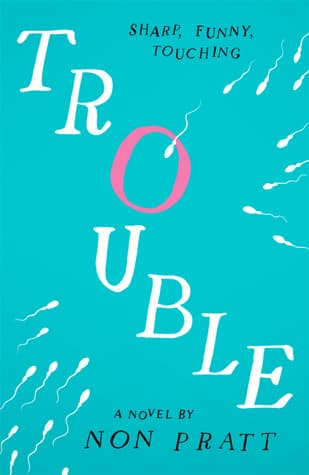
Non Pratt (2014)
Genre
Young Adult / Romance
Reading Time
635 min
Key Themes
See below
Sign in to track this book
A pregnant teen, ostracized by her school, finds an unexpected alliance and a growing romance with the new transfer student who volunteers to pretend to be her baby's father.
The story begins with Hannah Shepard in her backyard, having a public breakdown as news of her unexpected pregnancy spreads through her school via social media. Her ex-best friend, Jared, is the father, which adds to her humiliation and isolation. The only person who seems to witness her distress without judgment is Aaron Tyler, a new transfer student. Aaron, watching from a distance, feels a spark of empathy. Hannah is overwhelmed by the immediate judgment from her peers, feeling alone and exposed. This incident sets the stage for her deep need for support.
After the backyard incident, Hannah is an outcast. Aaron Tyler, having recently transferred, approaches her. He knows about her situation and, surprisingly, offers to pretend to be the father of her unborn baby. Aaron wants to make up for past mistakes and offer Hannah the support he believes she needs. Hannah, initially shocked and doubtful, is desperate and sees this as a possible way out. She reluctantly agrees, starting their unusual alliance. This decision marks a turning point for both characters.
Hannah and Aaron begin their elaborate act at school, facing intense scrutiny and gossip. Jared, the actual father, is confused and angry by Aaron's sudden appearance as the supposed father. Hannah's parents are initially bewildered but eventually accept Aaron's story, relieved their daughter is not facing this alone. Aaron's commitment to the lie is convincing, and he begins to become part of Hannah's life, attending doctor's appointments and offering emotional support. Their fake relationship starts to feel real to them, despite the deception.
As Hannah and Aaron spend more time together, Hannah notices Aaron's reserved nature and frequent absences. Bits of his past begin to surface, hinting at a significant tragedy. It slowly comes out that Aaron's family moved to this town after a car accident that killed his younger sister, Chloe. Aaron feels immense guilt, believing himself responsible. This trauma drives his desire to help Hannah, as he sees it as a way to make amends for not protecting Chloe. His past casts a long shadow over their growing friendship.
Despite the pretense, Hannah and Aaron develop a deep, real connection. They confide in each other, sharing fears, vulnerabilities, and hopes. Aaron gives Hannah steady support, shielding her from judgment and helping her with her pregnancy. Hannah, in turn, offers Aaron a safe place to process his grief and guilt over Chloe's death. Their bond goes beyond the initial agreement, becoming a strong friendship that feels more real than many of their other relationships. They find comfort and understanding in each other, becoming each other's main support system.
Jared, Hannah's ex-best friend and the baby's actual father, struggles to accept Aaron's fake role. He feels pushed aside and replaced, and his resentment toward both Hannah and Aaron grows. He begins to question Hannah and Aaron's relationship, noticing inconsistencies and a lack of real romantic chemistry. Jared's suspicions threaten to undo their carefully built lie, creating tension and conflict. He tries to confront Hannah and Aaron, wanting to expose the truth and reclaim his place in Hannah's life, or at least understand what is happening.
Driven by their growing trust, Aaron eventually tells Hannah the full, painful details of his sister Chloe's death. He recounts the circumstances of the car accident, his perceived role in it, and the overwhelming guilt that has consumed him since. This confession is a key moment in their relationship, strengthening their bond through shared vulnerability. Hannah listens with empathy, offering comfort and understanding, helping Aaron to begin processing his trauma more openly. This revelation explains Aaron's motivations and highlights his deep character and capacity for self-sacrifice.
As Hannah's pregnancy progresses and her due date nears, the pressure on both her and Aaron to maintain their deception increases. They discuss plans for after the baby's birth, including the baby's surname and how they will continue the act. The reality of parenthood, even pretend parenthood, begins to set in, bringing a mix of fear and excitement. The lie becomes more complex and harder to keep, especially as Jared's skepticism grows and the baby's arrival demands more definite answers about paternity and future arrangements. Their bond is tested by these increasing demands.
Jared, unable to keep his suspicions to himself, confronts Hannah directly. He demands the truth, pushing her to admit that Aaron is not the baby's father. Under pressure, and with the baby's birth imminent, Hannah finally confesses the truth: Jared is the real father. This revelation sends shockwaves through their small community, affecting their families and friends. Jared is hurt and angry by the deception but also overwhelmed by the reality of his impending fatherhood. The lie unravels, forcing everyone involved to face the truth and its consequences.
Hannah goes into labor and gives birth to a healthy baby girl, whom she names Mia. Jared is present at the birth, and despite earlier tensions, he begins to embrace his role as a father. Aaron remains a steady friend, supporting Hannah through the birth and immediately after. The revelation of Mia's true paternity forces a realignment of relationships. Hannah, Jared, and Aaron must all come to terms with the new family dynamic, the results of their choices, and the challenges of co-parenting and redefined friendships. The focus shifts to building a future for Mia.
After Mia's birth and the truth comes out, the characters begin the difficult process of forgiveness and acceptance. Hannah and Jared start to navigate their co-parenting relationship, learning to communicate and prioritize Mia's well-being. Aaron, no longer needing to keep the lie, continues to be a main support for Hannah, their bond becoming a deep, platonic friendship. He also begins to heal from Chloe's death, no longer burdened by the immediate need to atone. The story ends with hope, as the characters look toward a future built on honesty and genuine connection, having learned important lessons about love, friendship, and responsibility.
The Protagonist
Hannah transforms from a scared, isolated girl into a resilient and self-assured young mother, finding her voice and true strength through adversity.
The Protagonist
Aaron moves from a place of deep, self-imposed guilt and atonement to finding genuine healing and self-forgiveness through his friendship with Hannah.
The Supporting
Jared evolves from a confused and resentful ex-friend to a young man reluctantly accepting and eventually embracing his role as a father.
The Mentioned
N/A (already deceased, but her memory's impact on Aaron's arc is central).
The Supporting
She moves from shock and concern to acceptance and proactive support for Hannah and her new grandchild.
The Supporting
He provides consistent, steady support as Hannah navigates her pregnancy and early motherhood.
The Supporting
N/A (newborn), but her birth drives the resolution of the story's conflicts.
The novel explores the many sides of human connection. It challenges traditional ideas of love and friendship, showing how a bond formed from a lie can become something truly real and supportive. Hannah and Aaron's relationship, though initially fake, becomes the most genuine and vital connection in their lives. It shows that true friendship can be a form of love, offering steady support, understanding, and acceptance. This is clear in Aaron's constant presence at Hannah's appointments and his emotional support after her breakdown, and Hannah's patient listening to Aaron's tragic past.
““Maybe friendship was better than love anyway. Maybe it was more lasting. Maybe it was just…more.””
A main theme, especially through Aaron's character, is the burden of guilt and the search for atonement. Aaron's tragic past, involving his sister Chloe's death, leaves him with deep self-blame. His decision to help Hannah comes largely from a subconscious need to make amends for his perceived failure to protect Chloe. This theme shows how past traumas can shape present actions and how helping another's life can be a path to self-forgiveness. His constant care for Hannah and the baby directly shows this desire to atone.
““I knew what it was like to make a mistake that couldn’t be undone. And I knew what it was like to feel responsible for something you couldn’t fix.””
The novel clearly shows the harsh reality of social judgment, especially in a high school setting. Hannah's pregnancy immediately makes her an outcast, illustrating how quickly reputation can be broken and how isolating public shame can be. The story criticizes superficial peer perception and the harm caused by gossip and quick condemnation. It also shows how characters like Aaron defy these judgments, offering empathy and support. The initial scene of Hannah's breakdown and the subsequent whispers and stares she endures at school are clear examples.
““The thing about gossip was, it wasn’t just words. It was like a virus, spreading, infecting everything it touched.””
Both Hannah and Aaron go through important journeys of self-discovery. Hannah, forced to face unexpected motherhood, redefines who she is, moving from just a high school student to a strong, capable mother. She learns to trust her instincts and embrace her new role. Aaron, through his commitment to Hannah, begins to shed the heavy guilt that has defined him, discovering his ability for love and connection outside his past trauma. Their shared experience forces them to confront who they truly are and who they want to become. Hannah's decision to name her baby Mia, despite social pressure, shows her growing self-possession.
““I wasn’t just Hannah anymore. I was Hannah, and I was going to be a mum. And maybe, just maybe, that was enough.””
The central plot of the fake paternity highlights the complex relationship between truth and deception. While the lie initially protects Hannah from judgment, it also creates increasing complications and tension, particularly with Jared. The novel ultimately argues for the freeing power of truth, even when painful. The unraveling of the deception, though difficult, leads to real relationships, forgiveness, and the ability to move forward honestly. The relief both Hannah and Aaron feel once the truth is out, despite the immediate fallout, emphasizes this theme.
““Lies were like that. They started small, a little white lie, and then they grew, tangling themselves around everything until you couldn’t see the truth anymore.””
The story is told through the alternating viewpoints of Hannah and Aaron.
This device allows the reader intimate access to the thoughts, feelings, and motivations of both protagonists. It deepens character development, builds empathy, and provides a comprehensive understanding of the complex emotional landscape each character navigates. The alternating perspectives also build suspense, as the reader gains insight into Aaron's mysterious past and Hannah's internal struggles, often revealing information that the other character is unaware of. This dual narration is crucial for understanding the nuances of their evolving relationship and individual arcs.
Aaron's offer to pretend to be the father of Hannah's baby.
This is the central inciting incident and a key plot device that drives the entire narrative. It creates the initial conflict, establishes the unique bond between Hannah and Aaron, and sets up the dramatic tension of maintaining the lie. It serves as a catalyst for both characters' personal growth and forces them into a situation where they must rely on each other, ultimately leading to genuine connection and the eventual confrontation with the truth. This device is the engine of the story's exploration of friendship, responsibility, and deception.
The past car accident that resulted in the death of Aaron's sister, Chloe.
This backstory functions as a powerful motivator for Aaron's actions and provides crucial insight into his character. It explains his guilt, his need for atonement, and his protective instincts towards Hannah. The slow reveal of the details surrounding Chloe's death builds suspense and emotional depth, allowing the reader to understand the weight Aaron carries. It connects his personal trauma to his selfless act for Hannah, making his character more complex and sympathetic.
The rapid spread of news and gossip through social media platforms.
Social media plays a critical role in establishing the initial conflict and exacerbating Hannah's isolation. The instant dissemination of news about her pregnancy, leading to her public humiliation, underscores the pervasive and often cruel nature of digital communication in a high school environment. It highlights the theme of social judgment and the difficulty of escaping public scrutiny in the modern age, making Hannah's need for Aaron's help more urgent and understandable. It sets the tone for the challenging social landscape Hannah must navigate.
“The worst thing about knowing you're going to die is that you have to keep on living.”
— Holly reflects on her terminal illness diagnosis.
“Sometimes you have to break a few rules to figure out what the real rules are.”
— Robbie contemplates his rebellious actions.
“Being brave isn't about not being scared. It's about being scared and doing it anyway.”
— Holly encourages herself to face a difficult conversation.
“The thing about secrets is, they always find a way to get out. Eventually.”
— A general observation about the nature of hidden truths.
“You can't choose who you fall in love with. It just happens.”
— Robbie grapples with his unexpected feelings for Holly.
“Life isn't fair, but that doesn't mean you stop fighting for what you want.”
— Holly's determined outlook despite her circumstances.
“Sometimes the biggest mistakes lead to the best things.”
— Robbie reflects on the unplanned pregnancy.
“It's amazing how much you can learn about someone just by listening.”
— Holly observes Robbie's attentiveness.
“Hope is a dangerous thing. It can keep you going, but it can also break your heart.”
— A character weighs the pros and cons of maintaining hope.
“You don't always get a second chance, so make the most of the first one.”
— A reminder to seize opportunities.
“The hardest part of saying goodbye is knowing you might never see them again.”
— A poignant thought about impending loss.
“Love isn't perfect. It's messy and complicated, but it's worth it.”
— A character's realization about the nature of real love.
“Sometimes the people who seem the strongest are the ones who need the most help.”
— An insight into the hidden struggles of others.
“It's not about how much time you have, but what you do with the time you're given.”
— Holly's perspective on living life to the fullest.
Ready to see how well you understood this book? Take our interactive quiz with 10 questions.