“Danny Walker wasn't very big, but he could play.”
— Introducing the protagonist, Danny, and his talent despite his size.

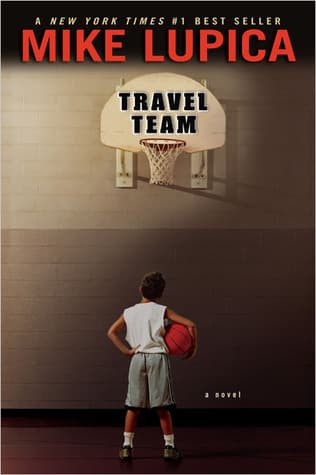
Mike Lupica (2004)
Genre
Children's / Young Adult
Reading Time
240 min
Key Themes
See below
Sign in to track this book
After being cut from the travel team his legendary father once led, a small but determined twelve-year-old forms his own underdog basketball squad to prove that heart, not height, defines a true champion.
Twelve-year-old Danny Walker is small for his age, but he has a great basketball sense and a love for the game. He thinks about basketball all the time, especially because his father, Richie Walker, was a legendary player who led the Fairfield travel team to championships years ago. Danny is crushed when he is cut from the Fairfield travel team, the team his father once played on, by the new coach, Mr. Ross. Ross favors size and athleticism over skill and teamwork, which means many skilled but smaller players, including Danny's best friend Will and his father's old teammate's son, Ty, are left out. Danny's dream of following his father seems broken.
Richie Walker, still dealing with a career-ending injury and a legal problem, is at first unwilling to get back into basketball. However, seeing Danny's sadness and the unfairness of the tryouts motivates him. Richie realizes that the Fairfield team's new coach overlooked many talented kids, including Will and Ty, who were also cut. Wanting to give these kids a chance and perhaps find some redemption for himself, Richie decides to form his own travel team. He gets help from his old teammate, Gus, Ty's father, and starts recruiting the rejected players, offering them a chance to play the game they love.
Richie and Gus start recruiting players who were cut from the Fairfield team. This includes Danny, his best friend Will, and Ty, who are all skilled but small. They also bring in other kids like J.R., the team's big player, and a few others who didn't make the 'official' team for different reasons. The team is a mix of players, without the physical power of the Fairfield squad, but they have heart, determination, and a shared desire to prove themselves. They call themselves the 'Travel Team' – the same name as Richie's championship team, showing their underdog status and their journey.
The Travel Team begins practicing, and it's clear they have a lot to learn. They lack experience playing together and struggle against more organized teams in early scrimmages. Richie, despite his past success, is a bit out of practice as a coach, but his passion and understanding of the game soon become clear. He focuses on basic skills, teamwork, and using the players' strengths, especially Danny's court vision and passing. Slowly, the team begins to work together, learning to trust each other and play as a cohesive unit, surprising themselves and their opponents with their growing synergy.
The schedule presents an immediate challenge: their first league game is against the Fairfield team, coached by Mr. Ross. The tension is clear, not just between the players, but also between Richie and Ross, who represents the rigid, win-at-all-costs mindset Richie dislikes. The game is a tough contest, with the Fairfield team using their size and athleticism, while the Travel Team counters with their speed, skill, and teamwork. Despite their efforts, the Travel Team loses the game, but they show they can compete, earning respect and starting a strong rivalry for their season.
Throughout the season, the Travel Team faces many challenges. They play against bigger, stronger opponents, often enduring taunts. However, with Richie's guidance, they learn to play smarter, using screens, quick passes, and strong defense. Danny's leadership on the court becomes clear, as does Will's shooting and Ty's athleticism. Richie also handles his own personal problems, including his difficult relationship with Danny's mother and his past. The team starts winning games, gaining confidence and showing themselves and their community that heart and skill can overcome physical disadvantages.
Later in the season, the Travel Team gets a rematch against the Fairfield team. This game is even more intense than the first. The Travel Team, now more together and confident, plays an exceptional game, matching Fairfield's intensity and skill. The game is very close, a thrilling finish that shows how much every player on Richie's team has grown. Although the Travel Team still loses, the score is much closer, and they leave the court knowing they pushed their rivals to the limit, proving they are real contenders and earning the respect of their opponents.
As the regular season ends, the Travel Team, against initial expectations, gets a spot in the playoffs. Their journey shows continued improvement, teamwork, and the spirit Richie taught them. They win tough playoff games, often by small margins, driven by their desire to prove themselves. Danny's leadership, along with his teammates' contributions, moves them forward. Their underdog story gets the community's attention, and they find themselves on an unlikely run, eventually reaching the league championship game.
The championship game is the final match: the Travel Team against the Fairfield team. The atmosphere is exciting, with the whole community watching. The game is a back-and-forth battle, showing the different styles of the two teams. Fairfield uses their size and individual talent, while the Travel Team counters with their teamwork, smart plays, and effort. Danny, despite his small size, directs the offense, making important passes and hitting key shots. Richie's coaching is at its best, as he makes strategic changes throughout the intense game.
In a thrilling end, the Travel Team, through determination and a final, well-executed play, wins the championship game against Fairfield. The final buzzer sounds, and the underdog team celebrates. It's a victory not just for the players, but for Richie, who finds redemption and reconnects with his passion, and for the community that supported them. The win shows that basketball is about more than just physical traits; it's about heart, skill, teamwork, and believing in yourself, no matter the odds.
The Protagonist
Danny grows from a disheartened boy to a confident and inspiring leader, learning to trust his own abilities and those of his teammates.
The Supporting/Mentor
Richie moves from a disillusioned former star to a passionate and inspiring coach, finding purpose and healing his relationship with his son.
The Supporting
Will learns to believe in his own abilities and finds a place where his skills are valued, growing in confidence as a key player.
The Supporting
Ty develops his versatility and learns the importance of team play, growing into a more complete player.
The Supporting
Gus supports Richie's vision, rekindling his own connection to the game and helping to build a successful team.
The Antagonist
Ross remains largely static, his rigid views challenged but not necessarily changed by the Travel Team's success.
The Supporting
J.R. grows from a clumsy player to a reliable and confident 'big man' for the team.
The Supporting
She moves from cautious skepticism to supportive belief in Richie and the Travel Team's endeavor.
The main theme is that champions are not always the biggest or strongest, but those with the most heart and determination. The Travel Team, made up of players rejected for their size, shows this spirit. Their journey from being cut to winning the championship highlights their resilience and belief in themselves. This theme is clear in every game they play, especially against the physically stronger Fairfield team, where their will to win often overcomes their physical disadvantages.
“''Heart cannot be measured.'”
Both Richie Walker and the players on the Travel Team want redemption. Richie, a former basketball star, is trying to overcome his past failures and reconnect with his passion and his son. The players, cut from the 'elite' team, want a second chance to prove their worth. Forming the Travel Team provides second chances, and their success allows both Richie and the boys to find vindication and purpose, showing that past mistakes or rejections do not define one's future.
“''This isn't just about basketball for these kids. It's about proving something to themselves.'”
The novel strongly contrasts the Travel Team's focus on teamwork with the Fairfield team's reliance on individual talent and size. Richie's coaching prioritizes passing, communication, and collective effort, allowing the smaller players to overcome bigger opponents. The Travel Team's success comes from their ability to play as a unit, showing that a group working together can achieve more than talented individuals. Danny's role as a point guard, focused on helping his teammates, is a clear example of this theme.
“''You win with the name on the front of the jersey, not the back.'”
The relationship between Danny and Richie Walker is central to the story, exploring how a parent's past affects a child's dreams. Danny looks up to his father's basketball legacy, and Richie's return to coaching is tied to his desire to be a better father and teach life lessons. The book also touches on the pressure children feel to meet parental expectations, while showing that true success comes from following one's own path with integrity, guided by positive parental influence. Gus and Ty's relationship further supports this theme.
“''He was my hero. He still is.'”
While the Travel Team wins the championship, the book emphasizes that true success is in the journey, the effort, and the growth of the players and coach. Richie's coaching is not just about winning games, but about teaching life lessons, building character, and instilling a love for the game. The players learn about perseverance, self-belief, and hard work, regardless of the score. Even in their losses, they gain valuable experience and grow as individuals and as a team, showing that 'champion' means more than just trophies.
“''It's not about how many times you get knocked down. It's about how many times you get back up.'”
The entire Travel Team embodies the classic underdog narrative.
The most prominent plot device is the underdog archetype, applied to the entire Travel Team. They are explicitly defined by being smaller, less athletic, and initially rejected by the 'official' team. This sets up an inherent conflict with the larger, more physically dominant Fairfield team. Their journey against the odds, overcoming initial skepticism and proving their worth through hard work and heart, is a classic narrative structure designed to evoke sympathy and admiration from the reader, making their eventual triumph more impactful and satisfying.
Richie Walker serves as the guiding force for the team's growth.
Richie Walker functions as the classic mentor figure. He is a former hero (the legendary player), now fallen from grace, who possesses the wisdom and experience to guide the young protagonists. His past struggles make him relatable and his coaching provides not just basketball strategy but also life lessons. He teaches the boys about perseverance, teamwork, and playing with heart, helping them unlock their potential and navigate their challenges, much like a traditional mentor in a hero's journey.
The Fairfield team serves as the primary antagonist and measuring stick.
The rivalry between the Travel Team and the Fairfield team is a crucial plot device. Fairfield, coached by the pragmatic and size-focused Mr. Ross, represents the established power and the conventional approach to basketball that initially rejected Danny and his friends. This rivalry provides clear stakes, dramatic tension, and a tangible goal for the Travel Team. Their two regular-season games and the final championship showdown against Fairfield serve as major narrative turning points, allowing the Travel Team to demonstrate their growth and eventually claim their victory.
Physical size represents perceived limitations and societal judgments.
The recurring emphasis on 'size' as a factor in basketball serves as a powerful symbol. Danny and many of his teammates are cut specifically because they are 'too small.' This physical attribute symbolizes perceived limitations, societal judgments, and the unfairness of initial assessments. The Travel Team's triumph is a direct refutation of this, symbolizing that true worth, talent, and heart cannot be measured by superficial metrics, but by internal qualities and effort. Their victory is a victory over the prejudice of size.
“Danny Walker wasn't very big, but he could play.”
— Introducing the protagonist, Danny, and his talent despite his size.
“Sometimes you just gotta want it more.”
— A common theme throughout the book, emphasizing determination.
“It wasn't just a game. It was everything.”
— Reflecting the high stakes and passion the boys have for football.
“The greatest players don't just score touchdowns. They make everyone around them better.”
— Coach Walker's philosophy on what makes a truly great player.
“You can't let other people tell you who you are.”
— Danny grappling with the expectations and judgments of others.
“Football was the only thing that made him feel like he belonged.”
— Danny's personal connection to the sport and its role in his life.
“It's not about how many times you get knocked down. It's about how many times you get back up.”
— A classic motivational message often repeated in sports narratives.
“Winning isn't everything, but wanting to win is.”
— A nuanced perspective on the competitive spirit, valuing effort over outcome.
“He knew what it was like to be an underdog, to have everyone doubt you.”
— Danny's shared experience with his father, Coach Walker, as they both face skepticism.
“A team isn't just a group of guys. It's a family.”
— Highlighting the strong bonds formed between the players.
“Sometimes the biggest victories aren't on the scoreboard.”
— Reflecting on personal growth and overcoming challenges beyond game results.
“He played with a fire that couldn't be taught.”
— Describing Danny's innate passion and intensity for the game.
“They were the castoffs, the rejects, and they were ready to prove everyone wrong.”
— The formation of the 'Travel Team' and their collective motivation.
Ready to see how well you understood this book? Take our interactive quiz with 10 questions.

Dan Gemeinhart
4.5

Kate O'Hearn
4.4

Jeanne Birdsall
4.4

Jen Wang
4.4

Wendelin Van Draanen
4.3

John Marsden
4.3

Chris Van Allsburg
4.3
Jennifer A. Nielsen
4.2