BookBrief
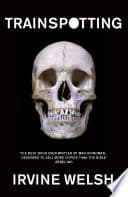
Trainspotting cover
Archivist's Choice

Trainspotting

Irvine Welsh (2008)

Genre

Thriller / Mystery

Reading Time

360 min

Key Themes

See below

Track Your Reading

Sign in to track this book

This story follows the lives of Edinburgh's heroin addicts as they deal with friendship, betrayal, and the constant search for drugs, all while rejecting the normal 'choose life' mantra.

Synopsis

Mark Renton, a young man in late 1980s Edinburgh, has a heroin addiction along with his friends: the violent Begbie, the unlucky Spud, the womanizing Sick Boy, and the innocent Tommy. Renton tries to escape addiction many times, but each time he fails and returns to the cycle of drug use, crime, and violence. Tommy, who at first avoids heroin, becomes an addict after a heartbreak and gets HIV, which leads to his death. The group's lives are a mix of getting drugs, committing small crimes, and living in poverty. They move to London for a short time, but their criminal activities get worse, ending in a big drug deal. Renton, tired of his friends' destructive behavior, takes the money from the deal and leaves to start a new life, leaving his past behind.
Reading time
360 min
Difficulty
Medium
Pacing
Variable
Mood
Gritty, Darkly Humorous, Desperate, Chaotic, Realistic
✓ Read this if...
You're looking for a raw, unflinching, and darkly humorous portrayal of drug addiction and subculture in 1980s Scotland, with a unique narrative voice.
✗ Skip this if...
You prefer conventional storytelling, are sensitive to explicit language, violence, and drug use, or dislike morally ambiguous characters.

Plot Summary

Choosing Not to Choose: The Opening Salvo

Mark Renton, a heroin addict in Leith, Edinburgh, introduces himself and his friends: the violent Begbie, the not-so-smart but kind Spud, the womanizing Sick Boy, and Tommy, who is relatively 'clean' but later becomes an addict. Renton explains his 'Choose Life' speech, which makes fun of the ordinary choices of society and explains why he chooses addiction. The story moves between their drug-filled adventures, small crimes, and the constant need for money to buy drugs. Renton often tries to get clean, but he always goes back to drugs, showing how addiction keeps repeating and how strong his friends' bad influence is.

The Grim Reality of Addiction

The daily lives of Renton, Sick Boy, Spud, and Begbie are shown in a raw, honest way. They create different plans to get money for their heroin, from shoplifting to selling drugs, often with bad or funny results. Renton goes through a terrible withdrawal, including the famous 'Worst Toilet in Scotland' scene, where he dives into a dirty toilet to get opium suppositories. The sad facts of their lives are also shown by the death of Dawn, Sick Boy's baby daughter, because of neglect when her parents are high. This event, though very sad, does not change the group's destructive path much, showing how little they care and how self-absorbed they are.

Tommy's Downward Spiral

Tommy, who at first is the only friend who does not use heroin, becomes an addict after his girlfriend, Lizzy, breaks up with him because he loves Iggy Pop bootlegs too much. He quickly gets worse, which is different from the more experienced addicts. He struggles much more with the lifestyle, quickly becoming very thin and getting HIV from shared needles. His story is a sad contrast to Renton's more cynical view. It shows that addiction affects everyone, even those who were not involved at first. His decline is a clear warning to the others, but they mostly ignore it.

Escaping to London, Briefly

Renton moves to London, wanting a new start and a break from Edinburgh's drug scene and his bad friends. He tries to live a 'normal' life, working as a real estate agent and trying to stay clean. But his past soon catches up with him as Sick Boy, then Spud, and finally Begbie, all move to London, bringing their problems and criminal ways. Renton's attempts at a new identity are always ruined by their presence, forcing him back into old habits and conflicts. This move shows how hard it is to escape one's past and how strong, though destructive, friendships can be.

A Life of Petty Crime and Violence

In London, the friends keep living lives of small crimes, drinking, and sometimes using drugs, though Renton tries to live a more legitimate life. Begbie, especially, becomes a main part of their criminal activities, often starting violent fights and robberies. His unpredictable and extreme aggression always puts the others at risk, making Renton more and more angry and scared. Their criminal adventures range from bar fights to more serious muggings, showing the group's increasing desperation and recklessness. It also shows Begbie's dangerous power over them, fueled by his angry personality.

The HIV Crisis and Tommy's Decline

Tommy's fight with HIV becomes a main, sad part of the story. His health gets much worse, shown by increasing weakness, sickness, and eventually, his body breaking down. The friends visit him, often awkwardly, seeing his suffering directly. His illness reminds them of the bad results of their lifestyle, especially sharing needles. While some, like Renton, feel real sadness and guilt, others, like Begbie, are mostly unaffected or even mean. Tommy's death, though expected, is a sad moment, making the remaining friends face their own mortality and the terrible effects of their choices, though only for a short time.

The Big Score: A Drug Deal

After Tommy's death, the remaining friends – Renton, Sick Boy, Spud, and Begbie – get involved in a big drug deal with a lot of heroin. Mikey Forrester, a more experienced dealer, sets up this deal, and it is their chance for a big score, possibly allowing them to escape their poor lives. The tension grows as they get ready for the exchange, with each character approaching it with their own mix of greed, worry, and desperation. The deal itself is full of danger and paranoia, typical of the criminal world they live in, and it is a main point for their group activities.

The Betrayal and Escape

After the successful drug deal, the group celebrates in a hotel room. As his friends sleep, Renton, disgusted by their continued self-destruction, especially Begbie's violence and Sick Boy's cynicism, makes a clear decision. He takes all the money from the deal and quietly leaves, leaving his 'friends' behind. He at first thinks about giving Spud a share but decides against it, fearing Spud would waste it. Renton's act is a planned betrayal, a desperate attempt to cut ties with his past and truly 'choose life' on his own terms, even if it means leaving those he once called friends.

The Aftermath and New Beginning

Renton escapes to Amsterdam, thinking about what he did and the life he left behind. He knows his choice was difficult and morally unclear, but he feels free. He decides to use the money to build a new, clean life, free from heroin and the bad influence of his former friends. Meanwhile, back in London, Begbie, when he finds out about the theft, gets very angry and violent, while Sick Boy is left furious. Spud is later arrested for a small, unrelated crime, giving him a brief moment of unexpected freedom from the immediate aftermath. Renton's final thoughts are about starting a future, uncertain but his own, away from his past.

Principal Figures

Mark Renton

The Protagonist

Renton evolves from a trapped, self-loathing addict to someone who, through a morally ambiguous act, actively chooses a path towards a different future.

Francis Begbie

The Antagonist/Supporting

Begbie remains consistently violent and unrepentant, serving as a static force of destruction, intensifying his rage when betrayed.

Simon 'Sick Boy' Williamson

The Supporting

Sick Boy remains largely unchanged, a consistent force of cynical self-interest and petty manipulation, ending up betrayed.

Daniel 'Spud' Murphy

The Supporting

Spud remains largely static in his naivety and vulnerability, ending up arrested but potentially spared a worse fate by Renton's betrayal.

Tommy Mackenzie

The Supporting

Tommy tragically falls from a clean lifestyle into severe addiction and death, serving as a cautionary tale.

Lizzy

The Supporting

Lizzy represents a lost opportunity for Tommy, her departure triggering his downfall, and she disappears from the narrative.

June

The Supporting

June briefly offers Renton a path to normalcy, but his past prevents their relationship from developing.

Mikey Forrester

The Mentioned

Mikey Forrester facilitates the drug deal that drives the plot's climax, with no personal arc.

Dawn

The Mentioned

Dawn's life is tragically cut short by neglect, serving as a catalyst for a brief moment of reflection.

Themes & Insights

Addiction and Its Consequences

This theme explores heroin addiction not as a moral failing but as a complex social and psychological issue. The book shows the poverty, desperation, small crimes, and physical decline that come with addiction, as seen in Renton's many attempts to get clean and his relapses. Tommy's sad death from HIV is the ultimate result. The book looks at how appealing the drug is, the rituals around it, and how hard it is to escape it, even when someone wants a better life.

Choose life. Choose a job. Choose a career. Choose a family. Choose a fucking big television, choose washing machines, cars, compact disc players and electrical tin openers. Choose good health, low cholesterol and dental insurance. Choose fixed interest mortgage payments. Choose a starter home. Choose your friends. Choose leisurewear and matching luggage. Choose a three piece suit on hire purchase in a range of fucking fabrics. Choose DIY and wondering who the fuck you are on a Sunday morning. Choose sitting on that couch watching mind-numbing and spirit-crushing game shows, stuffing fucking junk food into your mouth. Choose rotting away, pishing and shiteing yersel in a home, a total fucking embarrassment tae the selfish, fucked-up brats ye've produced. Choose life. But why would I want to do a thing like that? I chose not to choose life. I chose something else. And the reasons? There are no reasons. Who needs reasons when you've got heroin?

Mark Renton

Escapism and Identity

The characters, especially Renton, use heroin and their chaotic lives to escape what they see as the boring and oppressive nature of normal society. Renton's 'Choose Life' speech shows his rejection of a predefined identity, seeking a different, though destructive, path. His move to London is an attempt to create a new identity, free from his past and his friends, but it is a constant struggle to change. The book questions if real escape is possible or if a person's identity is always connected to their environment and relationships.

Ah hate healthy people. They make me sick. The self-righteousness. The smug self-satisfaction. The belief that they have a right tae exist. They dinnae. They're parasites. They're the problem.

Mark Renton

Toxic Masculinity and Friendship

The relationships between the male characters are defined by a very harmful type of masculinity, shown by violence, aggression, hidden emotions, and a destructive loyalty. Begbie shows this most clearly with his random attacks and constant need to be in charge. The 'friendship' is often based on shared addiction and crime rather than real affection, making it hard for anyone to leave. Renton's final betrayal is his desperate attempt to escape this stifling, harmful dynamic, showing how destructive these bonds are.

He's a mate. You look after your mates. That's what you do. Even if they're a fuckin' psycho.

Mark Renton (referring to Begbie)

Social Critique and Disillusionment

The book criticizes British society, especially the working-class experience in Scotland under Thatcher. Renton's opening speech directly attacks consumerism, conformity, and the lack of real opportunities. The characters' lack of hope and their use of addiction can be seen as a response to systemic neglect and disappointment. Welsh shows a generation that feels abandoned and without hope, where the 'choice' of addiction becomes a rebellious act against a future they see as equally bleak and unfulfilling.

We're all fucked, so we might as well get fucked up.

Sick Boy

Mortality and Loss

The theme of death is very clear, especially through Tommy's story. His quick decline because of HIV and eventual death forces the characters, especially Renton, to face the grim reality of their lifestyle choices. The death of Dawn, Sick Boy's baby daughter, also shows how fragile life is and the terrible effect of neglect. These losses, though very sad, often only make the characters think for a short time, showing how numb they are and how strong their destructive habits are.

He just got slower and slower. Losing weight. Lost the plot. Lost everything. Just faded away.

Mark Renton (describing Tommy's decline)

Plot Devices & Literary Techniques

Multiple Narrators / Shifting Perspectives

The story is told through various first-person accounts, offering diverse insights.

While Renton is the primary narrator, the novel employs multiple first-person perspectives, often shifting abruptly between characters like Sick Boy, Spud, and Begbie. Each character's unique voice, dialect, and internal monologue provide different angles on the same events and relationships. This device allows Welsh to explore the subjective experience of addiction and friendship, highlighting the characters' individual motivations and perceptions, and often revealing their hypocrisy or self-deception. It adds depth and complexity to the narrative, preventing a singular, biased viewpoint.

Stream of Consciousness / Interior Monologue

Characters' inner thoughts and unfiltered musings are presented directly.

The novel heavily utilizes stream of consciousness, particularly with Renton's narration. His thoughts, philosophical musings, cynical observations, and internal debates are presented in an unfiltered, often rambling, manner. This technique immerses the reader directly into the characters' minds, revealing their deep-seated neuroses, desires, and rationalizations for their destructive behavior. It gives the narrative a raw, authentic feel, mirroring the chaotic and uninhibited nature of their lives, and allowing for Renton's famous 'Choose Life' rant to be delivered with maximum impact.

Vernacular Language / Scottish Dialect

Authentic use of Scottish slang and dialect to establish setting and character.

Irvine Welsh famously writes 'Trainspotting' largely in a phonetic rendering of working-class Edinburgh Scots dialect. This distinctive language is not just a stylistic choice but a crucial plot device. It immediately immerses the reader in the specific cultural and social milieu of Leith, grounding the story in its setting. The dialect also serves to define the characters, reflecting their background, education, and social standing. It creates a sense of authenticity and rawness, making the characters' voices unique and memorable, and reinforcing their identity as distinct from mainstream British society.

Black Humor / Satire

Darkly comedic situations and cynical wit to highlight the absurdity of their lives.

Despite its grim subject matter, 'Trainspotting' is replete with black humor and biting satire. The characters often find themselves in absurd, grotesque, or darkly comedic situations, such as Renton's dive into the 'Worst Toilet in Scotland' or Spud's disastrous job interview. This humor serves a dual purpose: it makes the otherwise bleak narrative more palatable and highlights the characters' own cynical coping mechanisms. The satire, particularly Renton's 'Choose Life' monologue, critiques societal norms and exposes the hypocrisy and emptiness of both conventional life and the drug-addled alternative.

Critical analysis

Notable Quotes

Choose life. Choose a job. Choose a career. Choose a family. Choose a fucking big television, choose washing machines, cars, compact disc players and electrical tin openers.

Opening monologue by Renton, critiquing consumerism and societal expectations.

It's nae good blamin it oan the English for colonising us. Ah don't hate the English. They're just wankers. We are colonised by wankers.

Renton's reflection on Scottish identity and political disillusionment.

Ah've never felt a hit as good as the first time. But ah still keep tryin tae feel it that way again.

Renton describing the addictive nature of heroin.

The sweat wis lashing oafay Sick Boy; he wis trembling. Ah wis jist sitting thair, focusing oan the telly, tryin no tae notice the cunt. He wis bringing me doon.

Scene depicting withdrawal symptoms and the strain on friendships.

Ah dinnae hate the English. They're just wankers. We are colonised by wankers. We can't even pick a decent, vibrant, healthy culture to be colonised by.

Renton's cynical view on cultural and political subjugation.

When you're on junk you have only one worry: scoring. When you're off it you are suddenly obliged to worry about all sorts of other shite.

Renton comparing the simplicity of addiction to the complexities of sobriety.

People think it's all about misery and desperation and death and all that shite, which is not to be ignored, but what they forget is the pleasure of it.

Renton explaining the allure of heroin despite its dangers.

Ah've got this terrible constipation. Ah cannae shite. Ah've goat piles fae straining.

Spud humorously complaining about a common side effect of heroin use.

The world is fucked, and the only thing that matters is getting your hole.

Sick Boy's nihilistic and hedonistic philosophy.

Ah don't regret the past, ah just regret that ah cannae change it.

Renton reflecting on his life choices and addiction.

We'd be better off building a big wall around Scotland and declaring ourselves a separate country.

Political banter among friends about Scottish independence.

The trouble with heroin is it's so moreish.

Renton's understated comment on the addictive quality of the drug.

Ah like the feeling of being in control, even if it's just for a wee while.

Renton describing the temporary escape heroin provides.

You're an addict, so be addicted. Just be addicted to something else.

Advice given to Renton about replacing one addiction with another.

Quiz

Test Your Knowledge

Ready to see how well you understood this book? Take our interactive quiz with 10 questions.

10
Questions
~5
Minutes
?
Best Score

Key Questions (FAQ)

'Trainspotting' follows a group of heroin addicts in the economically depressed Leith area of Edinburgh during the late 1980s, focusing on their struggles with addiction, poverty, and the search for meaning. The narrative centers on Mark Renton and his friends Sick Boy, Spud, and Begbie as they navigate crime, relationships, and attempts at sobriety. The book explores themes of alienation, consumerism, and the rejection of conventional society through their chaotic lives.

About the author

Irvine Welsh

Irvine Welsh is a Scottish novelist, playwright and short story writer. His 1993 novel Trainspotting was made into a film of the same name. He has also written plays and screenplays, and directed several short films.