“The past is a living thing, not a dead one. It breathes and whispers, and if you listen carefully, you can hear its secrets.”
— Tommo reflecting on the weight of history and memory, particularly his own past and that of Australia.

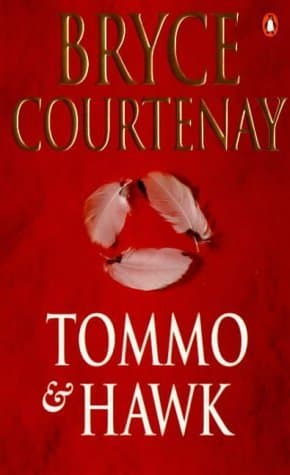
Bryce Courtenay (1999)
Genre
Historical Fiction
Reading Time
18 hours 45 minutes
Key Themes
See below
Sign in to track this book
Brutally separated as children, Tommo and Hawk form an unbreakable bond against the unforgiving backdrop of 19th-century colonial Australia and New Zealand, battling whalers, warriors, and the forces of good and evil to survive.
Thomas 'Tommo' Courtney, a young boy with a loving family in England, is kidnapped by ruthless men. He is forced onto a ship to the Australian penal colonies, where he suffers abuse and hardship. His innocence is lost as he experiences the cruelty of his captors and the harshness of life as a child servant. This traumatic event affects him deeply, giving him a sense of loss and a desperate need to survive, shaping his character and future actions. He holds onto fragmented memories of his family, especially his younger brother, as a source of strength.
Meanwhile, Tommo's younger brother, Jonathan 'Hawk' Courtney, stays in England. He also experiences loss and separation when his family is torn apart after Tommo's disappearance. Hawk ends up in a children's home, where he learns to be resilient and self-reliant, often using cunning to get by. Despite the physical separation and different experiences, a deep, unspoken bond and longing for his lost brother remain, driving his own journey and shaping his view of loyalty and family.
Years later, by a twist of fate, Tommo and Hawk, now fifteen, meet in Hobart, Tasmania. Tommo, having survived years of forced labor, works on the docks, hardened but not broken. Hawk, having made his way to the colonies through his own resourcefulness, is also struggling. Their reunion is initially heavy with their pasts and the changes they've undergone, but the strong connection of brotherhood quickly returns, forming an unbreakable alliance against their harsh world.
Wanting to escape the oppressive conditions and their troubled pasts in Hobart, Tommo and Hawk run away. They find work on a whaling ship, a dangerous job that tests their physical and mental strength. Onboard, they learn about seafaring life, understanding the ocean and its dangers. This time further strengthens their bond as they rely on each other to survive the realities of whaling and the ship's often cruel hierarchy.
Their journey takes them to New Zealand, a land experiencing great change due to the ongoing Maori Wars. Tommo and Hawk, seeking opportunities, become involved in the conflicts between British settlers and the Maori people. They see the brutality of war and the complexities of cultural clashes. This experience forces them to face difficult moral choices and strengthens their understanding of justice and loyalty, often finding themselves caught between sides but always fighting for what they believe is right.
After their time in New Zealand, Tommo and Hawk arrive in Sydney, specifically the area known as The Rocks. This part of the city is a mix of ex-convicts, criminals, and struggling settlers, where survival often depends on wit and strength. The brothers quickly learn to navigate this dangerous underworld, making both allies and enemies. They take various jobs, sometimes legal, sometimes less so, always trying to improve their lives while keeping their integrity and protecting each other from the city's constant threats.
The lure of gold draws Tommo and Hawk to the Australian goldfields. Here, they experience the excitement and brutal competition of the gold rush. They see fortunes rise and fall, widespread greed, and harsh living conditions. Their time at the goldfields ends with their involvement in the miners' riots, where they stand up against injustice and corruption, siding with the oppressed miners. This period further sharpens their fighting skills and their commitment to fairness, even against great odds.
Throughout their travels, Tommo and Hawk repeatedly cross paths with Mr. Crow, a sinister character whose evil deeds and manipulative nature represent the darker side of humanity. Crow embodies the forces that first tore their family apart and continues to threaten their survival. He is a constant shadow, a reminder of the injustices they have faced, and the ultimate antagonist whose presence casts a long, malevolent shadow over their journey, fueling their desire for justice.
Despite constant challenges, Tommo and Hawk begin to build a new life. They acquire land, work hard, and form relationships in their community. They learn to farm, manage livestock, and contribute to the growing colonial society. This period shows their attempt to settle down and create a stable future, a contrast to their nomadic and dangerous past. They find moments of peace and happiness, valuing the quiet domesticity they had been denied for so long.
The story ends with a dramatic final confrontation between Tommo and Hawk and their long-time enemy, Mr. Crow. This battle is not just physical; it is a clash of ideas, representing the struggle between good and evil, justice and corruption. The brothers must use all their combined strength, resilience, and unwavering bond to defeat Crow and his schemes. This ultimate test determines their fate and resolves the deep injustices they have suffered throughout their lives.
The Protagonist
Tommo transforms from a traumatized child into a formidable and principled man, finding strength in his bond with Hawk and ultimately achieving a measure of peace and justice.
The Protagonist
Hawk grows from a street-smart survivor into a steadfast and brave man, his loyalty to Tommo guiding his actions and helping him build a purposeful life.
The Antagonist
Crow remains an unrepentant force of evil, ultimately meeting a deserved end at the hands of those he wronged.
The Supporting
Polly provides a grounding force for the brothers, helping them to heal and build a life beyond their past trauma.
The Supporting
Pym serves as a temporary but crucial mentor, equipping the brothers with the skills and resilience needed for their journey.
The Supporting
Blackheart is a catalyst for the brothers' growth, providing a challenging environment where they learn crucial survival skills.
The Supporting
The Maori Chief broadens the brothers' worldview, instilling in them a deeper understanding of diverse cultures and the costs of conflict.
The Supporting
O'Leary provides temporary support and a sense of community to the brothers as they navigate the complexities of Sydney.
The novel's main theme is the unbreakable connection between Tommo and Hawk. Separated by brutal childhood circumstances, their reunion sparks unparalleled loyalty and love. They constantly protect each other, drawing strength from their shared history and devotion. This bond is tested by hardship, danger, and individual pursuits, but it always wins, serving as their main source of resilience and hope, shown in every shared struggle from the whaling ship to the goldfields.
““We were two halves of the same soul, and nothing in this world could ever truly separate us.””
Tommo and Hawk's lives show human resilience in the face of extreme adversity. From Tommo's kidnapping and forced labor to Hawk's independent struggle, and their shared battles against nature, dangerous jobs, and ruthless people, they always find ways to survive. Their ability to adapt, learn, and endure in the harsh colonial world, whether whaling, fighting in wars, or digging for gold, highlights the human spirit's strength when pushed to its limits.
““You learn to live, boy, even when you think you can’t. You just keep breathing.””
Throughout their journey, Tommo and Hawk seek justice for wrongs against them and a place to belong. Tommo, especially, carries the scars of his childhood trauma, fueling his need to confront Mr. Crow. Their travels across colonial settings — New Zealand, Sydney, the goldfields — reflect their search for a community and a life free from their past, a place they can call home and build a future.
““We weren’t just running from the past, we were running towards a future where we could finally be free.””
The story clearly frames the conflict between Tommo and Hawk and Mr. Crow as a classic battle between good and evil. Crow embodies pure malevolence, cruelty, and greed, while the brothers, despite their rough exteriors and sometimes morally ambiguous actions for survival, represent integrity, loyalty, and a basic sense of justice. This theme is in their personal feud and in the broader societal struggles they face, such as exploitation in the goldfields or injustices against indigenous populations.
““Some men are born with darkness in their hearts, and no matter how far you run, that darkness will always seek you out.””
The story is deeply set in the historical context of Australia and New Zealand's colonial development. The brothers' journey takes them through important moments of these young nations: the penal system, the whaling industry, the Maori Wars, the chaotic gold rush, and the growth of cities like Sydney. Their experiences reflect the struggles, opportunities, and harsh realities faced by early settlers and indigenous peoples, painting a clear picture of a country in its early, often brutal, stages of formation.
““This land, she’s a harsh mistress, but she gives you a chance, if you’re brave enough to take it.””
The physical journey mirrors the characters' internal development.
The extensive physical journey undertaken by Tommo and Hawk across various landscapes of colonial Australia and New Zealand serves as a powerful metaphor for their personal growth and transformation. Each new location—from the whaling ships to the Maori battlegrounds, the streets of Sydney, and the goldfields—presents unique challenges that force the brothers to adapt, learn new skills, and confront their pasts. Their external wanderings directly reflect their internal quest for identity, belonging, and peace, culminating in their eventual attempt to settle down and build a stable life.
Subtle hints and recurring symbols predict future events and conflicts.
Foreshadowing is used effectively to build suspense and connect past traumas with future confrontations. The recurring presence or mention of Mr. Crow, for instance, constantly reminds the reader of the unresolved conflict and the inevitable final showdown. Early descriptions of the brothers' individual strengths and resilience subtly prepare the reader for the significant challenges they will face later. This device creates a sense of destiny and urgency, drawing the reader deeper into the unfolding narrative and heightening the emotional impact of key events.
Characters form deep bonds outside of traditional blood relatives.
While Tommo and Hawk are blood brothers, the 'found family' trope extends to the significant supporting characters who offer them guidance, protection, and love throughout their journey. Figures like Old Man Pym, Polly, and even Mr. O'Leary, who are not related by blood, step into roles of mentors, partners, and friends, providing the emotional and practical support that helps the brothers survive and thrive. This device emphasizes the importance of chosen relationships and the human need for connection beyond biological ties, especially for individuals who have been orphaned or displaced.
The separate but intertwined paths of Tommo and Hawk before their reunion.
Before their reunion in Hobart, the novel details the parallel, yet distinct, journeys of Tommo and Hawk. Tommo endures kidnapping and forced labor, while Hawk navigates the orphanages and streets of England and then makes his own way to the colonies. This device highlights their individual resilience and the different ways trauma shapes them, while simultaneously emphasizing the deep, almost telepathic bond that persists despite their separation. It underscores the idea that their fates are intertwined, making their eventual reunion all the more powerful and fated.
“The past is a living thing, not a dead one. It breathes and whispers, and if you listen carefully, you can hear its secrets.”
— Tommo reflecting on the weight of history and memory, particularly his own past and that of Australia.
“A man's worth isn't in what he owns, but in what he does for others.”
— A recurring theme, often expressed by characters like Hawk or even Tommo himself, emphasizing selflessness.
“Sometimes the greatest courage is simply to keep going, even when you feel like you can't.”
— Tommo enduring various hardships and personal losses throughout his life.
“Love isn't a single moment; it's a thousand small decisions, made every day, to choose that person again and again.”
— Tommo's reflections on his long-standing relationships, particularly with his family.
“The land remembers. It remembers every step, every tear, every drop of blood.”
— Aboriginal characters often convey this sentiment, highlighting the deep spiritual connection to the Australian land.
“Every life is a story, and it's our duty to tell it, truthfully, for those who can no longer speak.”
— Tommo, as a storyteller and chronicler of his family's history, feels this responsibility deeply.
“There's a difference between being alone and being lonely. One is a choice, the other is a burden.”
— Characters often experience periods of isolation, leading to introspection on their emotional state.
“Hope is a stubborn thing. It can survive in the most unlikely places, even when everything else has withered.”
— Despite facing immense challenges, characters often find glimmers of hope to motivate them.
“The greatest education isn't found in books, but in the school of life, lived with an open heart and mind.”
— Tommo and other characters often learn more from their experiences and interactions than from formal schooling.
“Family isn't always blood. Sometimes it's the people who choose to stand by you, no matter what.”
— The concept of chosen family is strong, particularly with characters like Hawk and his companions.
“Australia... she's a harsh mistress, but she'll get under your skin and never let go.”
— Characters expressing their complex relationship with the challenging yet captivating Australian landscape.
“Forgiveness isn't about letting someone off the hook; it's about freeing yourself from the bitterness.”
— Characters grappling with past grievances and the difficulty of moving on.
“To truly live, you must first learn to give. To give without expectation, without reservation.”
— A philosophy often demonstrated by the more generous and selfless characters in the book.
Ready to see how well you understood this book? Take our interactive quiz with 10 questions.

Arthur Bryce Courtenay, was a South African-Australian advertising director and novelist. He is one of Australia's best-selling authors, notable for his book The Power of One.







