“Sometimes the biggest threats are the ones you never see coming.”
— Reflection on the hidden dangers in a seemingly normal high school.

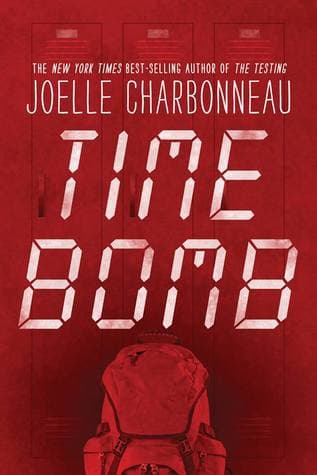
Joelle Charbonneau (2018)
Genre
Thriller / Mystery / Young Adult
Reading Time
360 min
Key Themes
See below
Sign in to track this book
Trapped in their bombed high school, six teenagers must find the bomber among them before their secrets and lives are exposed.
The story introduces six diverse students on their way to school: Diana, the congressman's daughter; Frankie, a star quarterback with a secret; Rashid, a Muslim student who feels stereotyped; Tad, a quiet and bullied student; Cas, an orphaned rebel; and Z, a clarinet player struggling with self-acceptance. Each character's thoughts show their worries and goals. Diana wants to keep her perfect image, Frankie is worried about a career-ending injury, Rashid is tired of prejudice, Tad feels invisible, Cas holds resentment, and Z thinks about a big change in her life. Their paths meet at the school, just before a disaster changes everything.
As the school day begins, a powerful explosion rips through North River High. The blast destroys the auditorium and traps the six main students, along with Principal Evans and Coach Miller, in the school's damaged basement and other sections. Initial chaos gives way to the terrifying realization that they are cut off from the outside. Emergency services cannot reach them due to the damage and a lockdown. The students, at first focused on survival and helping the injured, soon learn from Principal Evans that the explosion was not an accident, but a deliberate act, and the bomber is believed to be one of them, trapped inside the school.
With the news that a bomber is among them, paranoia quickly spreads through the trapped students and faculty. Tad, already an outcast, becomes an immediate suspect due to his quiet nature and past bullying. Cas's rebellious attitude and anti-establishment views also draw scrutiny. Frankie's aggressive outburst after the explosion, along with his secret struggle with pain medication, makes him seem unstable. Diana, trying to stay in control, finds her perfect image cracking under pressure. Rashid, used to being judged, feels prejudice intensify. Z, watching the growing fear, tries to stay rational, but even she starts to distrust her peers.
The group starts looking for clues about the bombing. They find evidence of a carefully planned attack, including a timer and specific materials. Tad, overwhelmed by accusations and feeling cornered, makes a false confession, claiming responsibility. Some, especially Z and Cas, quickly doubt his confession, seeing through his desperate attempt to gain attention or escape more torment. This incident further divides the group; some believe Tad, others think he's lying or being forced. The real bomber uses this confusion, watching and subtly manipulating the situation.
Under great stress, the characters' carefully built facades start to crumble. Frankie reveals his addiction to painkillers and the seriousness of his knee injury, which threatens his football career. Diana admits the immense pressure her father puts on her to be perfect and her anger towards him. Cas confesses her feelings of abandonment and her desire for someone to notice her. Rashid shares his constant struggle against stereotypes and his wish for acceptance. Z reveals her deep insecurity about her appearance and her desire for plastic surgery. These revelations, while bringing some understanding, also provide potential motives for the bombing, fueling more suspicion among the group.
The real bomber, Tad, continues to expertly manipulate the trapped group. He uses their existing prejudices and fears, subtly planting items that incriminate others, like a bomb manual near Rashid or a suspicious drawing in Cas's bag. He uses the group's internal conflicts, stirring up suspicion between Diana and Frankie, and exploiting the general distrust towards Cas. Tad's quiet, overlooked demeanor allows him to move mostly unnoticed, watching reactions and changing his strategy. His main goal is not just the explosion, but the psychological torture of the survivors, making them turn on each other, proving his belief that everyone is selfish and uncaring.
As the situation gets worse, the group discovers a second, active bomb, making things more urgent. This discovery forces them to work together more closely, despite their lingering suspicions. Through deductions and remembering small, seemingly unimportant details, Z starts to put together the truth. She remembers Tad's unusual behavior, his knowledge of the school's layout, and his uncanny ability to be in the right place at the wrong time. The ticking timer of the second bomb, combined with Z's growing certainty, forces a confrontation. Tad, cornered, finally drops his innocent act and reveals himself as the bomber, driven by years of being ignored and bullied.
Tad, no longer hiding, rants about his reasons: years of being invisible, bullying, and feeling discarded. He orchestrated the bombing to make people 'see' him, to feel the pain and fear he experienced daily. He reveals that the first bomb was meant to trap them, and the second is designed to kill. A tense confrontation follows as the remaining students and faculty try to disarm the second device while also trying to subdue Tad. Diana uses her intelligence, Frankie his strength, and Cas her resourcefulness. Rashid tries to reason with Tad, appealing to his humanity, while Z focuses on the bomb's technical aspects.
In a climactic struggle, the students, using their individual strengths and new bonds, manage to disarm the second bomb just moments before it detonates. Tad is apprehended after a struggle. Shortly after, emergency responders finally breach the school, ending the ordeal. The survivors are pulled from the wreckage, physically injured but changed. The experience has removed their facades, forcing them to confront their true selves and the prejudices they held. While relief comes, the trauma and the knowledge of what one of their own was capable of will always affect them.
In the days and weeks after the bombing, the survivors deal with their trauma. Diana begins to let go of her need for perfection, realizing her father's expectations are superficial. Frankie commits to addressing his painkiller addiction and finding a new path beyond football. Rashid finds new purpose in speaking out against prejudice. Cas starts to open up, seeing value in connection rather than rebellion. Z accepts herself, realizing that outside approval matters less than self-acceptance. The community considers the reasons for Tad's actions, leading to discussions about bullying, mental health, and the dangers of ignoring those who feel invisible. The group, forever connected by their shared experience, understands the importance of looking beyond surfaces and truly seeing one another.
The Protagonist
Diana learns to shed her need for external validation and perfection, embracing her true self and challenging her father's expectations.
The Protagonist
Frankie confronts his addiction and the potential end of his football career, learning to find strength beyond his athletic identity.
The Protagonist
Rashid finds his voice in challenging prejudice and embracing his identity, becoming an advocate for understanding.
The Antagonist
Tad's character arc is a tragic descent from invisible victim to vengeful perpetrator, seeking recognition through violence.
The Protagonist
Cas learns to trust others and express her vulnerability, finding a sense of belonging and value in connection.
The Protagonist
Z grows to accept herself and finds confidence in her intelligence and observational skills, realizing true beauty comes from within.
The Supporting
Principal Evans grapples with the limits of his authority and responsibility in a crisis beyond his control.
The Supporting
Coach Miller's arc focuses on his struggle to protect his students and maintain control in a situation where physical strength isn't enough.
The novel explores how people see themselves versus how others see them, and the impact this difference can have. Characters like Diana work to keep a perfect image, while Rashid faces stereotypes. Tad's motivation comes from feeling invisible, leading him to violence to force recognition. The crisis removes these external perceptions, forcing characters to confront their true selves and others to see beyond superficial judgments. Z's struggle with body image and Frankie's fear of losing his athletic identity further show how fragile identity built on external validation can be.
““They see what they want to see, not who I really am.””
A main theme is the damaging effects of prejudgment and stereotyping. Rashid is immediately suspected because of his Muslim faith, and Cas's rebellious nature makes her an easy target. Tad, the actual bomber, is overlooked precisely because he does not fit a 'bomber' stereotype, showing how easily people dismiss those who do not fit preconceived ideas. The story demonstrates how quickly fear and existing biases can lead to wrongful accusations and internal divisions, stopping the group from finding the real threat. The book encourages readers to question their own biases and look deeper than surface appearances.
““It’s always the quiet ones, isn’t it? Or the ones who don’t fit in.””
Many characters, despite their differences, want connection and belonging. Tad's extreme actions are a desperate cry for attention and a desire to matter. Cas, an orphan, acts out to be seen, while Z seeks acceptance through physical change. Even Diana, seemingly popular, feels isolated by her father's expectations. The traumatic event, strangely, forces these isolated individuals to connect, to rely on each other, and to form bonds that go beyond their initial prejudices. This shows that true belonging comes from real human interaction, not superficial acceptance.
““All I ever wanted was for someone to see me.””
The novel powerfully shows the psychological effect of trauma and people's ability to recover. The bombing is a terrible event, but the fear, suspicion, and confinement that follow cause deep psychological wounds. Each character reacts differently, feeling panic, anger, and despair. However, as the story continues, they also show great resilience, finding strength within themselves and in each other to face the threat, disarm the bomb, and survive. The aftermath shows them dealing with the trauma but also starting to heal and grow, suggesting that even in the darkest moments, the human spirit can endure and adapt.
““We were broken, but we weren’t shattered.””
Provides intimate access to the thoughts and biases of several key characters.
The novel is told through the alternating first-person perspectives of the six main students: Diana, Frankie, Rashid, Tad, Cas, and Z. This device allows the reader to delve into each character's internal world, exposing their insecurities, prejudices, and secrets. It creates immediate empathy for each individual while also highlighting their biases and misjudgments of one another. Crucially, it allows the true bomber, Tad, to narrate his own sections, giving the reader unsettling glimpses into his disturbed mind without immediately revealing his identity, thus building suspense and deepening the mystery.
Traps characters in a single location, intensifying tension and forcing interaction.
The entire main plot unfolds within the confines of the bombed-out North River High School. This confined setting serves as a pressure cooker, amplifying the tension, claustrophobia, and sense of helplessness. It eliminates any possibility of external escape or immediate rescue, forcing the characters to confront each other and their own fears. The damaged school itself becomes a character, a symbol of broken safety, and its various sections (basement, classrooms) become temporary, dangerous havens or interrogation rooms, further isolating and stressing the trapped individuals.
Deliberately leads the reader and characters to suspect multiple individuals.
Charbonneau skillfully employs red herrings to keep the identity of the bomber a mystery. Tad's initial false confession, Cas's rebellious nature and history, Frankie's volatile temper, and Rashid's ethnicity are all used to point suspicion away from the true culprit. The bomber's subtle manipulation and planting of evidence further enhance this misdirection. This device not only maintains suspense but also highlights the theme of prejudgment, as both the characters and the reader are encouraged to jump to conclusions based on superficial evidence or existing biases.
Creates urgent suspense as characters race against time to prevent further catastrophe.
The discovery of a second, active bomb with a visible timer introduces a powerful ticking clock mechanism into the narrative. This device immediately elevates the stakes and injects a desperate urgency into the plot. It forces the characters to overcome their internal conflicts and work together, or face certain death. The relentless countdown not only propels the plot forward at an accelerating pace but also intensifies the emotional pressure on the characters, highlighting their ingenuity and resilience under extreme duress.
“Sometimes the biggest threats are the ones you never see coming.”
— Reflection on the hidden dangers in a seemingly normal high school.
“Trust is a fragile thing. Once broken, it can never be fully repaired.”
— Character discussing the aftermath of betrayal among friends.
“In a world of secrets, the truth is the most dangerous weapon of all.”
— Observation during a tense confrontation.
“Fear can make you do things you never thought possible.”
— Character justifying a desperate action under pressure.
“The past has a way of catching up with you, no matter how fast you run.”
— Warning about unresolved history affecting the present.
“Not all monsters look like monsters. Some look just like you and me.”
— Realization about the true nature of an antagonist.
“Every choice has a ripple effect, changing everything in its path.”
— Musing on the impact of decisions during the crisis.
“Courage isn't the absence of fear, but the will to act despite it.”
— Encouragement to a character facing a perilous situation.
“In the silence, the loudest truths are often heard.”
— Reflection during a moment of quiet before a revelation.
“The line between right and wrong blurs when survival is on the line.”
— Debate over ethical dilemmas in a life-threatening scenario.
“Secrets are like shadows—they follow you everywhere.”
— Character feeling haunted by undisclosed information.
“Sometimes, the only way out is through.”
— Advice given when facing an unavoidable challenge.
“The greatest mysteries are often hidden in plain sight.”
— Clue discovered in an ordinary school setting.
“In a crisis, you find out who your real friends are.”
— Observation about alliances shifting under pressure.
Ready to see how well you understood this book? Take our interactive quiz with 10 questions.







