BookBrief
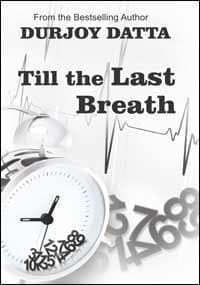
Till The Last Breath cover
Archivist's Choice

Till The Last Breath

Durjoy Datta (2012)

Genre

Young Adult / Romance

Reading Time

12 Minutes

Key Themes

See below

Track Your Reading

Sign in to track this book

A dying medical student and a terminally ill drug addict find love and hope in a hospital room as doctors risk everything to extend their final days.

Synopsis

In Room No. 509 of GKL super specialty hospital, two young patients, the brilliant nineteen-year-old medical student Dushyant and the twenty-five-year-old drug addict Pihu, are brought in, both facing terminal illnesses. Dushyant suffers from a slow, painful, and incurable disease, while Pihu's body is shutting down due to years of addiction. Two prodigious doctors, haunted by their own pasts, risk their medical licenses to keep them alive through unapproved experimental treatments. As death looms in their shared 12x13 foot room, the last month of their struggle for every breath transforms not only the patients' understanding of life but also profoundly impacts the doctors dedicated to prolonging their existence.
Difficulty
Easy
Pacing
Moderate
Mood
Emotional, bittersweet, reflective, hopeful, melancholic

Plot Summary

Room No. 509

The story begins with Pihu Malhotra and Dushyant Roy, both in Room No. 509 of GKL super specialty hospital. Pihu, a nineteen-year-old medical student, has an incurable, fast-moving neurological disorder. Dushyant, a twenty-five-year-old drug addict, is in critical condition from multiple organ failure due to substance abuse. Pihu's quiet despair and Dushyant's cynical indifference mark their first meetings. Dr. Samar Singh and Dr. Naira Sharma are assigned to their cases, each with their own personal and professional struggles.

A Doctor's Dilemma

Dr. Samar Singh, haunted by a past medical failure, and Dr. Naira Sharma, wanting to prove herself, start treating Pihu and Dushyant. Since both patients are terminally ill, the doctors face great pressure and ethical dilemmas. They consider experimental treatments, not approved by the hospital, as their only chance to extend the patients' lives, even if briefly. This decision risks their medical licenses and careers, showing the difficult choices in their job and their strong desire to save lives. The hospital administration, led by Dr. Kapoor, is cautious about these unusual methods.

First Encounters

Pihu, at first withdrawn and accepting her fate, is annoyed by Dushyant's loud and often rude behavior. Dushyant, in contrast, watches Pihu's quiet suffering with a mix of scorn and fascination. He sees her as someone giving up, while he, despite his past, holds onto a cynical defiance. Their early talks are sharp, with Pihu's quiet wisdom and Dushyant's sharp wit. These conversations slowly break down their defenses, hinting at a deeper connection forming. Pihu's parents are always there, her mother especially struggling with her daughter's prognosis.

The Experimental Treatment

Despite significant challenges and hospital resistance, Dr. Samar and Dr. Naira proceed with experimental treatments for Pihu and Dushyant. The initial results are weak but offer a small hope. Pihu's condition stabilizes slightly, and Dushyant shows minor improvements in organ function. This period involves close observation and constant adjustments to their care. The doctors, driven by desperate hope, work tirelessly, often neglecting their personal lives. The hospital's ethics committee scrutinizes their every move, making the stakes high for everyone. Pihu's father, initially doubtful, starts to see a fragile hope.

Unveiling the Past

Flashbacks reveal the painful pasts of Dr. Samar and Dr. Naira. Dr. Samar feels guilty over a patient's death under his care, which affects his confidence. Dr. Naira, a hardworking and ambitious doctor, wants to prove her worth to her family and colleagues, often feeling overlooked. These details explain why they take such risks with Pihu and Dushyant. Their personal issues drive their professional determination, making their fight for their patients' lives a personal quest for redemption and validation. These backstories explain their strong commitment.

A Fragile Friendship

As days turn into weeks in the small hospital room, Pihu and Dushyant's relationship changes greatly. Their initial arguments give way to shared vulnerabilities and understanding. Pihu starts to see past Dushyant's tough exterior, recognizing his hidden pain and fear. Dushyant, in turn, is moved by Pihu's quiet strength and spirit despite her suffering. They find comfort in each other, sharing stories, dreams, and fears they wouldn't tell anyone else. This fragile friendship becomes a source of comfort and strength, making their last days less lonely and more meaningful. They start to rely on each other emotionally.

Moments of Joy

Amid their pain and the reality of their conditions, Pihu and Dushyant create small, precious moments of joy in Room No. 509. They laugh over everyday things, discuss books and music, and joke around. These moments are brief breaks from their suffering, letting them forget their illnesses for a short time. Their bond deepens, and they find a strong connection beyond their physical problems. These shared experiences show how people can find light even in the darkest times, emphasizing the power of connection and shared humanity. Their families watch this unique bond with mixed feelings.

Facing the Inevitable

Despite the doctors' best efforts and the experimental treatments, the inevitable happens. Pihu's neurological condition worsens, and Dushyant's organs show more deterioration. The initial hope fades, replaced by the reality of their terminal illnesses. The doctors, Pihu's parents, and Dushyant himself must face the approaching end. This period brings increasing pain and weakness for both patients, and helplessness for those around them. The goal shifts from prolonging life to ensuring comfort and dignity in their final days. The emotional toll on Dr. Samar and Dr. Naira is immense.

Confessions and Farewell

In their last days, Pihu and Dushyant share heartfelt confessions, expressing thanks for each other and the impact they've had. They acknowledge the unique bond they formed facing death, a love beyond typical romance. Their conversations are bittersweet, with regrets for unlived lives and a quiet acceptance of their fate. They offer each other comfort and strength, making their goodbyes moving. These final talks cement their deep connection, leaving a lasting mark on them and the doctors who witnessed their journey. Their love highlights life's preciousness.

The Last Breath

The story reaches its sad climax as one patient dies. The scene is emotional, showing the grief of the surviving patient, the parents, and the doctors who fought so hard. This death is a stark reminder of medicine's limits and life's fragility. The impact on the surviving patient is profound, forcing them to face their own death and the emptiness left by their companion. For Dr. Samar and Dr. Naira, this moment is the culmination of their efforts, hopes, and ultimate helplessness, giving them a new understanding of life and death. The hospital room, once a place of shared struggle, now holds a heavy silence.

A Life Transformed

The surviving patient, deeply affected by the loss and their experience in Room No. 509, changes greatly. The cynicism or despair that once defined them is replaced by a new appreciation for life and a desire to live meaningfully. They carry their companion's memory, using it as a reason to change. This transformation is not a miraculous recovery, but a deep shift in perspective and purpose. They resolve to honor their loved one's memory by embracing life, showing that even facing death, life can inspire profound change and growth. This new perspective gives them strength.

The Doctors' Legacy

The experience of treating Pihu and Dushyant leaves a lasting mark on Dr. Samar and Dr. Naira. While they couldn't save their patients, they gained insights into the human spirit, the complexities of life and death, and the true meaning of their profession. Dr. Samar finds some redemption, having faced his past and fought bravely. Dr. Naira gains a deeper sense of empathy and purpose beyond professional ambition. They emerge from this ordeal as more compassionate and understanding doctors, forever changed by the two young lives they tried to save. Their bond as colleagues also strengthens, formed through shared medical and emotional challenges.

Principal Figures

Pihu Malhotra

The Protagonist

Pihu starts as resigned and withdrawn, but through her connection with Dushyant, she finds a renewed sense of purpose and joy, ultimately facing death with peace and leaving a lasting impact.

Dushyant Roy

The Protagonist

Dushyant transforms from a cynical, self-destructive individual to someone who embraces life, finds love, and seeks redemption before his inevitable death.

Dr. Samar Singh

The Supporting

Dr. Samar overcomes his past guilt and self-doubt, finding redemption and a renewed sense of purpose through his unwavering commitment to Pihu and Dushyant.

Dr. Naira Sharma

The Supporting

Dr. Naira evolves from an ambitious doctor seeking validation to a more empathetic and compassionate physician, understanding the deeper human aspects of medicine.

Dr. Kapoor

The Supporting

Dr. Kapoor remains largely static, representing the institutional viewpoint, but his interactions highlight the ethical dilemmas faced by the other doctors.

Pihu's Mother

The Supporting

Pihu's mother navigates the stages of grief and acceptance, ultimately finding a fragile peace in her daughter's final moments.

Pihu's Father

The Supporting

Pihu's father moves from quiet despair and skepticism to a more accepting and supportive stance, finding strength in his family's shared experience.

Themes & Insights

The Fragility of Life and Inevitability of Death

The novel explores the temporary nature of human life and the reality of death. Pihu and Dushyant's stories show how quickly life can change and how, despite medical advances, death is certain. The characters must confront their mortality, leading them to think about what truly matters in their remaining time. This theme highlights the preciousness of every moment and the importance of finding meaning even when an end is near.

“We are just a breath away from being nothing. And yet, we fight for every single one.”

Narrator

Finding Love and Connection in Despair

A main theme is the unexpected bond between Pihu and Dushyant, two different people united by their shared situation. Their relationship grows from initial dislike to a deep, transformative love and friendship, offering comfort and meaning in their final days. This theme suggests that even in the darkest times, human connection can thrive, providing comfort, understanding, and a reason to embrace life, however short. Their love goes beyond physical intimacy, becoming a spiritual and emotional anchor.

“It's strange, isn't it? We met because we're dying, but because of it, we finally started living.”

Dushyant Roy

Redemption and Second Chances

The novel explores the idea of redemption, particularly through Dushyant's change and Dr. Samar's journey. Dushyant, a self-destructive addict, finds a second chance at living meaningfully through his connection with Pihu. Dr. Samar seeks redemption for a past medical failure by dedicating himself to his current patients. This theme highlights the human ability to change, forgive, and desire to make amends or find purpose, even when time is running out. It suggests it's never too late to strive for a better self.

“Sometimes, the greatest battles aren't fought for life, but for the chance to live it right.”

Dr. Samar Singh

Ethical Dilemmas in Medicine

The book examines the complex ethical challenges medical professionals face, especially with terminal illnesses. Dr. Samar and Dr. Naira's decision to pursue experimental, unapproved treatments for Pihu and Dushyant shows the conflict between standard medical rules, the desire to save lives, and the potential risks to their careers. This theme questions the limits of medical intervention, the role of hope in treatment, and the personal sacrifices doctors make in their fight against disease and death.

“Is it right to give false hope, or is it more cruel to take away the last shred of it?”

Dr. Naira Sharma

Plot Devices & Literary Techniques

Dual Perspective Narrative

Alternating viewpoints to provide a comprehensive emotional landscape.

The story is told through the alternating perspectives of multiple characters, primarily Pihu, Dushyant, Dr. Samar, and Dr. Naira. This device allows the reader to deeply understand the inner thoughts, fears, and motivations of each individual, creating a multi-layered emotional experience. It contrasts their differing coping mechanisms and provides a holistic view of the suffering, hope, and ethical conflicts within the hospital room. This narrative choice enhances empathy and allows for a more comprehensive exploration of the themes of life, death, and human connection.

Flashbacks

Revealing past events to explain characters' current motivations and burdens.

Flashbacks are strategically employed throughout the novel to reveal the backstories of Dr. Samar and Dr. Naira. These glimpses into their pasts illuminate the personal tragedies and professional pressures that have shaped them into the doctors they are today. For Dr. Samar, it's a past medical failure; for Dr. Naira, it's the drive to prove herself. This device provides crucial context for their high-stakes decisions and their emotional investment in Pihu and Dushyant, deepening the reader's understanding of their characters and motivations.

Confined Setting (Room No. 509)

The hospital room as a microcosm for life, death, and human connection.

Room No. 509 serves as a central and symbolic setting. Its small, confined space forces the characters—Pihu, Dushyant, and their doctors—into intimate proximity, accelerating their interactions and the development of their relationships. This limited environment acts as a microcosm where life, despair, hope, and love play out intensely against the backdrop of impending death. The confinement emphasizes their shared vulnerability and the inescapable reality of their situations, making every small interaction and emotional shift more potent and significant.

Symbolism of 'Last Breath'

Representing the preciousness of life and the finality of existence.

The title itself, 'Till The Last Breath,' acts as a powerful symbol throughout the novel. It represents not only the literal fight for survival waged by Pihu and Dushyant but also the metaphorical struggle to live fully and find meaning until the very end. Each breath becomes precious, a reminder of the finite nature of life. The phrase underscores the determination of the doctors to prolong life and the patients' efforts to embrace every remaining moment, highlighting the profound value placed on existence, no matter how brief.

Critical analysis

Notable Quotes

Quiz

Test Your Knowledge

Ready to see how well you understood this book? Take our interactive quiz with 10 questions.

10
Questions
~5
Minutes
?
Best Score

Key Questions (FAQ)

Till The Last Breath tells the story of a 19-year-old medical student with a terminal illness and a 25-year-old drug addict, both admitted to the same hospital room. Two doctors attempt to save their lives using experimental treatments, facing significant risks.

About the author

Durjoy Datta

Durjoy Datta is a popular Indian author known for his contemporary romance novels that often explore themes of love, relationships, and societal issues. His notable works include "Hold My Hand," "When Only Love Remains," and "Till The Last Breath." Datta's writing style is characterized by its relatable characters and engaging narratives, resonating with a large young adult readership.