“What does one know about another person? Only what that person wants to show you.”
— Early in the novel, reflecting on the nature of human relationships and hidden depths.


Erich Maria Remarque (1978)
Genre
Historical Fiction
Reading Time
500 min
Key Themes
See below
Sign in to track this book
In 1928 Germany, three friends, scarred by war, find comfort in loyalty. Their bond is tested by a new love and the world's harsh realities.
The story opens in 1928, in a post-World War I Germany with economic hardship and political instability. Robert Lohkamp, a former soldier, is celebrating his 30th birthday with his two closest friends and fellow veterans, Otto Koster and Gottfried Lenz. Together, they own and operate a struggling car repair garage, making a meager living. Otto, a skilled mechanic and former racing driver, often races their old taxi, 'Karl', to make extra money. Lenz, a more intellectual man, contributes to their camaraderie. Their birthday celebration, though modest, highlights their deep bond and their shared war experiences, which have left them disillusioned but loyal to one another in the chaotic world around them.
While out drinking at a local bar, Robert encounters Patricia Hollmann, a beautiful and somewhat mysterious young woman. She is initially reserved but intrigues Robert with her quiet elegance and melancholic air. Their first interaction is brief but leaves a lasting impression on Robert, who is unaccustomed to such a deep emotional connection. He is drawn to her delicate beauty and the hint of sadness in her eyes, a reflection of the pervasive weariness of their generation. This chance meeting begins a shift in Robert's solitary life, introducing a new dimension of hope and vulnerability.
Robert begins to seek out Patricia, and they start spending more time together, exploring the city and sharing quiet moments. Their relationship develops slowly, marked by a gentle understanding and a shared sense of existential weariness. Patricia reveals little about her past or her illness, maintaining a certain distance, but her presence brings a new lightness and joy into Robert's otherwise bleak existence. He finds himself falling deeply in love, a feeling he hadn't thought possible in the cynical aftermath of the war. Their dates often involve simple pleasures, like walks in the park or quiet dinners, solidifying their growing affection amidst a turbulent Germany.
Their burgeoning happiness is abruptly shattered when Patricia suffers a severe lung hemorrhage. Robert rushes her to a hospital, where he learns the devastating truth: Patricia has advanced tuberculosis, a condition she has been hiding. This revelation casts a dark shadow over their relationship, introducing the grim reality of her mortality. Robert is heartbroken but resolves to stand by her, dedicating himself to her care and comfort. The friends rally around them, offering support and financial help, demonstrating their loyalty in the face of this challenge. Patricia's illness becomes a central struggle for all three comrades.
Patricia's illness requires expensive treatment, which the impoverished friends struggle to afford. Otto and Lenz take on extra work, and they pool their meager resources to pay for doctors and medication. Eventually, they manage to send Patricia to a sanatorium in the mountains, hoping the change of climate and specialized care will improve her condition. The separation is difficult for Robert, but he visits her whenever possible, bringing her small comforts and maintaining their emotional connection. The financial strain highlights the harsh realities of their existence, where even love is tested by economic hardship and inadequate resources.
Amidst Patricia's struggle, the political climate in Germany continues to deteriorate. Gottfried Lenz, always the most politically aware and outspoken of the trio, becomes increasingly vocal in his opposition to the growing Nazi movement and other extremist factions. He frequently engages in debates and expresses his concerns about the violence and intolerance spreading through the streets. His strong anti-war and anti-fascist sentiments put him at odds with the increasingly aggressive political groups. This engagement foreshadows the danger that will soon befall him as political tensions escalate.
One evening, as Lenz is returning from a political meeting, he is ambushed and murdered by a group of political thugs. His death is a devastating blow to Robert and Otto, shattering their small, protective world. The loss of their comrade, a symbol of their shared past and their hope for a better future, plunges them into grief and a thirst for vengeance. Lenz's murder is a stark reminder of the escalating violence and the fragility of life in Weimar Germany, highlighting the destructive power of the political extremism they had tried to ignore.
Driven by grief and loyalty, Robert and Otto embark on a mission of revenge. Otto, using his connections and street smarts, helps Robert track down the men responsible for Lenz's murder. Robert, normally peace-loving, is consumed by a cold fury. They confront the thugs in a tense, violent encounter, and Robert, with Otto's support, exacts his revenge. This act, while providing a grim satisfaction, also leaves them hollow, emphasizing the futility and cyclical nature of violence. It underscores their bond, showing the lengths they will go for each other.
Despite the efforts at the sanatorium, Patricia's health continues to decline. The tuberculosis is aggressive and unforgiving. Recognizing the inevitable, she decides to leave the sanatorium and return to the city to spend her remaining time with Robert. Her return, though a joy for Robert, is tinged with sadness, as they both know her time is short. Robert dedicates himself entirely to her comfort, creating a small sanctuary for her in his room. The friends do everything they can to make her last days as peaceful and loving as possible, facing the impending tragedy with quiet courage.
In Patricia's final days, Robert remains constantly by her side, tending to her every need. They share intimate conversations, reflecting on their love, the beauty of simple moments, and the bittersweet nature of life. Otto and other friends visit, offering support and companionship, creating a circle of love around Patricia. Despite the pain and the approaching end, there's a profound sense of peace and acceptance in their shared moments. Robert tries to shield her from the harsh realities outside, creating a bubble of tenderness that momentarily defies the chaos of the world and the inevitability of death.
Patricia finally succumbs to her illness, dying peacefully in Robert's arms. Her death is a crushing blow, leaving Robert heartbroken and desolate. He has lost the love of his life, the one source of light and hope in his cynical existence. The world, already bleak, now seems even emptier. Otto and the remaining friends offer silent comfort, sharing in his grief. Patricia's death symbolizes the loss of innocence and hope for the entire generation, highlighting the tragic toll of the era on individual lives. Robert is left to grapple with the void she leaves behind, forever changed by their love and loss.
After Patricia's death, Robert is left to pick up the pieces of his shattered life. He and Otto continue their work at the garage, but the absence of Lenz and Patricia leaves an indelible mark. Their camaraderie, though still strong, is now tinged with a deeper melancholy and a sense of loss. They are survivors, forever bound by their shared past, their love for those they've lost, and their resilience in the face of adversity. The ending is not one of easy resolution but rather a quiet continuation, emphasizing the enduring human spirit amidst a world that offers little comfort or justice.
The Protagonist
Robert transforms from a detached, cynical veteran into a man capable of deep love and profound grief, ultimately finding a fragile resilience.
The Supporting
Otto remains a steadfast pillar of support, his loyalty and practicality unwavering even in the face of immense loss.
The Supporting
Lenz's arc is tragically cut short, his idealism and hope for a better Germany ultimately crushed by the rising political violence.
The Love Interest/Supporting
Patricia's arc is one of finding love and peace in her final days, facing her mortality with grace and courage.
The Supporting
Jupp's role remains consistent, providing a stable, supportive environment for the main characters.
The Supporting
Professor Jaffe's role is to provide medical context and care, his arc tied to the progression of Patricia's illness.
The Mentioned
Erna has no significant arc; her mention serves to contrast Robert's past with his present.
The Mentioned
Alfons remains a background character, his role consistent throughout the story.
The bond between Robert, Otto, and Lenz is the bedrock of the novel. Having survived World War I together, their friendship provides a sanctuary against the harsh realities of post-war Germany. They share everything — their meager earnings, their struggles, their few moments of joy, and their grief. This camaraderie extends to Patricia, who is embraced as a fourth comrade. Their loyalty is unwavering, evident in their efforts to support Patricia's medical treatment and, most poignantly, in Robert and Otto's revenge for Lenz's murder. This theme shows that in a world without justice and stability, human connection is the ultimate refuge.
““We were comrades, not friends. Friends do not have to have been through everything together. Comrades have.””
The love story between Robert and Patricia forms the emotional core of the novel. In a world characterized by cynicism, violence, and economic despair, their love offers a fleeting but profound source of beauty, hope, and meaning. However, their happiness is constantly overshadowed by Patricia's terminal illness, which is a metaphor for the fragile nature of joy and the inevitability of suffering in their war-torn generation. Her death, following Lenz's murder, underscores the theme of loss and the heavy toll that the era exacts on individual lives, leaving survivors to grapple with grief.
““It was a time of great sorrow. But it was also a time of great love. And I would not have traded it for anything.””
All three comrades are deeply marked by their experiences in World War I. Their shared past in the trenches informs their cynical outlook, their camaraderie, and their struggle to find meaning in a world that seems to have forgotten their sacrifices. The economic hardship, political instability, and pervasive violence of 1928 Germany are direct consequences of the war, creating an environment of despair. The veterans' difficulty in adapting to civilian life, their reliance on alcohol, and their readiness for violence when provoked, all speak to the lasting psychological and societal damage inflicted by the conflict. The war's shadow looms over every aspect of their lives.
““The war had made us older than our years. It had taught us to live only for the moment, because the next moment might not come.””
The novel portrays the volatile political climate of Weimar Germany, with the rise of extremist groups and the threat of street violence. The casual brutality and lawlessness are evident in the murder of Lenz by political thugs, a stark representation of societal breakdown. Remarque does not explicitly name the political factions but clearly depicts the atmosphere of fear, intolerance, and escalating conflict that ultimately led to the rise of Nazism. This theme shows how individual lives are caught and crushed by larger historical forces, and how the absence of justice allows violence to flourish unchecked.
““The streets were full of loud, shouting people. They were all talking about the future, but it was a future that was already starting to smell of blood.””
A battered car that symbolizes resilience and the comrades' shared struggle.
'Karl' is the comrades' old, patched-up taxi that Otto races for extra money. It is more than just a vehicle; it represents their collective resilience, their resourcefulness in the face of poverty, and their enduring spirit. Despite its age and wear, 'Karl' is a reliable workhorse, much like the comrades themselves, who continue to function and fight for survival despite their emotional and physical scars. It also embodies a small spark of defiant joy in their bleak existence, especially during Otto's daring races.
A pervasive coping mechanism for the characters' trauma and disillusionment.
Throughout the novel, alcohol (schnapps, rum, beer) serves as a constant companion and a primary coping mechanism for the characters. It dulls the pain of their wartime memories, softens the edges of their grim reality, and facilitates their camaraderie. While it offers temporary solace and fosters a sense of warmth and belonging, it also highlights their deep-seated disillusionment and their inability to truly escape the psychological scars of their past. It’s an ever-present, bittersweet comfort in a world offering little else.
A metaphor for the fragility of life and the pervasive decay in post-war Germany.
Patricia's terminal tuberculosis is a powerful plot device. On one level, it's a personal tragedy that tests Robert's love and the friends' loyalty. On a deeper level, it functions as a metaphor for the fragility of life and the pervasive decay within post-World War I German society. Just as the disease slowly consumes Patricia, the political and economic instability is consuming the hope and well-being of the nation. Her illness highlights the helplessness of individuals against forces beyond their control, whether it's a relentless disease or an escalating political crisis.
A microcosm of their struggle and a symbol of their attempt to rebuild.
The car repair garage owned by Robert, Otto, and Lenz serves as a central setting and a powerful symbol. It represents their shared attempt to rebuild their lives after the war, working with their hands to fix broken things in a broken world. The garage is a place of honest labor, camaraderie, and practical skills, offering a stark contrast to the abstract and violent political struggles outside. Its constant struggle for solvency mirrors their own precarious existence, emphasizing their resilience and their determination to survive through tangible work.
“What does one know about another person? Only what that person wants to show you.”
— Early in the novel, reflecting on the nature of human relationships and hidden depths.
“A man’s life is a long, drawn-out death.”
— A cynical observation on life's inevitable decline, reflecting the post-war disillusionment.
“It is better to be a good man than a good citizen.”
— A comment on personal morality versus societal expectations, subtly critical of political obedience.
“Love is not a pot of gold at the end of the rainbow. It is a daily struggle.”
— Pat's realistic view on love, contrasting romantic ideals with the effort required.
“We are like children who have been told that there is no Santa Claus. We have been told that there is no future.”
— Robbie's reflection on the lost generation's despair and lack of hope for the future.
“Only when we are no longer afraid do we begin to live.”
— A moment of courage and acceptance, suggesting that overcoming fear is essential for true living.
“What use is it to be happy for a moment, when the next moment brings unhappiness?”
— A melancholic thought on the fleeting nature of happiness amidst persistent sorrow.
“Money is not happiness, but it is a good substitute for it.”
— A pragmatic view on the importance of financial security, especially in their impoverished circumstances.
“The past is a phantom, and the future is a dream. Only the present is real.”
— A philosophy of living in the moment, given the uncertainties of their lives.
“War makes men older, but it does not make them wiser.”
— A commentary on the devastating and uninstructive nature of conflict, from the perspective of veterans.
“It is not the great battles that decide the fate of men, but the small, everyday struggles.”
— Highlighting the significance of daily endurance over grand historical events for individual lives.
“The greatest tragedy of life is not that it ends, but that it is often lived without love.”
— A poignant reflection on the ultimate value of love in the face of mortality.
“We are all dying, but we are also living. And as long as we live, we must live with intensity.”
— A defiant embrace of life despite its inevitable end, urging a passionate existence.
Ready to see how well you understood this book? Take our interactive quiz with 10 questions.
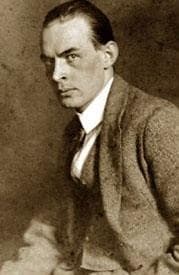
Erich Maria Remarque was a German-born novelist. His landmark novel All Quiet on the Western Front (1928), based on his experience in the Imperial German Army during World War I, was an international bestseller which created a new literary genre, and was adapted to film several times. Remarque's anti-war themes led to his condemnation by Nazi propaganda minister Joseph Goebbels as "unpatriotic". He was able to use his literary success to relocate to Switzerland and the United States, where he became a naturalized citizen.







