BookBrief
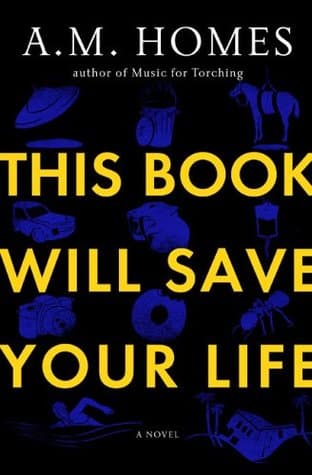
This Book Will Save Your Life cover
Archivist's Choice

This Book Will Save Your Life

A.M. Homes

Genre

Literary Fiction

Reading Time

12 Minutes

Key Themes

See below

Track Your Reading

Sign in to track this book

A divorced stockbroker's life implodes with a heart attack and a sinkhole, forcing him to forge unlikely connections in a surreal Los Angeles that mirrors his own apocalyptic transformation.

Synopsis

Richard Novak, a wealthy, isolated stock trader in Los Angeles, has meticulously constructed a life of self-sufficiency that has, ironically, left him emotionally dead. His carefully curated existence is shattered by two unexpected events: a debilitating attack of pain that sends him to the emergency room, and the sudden appearance of a massive sinkhole outside his meticulously maintained home. These catalysts force Richard out of his hermetic bubble and into a series of increasingly bizarre and human encounters. As the sinkhole expands and his life unravels, Richard begins to form genuine connections with a diverse cast of characters: an ambitious doughnut shop owner, a distressed housewife, a counterculture icon, and even his estranged family. Through these interactions, and the surreal backdrop of disaster-prone Los Angeles, Richard embarks on a journey of rediscovery, learning compassion, vulnerability, and what it truly means to be alive, culminating in a dramatic reunion with his son.
Difficulty
Medium
Pacing
Moderate
Mood
Reflective, quirky, darkly humorous, ultimately hopeful

Plot Summary

The First Jolt

Richard Novak, a wealthy, middle-aged stock trader, lives an isolated, controlled life in Los Angeles. He experiences a sudden, debilitating chest pain, which forces him to the ER and out of his solitude. At the same time, a small sinkhole begins to form on his property, initially unnoticed. Richard relies on paid professionals for everything, shielding himself from real human connection. The chest pain, though not life-threatening, is the first sign his detached life is cracking, hinting at deeper issues. The sinkhole mirrors this inner turmoil, a literal opening beneath his feet.

A Donut and a Connection

After leaving the hospital, Richard stops at a local donut shop he has never visited. He meets Anhil, the optimistic, ambitious owner, an immigrant with big dreams. This interaction is a significant change from Richard's usual routine of avoiding casual encounters. Anhil's genuine warmth contrasts with Richard's detached life, and their conversation is the first new, unscripted human connection Richard has made in years. This meeting is a small but important step in Richard's re-engagement with the world, showing his willingness to step outside his comfort zone and interact with strangers.

The Expanding Void

The small sinkhole on Richard's property quickly grows, threatening his house and ordered life. Its expansion forces him to face the instability of his surroundings and, by extension, his own existence. He consults contractors and engineers, but the natural phenomenon seems beyond easy control. This physical threat to his home, a symbol of his isolated security, mirrors the emotional ground opening beneath him. The sinkhole's unpredictable nature introduces chaos he cannot manage with money or planning, forcing him to adapt and seek help, further eroding his self-sufficient facade.

A Weeping Woman and a Helping Hand

While grocery shopping, Richard sees a woman openly crying in the produce aisle. In a surprising change, he approaches her, offering comfort. This spontaneous act of empathy shows Richard's evolving character and a new capacity for compassion. He does not just observe; he intervenes, showing a shift from passive observation to active participation. This moment reinforces the theme of connection and the breakdown of his emotional barriers, as he steps into a role of a helper.

The Horse Rescue

The sinkhole continues to expand, eventually engulfing a horse that wandered onto Richard's property. This dramatic event draws media attention and a community response. Richard finds himself actively involved in the complex rescue operation, working with neighbors, emergency services, and animal welfare experts. This experience pulls him further out of his isolation, forcing him to collaborate with others under stressful circumstances. The successful rescue of the horse becomes a moment of hope and collective effort, highlighting Richard's growing engagement with his community and his compassion.

Heroic Intervention

In a moment of instinct, Richard sees a woman held captive in a car trunk. Without hesitation, he intervenes, rescuing her from her kidnapper. This act of heroism shows Richard's transformation. He is no longer the man who avoided human interaction; he is now someone willing to risk himself for a stranger. This event solidifies his re-engagement with the world and his sense of purpose, moving beyond personal introspection to protecting others. It marks a significant turning point, showing his new courage and moral compass.

Relocation and New Neighbors

The sinkhole ultimately consumes Richard's house, forcing him to move to a rental property in Malibu. This loss, though devastating, further drives his transformation. In Malibu, he meets and befriends a reluctant counterculture icon, a neighbor who initially seems as withdrawn as Richard once was. This new environment and unexpected friendship continue to challenge Richard's ideas of life and connection. The Malibu setting provides a fresh backdrop for Richard's ongoing evolution, allowing him to form new relationships outside his former social sphere.

Reconnecting with Family

As Richard's emotional barriers crumble, he begins to reconnect with his estranged family. He makes efforts to reach out to his aging parents and his distant brother. These interactions are often complex, but Richard's willingness to be vulnerable signals a significant shift. He starts to understand the importance of family bonds, moving beyond superficial pleasantries. This reconnection is a vital part of his journey back to a fuller existence, addressing long-standing emotional gaps.

The Enduring Desire

Richard also confronts his unresolved feelings for his ex-wife. Despite their divorce, a deep connection remains. His journey of self-discovery allows him to approach her with new honesty and vulnerability, exploring their past and the possibility of a different future. This reconnection is poignant, as it delves into the deeply personal landscape of his romantic life, highlighting his capacity for love and intimacy, which had been dormant. It signifies a desire for genuine partnership.

Son's Return

Perhaps the most significant family reconnection is with his estranged son, Ben. Their relationship has been a source of pain and regret for Richard, representing a deep failure. Through his transformation, Richard is finally able to bridge the gap with Ben, leading to a meaningful reconciliation. This reunion is a powerful moment of redemption for Richard, symbolizing his ability to heal past wounds and embrace the responsibilities of fatherhood. It represents the culmination of his journey to become a more present and loving individual.

The Unpredictable City

Throughout Richard's transformation, Los Angeles plays a crucial role. The city's surrealism, with its natural disasters—earthquakes, wildfires, mudslides—and unique social fabric, constantly challenges Richard's experiences. The unpredictable nature of LA mirrors the unpredictable nature of life, forcing Richard to adapt and confront forces beyond his control. The city's diverse inhabitants and its blend of the ordinary and extraordinary provide the perfect setting for Richard's re-awakening, making the environment integral to his journey.

A New Beginning

By the story's end, Richard Novak is a changed man. He has shed his isolation and embraced a life of compassion, vulnerability, and genuine human connection. The initial physical pain and the literal ground opening beneath him were catalysts, forcing him to confront his emotional emptiness. He has learned to engage with the world, to help others, and to cherish the relationships he once neglected. Richard's journey is one of personal growth, showing that even in middle age, one can find a more meaningful and connected existence, ready to face life's uncertainties with an open heart.

Principal Figures

Richard Novak

The Protagonist

Richard transforms from an isolated, emotionally detached individual into a compassionate, engaged, and vulnerable man who actively seeks connection and meaning in his life. He learns to embrace the unpredictable nature of existence.

Anhil

The Supporting

Anhil remains a consistent source of warmth and grounded ambition, acting as a catalyst for Richard's initial steps toward connection.

Richard's Ex-Wife

The Supporting

She serves as a focal point for Richard's re-evaluation of love and intimacy, eventually leading to a more honest and potentially renewed connection with him.

Ben

The Supporting

Ben's relationship with Richard moves from estrangement to eventual reconciliation, symbolizing Richard's personal growth and capacity for fatherhood.

The Malibu Neighbor

The Supporting

He provides Richard with a new perspective on life and friendship, further solidifying Richard's break from his past isolated self.

Los Angeles

The Antagonist/Setting/Character

Los Angeles remains a constant, unpredictable force, serving as a crucible for Richard's transformation by continually presenting challenges and opportunities for growth.

Richard's Parents

The Supporting

Their relationship with Richard moves from distant formality to a more engaged and supportive connection, as Richard learns to be present for them.

Richard's Brother

The Supporting

His relationship with Richard evolves from distant to more engaged, contributing to Richard's overall family reconciliation.

Themes & Insights

Transformation and Rebirth

The main theme is Richard Novak's personal transformation from an isolated, emotionally distant person to a compassionate, engaged, and vulnerable human being. This rebirth is sparked by both physical pain and external events (the sinkhole). The narrative explores the idea that even later in life, one can change, confront past neglects, and embrace a fuller existence. It suggests that true life begins when one is willing to open up to the unpredictable world, often through unexpected connections and acts of empathy.

He had done such a good job getting his life under control that he needs no one- except his trainer, nutritionist, and housekeeper. He is functionally dead and doesn't even notice until two incidents... conspire to hurl him back into the world.

Narrator

The Importance of Human Connection

This theme highlights the role of genuine human relationships in well-being and meaning. Richard's initial isolation, relying on paid services rather than authentic interaction, leaves him 'functionally dead.' His journey is marked by unexpected connections—with Anhil, the weeping woman, the Malibu neighbor, and eventually his family—each breaking down his detachment. The novel argues that true fulfillment comes from empathy, vulnerability, and engaging with others, even strangers, creating a sense of community.

He was learning that the most profound connections often came from the most unexpected places, from the people you least expected to need.

Narrator (referring to Richard's thoughts)

The Unpredictability of Life and Nature

The novel shows life's inherent unpredictability, especially through the recurring motif of natural disasters and the surreal landscape of Los Angeles. The sinkhole, earthquakes, wildfires, and mudslides are metaphors for uncontrollable forces that disrupt carefully built lives. Richard's initial attempts to control his life are repeatedly thwarted by these external forces, making him accept uncertainty and adapt. This theme suggests that life's most significant lessons often come from chaos and accepting what cannot be controlled.

The promised land of Los Angeles-a surreal city of earthquakes, wildfires, mudslides, and feral Chihuahuas-is also very much a character in This Book Will Save Your Life.

Book Description (reflecting the novel's thematic emphasis)

Compassion and Altruism

A significant part of Richard's transformation is his growing capacity for compassion and his increasing involvement in altruistic acts. From comforting a weeping stranger to rescuing a horse and a kidnapped woman, Richard moves from self-absorption to selfless action. These acts of kindness are not just plot points but crucial signs of his internal shift, showing his re-awakening to the needs of others. The theme posits that helping others is a pathway to personal healing and finding purpose beyond one's own immediate concerns.

He helped save a horse that has fallen into the sinkhole, daringly rescues a woman from the trunk of her kidnapper's car...

Book Description

Redemption and Forgiveness

The novel explores the possibility of redemption, particularly through Richard's efforts to mend his fractured family relationships. His estrangement from his son, Ben, represents a deep personal failure, and his journey involves confronting these past neglects. The theme suggests that it is never too late to seek forgiveness, make amends, and rebuild damaged bonds. Richard's willingness to be vulnerable and acknowledge his past shortcomings paves the way for healing and reconciliation, offering a hopeful message about the human capacity for change and repairing relationships.

In the end, Richard is also brought back in closer touch with his family-his aging parents, his brilliant brother, the beloved ex-wife whom he still desires, and finally, before the story's breathtaking finale, with his estranged son Ben.

Book Description

Plot Devices & Literary Techniques

The Sinkhole

A literal and metaphorical ground opening beneath Richard's feet.

The sinkhole that appears on Richard's property serves as both a literal plot driver and a powerful metaphor. Literally, it forces Richard out of his home, introduces him to new people during the rescue, and disrupts his carefully controlled existence. Metaphorically, it represents the instability and unpredictable nature of life, mirroring the emotional ground opening up beneath Richard as his insulated world crumbles. Its expansion symbolizes his forced confrontation with chaos and the necessity of adapting to forces beyond his control, pushing him towards transformation and connection.

Los Angeles as a Character

The city's surreal and unpredictable nature shapes the narrative.

Los Angeles is not merely a setting but a dynamic, active character in the novel. Its unique blend of glamour, superficiality, natural disasters (earthquakes, wildfires, mudslides), and diverse inhabitants constantly influences Richard's journey. The city's surrealism and unpredictability mirror Richard's internal chaos and transformation. Its inherent forces, both human and natural, act as catalysts, providing the backdrop for his unexpected encounters and forcing him to engage with life beyond his self-imposed boundaries. The city is a crucible for his re-awakening, making the environment integral to his personal growth.

The 'Everyman' Protagonist

Richard represents a universal struggle for meaning and connection.

Richard Novak is presented as a 'modern-day Everyman,' making his journey relatable to a broad audience. His initial state of emotional detachment and reliance on external services, despite material wealth, reflects a common contemporary malaise. By portraying a seemingly ordinary man facing extraordinary circumstances and undergoing a profound transformation, the novel invites readers to reflect on their own lives, their connections, and their capacity for change. Richard's universality allows his story to resonate as a broader commentary on the human search for meaning and authentic existence in a complex world.

Catalyst Events

Initial shocks that propel Richard's transformation.

The novel utilizes two primary catalyst events to initiate Richard's transformation: the sudden attack of intense pain that lands him in the emergency room, and the discovery of the expanding sinkhole outside his house. These initial shocks disrupt his carefully constructed, isolated routine. The chest pain forces him to confront his physical vulnerability, while the sinkhole literally undermines his sense of security. Both events serve as urgent, undeniable calls to action, forcing Richard out of his stasis and into a series of interactions and experiences that ultimately lead to his profound re-engagement with life.

Critical analysis

Notable Quotes

Quiz

Test Your Knowledge

Ready to see how well you understood this book? Take our interactive quiz with 10 questions.

10
Questions
~5
Minutes
?
Best Score

Key Questions (FAQ)

The novel follows Richard Novak, a wealthy, emotionally detached man whose life is turned upside down by a health crisis and an environmental disaster. These events force him to confront his isolation and reconnect with others, leading to unexpected relationships and personal transformation.

About the author

A.M. Homes

A.M. Homes is an American writer of fiction, known for her provocative and often transgressive novels. Her acclaimed works include 'The End of Alice,' 'May We Be Forgiven,' which won the Orange Prize for Fiction, and 'This Book Will Save Your Life.' Homes' writing is characterized by its unflinching exploration of identity, family, and societal norms.







