“Don't be yourself. Be a pizza. Everyone loves pizza.”
— A humorous take on the common advice to 'be yourself.'

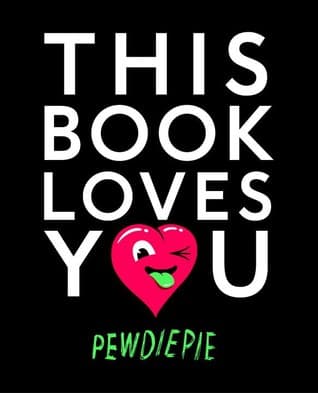
PewDiePie (2015)
Genre
Children's / Creativity / Young Adult
Reading Time
90 min
Key Themes
See below
Sign in to track this book
PewDiePie's hilariously cynical guide encourages readers to abandon their dreams and embrace astounding mediocrity for a 'chilled-out' life.
The book begins with PewDiePie directly addressing the reader, setting a satirical, self-deprecating tone. He introduces the book not as a traditional guide to success, but as a manual for accepting mediocrity and avoiding hard work. Early pages show smiling, calm characters, suggesting that true happiness comes from low expectations and minimal effort. PewDiePie implies that readers will find comfort and ease by following his unusual advice, which often reverses common inspirational phrases. This introduction establishes the book's main idea: a humorous take on typical motivational literature, encouraging contentment with less.
One early 'lesson' is the phrase, 'You can never fail if you never try.' This section includes a cartoon character happily sitting on a couch, avoiding any potential challenges. PewDiePie explains how this idea can free people from the anxiety of pursuing goals. He humorously suggests that by not trying anything important, one removes the chance of disappointment, leading to a more peaceful, though unproductive, life. The drawings show various situations where characters choose inaction over effort, always with a calm, untroubled look, highlighting the 'benefits' of giving up before starting.
This section directly criticizes the common belief of 'following your dreams.' PewDiePie, through his text and absurd drawings, suggests that dreams are often a burden, leading to unnecessary stress and sadness. He shows characters happily discarding instruments, art supplies, and other symbols of ambition. For example, a character throws away a guitar with a look of relief, implying that the pressure to succeed as a musician is not worth the trouble. The overall message is that letting go of big ambitions creates mental and emotional space, allowing for a more relaxed, less demanding life, free from the constant pressure to achieve.
One of the book's most famous pieces of advice is, 'Don’t be yourself. Be a pizza. Everyone loves pizza.' This section features a bright drawing of a smiling pizza slice. PewDiePie playfully argues against 'being yourself,' which he suggests can lead to isolation or judgment. Instead, he proposes adopting universally liked traits, like those of a pizza, to ensure widespread acceptance and avoid conflict. The humor comes from the literal absurdity of the advice, yet it satirizes the social pressure to conform and be likable. It's a lighthearted jab at the often-stressful pursuit of authenticity in a world that often rewards conformity.
PewDiePie promotes procrastination not as a fault, but as a valid and even helpful way of life. Drawings show characters happily relaxing while untouched work sits nearby, often with a funny caption about 'doing it tomorrow.' He suggests that many tasks are not truly urgent and can be put off indefinitely, leading to more immediate enjoyment and less stress now. This section aims to reduce guilt about procrastination, presenting it as a deliberate choice for personal well-being rather than a lack of discipline. It's a humorous take on productivity culture, encouraging readers to embrace their natural tendency to delay tasks.
This part of the book advises readers to stop seeking perfection, calling it an exhausting and pointless effort. Drawings show messy, imperfect creations alongside text that celebrates their flaws. For instance, a drawing of a lopsided cake is presented as better than a perfectly symmetrical one, simply because less effort was spent. PewDiePie argues that accepting imperfections reduces stress and leads to greater contentment. He suggests that constantly trying for an ideal, which is often impossible, only leads to frustration and unhappiness. This section encourages self-acceptance and freedom from societal pressures to be flawless.
PewDiePie humorously questions the common emphasis on exercise and physical fitness. A cartoon character is shown enjoying a snack on the couch, while a gym full of struggling, unhappy people is in the background. The text playfully suggests that avoiding strenuous activity saves energy and prevents discomfort. While not openly promoting an unhealthy lifestyle, the advice is a satirical look at the often-intense societal pressure to be in peak physical condition. It encourages readers to prioritize comfort and relaxation over demanding physical routines, fitting the book's overall theme of embracing a less effortful existence.
This section promotes the idea that 'silence is golden,' not for wisdom, but to avoid saying something foolish. Drawings show characters with wide, awkward smiles, clearly having said something regrettable, in contrast to a calm character who simply stays quiet. PewDiePie's advice is to speak less to prevent social mistakes or the need to defend one's views. He suggests that by saying little, one can maintain an air of mystery or simply avoid any potential conflict or misunderstanding. It's a humorous and cynical take on social interaction, encouraging a passive approach to communication.
PewDiePie offers a playful view on money and happiness. While acknowledging the cliché that 'money doesn't buy happiness,' he quickly shows how it can buy things that bring simple joy, like pizza or video games. The drawings feature characters enjoying small, material pleasures, rather than grand, expensive ones. The underlying message is a playful critique of consumerism and the pursuit of extreme wealth, suggesting that true contentment often comes from accessible, everyday comforts. It reinforces the book's theme of finding joy in simple things and avoiding the stress of striving for immense riches.
The final sections of the book highlight the main theme, openly celebrating 'astounding mediocrity.' PewDiePie assures readers that it's fine, even good, to be average. Drawings show happy, ordinary people doing unremarkable things, free from the pressure to be exceptional. He argues that society's constant push to be extraordinary is tiring and unnecessary. Instead, accepting one's average status leads to a more peaceful and contented life. This concluding message strengthens the book's satirical take on traditional self-help, offering a comforting, though unusual, path to contentment by simply letting go of ambitious expectations.
The Protagonist (as authorial voice)
Not a traditional character arc, but his voice evolves from an introducer of ideas to a consistent, reassuring proponent of mediocrity.
The Protagonist (implied)
The implied arc is from a stressed, ambitious individual to a content, mediocre, and unbothered person.
The Supporting (exemplar)
Remains consistently happy and unbothered, serving as a static ideal.
The Supporting (exemplar)
Experiences a moment of liberation from the burden of ambition.
The Mentioned/Symbolic
A static symbol of universal appeal.
The Antagonist (implied societal pressure)
The book seeks to diminish its influence over the reader.
The book challenges and satirizes traditional motivational and self-help literature. Instead of promoting ambition, hard work, and goal-setting, PewDiePie advises readers to accept mediocrity, give up on dreams, and prioritize comfort over effort. This theme is clear throughout, from the opening 'You can never fail if you never try' to the closing celebration of 'astounding mediocrity.' It redefines 'success' as being calm and stress-free, rather than achieving common milestones, turning typical inspirational phrases on their head.
“Your wasted life would be an inspiration to others. Think of all the pointless, unhappy striving you could simply give up.”
A main theme is celebrating being average and the value of inaction. The book suggests that the constant pressure to be exceptional is tiring and often leads to unhappiness. By accepting one's mediocrity and choosing not to make unnecessary efforts, people can find peace and contentment. This is shown in scenes where characters happily give up ambitions (like playing the guitar) or embrace procrastination. The book argues that a life free from the burden of high expectations is more fulfilling, even if it does not match society's definitions of achievement.
“You can never fail if you never try.”
The book subtly critiques the pressures people face to conform to societal ideals of success, beauty, and likability. The advice 'Don’t be yourself. Be a pizza. Everyone loves pizza' is a key example, humorously showing the desire for universal acceptance over true self-expression. Similarly, rejecting strenuous exercise or the pursuit of perfection can be seen as pushing back against outside demands. PewDiePie suggests that trying too hard to meet these external standards leads to stress, and that a simpler, less demanding approach to life can be more rewarding.
“Don’t be yourself. Be a pizza. Everyone loves pizza.”
Despite its cynical tone, the book ultimately promotes a type of happiness that comes from simple pleasures and a lack of stress. By encouraging readers to give up big ambitions, avoid difficult tasks, and embrace comfort, PewDiePie suggests a path to true contentment. This is seen in the praise for procrastination, the enjoyment of everyday activities, and the idea that 'money doesn't buy happiness (but it buys pizza).' The theme argues that true joy often comes not from extraordinary achievements, but from everyday comforts and freedom from too much pressure.
“Your life will become easier, more fabulous, more rewarding.”
The primary comedic and thematic vehicle, subverting expectations.
The entire book is built upon satire and irony. PewDiePie uses these devices to create humor by presenting seemingly profound advice that is, in fact, absurd, self-defeating, or contrary to conventional wisdom. For example, advising readers to 'give up on your dreams' is ironic because it's presented as a path to a better life. This constant subversion of expectations forces the reader to re-evaluate common inspirational clichés and laugh at the often-unrealistic pressures of modern life. The humor derives from the gap between expected motivational messages and the actual, cynical advice given.
Exaggerated and illogical scenarios used for comedic effect.
PewDiePie frequently employs absurdist humor, particularly through his illustrations and specific pieces of advice like 'Don’t be yourself. Be a pizza.' This device creates comedic impact by presenting illogical or extremely exaggerated situations as if they are perfectly reasonable. The absurdity serves to highlight the ridiculousness of the pressures the book is satirizing. By taking concepts to their illogical extremes, it makes the reader question the underlying logic of traditional 'self-help' and societal expectations, making the book both funny and thought-provoking.
Engaging the reader directly with a casual, friendly voice.
PewDiePie utilizes direct address, speaking directly to 'you,' the reader, throughout the book. This creates an intimate, conversational, and often conspiratorial tone, making the reader feel like they are receiving advice from a friend rather than a detached guru. The casual language and slang (e.g., 'Bro') further enhance this connection. This device makes the satirical messages more accessible and personal, drawing the reader into the book's unconventional worldview and making the humor more effective and relatable.
Humorous drawings that amplify the satirical messages.
The book heavily relies on visual gags and colorful illustrations to complement and enhance its satirical text. These drawings often depict the absurd scenarios described, such as a happy procrastinator on a couch or someone gleefully discarding a guitar. The visual humor often provides an additional layer of irony or exaggeration, making the book's messages more impactful and memorable. The simple, cartoonish style also contributes to the lighthearted, non-serious tone, reinforcing the idea that the book is meant to be fun and thought-provoking, rather than a solemn guide.
“Don't be yourself. Be a pizza. Everyone loves pizza.”
— A humorous take on the common advice to 'be yourself.'
“Never give up on your dreams. Unless your dream is to be a ninja. Because ninjas are silent, and you're not.”
— A playful twist on the 'never give up' mantra.
“The early bird gets the worm, but the second mouse gets the cheese.”
— Offering a different perspective on the value of being first.
“Life is like a box of chocolates. You never know what you're gonna get. But if you're me, you'll probably get the coconut one.”
— A personal and humorous take on a famous movie quote.
“Don't just stand there, do something. Unless that something involves standing there. Then do that.”
— A witty play on words encouraging action, but also self-awareness.
“If at first you don't succeed, try, try again. Then quit. No point in being a fool about it.”
— A more realistic and humorous approach to persistence.
“Follow your heart. But take your brain with you. Just in case your heart does something stupid.”
— Balancing passion with practicality.
“You are special. Just like everyone else.”
— A humorous and grounding reminder about individuality.
“If you don't have anything nice to say, don't say anything at all. Unless it's really funny. Then say it.”
— A comedic subversion of a common social etiquette rule.
“Be the change you wish to see in the world. Or just buy a cool hat. That works too.”
— A lighthearted take on making a difference.
“It's okay to be weird. Weird is just a side effect of being awesome.”
— Encouraging embracing one's unique qualities.
“Don't let anyone tell you you're not good enough. Unless that person is your cat. Cats are usually right.”
— A funny and relatable twist on self-belief.
“Every expert was once a beginner. Except for me. I was born an expert. At napping.”
— A humorous take on the journey of learning and mastery.
Ready to see how well you understood this book? Take our interactive quiz with 10 questions.

Biography coming soon.

Dan Gemeinhart
4.5

Kate O'Hearn
4.4

Jeanne Birdsall
4.4

Jen Wang
4.4
Wendelin Van Draanen
4.3

John Marsden
4.3

Chris Van Allsburg
4.3
Jennifer A. Nielsen
4.2