BookBrief
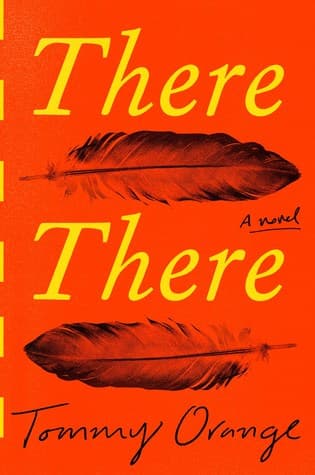
There There cover
Archivist's Choice

There There

Tommy Orange (2018)

Genre

Literary Fiction

Reading Time

360 min

Key Themes

See below

Track Your Reading

Sign in to track this book

In a story where many lives meet at the Big Oakland Powwow, "There There" shows the struggles, strength, and beauty of urban Native American identity, ending with an unforgettable climax.

Synopsis

Tommy Orange's "There There" follows twelve urban Native American characters who all come together at the Big Oakland Powwow. Dene Oxendene works on a documentary project to honor his late uncle, interviewing other Native people about their lives. Tony Loneman, a young man involved in drug dealing, plans to rob the powwow with his uncle and his crew. Jacquie Red Feather, newly sober, deals with her past and a secret, trying to reconnect with her family, including her sister Opal Viola Victoria Bear Shield, who raised Jacquie's grandsons, Orvil, Lony, and Loobie. Orvil Red Feather, one of Jacquie's grandsons, secretly prepares to perform traditional dance at the powwow, learning it from YouTube. Edwin Black, a young man struggling with weight and internet use, searches for his biological father and finds a surprising link to Jacquie. As the powwow happens, the characters' lives connect, showing complex family histories, shared difficulties, and unexpected relationships. The planned robbery turns into a tragic shootout, leaving several characters dead or hurt, and changing the lives of those involved. This shows the ongoing struggles and strength of urban Native Americans.
Reading time
360 min
Difficulty
Medium
Pacing
Variable
Mood
Raw, Poignant, Intersectional, Melancholy, Resilient
✓ Read this if...
You are interested in contemporary Native American experiences, multi-generational sagas, and powerful, character-driven literary fiction that explores themes of identity, trauma, and community.
✗ Skip this if...
You prefer linear narratives with a single protagonist, or are sensitive to depictions of violence, addiction, and historical trauma.

Plot Summary

The Interlude and Dene Oxendene's Project

The book starts with an essay, an 'Interlude,' that describes Native American history, from the First Encounter to now. It focuses on the violence, displacement, and erasure faced by Indigenous peoples, especially in cities. This sets a serious tone for the stories that follow. We then meet Dene Oxendene, a young Native man in Oakland, who is still sad about his uncle Harvey's recent death. Dene has a grant to make a film project documenting the stories of urban Native Americans, giving a voice to those often not heard. He plans to record interviews at the upcoming Big Oakland Powwow, using the event for his storytelling.

Tony Loneman's Early Life and Drug Dealing

Tony Loneman, a young man with Fetal Alcohol Syndrome (FAS), which he calls 'the Drome,' lives with his grandmother in Oakland. He struggles with his identity and the physical and mental effects of his condition, which make him feel different and often misunderstood. Tony has gotten involved in drug dealing, a path that gives him a sense of belonging and purpose, though it is dangerous. He works for Octavio Gomez, a more established drug dealer, and is getting ready for a big job Octavio plans for the Big Oakland Powwow. Tony's thoughts show his vulnerability and his deep wish for acceptance and connection, despite his tough outer appearance.

Jacquie Red Feather's Journey to Sobriety and Return

Jacquie Red Feather, a social worker, travels from Albuquerque back to Oakland. She recently became sober after a long struggle with alcoholism and is on a difficult path of recovery and making amends. Her main reason for returning to Oakland is to reconnect with her three daughters, whom she left years ago because of her addiction. She also plans to go to the powwow, hoping to find some healing and perhaps a sense of belonging. Jacquie carries her past mistakes and hopes for a future where she can be there for her family, especially her grandchildren, Orvil, Looping, and Lony.

Orvil Red Feather's Discovery of Native Dance

Orvil Red Feather, one of Jacquie's grandsons, lives with his grandmother, Opal Viola Victoria Bear Shield, and his two brothers, Looping and Lony. Orvil is fascinated by a video he finds on YouTube showing a Native American dancer. He feels a deep connection to the movements and decides he wants to learn traditional dance himself. Secretly, he starts to practice in front of the television, using a plastic spider he found as a symbolic headdress. He feels a growing sense of identity and pride in his heritage, which his grandmother, Opal, has mostly kept hidden from them to protect them from the pain she felt growing up Native.

Opal Viola Victoria Bear Shield's Past and Present

Opal Viola Victoria Bear Shield, Jacquie's half-sister and Orvil's grandmother, tells about her childhood, especially the occupation of Alcatraz Island by Native American activists in 1969. She lived on the island with her mother and sister, Jacquie, during this time, seeing both the hope and the disappointment of the movement. These experiences, along with the racism and violence she faced, have deeply shaped her. As an adult, Opal has tried to shield her grandsons, Orvil, Looping, and Lony, from the difficult parts of their Native heritage, thinking it would protect them from suffering. However, she realizes this protection has also created a disconnect from their culture.

Edwin Black's Search for His Father and Connection to Jacquie

Edwin Black is a young, overweight Native man who recently finished college but struggles to find purpose. He spends much of his time online, especially on Reddit, looking for answers about his identity and his biological father. He finds out that his mother, Karen, had a brief affair with Harvey, Dene Oxendene's uncle, suggesting Harvey might be his father. Edwin also has an online relationship with a woman named Jacquie Red Feather, whom he thinks is his biological mother, though this is a misunderstanding. He takes a job at the Big Oakland Powwow, hoping to gain some independence and perhaps find answers about his family.

The Powwow Begins: Convergence of Characters

The Big Oakland Powwow finally starts, acting as the main gathering place for all the different characters. Orvil gets ready for his first public dance, feeling both nervous and excited. Dene Oxendene sets up his camera, ready to interview people for his documentary project. Jacquie Red Feather arrives, feeling a mix of worry and hope as she expects to see her family. Edwin Black works at the powwow, still looking for his father. Tony Loneman and his crew, including Octavio Gomez, also arrive, but with a bad plan: to rob the powwow's prize money, thinking it is an easy target. The atmosphere is a mix of cultural celebration and underlying tension.

Intertwined Lives and Unveiled Relationships

As the powwow continues, the characters' connections become clear. Jacquie sees her daughters and grandchildren, including Orvil, dancing. Harvey, Dene's deceased uncle, is Edwin Black's biological father and also an important person in Jacquie's past. Tony Loneman's grandmother, Maxine, is also there, and his connection to Octavio Gomez, who is Jacquie's nephew, forms a web of family that many characters do not know about. The story moves between their individual views, showing how their lives, struggles, and histories are deeply connected, often through shared trauma, addiction, and strength. This builds to a sense of shared fate.

The Robbery Plan Unfolds

Tony Loneman, high on drugs and desperate to prove himself, gets more anxious about the robbery plan. Octavio Gomez, the leader, has hired a small group, including Tony and Carlos, to steal the prize money from the powwow. Octavio's reasons are complex, coming from his own difficult past and a sense of entitlement. They have checked out the location and planned their escape, believing the powwow will be chaotic enough to hide them. Tony has a 3D-printed gun, which shows the makeshift and dangerous nature of their operation. The tension grows as they get into position, ready to start their violent plan.

The Tragic Climax at the Powwow

The robbery begins during the final Grand Entry. Tony Loneman, Carlos, and Octavio carry out their plan, but it quickly goes wrong. Shots are fired, and the festive mood turns to fear. Orvil Red Feather, who is dancing in his regalia, is caught in the gunfire and shot. In the panic, many people are hurt or killed. Octavio is shot and killed by police. Carlos is also killed. Tony Loneman, seeing the horror he helped cause and the destruction it brings, feels overwhelmed by guilt and despair. The powwow, a symbol of Native strength and culture, becomes a place of deep trauma and loss, reflecting the historical violence against Indigenous peoples.

Aftermath and Lingering Questions

Right after, the powwow grounds are a scene of injury and confusion. Medics rush to help the wounded, including Orvil, who is badly hurt. The police start their investigation, and the community is left shocked by the senseless violence. Jacquie Red Feather is heartbroken by her grandson's injury and realizes how all the tragedy is connected. Dene Oxendene, who saw parts of the attack, deals with the horror. The novel ends with the survivors dealing with their sadness, trauma, and the ongoing questions of identity, belonging, and the cycle of violence that still affects Native communities. This leaves a sense of deep loss and fragile hope for healing.

Principal Figures

Dene Oxendene

The Protagonist

Dene begins seeking stories for his project, and ends up witnessing and being deeply affected by the tragic violence at the powwow, forcing him to confront the harsh realities of his community.

Jacquie Red Feather

The Protagonist

Jacquie journeys back to her family to find sobriety and reconciliation, only to face renewed trauma and a deeper understanding of her family's interconnected suffering.

Orvil Red Feather

The Protagonist

Orvil begins exploring his Native identity through dance, finding pride and connection, only to have his nascent cultural journey violently interrupted at the powwow.

Opal Viola Victoria Bear Shield

The Supporting

Opal grapples with her past traumas and her attempts to protect her grandsons, ultimately confronting the impossibility of fully shielding them from the world's harsh realities.

Tony Loneman

The Protagonist/Antagonist

Tony, driven by a desire for belonging and under the influence of Octavio, participates in the powwow robbery, ending in his tragic demise and a reckoning with his actions.

Edwin Black

The Supporting

Edwin searches for his biological father, leading him to the powwow, where he experiences the tragedy that further complicates his quest for identity.

Octavio Gomez

The Antagonist

Octavio plans and executes the powwow robbery, driven by desperation, and ultimately meets a violent end, perpetuating the cycle of tragedy.

Harvey

The Mentioned

Though deceased, Harvey's past actions and relationships are gradually revealed, connecting multiple characters and influencing their present circumstances.

Blue

The Supporting

Blue grapples with her anger towards her mother, Jacquie, while navigating her own life and relationships, ultimately facing renewed trauma at the powwow.

Thomas Frank

The Supporting

Thomas, having found sobriety and community, continues to embody resilience and cultural connection amidst the escalating tension at the powwow.

Themes & Insights

Identity and Self-Discovery in Urban Native America

The novel looks at the complex and often broken identities of urban Native Americans. Many are separated from traditional tribal lands and practices. Characters like Orvil Red Feather find their heritage through modern ways (YouTube), while Edwin Black searches for his biological father to understand himself. Opal deals with protecting her grandsons from their Native identity versus encouraging it. The powwow is a main point for this theme, offering a space for cultural affirmation and a place where people face who they are and where they come from, often against historical erasure and current struggles.

What does it mean to be a Native American with no land, with no tribe, with no language, with no culture, with no history, with no identity, with no name?

Interlude (narrator)

Intergenerational Trauma and Resilience

A main theme is the lasting effect of historical trauma—colonization, forced assimilation, and violence—on current Native American communities. Characters like Opal Viola Victoria Bear Shield carry the scars of Alcatraz and other experiences, which affect their parenting and their children's lives. Jacquie Red Feather's alcoholism is deeply rooted in her past traumas, which in turn affect her daughters and grandchildren. The novel shows how this trauma is passed down through generations, appearing as addiction, violence, and a feeling of loss. However, it also shows the great strength and lasting spirit of Native peoples, who continue to seek connection and healing.

We've been fighting for decades to get back to being heard, to being seen, to being known as people, as human beings. We've been fighting for our lives.

Dene Oxendene (narrator's thoughts)

The Search for Belonging and Community

Many characters in 'There There' want a sense of belonging, whether it's Tony Loneman looking for acceptance through a criminal gang, Edwin Black looking for his biological father, or Jacquie Red Feather trying to reconnect with her estranged family. The Big Oakland Powwow is a strong symbol of community, a gathering place where urban Natives can find solidarity, cultural affirmation, and a shared identity. Despite the isolation and separation many experience, the powwow represents a desire for collective healing and a space to be seen and understood, even as it sadly becomes a place of violence.

Being Indian in this country is like being a ghost. It's like being a shadow. It's like being erased. And being at the powwow is like being real.

Dene Oxendene (internal monologue)

The Cycle of Violence and Addiction

The novel directly shows the cycles of violence and addiction that affect Native communities. These often come from historical trauma. Jacquie Red Feather's fight with alcoholism is a clear example, showing how addiction can destroy families and continue suffering. The robbery at the powwow, led by Octavio Gomez and involving Tony Loneman, brings this theme to a sad end. It shows how desperation, poverty, and unresolved trauma can cause more violence. The book suggests these cycles are deeply part of the historical oppression of Native peoples, making escape very hard.

The violence was real. It was always real. It was always there. It was always coming for us.

Opal Viola Victoria Bear Shield (reflecting on her past)

The Power of Storytelling and Representation

Dene Oxendene's film project, which documents the stories of urban Native Americans, shows the role of storytelling in reclaiming identity and fighting erasure. The novel itself, with its many voices, embodies this theme. It gives a voice to various Native experiences often ignored in mainstream stories. By showing many perspectives and histories, the book emphasizes the importance of self-representation and the power of individual and group stories to shape understanding, heal wounds, and assert presence in a society that has historically silenced Indigenous voices. It is about the idea that 'to be seen' is to exist.

We've been invisible in this city, in this country, for so long. We've been told our stories don't matter. But they do. They always have.

Dene Oxendene (explaining his project)

Plot Devices & Literary Techniques

Polyvocal Narrative Structure

Multiple first-person perspectives creating a chorus of voices

The novel is told through the alternating first-person perspectives of twelve distinct characters, each with their own chapter. This polyvocal structure allows Tommy Orange to present a rich, multifaceted view of urban Native American experiences. It connects the characters in a complex web of relationships, sometimes known to them, sometimes not, and builds suspense as their individual paths converge towards the Big Oakland Powwow. This device emphasizes the diversity within the Native community while highlighting shared struggles and the interconnectedness of their lives, creating a powerful collective narrative rather than a single protagonist's journey.

The Interlude/Prologue

An essay on Native American history and identity that prefaces the narrative

The book opens with a powerful, non-narrative 'Interlude' that functions as a historical and thematic prologue. It provides a sweeping, often brutal, overview of Native American history, from colonization to contemporary urban life, focusing on themes of violence, erasure, and resilience. This device immediately establishes the historical and sociopolitical context for the individual stories that follow, grounding the personal narratives in a broader collective experience. It serves as a stark reminder of the trauma and injustice that inform the characters' lives, setting a critical and emotional tone for the entire novel before any character's story begins.

The Big Oakland Powwow

A central gathering place and symbolic setting for convergence and conflict

The Big Oakland Powwow is not just a setting but a crucial plot device. It acts as a nexus where all the characters, with their individual stories and interconnected histories, are drawn together. Symbolically, the powwow represents a space of cultural affirmation, community, and resilience for urban Native Americans. However, it also becomes the site of the novel's tragic climax, where the planned robbery and ensuing violence shatter the celebratory atmosphere. This dual nature of the powwow—as both a place of belonging and a site of renewed trauma—underscores the complex realities faced by the characters and the ongoing struggles within Native communities.

The 3D-Printed Gun

A tangible symbol of desperation, modern danger, and the makeshift nature of lives

The 3D-printed gun carried by Tony Loneman for the powwow robbery is a specific and potent plot device. It symbolizes the makeshift, desperate nature of the characters' lives and the accessibility of modern, untraceable violence. Unlike a traditional weapon, it suggests a lack of resources and a reliance on improvised means. Its presence raises the stakes of the robbery, underscoring the danger and the tragic consequences of the characters' choices. The gun becomes the instrument of the story's climax, directly leading to the violence that irrevocably alters the lives of many characters and solidifies the themes of modern desperation and the cycle of violence.

The Spider on Orvil's Regalia

A personal symbol of connection to heritage and a foreshadowing element

Orvil Red Feather's use of a plastic spider for his makeshift regalia is a significant symbolic device. Initially, it's a personal, almost accidental, connection to his nascent Native identity as he learns to dance. However, the spider holds deeper cultural significance in many Native traditions, often associated with storytelling, creation, and weaving. This symbol foreshadows the intricate web of relationships and stories that connect the characters. It represents Orvil's innocent attempt to connect with his heritage, making his injury at the powwow even more poignant, as the symbol of his burgeoning identity is present during his moment of profound vulnerability.

Critical analysis

Notable Quotes

We are the memories we don’t remember, which live in us, which we feel, which make us sing and dance and pray the way we do, which make us feel alive.

Reflection on the deep, often unconscious cultural and ancestral memories that shape Native American identity.

The problem with Indigenous art in general is that it’s stuck in the past. The catch, or the double bind, about the whole thing is that we’re stuck in the past.

A character's critique of how Native American culture is often perceived and constrained by historical stereotypes.

There is no there there.

A reference to Gertrude Stein's quote, used to describe the lack of a tangible center or home for urban Native Americans.

We are the children of the people who survived genocide. We are the children of the people who didn’t survive it.

A powerful statement on the legacy of historical trauma and resilience in Native American communities.

The wound that was made when white people came and took all that they took has never healed. An unattended wound gets infected. Becomes a new kind of wound like the history of what happened here.

Metaphorical description of the ongoing impact of colonization on Native peoples.

We are the people who have to live with the consequences of what happened to us, and what we did to ourselves.

Reflection on personal and collective responsibility amidst historical and contemporary struggles.

The thing about being Indian is you’re always disappointing someone.

A character's wry observation on the pressures and expectations placed on Native Americans.

We are the children of the people who were here before the people who were here before the people who were here.

A poetic assertion of the deep, ancient roots of Native American presence on the land.

The drum is the heartbeat. The heartbeat is the drum. It’s what we come from and what we go back to.

Description of the cultural and spiritual significance of drumming in Native traditions.

We are the stories we tell ourselves.

A brief, philosophical line on the role of narrative in shaping personal and collective identity.

The city is a place where you can be invisible, or you can be seen, depending on what you want.

Reflection on the dual nature of urban life for Native Americans, offering both anonymity and visibility.

We are the proof that they failed. We are the proof that they succeeded.

A paradoxical statement on the complex legacy of colonization and Native survival.

The past is a wound that won’t heal because it’s not past.

A concise encapsulation of how historical trauma continues to affect the present.

We are the children of the children of the children of the children of the people who were here first.

Another iteration emphasizing the enduring lineage and presence of Native Americans.

Quiz

Test Your Knowledge

Ready to see how well you understood this book? Take our interactive quiz with 10 questions.

10
Questions
~5
Minutes
?
Best Score

Key Questions (FAQ)

'There There' follows twelve interconnected Native American characters from Oakland, California, as they converge on the Big Oakland Powwow. Each character grapples with personal struggles—like Jacquie Red Feather's sobriety journey, Dene Oxendene's grief over his uncle's death, and Orvil's first traditional dance—while exploring themes of urban Native identity, historical trauma, and community.

About the author







