“I had been standing in the shadow of my own life, and the shadow was getting longer.”
— Michael Boone reflecting on his past and artistic career.

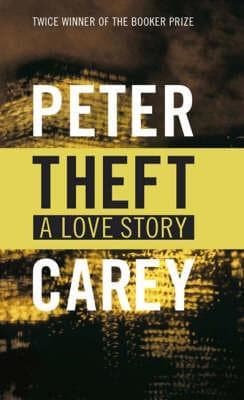
Peter Carey (2006)
Genre
Literary Fiction / Creativity / Romance
Reading Time
300 min
Key Themes
See below
Sign in to track this book
A disgraced Australian artist, caught in a web of forgery and a volatile romance, faces the true cost of creation and the redemptive power of love as he travels from rural Australia to urban galleries worldwide.
Hugh 'Butcher' Bones, a once-famous Australian painter, is released from prison after a fraud conviction related to his art. He lives on his father's old property, which he calls the 'Dog Farm,' a remote place in rural New South Wales. With him is his son, Che Selkirk, a quiet young man who drives and cares for Butcher, managing his father's moods and needs. Butcher deals with the loss of his artistic reputation and the isolation of his new home, often thinking about past successes and failures while managing his strained relationship with Che.
A black car arrives at the Dog Farm, bringing Marlene Leibovitz, a sophisticated American art historian and the widow of a famous, recently deceased painter named Michael Boone. She has traveled from New York to Australia to meet Butcher, carrying a large painting attributed to Butcher's ex-wife, Sarah Woodruff, also a painter. Marlene claims the painting, 'The Kiss,' belongs to her and wants Butcher to confirm its author. Her presence immediately disrupts Butcher and Che's isolated routine, creating a complex dynamic of suspicion, attraction, and artistic intrigue.
During their first talks, Butcher examines 'The Kiss' and, after some struggle and an outburst of artistic pride, tells Marlene the painting is his own work, not Sarah's. He explains he painted it when trying to copy Sarah's style and signed it with her name, a secret he kept for decades. This confession forms the basis of a new, illicit collaboration between Butcher and Marlene. They begin to plan how to 'authenticate' the painting as Sarah's, despite knowing the truth, for reasons that are unclear but suggest financial gain and a return to Butcher's artistic legacy.
As Butcher and Marlene's relationship grows and their plans for 'The Kiss' become more complex, Che watches their interactions with growing unease and suspicion. He notices their secret conversations, shared glances, and the tension between them. Butcher decides they must move to Sydney, supposedly to help with the 'authentication' process and access the art world. Che, loyal but increasingly burdened by his father's behavior and the moral ambiguity of the situation, reluctantly packs their things and drives them to a rented house in the city, feeling like an unwilling part of a deception.
In Sydney, Butcher and Marlene carefully create a false history for 'The Kiss.' They forge letters, make fake exhibition catalogs, and invent a story to establish the painting's origin as genuinely Sarah Woodruff's. This deception involves fabricating a connection to a wealthy Japanese art collector, Mr. Tanaka, who supposedly bought the painting from Sarah years ago. Che is often present, seeing the details of the forgery, his internal conflict growing as he deals with the ethics of their actions and his part in the scheme. The pressure grows as they prepare to introduce the painting to the international art market.
The forged Sarah Woodruff painting, 'The Kiss,' is successfully shown in Sydney, creating interest in the art world. However, the facade begins to crack. Hints emerge from art critics and experts who question the painting's authenticity and its attribution to Sarah. The art world's scrutiny, combined with Butcher's temperament and his desire for recognition, puts pressure on their scheme. Che, watching the drama, becomes more aware of how unstable their situation is and the potential for exposure.
Driven by conscience and concern for his father, Che confronts Butcher about the forgery and the lies around 'The Kiss.' In an emotional confession, Butcher reveals his past artistic deceptions, including how he sometimes painted in Sarah's style and signed her name, blurring authorship. He also admits his complicated feelings for Marlene, explaining their collaboration is not just about money or fame, but a desperate attempt to reclaim a lost sense of purpose. This confession brings a momentary, fragile understanding between father and son.
As the fraud around 'The Kiss' unravels, Marlene's true intentions become clearer. It is revealed she planned the scheme not just for money, but to improve her deceased husband Michael Boone's legacy, using Butcher's talent. The art world reacts with outrage, and the scandal erupts, leading to public humiliation and legal problems for Butcher. The world of deception collapses, leaving Butcher disgraced again and Che dealing with the aftermath of his father's choices and his own involvement.
The exposure of the fraud pushes Butcher into deeper despair and financial ruin. He loses his reputation, faces new legal action, and is ostracized from the art world. The 'Dog Farm' is lost, and Butcher loses his last status and security. Che, affected by the scandal, struggles to accept his father's behavior and the ethical compromises he saw. Their relationship is strained as Che tries to make his own way from his father's influence, while still bound by loyalty and love.
Years later, Che Selkirk, now an adult, thinks about his father's life, his artistic genius, and his flaws. He deals with the complex legacy Butcher left behind – brilliant art mixed with fraud, passion, and self-destruction. Che revisits the themes of authorship, authenticity, and the true value of art, trying to understand what drove his father. The novel ends with Che's thoughts on Butcher's memory, acknowledging the mark his father left on him and the art world, and the lasting questions about truth and beauty.
The Protagonist
Butcher's arc is one of decline and failed redemption, as he attempts to reclaim his artistic standing through deceit but ultimately succumbs to the consequences of his actions.
The Narrator and Supporting
Che's arc is one of growing moral awareness and eventual independence, as he navigates his father's destructive path and seeks to define his own identity separate from it.
The Antagonist/Supporting
Marlene's arc reveals her true manipulative nature, as her carefully constructed plans ultimately unravel, exposing her as a self-serving figure rather than a genuine lover of art.
The Mentioned/Supporting
Sarah's 'arc' is largely historical, as her past relationship with Butcher and her artistic legacy are reinterpreted and exploited, revealing the malleability of truth in the art world.
The Mentioned
Michael Boone's 'arc' is posthumous, as his legacy is manipulated and used as a tool in Marlene's scheme.
The novel explores the blurred lines between genuine art and skilled imitation. Butcher's act of painting 'The Kiss' in Sarah's style, then signing her name, questions the idea of single authorship and the value of an artist's signature. The efforts by Butcher and Marlene to create a false history for the painting show how easily the art market can be fooled by a convincing story, even when it's a lie. This theme makes the reader question what 'authenticity' really means – is it the painter, the intent, or the story built around it?
“It was her hand, he would tell himself, but it was his hand too. Two hearts beating as one, but one of them was a thief.”
Peter Carey looks at the complex and often destructive nature of artistic genius through Butcher Bones. Butcher's talent is clear, but it is mixed with arrogance, self-destruction, and a desperate need for recognition. The novel examines how an artist's legacy can be shaped, manipulated, and stolen, and the lengths people go to preserve or improve it. Both Butcher and Marlene want to control artistic narratives, showing the power dynamics in the art world and the human need for recognition beyond one's life.
“What was a man without his gift? A thief, perhaps. Or merely a ghost.”
The relationships in 'Theft' are full of complex emotions, especially the bond between Butcher and Che, and the volatile connection between Butcher and Marlene. Che's unwavering, yet burdened, loyalty to his father shows a deep codependency, where love is mixed with duty and a struggle against his father's destructive impulses. The relationship between Butcher and Marlene is a twisted romance built on shared deception, intellectual sparring, and a mutual understanding of each other's flaws. Betrayal is constant, in both artistic fraud and personal relationships, questioning the foundations of trust and affection.
“He loved his father, even when he hated him. It was a terrible, beautiful prison.”
The novel shows the relentless pursuit of ambition and the devastating effects when reputation is lost. Butcher Bones, once famous, finds himself disgraced and wanting to reclaim his former glory, leading him to fraud. Marlene Leibovitz, driven by her own ambition and a desire to elevate her late husband's legacy, plans the deception. The story shows the superficiality of the art market, where reputation and perceived value can override true artistic merit, and illustrates the profound personal and professional costs when that facade collapses.
“Reputation was a fragile thing, easily shattered, almost impossible to repair.”
The story is told through alternating first-person perspectives of Butcher and Che.
Peter Carey employs an innovative narrative structure, alternating between the first-person perspectives of Butcher Bones ('I') and his son, Che Selkirk ('I'). This allows for a multifaceted view of the events, with Butcher providing his grandiose, often unreliable, and artistically driven account, while Che offers a more grounded, morally aware, and observational perspective. The contrasting voices not only reveal their individual personalities and internal struggles but also highlight the generational and ethical divides between them, creating a rich, complex understanding of the plot and its characters.
A central object of deception, a painting falsely attributed to Sarah Woodruff.
'The Kiss' serves as the primary MacGuffin and catalyst for the entire plot. It is a painting created by Butcher Bones but signed with his ex-wife Sarah Woodruff's name, becoming the object of an elaborate authentication fraud orchestrated by Butcher and Marlene. The painting itself embodies the novel's central themes of authenticity, authorship, and the malleability of artistic truth. Its physical presence and disputed provenance drive the characters' actions, exposing their motivations, desires, and ultimately, their downfall.
Butcher's isolated, dilapidated rural property.
The 'Dog Farm' is more than just a setting; it acts as a symbolic representation of Butcher Bones's disgraced status and his internal state. This remote, decaying property in rural Australia initially serves as a place of exile and forced introspection for Butcher after his release from prison. Its desolation and lack of artistic stimulation amplify Butcher's feelings of artistic confinement and resentment. The 'Dog Farm' contrasts sharply with the glamorous art worlds of New York and Sydney, highlighting Butcher's fall from grace and the struggle for his artistic soul.
“I had been standing in the shadow of my own life, and the shadow was getting longer.”
— Michael Boone reflecting on his past and artistic career.
“The art of forgery is a cruel art, for it denies the forger his own voice.”
— Michael Boone's internal struggle with the nature of his father's work and his own.
“Every painting is a theft, in a way. You steal a moment, a light, a feeling, and make it your own.”
— Discussing the creative process and appropriation in art.
“Love, it turns out, is a kind of larceny.”
— Michael Boone contemplating his relationship with Marlene and the nature of desire.
“To be an artist is to live with a constant fear of not being seen, or, worse, being seen incorrectly.”
— Boone's anxieties about his artistic legacy and public perception.
“The past is not a foreign country; it is a room you cannot leave.”
— Reflecting on the inescapable influence of past events and relationships.
“We are all, in the end, just trying to make something that lasts.”
— A universal desire for permanence through creation.
“There is no such thing as a clean break, not in art, not in love, not in life.”
— Observing the lingering connections and echoes of past experiences.
“Beauty is a kind of argument, a way of insisting on something that might otherwise be ignored.”
— Michael Boone's perspective on the power and purpose of aesthetic beauty.
“The great lie of art is that it is ever truly original.”
— Challenging the notion of pure originality in creative works.
“To invent a past is not to escape it, but to remake it, and in doing so, to be remade yourself.”
— Exploring the act of narrative construction and its impact on identity.
“Every brushstroke is a risk, a gamble against the canvas, against time.”
— The inherent uncertainty and courage required in the act of painting.
“Perhaps the greatest works are those that contain their own undoing.”
— Considering the fragility and transient nature of art and its meaning.
“The landscape of desire is always shifting, always demanding a new map.”
— Marlene's perspective on the evolving nature of human wants and needs.
“He understood then that the truest theft was not of an object, but of a story.”
— Michael Boone's realization about the deeper implications of artistic appropriation and narrative control.
Ready to see how well you understood this book? Take our interactive quiz with 10 questions.
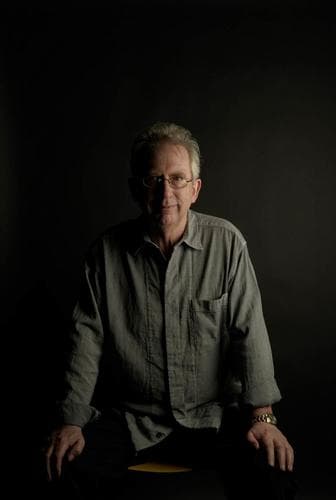
Peter Carey may refer to:Peter Carey, Australian rules player for Glenelg Peter Carey, English footballer Peter Carey (historian), British historian of south-east Asia Peter Carey (novelist), Australian novelist Peter Carey (umpire), Australian rules umpire "Black Peter" Carey, a fictional character in The Adventure of Black Peter, a Sherlock Holmes story by Sir Arthur Conan Doyle







