“Pacy, you're the oldest. You have to be a good example for your sisters.”
— Pacy's mother often reminds her of her responsibility as the eldest.

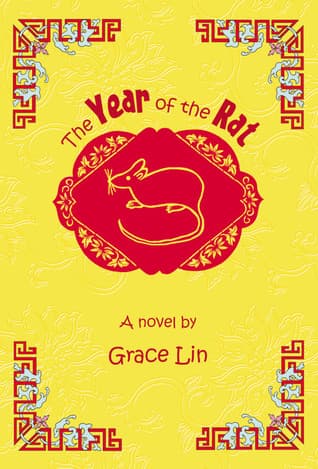
Grace Lin (2008)
Genre
Children's
Reading Time
180 min
Key Themes
See below
Sign in to track this book
In the Year of the Rat, Pacy deals with a new baby sister, her best friend moving, and finding her place, all while learning to accept changes that come with growing up Asian American.
As Chinese New Year nears, Pacy Lin feels worried. The previous year, the Year of the Dog, brought her a best friend, Melody, and a love for writing and illustrating. However, the coming Year of the Rat is said to be a year of change and bad luck, which makes Pacy uneasy. Her biggest worry is Melody's family moving, a possibility that becomes clearer as Melody's parents talk about job transfers. Pacy tries to ignore the move, focusing on New Year celebrations, but the idea of losing her best friend overshadows everything.
Despite Pacy's hopes, Melody's family moves to California. Pacy feels terrible. School is lonely without Melody. She feels alone during lunch and recess, struggling to connect with other classmates. Her attempts to join friend groups are met with polite rejections, making her feel like an outsider. Pacy misses Melody greatly, often thinking about their jokes and creative projects. Her best friend's absence makes the school year feel long and hard, confirming her fears about the 'unlucky' Year of the Rat.
A new boy named Lincoln moves into Melody's old house and starts at Pacy's school. Pacy is at first hesitant to befriend him, connecting him with Melody's absence. However, during a school project where they are paired, Pacy finds that Lincoln shares her love for stories and drawing. He is quiet and observant, like Pacy, and they bond over making a comic book. This unexpected friendship starts to fill the emptiness Melody left, showing Pacy that new connections are possible even when things change.
Pacy continues to learn about her family's Chinese heritage, often through her Ba-ba's stories. She learns about the zodiac animals and Chinese traditions. Her family life is busy, with her two older sisters, Lissy and Ki-Ki, often arguing or doing their own things. Pacy sometimes feels caught in the middle or unnoticed. Her parents support her art but also stress good grades, creating a gentle tension for Pacy as she tries to balance her interests with their expectations. She also sees cultural differences when Lincoln, who is not Chinese, observes her family's traditions.
Inspired by her work with Lincoln on their comic book, Pacy focuses again on her love for writing and illustrating. She spends hours drawing and developing stories, finding comfort and happiness in her creative world. Lincoln's quiet support and shared interest help Pacy overcome her shyness about her work. She learns that making stories is not just a personal thing but something that can be shared and enjoyed by others. This new focus on her art helps Pacy process her feelings about Melody and her place in the world.
Pacy gets a letter from Melody, describing her new life in California. While happy to hear from her, Pacy realizes that Melody is making new friends and having new experiences that Pacy is not part of. The letter, though loving, also shows the growing distance between them, not just physically but in their daily lives. Pacy feels a pang of sadness and a bit of jealousy, understanding that keeping their friendship across states will be harder than she thought. She struggles with how to respond, wanting to share her own new experiences but also fearing more separation.
The school announces an art contest, and Pacy, encouraged by Lincoln, decides to enter. She initially feels nervous about sharing her work, especially after feeling unnoticed at school. She puts her heart into her submission, creating a piece that shows her experiences and feelings during the Year of the Rat. This decision is a big step for Pacy, as she moves beyond her comfort zone and takes on the challenge of public recognition for her art. The contest becomes a personal goal, a way to prove her abilities to herself and others.
To Pacy's delight, Melody visits during a school break. Pacy is thrilled to have her best friend back, but she also feels a change in their relationship. Melody has changed, bringing new stories and interests from California. Pacy introduces Melody to Lincoln, and while they get along, Pacy feels a slight awkwardness, sensing the differences that have grown between her and Melody. The visit is a mix of joy and a subtle understanding that their friendship, though still strong, is changing and needs effort to maintain across the distance and new experiences.
The school art contest results are announced, and Pacy is happy to learn that she has won. This win is a big moment for her, confirming her art talent and hard work. It boosts her confidence and strengthens her love for drawing and storytelling. The win helps Pacy see that even though the Year of the Rat brought difficult changes, it also brought chances for growth and recognition. It makes her identity as an artist stronger and encourages her to keep pursuing her creative dreams.
As the Year of the Rat ends, Pacy thinks about the many changes it brought. While she still misses Melody, she has accepted the changing nature of their friendship and has built a new, strong friendship with Lincoln. She has become more confident in her art and has learned to adapt to new situations. Pacy realizes that while change can be hard, it also opens doors to new experiences, new friendships, and new chances for self-discovery. She looks forward to the Year of the Ox with new optimism and resilience.
The Protagonist
Pacy learns to cope with the loss of a close friendship, embrace new connections, and gain confidence in her artistic abilities.
The Supporting
Melody experiences her own changes and new friendships in a new city, demonstrating the natural progression of life.
The Supporting
Lincoln helps Pacy to heal from the loss of Melody and discover new aspects of her creative self.
The Supporting
He consistently provides wisdom and cultural grounding for Pacy, helping her navigate her personal challenges.
The Supporting
She provides consistent, loving support and structure for Pacy and her sisters.
The Supporting
Lissy continues her journey through adolescence, adding to the family's dynamic.
The Supporting
Ki-Ki grows alongside her sisters, contributing to the realistic portrayal of sibling relationships.
The Mentioned
She serves as a positive influence and facilitator for Pacy's artistic development.
This theme is about the challenges of friendship, especially the pain of losing a best friend and the effort needed to keep long-distance relationships. Pacy's sadness over Melody's move shows how strong childhood friendships are. The story explores Pacy's initial loneliness and her eventual understanding that friendships change. It shows that while some connections may change, new ones can form, as seen with Lincoln. It teaches readers about resilience when facing emotional loss and the ability to form new bonds.
“I didn’t want to be the new kid again. I wanted Melody back. I wanted everything to be the way it was before.”
Pacy's love for drawing and storytelling is a part of who she is. Her art helps her express emotions, deal with change, and show herself. Through her work with Lincoln and her part in the art contest, Pacy gains confidence in her talents and finds her voice. Her art journey helps her understand who she is beyond her friendships and family roles, confirming her as an individual with creative abilities. The book stresses the importance of following one's interests.
“I wasn't just Pacy, Melody's best friend. I was Pacy, the one who drew stories.”
The 'Year of the Rat' is a year of change, and Pacy at first fears it will bring bad luck. The story shows how a child deals with big life changes, such as a best friend moving away and adjusting to new social situations at school. Pacy's journey shows how to accept the unavoidable, find new ways to cope, and eventually discover that change, though hard, can lead to growth and new chances. She learns that not all change is 'bad luck.'
“Maybe the Year of the Rat wasn't just about bad luck. Maybe it was about new beginnings too.”
The Lin family's Chinese-American heritage is in the story, especially through Ba-ba's tales about the Chinese zodiac and traditions. Pacy's understanding of her culture grows, giving her a sense of belonging and a unique view of the world. The family life, including sibling arguments and parental advice, creates a warm and real background to Pacy's personal struggles. The book explores how cultural background shapes individual experiences and helps understand life events.
“Ba-ba always said that every year had its own special character, just like every person.”
A cultural framework that foreshadows and interprets events.
The concept of the 'Year of the Rat' serves as a significant plot device. It introduces an element of cultural superstition and foreshadowing, as Pacy initially fears it will be a year of bad luck and change. This belief frames Pacy's initial anxiety about Melody's move and other challenges. As the story progresses, Pacy's understanding of the year evolves, demonstrating how cultural beliefs can be reinterpreted to find meaning and hope in difficult circumstances. It provides a thematic structure for Pacy's journey through change and adaptation.
A device highlighting the challenges and evolution of long-distance friendship.
Letters between Pacy and Melody are a key plot device for maintaining their connection despite physical distance. These letters highlight the challenges of long-distance friendship, as they reveal the different experiences and new friends each girl is making. They underscore the growing emotional and experiential gap between them, forcing Pacy to confront the reality that their friendship, while still important, is changing. The act of writing and receiving letters also emphasizes the effort required to sustain such a bond.
A device for character development, emotional expression, and connection.
Pacy's love for drawing and storytelling is not just a character trait but a crucial plot device. Her creative endeavors, including her comic book project with Lincoln and her entry into the school art contest, drive her personal growth and provide a means for her to express and process her emotions. Her art allows her to connect with Lincoln, find her confidence, and receive validation for her unique talents. It is through her creative pursuits that Pacy ultimately finds her sense of self and purpose amidst the changes in her life.
A character who represents new beginnings and the possibility of new connections.
Lincoln's arrival in Melody's old house is a significant plot device. Initially, he represents the void left by Melody, a painful reminder of her absence. However, his presence quickly transforms into an opportunity for Pacy to form a new, meaningful friendship. Lincoln's quiet, artistic nature and shared interests with Pacy allow her to heal from her loneliness and discover that new connections can be just as fulfilling as old ones. He symbolizes the idea that even in loss, there is room for new growth and happiness.
“Pacy, you're the oldest. You have to be a good example for your sisters.”
— Pacy's mother often reminds her of her responsibility as the eldest.
“It was the Year of the Rat, and I was going to be twelve. It was supposed to be a lucky year.”
— Pacy reflects on the significance of the upcoming year for her.
“Sometimes being the oldest meant you got to do things first, but it also meant you had to do things first, even if you didn't want to.”
— Pacy muses on the pros and cons of being the eldest child.
“A true artist doesn't just copy. A true artist creates something new.”
— Pacy's art teacher offers advice on originality.
“It was a good thing I had my sisters. Even when they were annoying, they were still my sisters.”
— Pacy acknowledges the bond with her siblings despite their squabbles.
“Maybe luck wasn't something you waited for. Maybe it was something you made.”
— Pacy considers her agency in creating her own fortune.
“I wondered if growing up meant you just kept having more and more things to worry about.”
— Pacy contemplates the complexities of maturity.
“The hardest part about saying goodbye was knowing that things would never be exactly the same again.”
— Pacy reflects on a significant departure or change.
“Even if you made a mistake, you could always try again. That's what art was about, and that's what life was about too.”
— Pacy connects the process of art to life's lessons.
“Sometimes the things you were most afraid of turned out to be not so bad after all.”
— Pacy experiences a situation that challenges her fears.
“Our family was like a patchwork quilt. All different pieces, but all sewn together.”
— Pacy describes the unique blend of her family members.
“It wasn't about being perfect. It was about trying your best.”
— Pacy learns a valuable lesson about effort versus perfection.
“Home wasn't just a place. It was the people who were there with you.”
— Pacy reflects on the true meaning of home.
“Having a best friend was like having a secret keeper, a laugh sharer, and a problem solver all rolled into one.”
— Pacy contemplates the value of her best friend.
Ready to see how well you understood this book? Take our interactive quiz with 10 questions.

Biography coming soon.

Dan Gemeinhart
4.5

Kate O'Hearn
4.4

Jeanne Birdsall
4.4

Jen Wang
4.4
Wendelin Van Draanen
4.3

John Marsden
4.3

Chris Van Allsburg
4.3
Jennifer A. Nielsen
4.2