
Andrea Cheng is the author of the acclaimed children's book, "The Year of the Book." Her writing often explores themes of identity and belonging through engaging fictional narratives. Cheng's work is celebrated for its accessible prose and relatable characters, making it a favorite among young readers and educators alike.
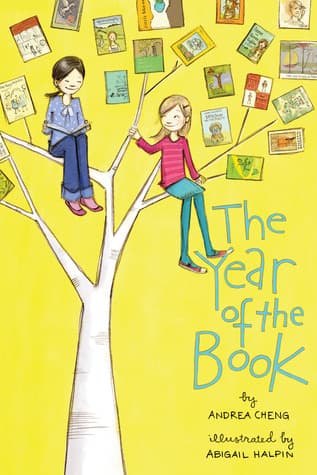
Archivist's Choice
The Year of the Book
Genre
Children's
Reading Time
12 Minutes
Key Themes
See below
Track Your Reading
Sign in to track this book
Anna finds comfort and wisdom in books, but learning about real-life friendship means stepping beyond her beloved stories.
Synopsis
Anna, a young girl who finds solace and companionship within the pages of her beloved books, navigates the often confusing and complicated world of real-life friendships. As she delves into literary adventures, she simultaneously grapples with the challenges of making and being a true friend, learning that while books offer escape and wisdom, the nuances of human connection must be experienced firsthand. The story subtly explores themes of belonging, self-discovery, and the true meaning of 'peng you' (friend in Chinese) as Anna learns to bridge the gap between her rich inner world and the social dynamics of her peers.
Difficulty
Easy
Pacing
Slow
Mood
Heartwarming, reflective, comforting, quiet, gentle
Plot Summary
Anna's World of Books
Anna, a Chinese-American girl, starts fourth grade. She loves books, finding comfort and adventure in them. Reading is her favorite activity; she often escapes into worlds by authors like Madeleine L'Engle and Jean Craighead George. While her classmates easily make friends, Anna struggles, often feeling left out. She has a best friend, Laura, but their friendship feels strained and competitive. Anna's parents want her to be more outgoing, but she finds it hard to connect her inner world of stories with the confusing social dynamics of her peers.
The First Day of Fourth Grade
On the first day of fourth grade, Anna sees the established groups and changing friendships. She notices girls like Sarah and Emily, who seem to have an easy bond, and feels a longing. Her best friend, Laura, seems more interested in fitting in with the popular girls than spending time with Anna. This shift makes Anna feel more alone, strengthening her belief that books are better companions. She tries to join playground activities but often stays on the edge, watching rather than participating, and reads during free time.
A Falling Out with Laura
Anna and Laura argue over 'A Wrinkle in Time.' Laura accuses Anna of spoiling parts of the story, and the argument grows, showing hidden tensions in their friendship. This conflict leaves Anna hurt, confirming her idea that friendships are fragile. She retreats further into her reading, finding comfort in the clear narratives of books, where character motivations are defined, unlike the messy reality of human relationships.
Observing the Popular Girls
Anna spends a lot of time watching the 'popular' girls in her class, especially Sarah and Emily. She notices their laughter, shared secrets, and strong bond. She wishes she could be part of such a group but feels an invisible barrier. She tries to understand their social cues, hoping to learn the 'rules' of friendship. However, her attempts to copy their behavior often feel awkward, pushing her further into herself and making her feel more like an outsider.
The Library and Mrs. Nelson
The school library is Anna's refuge. She spends lunch breaks there, surrounded by books, and finds a friend in Mrs. Nelson, the librarian. Mrs. Nelson understands Anna's love for reading and recommends books, creating a safe space. This gives Anna a sense of belonging, a quiet one, and strengthens her passion for literature. Mrs. Nelson's gentle encouragement helps Anna feel less isolated and nudges her to engage with the world beyond the pages.
A New Girl, Camille
A new girl named Camille joins Anna's class. Camille is quiet and initially struggles to make friends, reminding Anna of her own difficulties. Anna sees Camille's awkward attempts to connect with others and feels empathy. However, Anna is too shy to reach out to Camille herself, fearing rejection or not knowing what to say. This shared experience of being an outsider creates a quiet, unspoken bond between them, though neither acts on it right away.
The Class Play
The class starts rehearsals for a play, and Anna, surprisingly, enjoys the process. She doesn't have a big role, but she likes the shared purpose and the chance to interact with classmates in a structured environment. She has a few small, positive interactions with different children, including Camille, and for a short time, feels a sense of belonging she rarely experiences. This offers a glimpse into connecting with others through shared activities.
Reaching Out to Camille
Encouraged by Mrs. Nelson and her empathy for Camille, Anna finally invites Camille to read with her during lunch in the library. This is a big step for Anna, as it means overcoming her shyness and taking a risk. Camille accepts, and they share a quiet, comfortable reading session. This first interaction is small but important, marking the start of a potential friendship based on a shared love for books and understanding what it feels like to be an outsider.
A Shared Love for Books
Anna and Camille's friendship grows as they discover their shared love for books. They recommend titles, discuss characters and plots, and enjoy reading together. This common interest provides an easy way for them to connect, allowing their friendship to develop. They don't need to force conversations or navigate social games; their bond is built on a genuine passion. This friendship feels different from her strained relationship with Laura, marked by mutual respect and understanding.
Understanding Laura
As Anna's friendship with Camille grows, she also sees her relationship with Laura differently. She realizes that friendships, like people, change and sometimes drift apart. While she still feels a bit sad about the distance between her and Laura, she understands it's a natural part of growing up. She learns that not all friendships last forever, and new ones can bring different joys. This helps her let go of some hurt and accept the complexities of human relationships.
The Power of Peng You
Through her journey, Anna understands 'peng you,' the Chinese word for friend. It is not just about having someone to play with, but about shared interests, empathy, and support. She learns that friendship takes effort, vulnerability, and courage. Her experiences with Camille teach her that true friendship can be found in unexpected places and that sometimes, the quietest connections are the deepest. She no longer feels pressure to force friendships or fit a mold, finding contentment in real bonds.
Looking Ahead
By the end of the year, Anna has changed. She still reads a lot, but she has also found a true friend in Camille. She feels more confident in herself and her interests, no longer feeling pressure to conform. She understands that her love for books is a strength and can connect her with others. Anna looks forward to the next year with optimism, knowing she has learned about friendship, self-acceptance, and the joy of sharing her world.
Principal Figures
Anna Wang
The Protagonist
Anna transforms from an introverted girl who hides in books to someone who uses her love for reading as a bridge to forge a meaningful friendship, learning to navigate social complexities.
Laura
The Supporting
Laura moves away from her close friendship with Anna, demonstrating the natural evolution and sometimes painful dissolution of childhood bonds as interests diverge.
Camille
The Supporting
Camille starts as an isolated new student and finds a genuine connection with Anna, demonstrating the power of shared interests in forming deep friendships.
Mrs. Nelson
The Supporting
Mrs. Nelson consistently provides a safe, encouraging space for Anna, helping her to build confidence and bridge her love of books with real-world interactions.
Sarah and Emily
The Supporting
Sarah and Emily remain static, serving as a social benchmark against which Anna measures her own struggles and eventual growth in friendship.
Anna's Parents
The Supporting
Anna's parents consistently encourage her social development, gradually understanding and accepting her unique way of connecting with the world.
Themes & Insights
The Nature of Friendship
The novel explores the challenges and rewards of friendship, especially in childhood. It shows how friendships change, sometimes end (like Anna and Laura), and how new, real connections can form (Anna and Camille). It highlights that true friendship is not about popularity but about shared interests, understanding, and acceptance. Anna's journey shows the effort and vulnerability needed to build meaningful bonds and the different forms friendship can take.
“In Chinese, peng you means friend. But in any language, all Anna knows for certain is that friendship is complicated.”
The Power of Books and Reading
Books are central to Anna's life. They are a refuge, a comfort, and a way to understand the world. They give her companionship and insights she initially struggles to find in real life. The theme explores how literature shapes identity, offers solace, and can connect people who share a passion. Ultimately, Anna learns that her love for books is not an escape, but a valuable part of her identity that can lead to real connection.
“Whether traveling through A Wrinkle in Time, or peering over My Side of the Mountain, books provide what real life cannot—constant companionship and insight into her changing world.”
Self-Acceptance and Identity
Anna's journey is about accepting herself, including her quiet nature and love for reading, rather than trying to fit in. She initially feels inadequate compared to her more social classmates. The novel suggests that true happiness comes from embracing one's unique identity. By the end, Anna finds confidence in her true self, realizing her interests are a strength that can attract like-minded friends.
“Books, however, can’t tell Anna how to find a true friend. She’ll have to discover that on her own.”
Empathy and Understanding
The story emphasizes empathy, both for others and for oneself. Anna's ability to observe Camille's struggles as a new student motivates her to reach out. Her growing maturity helps her understand Laura's changing priorities without bitterness. The book suggests that understanding others, whether through stories or observation, builds stronger, more compassionate connections.
“Anna knew exactly how Camille felt. She often felt invisible too.”
Plot Devices & Literary Techniques
Symbolism of Books
Books as both a refuge and a bridge.
Books serve as a powerful symbol throughout the novel. Initially, they represent Anna's escape from the confusing and sometimes painful realities of social interaction. They are her constant companions and provide a predictable, safe world. As the story progresses, books transform into a bridge, becoming the very thing that connects Anna to Camille and allows her to build a real-life friendship. They symbolize shared interests as a foundation for connection and the idea that one's passions can be a source of strength, not isolation.
Parallelism
Anna's struggles mirrored in Camille's experience.
The introduction of Camille, a new student who also struggles to make friends, creates a strong parallel with Anna's own experiences. This device allows Anna to see her own feelings and difficulties reflected in someone else, fostering empathy and providing the impetus for her to reach out. Camille's initial isolation mirrors Anna's, making their eventual connection feel organic and mutually beneficial, as they both understand what it's like to be an outsider. This parallelism highlights the universality of feeling alone.
Internal Monologue
Anna's inner thoughts reveal her struggles and growth.
Much of the story is conveyed through Anna's internal monologue, giving readers direct access to her thoughts, feelings, and observations. This device effectively portrays her shyness, her anxieties about friendship, her deep love for books, and her analytical approach to social situations. It allows the reader to intimately understand her perspective and witness her gradual shift from insecurity to self-acceptance and confidence. Her inner world is rich, providing contrast to her often quiet external demeanor.
The School Library as a Sanctuary
A physical space for emotional safety and growth.
The school library functions as a literal and metaphorical sanctuary for Anna. It is a place where she feels safe, understood, and at peace, away from the pressures of the playground and classroom social dynamics. Under Mrs. Nelson's gentle guidance, it becomes a space for intellectual curiosity and emotional growth. More importantly, it is where Anna ultimately takes the brave step of inviting Camille to read with her, transforming it from a place of solitary comfort to one of shared connection and the birthplace of a new friendship.
Critical analysis
Notable Quotes
Quiz
Test Your Knowledge
Ready to see how well you understood this book? Take our interactive quiz with 10 questions.
10
Questions
~5
Minutes
?
Best Score
Key Questions (FAQ)
"The Year of the Book" by Andrea Cheng is a children's novel about a young girl named Anna who finds solace and companionship in books when she struggles with real-life friendships. The story explores the complexities of making and being a friend.
Similar books

The Remarkable Journey of Coyote Sunrise
Dan Gemeinhart
4.5

The Runaway
Kate O'Hearn
4.4

The Penderwicks in Spring
Jeanne Birdsall
4.4

The Prince and the Dressmaker
Jen Wang
4.4
The Running Dream
Wendelin Van Draanen
4.3

The Rabbits
John Marsden
4.3

The Polar Express
Chris Van Allsburg
4.3
The Runaway King
Jennifer A. Nielsen
4.2