“It was not a house, it was a home. It was not a place, it was a feeling.”
— Kvothe reflecting on the feeling of being with his family, early in the book.

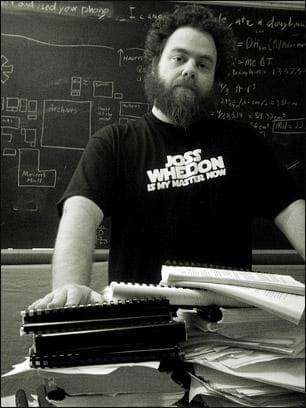
Patrick Rothfuss (2011)
Genre
Fantasy
Reading Time
1200 min
Key Themes
See below
Sign in to track this book
Away from the University, Kvothe navigates court intrigue, battles mythical assassins, and travels into the dangerous Fae, all while uncovering the dark truths of his past.
Kvothe's continuing conflict with Ambrose Jakis becomes intense when Ambrose tries to falsely accuse him. Though Kvothe clears his name, the political maneuvering and Ambrose's family power make his position at the University uncertain. To avoid more trouble and follow a lead on the Amyr, Kvothe accepts an offer of support from Maer Alveron, a powerful nobleman in Vintas, and leaves the University. This marks a significant change in his life, taking him from academics to the complex, often dangerous, world of high society and politics.
In Vintas, Kvothe quickly finds himself in the complex world of court etiquette and political schemes at Maer Alveron's estate. He struggles at first with the unspoken rules but gradually learns to adapt, even impressing the Maer with his cleverness and skills. He becomes a trusted advisor, helping the Maer with money matters and even discovering a plot to poison him. During this time, Kvothe develops a strong attraction to Lady Meluan Lackless, the Maer's intended bride and a noblewoman connected to the Chandrian through her family name. Their developing romance is complicated by her strong prejudice against the Edema Ruh, Kvothe's people.
The Maer gives Kvothe a important mission: to lead a group of mercenaries into the Eld, a dangerous wilderness, to hunt down bandits who have been attacking travelers on the King's Road. Kvothe, despite his lack of military experience, proves to be a surprisingly good leader, earning the respect of his tough companions, including Tempi. During this trip, Kvothe meets Felurian, a legendary fae creature, though he does not know it at the time. He also continues his personal search for information about the Amyr and the Chandrian, hoping the bandits might offer some clues.
While tracking the bandits in the Eld, Kvothe accidentally enters the Fae realm and meets Felurian, a legendary faerie woman known for seducing mortals and never letting them leave. He is captivated by her beauty and power, spending an unknown amount of time with her. Felurian teaches him deep secrets about shaping and naming, and he learns to speak her language, Faen. Against all odds, Kvothe manages to escape her, the first mortal to ever do so, and even receives a magical cloak from her before returning to the mortal world, changed by the experience.
After returning from the Fae, Kvothe travels with Tempi to Ademre, the home of the legendary Adem mercenaries. There, he undergoes strict training to learn the Ketan, their silent martial art, and the Lethani, their complex philosophy of action and intention. He struggles at first with their culture and silent communication but eventually earns their respect and a sword, Saicere, which he renames Caesura. This period of intense physical and mental discipline changes Kvothe, teaching him control, patience, and a new understanding of himself and the world.
Returning from Ademre, Kvothe rejoins the Maer's service. He successfully leads the mercenaries to defeat the remaining bandits, revealing their leader to be a former arcanist named Cinder, a member of the Chandrian. This meeting gives Kvothe a direct, though brief, confrontation with his parents' killers. He also plays an important part in securing Lady Meluan's marriage to the Maer, despite her initial hesitation due to Kvothe's Ruh background. His actions earn him wealth, a title, and the Maer's lasting trust, but also make him a target for future political plots.
Back at the University, Kvothe's reputation has spread. He is now a legendary figure, both admired and feared, which complicates his life. His relationship with Denna suffers due to his growing fame and his inability to be honest about his experiences. His studies are also affected, as he finds himself increasingly distracted by his reputation and the political consequences from his time in Vintas. The University, once a safe place, now feels like another stage where he must perform, and his increasing control over Naming and Sympathy also attracts unwanted attention.
Throughout his travels and back at the University, Kvothe continues to see Denna, their relationship a complex dance of affection, misunderstanding, and unspoken desires. He becomes increasingly worried about her mysterious patron, 'Master Ash' or 'Cinder,' whom Denna describes as charming but also demanding and controlling. Kvothe suspects the patron is connected to the Chandrian, especially after his meeting with Cinder in the Eld, and fears for Denna's safety. This unresolved mystery creates significant tension and distrust between Kvothe and Denna, hindering their potential romance.
Kvothe's time in Vintas and Ademre gives him more pieces of information about the Amyr and Chandrian. He learns about the Cthaeh, a prophetic, evil creature in the Fae, and the true nature of Cinder as one of the Chandrian. The Adem's stories and the Maer's historical records offer glimpses into ancient conflicts and the reasons of these elusive groups. However, each piece of the puzzle only seems to show how vast the mystery is, and the true nature of the Amyr, their purpose, and their connection to the Chandrian remain mostly hidden, leaving Kvothe with more questions than answers.
As Kvothe's adventures happen, stories about him spread quickly across the Four Corners. He becomes 'Kvothe the Arcane,' 'Kvothe the Bloodless,' and 'Kvothe the Kingkiller.' He finds himself less and less able to control the stories about him, and the gap between the man and the legend grows. This creates both opportunities and significant burdens, affecting his relationships, his studies, and his mental state. The book explores the dangers of fame and how a man can become trapped by the stories people tell about him, hinting at the tragic future of Kote, the innkeeper.
The Protagonist
Kvothe transforms from a prodigy into a legendary figure, grappling with the responsibilities and consequences of his fame while deepening his understanding of the world's hidden powers and his own identity.
The Supporting
Denna remains largely static in her pursuit of independence and her complex relationship with her patron, serving as a constant, alluring mystery in Kvothe's life.
The Supporting
The Maer's character remains consistent as a powerful lord, but his trust and reliance on Kvothe deepen, leading to significant political and personal decisions.
The Supporting
Tempi's character remains steadfast, serving as Kvothe's cultural guide and martial arts mentor, evolving their relationship from mentor-student to a bond of mutual respect.
The Supporting
Felurian remains a static, primordial force of nature, serving as a pivotal experience for Kvothe that grants him unique knowledge and a deeper understanding of magic.
The Antagonist
Cinder's role as a primary antagonist is solidified, with his true identity and connection to Denna revealed, deepening his personal significance to Kvothe's quest.
The Supporting
Meluan's initial prejudice towards the Edema Ruh softens somewhat due to Kvothe's actions, but her core beliefs remain, reflecting the societal challenges Kvothe faces.
The Supporting
Bast's character remains consistent as Kvothe's loyal apprentice, his primary arc being his continued efforts to encourage Kote to return to his former self.
This theme explores how stories shape what people believe and what is real, and the difficulty of living up to a legendary reputation. Kvothe actively creates his story, but also finds himself caught by the tales others tell about him, often exaggerating or misrepresenting his actions. His time in Vintas and Ademre sees his legend spread quickly, forcing him to face the difference between his true self and the 'Kvothe the Arcane' that people imagine. This hints at his current identity as Kote, an innkeeper trying to escape his past.
““There are three things all wise men fear: the sea in storm, a night with no moon, and the anger of a gentle man.””
Kvothe's journey is one of continuous self-discovery, as he learns about his own abilities, limits, and the true nature of the world. His time with Felurian teaches him about shaping and the deeper magic of naming, while his training with the Adem forces him to confront his impulsiveness and learn discipline. He constantly struggles with his Edema Ruh background versus his intellectual pursuits at the University and his noble role in Vintas. Each experience changes who he is, revealing parts of his complex identity and the potential for both greatness and destruction within him.
““It’s like trying to catch a fish in the air. Or like trying to teach a pig to sing. It’s hard to make a thing go where it doesn’t want to go.””
Kvothe's romantic relationships and strong friendships are central to the story. His complicated, often frustrating relationship with Denna is a constant source of both happiness and pain, marked by unspoken desires and the shadows of her mysterious patron. The loss of his family drives his quest, and his experiences with betrayal, both small and potentially disastrous (like Ambrose's plans), shape his cautious nature. Even his time with Felurian, while seductive, carries a risk of losing himself, highlighting the high stakes of emotional connections in his life.
““Love is a thing that is sometimes cursed, and sometimes it is a blessing. It is the best and worst of all things.””
The book explores different forms of power and magic beyond just Sympathy. Kvothe learns the ancient art of Naming from Felurian and the Adem, understanding its deep connection to the true nature of things. He also sees the raw, ancient power of the Fae realm and the subtle, dangerous influence of the Chandrian. Political power, used by figures like Maer Alveron and Ambrose Jakis, is also explored, showing its ability to shape destinies and cause harm, often without obvious magic. This theme shows that power takes many forms, all with consequences.
““The greatest power is often that which is not seen.””
Kvothe regularly faces prejudice because of his Edema Ruh background, especially in Vintish high society. Lady Meluan's initial dislike of him, based solely on his background, shows the deep-seated biases within the social hierarchy. Despite his great talents and good deeds, Kvothe struggles to overcome the stigma associated with his people. This theme highlights the unfairness of social classes and how it affects individuals, even those as gifted as Kvothe, shaping their opportunities and interactions. It is a constant reminder of the world's harsh realities.
““A man’s good name is not so easily bought, nor so easily lost. Unless it is given away by a fool.””
The main narrative is told as a flashback by an older Kvothe (Kote) to Chronicler.
The entire story of Kvothe's life is presented as a lengthy flashback, narrated by an older, seemingly broken Kvothe, now an innkeeper named Kote, to Chronicler and Bast. This device allows for an omniscient, reflective perspective on past events, with Kote often interjecting with commentary or hints about his future. It also creates a sense of dramatic irony, as the reader knows Kvothe's legendary past will lead to his current, diminished state, building suspense about what caused his fall.
A malevolent, omniscient fae creature whose prophecies always come true.
The Cthaeh is a powerful and ancient fae creature, trapped in a tree, with the ability to see all possible futures. Its words are always true, but it uses its knowledge to subtly manipulate events for the worst possible outcome, sowing discord and tragedy. Kvothe's encounter with the Cthaeh in the Fae realm is a pivotal moment, as the creature provides him with crucial, yet terrifying, information about the Chandrian and Denna's patron. This device introduces a powerful element of fate and free will, hinting at the predetermined nature of Kvothe's future misfortunes.
The ancient magic of knowing the true name of things to control them.
Naming is a profound and ancient form of magic, distinct from Sympathy, where a practitioner learns the true, underlying name of an object or concept, granting them immense power over it. Kvothe begins to truly understand and practice Naming during his time with Felurian and the Adem. This device represents a deeper, more intuitive connection to the world's fundamental forces. It emphasizes the power of language and understanding, contrasting with the more scientific, rule-based Sympathy taught at the University, and hints at the vast, untapped magical potential within Kvothe.
The Adem philosophy of action, intention, and balance.
The Lethani is the complex and nuanced philosophy that guides the Adem people, encompassing their martial art (the Ketan), their silent communication, and their entire way of life. It emphasizes understanding the true intention behind an action, finding balance, and moving with purpose and grace. Kvothe's struggle to learn and embody the Lethani is a significant part of his character development. This device provides a unique cultural lens through which to explore themes of discipline, self-control, and the ethical implications of power, offering a profound counterpoint to the more impulsive aspects of Kvothe's personality.
“It was not a house, it was a home. It was not a place, it was a feeling.”
— Kvothe reflecting on the feeling of being with his family, early in the book.
“Words are pale shadows of forgotten names. As names have power, words have power. Words can light fires in the minds of men. Words can tear down a nation's walls of defense. Words can raise children from the dead.”
— Elodin's lecture to Kvothe about the power of names and words.
“The greatest danger in the world is to be afraid of it.”
— A lesson Kvothe learns about facing his fears.
“There are three things all wise men fear: the sea in storm, a night with no moon, and the anger of a gentle man.”
— A classic saying repeated by several characters, highlighting the danger of hidden depths.
“It's not a matter of whether or not you'll get hurt. It's a matter of how badly and how long.”
— Kvothe reflecting on the inevitability of pain and struggle.
“When you have nothing left to lose, you have everything to gain.”
— Kvothe's mindset when facing desperate situations.
“A man who cannot stand to have his own company is a man who cannot stand to be alone.”
— Kvothe contemplating the nature of solitude and self-acceptance.
“The truth is a fickle thing. It can be beautiful and terrible, gentle and cruel.”
— Kvothe's understanding of the complexities of truth.
“Knowledge is a good thing, but it is not the only thing.”
— A thought Kvothe has about the limitations of pure intellect.
“Love is a thing that can make a man do beautiful things. And terrible things.”
— Kvothe's observations on the powerful and often contradictory nature of love.
“A story is a way to say things that can't be said any other way.”
— Kvothe, a storyteller himself, reflecting on the essence of narrative.
“There are no heroes. There are only people. And people are complicated.”
— Kvothe's cynical view of heroism after experiencing the harsh realities of the world.
“The road to hell is paved with good intentions. But the road to heaven is paved with them too.”
— Kvothe musing on the unpredictable outcomes of actions, regardless of intent.
“It is not the task of a storyteller to make you remember. It is the task of a storyteller to make you wonder.”
— Kote explaining his approach to telling his own story.
Ready to see how well you understood this book? Take our interactive quiz with 10 questions.
Biography coming soon.







