“The world is divided into two categories of people: those who believe that there is nothing new under the sun, and those who are constantly looking for new things.”
— Igor's philosophical observation on humanity's approach to life.

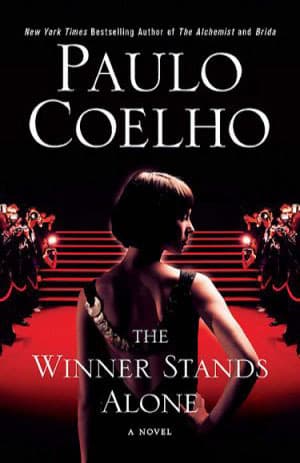
Paulo Coelho (2008)
Genre
Thriller / Mystery / Philosophy / Romance
Reading Time
360 min
Key Themes
See below
Sign in to track this book
At the Cannes Film Festival, a killer driven by a twisted vision of immortality hunts his next victim, forcing a look at the dark side of celebrity and the cost of chasing illusions.
The Cannes Film Festival is a display of wealth and celebrity. Amidst the glamour, Igor Malev, a Russian telecom magnate, arrives with a dark goal. He is obsessed with his ex-wife, Ewa Malev, a model who left him two years ago for Hamid Hussein, a fashion designer. Igor believes Ewa's happiness with Hamid insults him. He plans to destroy the 'Superclass' — the elite who, he feels, stole Ewa from him and represent everything he hates. His ultimate goal is to make Ewa realize her mistake and return to him, even if it means extreme violence.
Igor begins his plan by targeting an aspiring model named Gabriela. He lures her to a secluded spot, pretending to offer a prestigious contract. Alone, Igor murders her, making it look like a random act of violence. He intends to send a chilling message to the Superclass, believing that by eliminating one of them, he will cause fear and chaos, disrupting their world. The murder creates unease, though many attendees initially dismiss it, unwilling to let it ruin their extravagant experience.
While carrying out his violent acts, Igor constantly seeks out Ewa. He stalks her, observing her interactions with Hamid and other Superclass members. He analyzes her every move, looking for any sign of unhappiness, convinced his actions will lead her back to him. His obsession fuels his decisions. He interprets her smiles and conversations as a personal insult, solidifying his belief that his destructive path is justified. He imagines her fear and eventual realization that he is the only one who truly understands her.
Igor's second victim is a film producer, a man deeply connected to the Superclass. He plans the murder in a more public setting, aiming to increase fear and disruption at the festival. This act sends a stronger message to the elite, forcing them to see a dangerous person operating among them. Police presence increases, but Igor, with his planning, avoids detection. His actions are not random; each victim is chosen to symbolize an aspect of the Superclass he despises, reinforcing his twisted justification for his crimes.
Hamid Hussein, initially unconcerned by the first murder, worries more when the second victim is found. He is observant, and the pattern of killings, targeting his social circle, troubles him. He also notices Igor's lurking presence, a reminder of the Russian's past obsession with Ewa. Hamid begins to connect the events, realizing these are not random acts but calculated attacks with a personal motive. He tries to protect Ewa, but the festival's chaos and Igor's stealth hinder his efforts.
Maor, an ambitious journalist, investigates the murders, sensing a deeper story beyond official reports. He interviews attendees, observes the Superclass's reactions, and connects the incidents. Maor's pursuit of truth puts him on a path with Igor, as he slowly uncovers the motive and potential killer. His dedication drives him; he sees this as a chance to expose the dark side of the glamorous world he covers and make a name for himself in journalism.
Ewa, despite trying to ignore the unsettling atmosphere, feels a growing unease. She sees Igor, his intense gaze following her, confirming her fears. The murders, with Igor's presence, make her realize she is a target or connected to the violence. She struggles to reconcile the man she once loved with the terrifying person he has become. Her past with Igor casts a long shadow over her current happiness with Hamid. This realization brings fear, threatening to shatter her world.
Igor finally confronts Ewa, cornering her. He reveals his twisted plan, confessing to the murders and explaining his belief that these acts are necessary to 'cleanse' the Superclass and win her back. He sees himself as a righteous avenger, punishing those who, in his mind, caused his perceived loss of Ewa. Ewa is horrified by his confession and delusion. The confrontation is terrifying, as she faces Igor's madness and the chilling reality of his obsession.
Hamid, now fully aware of Igor's guilt and dangerous intentions, teams up with Maor, who has gathered evidence against Igor. They race to expose Igor and prevent further atrocities. Their combined efforts lead them through the chaotic festival, following Igor's trail and trying to anticipate his next move. They understand Ewa is in grave danger, and the stakes are high. The pursuit is tense, as they navigate the festival's complexities and their elusive target.
Igor's final act of violence is planned for maximum impact and public spectacle. He targets a prominent figure during a major festival event, aiming to send his ultimate message to the Superclass. However, Hamid and Maor intervene just in time. A tense confrontation follows, leading to Igor's capture or demise, depending on the narrative's justice. The climax is a chaotic and emotional end to the story, stopping Igor's reign of terror and leaving the Superclass shaken.
After Igor's rampage, the Superclass faces the fragility of their privileged lives and their world's dark side. The events leave a mark, shattering their illusions of invincibility. Ewa, though safe, is scarred, forced to come to terms with obsession and her past choices. The novel ends with a reflection on fame, wealth, and the emptiness that can lie beneath glamour, prompting the reader to consider the cost of success and the human desire for recognition.
The Antagonist
Igor descends further into his delusion and violence, believing his actions are justified, ultimately leading to his downfall.
The Supporting
Ewa transitions from blissful ignorance to a terrified realization of Igor's threat, forcing her to confront her past and fight for her safety.
The Supporting
Hamid evolves from a successful but somewhat complacent member of the Superclass to an active participant in thwarting Igor's destructive plan.
The Supporting
Maor's investigation leads him closer to the truth, culminating in his crucial role in exposing Igor.
The Mentioned
Her life is tragically cut short, serving as a warning to other aspiring individuals.
The Mentioned
His life is abruptly ended, contributing to the escalating tension and fear at the festival.
The novel examines the Cannes Film Festival's glittering facade and the wider Superclass, showing the superficiality, envy, and moral decay often beneath fame and wealth. Igor's extreme actions respond to this emptiness. The Superclass's reactions — initial dismissal, then self-preservation — highlight their detachment. The constant pursuit of external validation, seen in models and aspiring actors, often leads to vulnerability, making them easy prey for exploiters.
““The Superclass was an illusion, a magnificent stage where everyone played a role, but behind the velvet curtains, there was only emptiness.””
Igor Malev's character shows unchecked obsession. His desire to reclaim Ewa consumes him, turning him into a killer. The novel demonstrates how obsession can distort reality, justify heinous acts, and lead to self-destruction. Igor's belief that his violence will 'cleanse' the world and bring Ewa back reveals the irrationality of his fixation. This theme drives the plot, as Igor's every action stems from his need to control and possess.
““When you are obsessed, the world shrinks to the size of your desire, and everything else becomes a threat.””
The novel addresses justice, both personal and societal. Igor believes he enacts justice by punishing the Superclass for their perceived sins and for 'stealing' Ewa. His actions force characters and readers to question true justice and if revenge is ever justified. The official police investigation contrasts with Igor's vendetta, showing morality's complexities where power often dictates outcomes.
““Justice is a word invented by the weak. The strong create their own justice.””
Many characters, especially those on the edge of the Superclass like Gabriela, search for identity and belonging in Cannes' glamorous yet unforgiving world. They aspire to be part of the elite, believing fame and success bring happiness and acceptance. This yearning makes them vulnerable. Even established figures like Ewa and Hamid navigate their world's expectations, struggling to maintain their authentic selves amidst superficiality.
““Everyone here wants to be someone else, to live a life they’ve only seen on screens. But who are they when the cameras stop rolling?””
Misleading clues or characters designed to divert the reader's attention.
Coelho employs red herrings by initially presenting the murders as seemingly random acts of violence or even as part of a larger, more general crime wave targeting the wealthy. This misdirection is reinforced by the initial reactions of the Superclass, who are quick to dismiss the gravity of the situation. This allows Igor to operate undetected for a period, building suspense and making the eventual revelation of his personal motive more impactful. The focus on the general 'excesses' of Cannes initially distracts from the specific, personal nature of Igor's rage.
The audience knows more than the characters.
Dramatic irony is a key element throughout the novel, particularly concerning Igor's actions. The reader is often privy to Igor's thoughts and plans, understanding his motivations and methods, while the characters at the festival remain largely ignorant of the true danger lurking among them. This creates a constant sense of dread and suspense, as the reader anticipates Igor's next move and the inevitable collision with the unsuspecting Superclass. It highlights the characters' vulnerability and the antagonist's cunning.
The film festival itself serves as a symbol for the themes explored.
The Cannes Film Festival is not merely a setting but a powerful symbol. It represents the pinnacle of glamour, wealth, and superficiality, embodying the very 'Superclass' that Igor seeks to destroy. Its opulence and inherent detachment from everyday reality make it the perfect stage for Igor's nihilistic performance. The contrast between the dazzling facade and the brutal murders highlights the novel's central themes of illusion versus reality, and the emptiness that can pervade even the most outwardly successful lives. The festival's fleeting nature also mirrors the transient nature of fame.
Characters who highlight the traits of others through contrast.
Hamid Hussein serves as a foil to Igor Malev. While both are powerful and successful men, Hamid embodies a more grounded, loving, and ethical approach to life and relationships, contrasting sharply with Igor's obsessive, violent, and destructive nature. This contrast emphasizes the different paths individuals can take when faced with similar desires or losses. Ewa also acts as a foil to the more naive aspiring models, as her established career and relationship with Hamid initially shield her from the immediate dangers, highlighting the vulnerabilities of those still seeking their place.
“The world is divided into two categories of people: those who believe that there is nothing new under the sun, and those who are constantly looking for new things.”
— Igor's philosophical observation on humanity's approach to life.
“Everyone has a talent. What is rare is the courage to follow it to the dark places where it leads.”
— A reflection on the challenges of pursuing one's true calling, often linked to the characters' struggles.
“The greatest prison people live in is the fear of what other people think.”
— A recurring theme about societal pressure and its impact on individual choices.
“Love is a trap. When it appears, we see only its light, not its shadows.”
— Igor's cynical view on love, influenced by his past experiences.
“Beauty is a mask. It hides the emptiness, the fear, the loneliness.”
— A thought on the superficiality of the fashion and film industries.
“We are all capable of making mistakes, but only a few people are able to learn from them.”
— A general observation on human fallibility and the importance of self-reflection.
“The only way to find your true self is to stop being afraid of who you are.”
— A message of self-acceptance that resonates with several characters' journeys.
“Sometimes you have to lose yourself to find yourself.”
— A paradoxical statement about the journey of self-discovery, often through difficult experiences.
“The only way to escape the past is to face it.”
— Relates to Igor's struggle with his past actions and motivations.
“Every day is a new opportunity to change your life.”
— A hopeful message amidst the darker themes, suggesting agency and possibility.
“The world is a stage, and we are all actors. But some of us forget that we are also the audience.”
— A meta-commentary on the entertainment industry and the roles people play.
“Money is not the root of all evil, but it is the root of much unhappiness.”
— A critique of materialism and its impact on well-being, prevalent in the setting.
“The winner stands alone. But at what cost?”
— The central theme of the book, questioning the price of success and ambition.
“Everyone wants to be happy. No one wants to suffer. But you can't have a rainbow without a little rain.”
— A metaphorical reflection on the necessity of hardship for true joy.
Ready to see how well you understood this book? Take our interactive quiz with 10 questions.
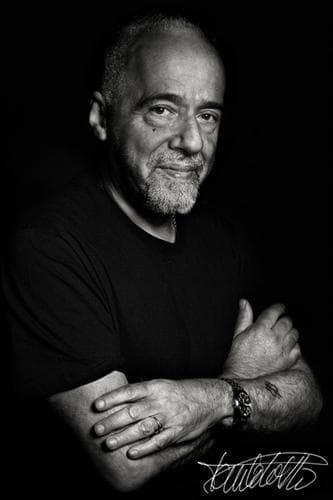
Paulo Coelho de Souza is a Brazilian lyricist and novelist and a member of the Brazilian Academy of Letters since 2002. His novel The Alchemist became an international best-seller and he has published 30 more books since then.







