BookBrief
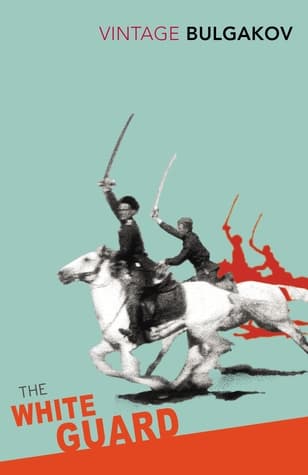
The White Guard cover
Archivist's Choice

The White Guard

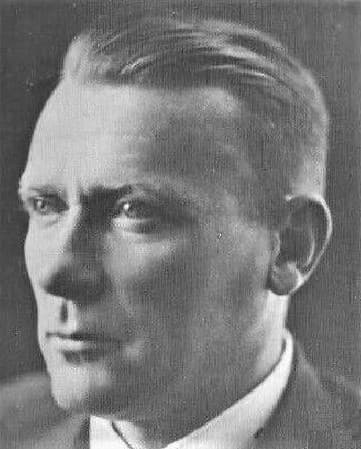
Mikhail Bulgakov (1925)

Genre

Historical Fiction

Reading Time

360 min

Key Themes

See below

Track Your Reading

Sign in to track this book

Amidst the chaos of the Russian Revolution, the Turbin family in Kiev tries to keep their home and humanity as their world falls apart.

Synopsis

In December 1918, during the Russian Civil War, "The White Guard" follows the Turbin family in Kiev as they deal with a city under attack from many groups. Dr. Alexei Turbin, his younger brother Nikolai, and sister Elena see their comfortable life ruined by German forces leaving and Ukrainian nationalist Symon Petliura's army invading. Alexei, a military doctor, and Nikolai, an artillery officer, are loyal to the White Guard, trying to defend Kiev against overwhelming forces. Elena struggles with her husband Talberg leaving her and works to keep their home safe amid the rising violence and political changes. As the city falls to Petliura, Alexei is badly hurt defending it, and Nikolai barely escapes. Elena's prayers for Alexei's recovery are answered, but their world continues to break down. The family faces constant threats, less food, and the fear of death and being forced out. The Bolsheviks' arrival brings another difficult time, making the Turbins face new facts and a future changed by revolution. Despite their losses and their familiar world collapsing, the Turbins hold onto a fragile hope for survival and keeping their identity during the storm.
Reading time
360 min
Difficulty
Medium
Pacing
Moderate
Mood
Melancholic, Reflective, Dramatic, Suspenseful
✓ Read this if...
You're interested in the human cost of revolution, the perspective of the White Guard during the Russian Civil War, or a poignant family drama set against a backdrop of historical turmoil.
✗ Skip this if...
You prefer fast-paced action over character-driven historical reflection, or are looking for a politically optimistic portrayal of the Russian Revolution.

Plot Summary

The Turbins' Christmas Eve in Kiev

The novel starts in December 1918, in Kiev (called 'The City'), during the Ukrainian Civil War. The Turbin family—the older brother Alexei, a doctor; Nikolai (Nikolka), a young officer; and their sister Elena—live in their family home. They still mourn their mother's recent death, which affects them deeply. Their home is a warm, traditional place, a contrast to the cold, war-torn city outside. As Christmas Eve nears, they host friends and relatives, including Elena's husband, Sergei Talberg, who is seen with doubt because of his political views. The family and their guests talk about the changing political situation, the coming threat of Petliura's Ukrainian nationalists, and the shaky position of the German occupation forces who are about to leave, making the city open to attack.

Talberg's Treachery and the German Retreat

The political situation in Kiev quickly gets worse. The German army, which had supported Hetman Skoropadsky's government, says it will leave, making the city open to Symon Petliura's Directory. In a move that shocks Elena, her husband, Sergei Talberg, says he will flee Kiev with the Germans, leaving her behind. He explains his actions with cold reasons about saving himself, showing his opportunistic nature. Elena is hurt by his betrayal. The family and their friends must face the coming storm, feeling abandoned and more hopeless as the last bit of order disappears.

The City's Fall and Alexei's Duty

As Petliura's forces get closer, a last effort is made to defend Kiev. Young officers and volunteers, including Nikolai Turbin, are called to arms by the Hetmanate government. Alexei Turbin, as a doctor, is sent to a hospital. There is much disorganization and no clear leader. The officers, including Colonel Malyshev, try to gather the cadets and volunteers, but they have little equipment and are outnumbered. The city's people are afraid, with rumors spreading fast. The Turbin family deals with their home being on the front line of a civil conflict, and the brothers get ready for their parts in the city's defense, which seems lost.

The Battle for Kiev and Alexei's Injury

The battle for Kiev happens in disorder. The quickly gathered White Guard units, including Nikolai's group, are overcome by Petliura's stronger forces. Alexei Turbin, treating wounded soldiers, gets caught in the fighting. He is shot in the leg during a retreat and is badly wounded. Barely awake, he is saved by a woman, Yulia Reiss, who takes him into her home and cares for him, risking her own safety. Kiev's defense quickly fails, and Petliura's troops take the city, bringing new fear for the people still there.

Alexei's Fever and Elena's Prayer

Alexei Turbin's wound gets badly infected, causing a high fever. He is near death, and his family fears the worst. Elena, upset, locks herself in her room and prays to the Virgin Mary for her brother to get well. She makes a promise, offering her own happiness for Alexei's life. This personal moment shows Elena's strong faith and her love for her brother. Alexei's fever breaks, and he slowly starts to get better, to his family's great relief. His survival is seen as an answer to Elena's prayer.

Nikolai's Ordeal and Petliura's Reign

Nikolai Turbin, having survived the retreat, walks through the city dressed as a civilian, trying to understand what is happening. He sees the cruelty of Petliura's forces, especially the attacks on Jewish people. He sees the fear among the city's residents. Nikolai also meets the family's friends, Myshlaevsky and Studzinsky, who are also trying to survive. He is deeply affected by the violence and the collapse of the familiar world, thinking about how useless their defense was and the hard future ahead. He eventually gets back to the family home, glad to find his siblings safe, though the city is still under Petliura's control.

The Turbins' Struggle for Survival and Identity

Under Petliura's rule, the Turbin family and their friends struggle to adjust. The city is lawless, with stealing, violence, and constant fear. The family's home, once stable, becomes a fragile safe place. They get visits from friends, including Myshlaevsky, Studzinsky, and Lariosik, a naive cousin who arrives from Zhytomyr, making their household more complicated. Lariosik's innocence gives moments of sad humor during the despair. The family tries to keep some normal life, holding onto traditions, but the outside disorder always threatens to overwhelm them, making them face how fragile their lives are.

The Arrival of the Bolsheviks

Petliura's short rule in Kiev ends when the Bolshevik Red Army advances. The Ukrainian nationalists, disorganized, cannot stop the Bolshevik attack. There is more fighting as Petliura's forces are defeated and leave the city. The Turbins and other residents get ready for another change in power, knowing the Bolsheviks are a different, possibly more dangerous, threat. The city experiences another wave of fear as the Red Army gets closer, meaning one harsh rule ends and another begins, leaving White Guard supporters in danger.

New Realities and Lingering Hopes

As the Bolsheviks take control of Kiev, the Turbin family must face the new government's hard realities. Their old lives, based on their social standing and traditions, are broken. Talberg eventually returns to Kiev, but Elena rejects him, having grown stronger without him. The family, especially Alexei and Nikolai, think about their past loyalties and Russia's future. Despite the despair, there are small signs of strength and a wish for peace. The novel ends with uncertainty, but with the Turbin home as a sign of their endurance during revolution, as they face an unknown future.

Principal Figures

Alexei Turbin

The Protagonist

From a duty-bound doctor, he becomes a disillusioned survivor, grappling with the futility of conflict and seeking personal peace.

Elena Turbina (Talberg)

The Protagonist/Supporting

She transforms from a heartbroken wife into a strong, independent woman who is the emotional anchor of her family.

Nikolai (Nikolka) Turbin

The Protagonist/Supporting

From an idealistic young officer, he becomes a disillusioned but resilient survivor, learning the harsh realities of war and human nature.

Sergei Ivanovich Talberg

The Antagonist/Supporting

Remains consistently self-serving and cowardly, serving as a foil to the Turbins' integrity.

Lieutenant Victor Myshlaevsky

The Supporting

His initial idealism is shattered by the war, leaving him a jaded but steadfast friend.

Lieutenant Leonid Studzinsky

The Supporting

He experiences profound disillusionment, his stoicism barely concealing his despair over the war's outcome.

Lariosik

The Supporting

He remains largely naive, serving as comic relief and a symbol of innocent civilian life disrupted by war.

Yulia Reiss

The Mentioned

Her character is static, serving as a symbol of human kindness amidst conflict.

Themes & Insights

The Collapse of Order and Civilization

The novel shows the breaking down of social order and civilization in Kiev during the Ukrainian Civil War. The constant changes in power—from the Hetmanate to Petliura to the Bolsheviks—create fear. Bulgakov shows the city as a battleground where lawlessness and violence are common. The Turbin family's struggle to keep their home and traditions shows how fragile their world is, how war removes normal society, making life a fight for survival. The repeated invasions and retreats show how useless resistance is against big historical change.

And the City, the City was on fire, and the snow, the snow was falling, and the wind, the wind was howling through the streets, and the people, the people were dying.

Narrator

Family as a Sanctuary and Source of Strength

The Turbin family home is a main symbol and a safe place for its members against the revolution's chaos. Despite constant threat and betrayals (like Talberg's), the family stays a source of warmth and strength. Elena's prayer for Alexei's recovery, and the siblings' support for each other, show the strong bonds that keep them going. The home holds their shared past, traditions, and values, representing a last bit of humanity in a changed world. Through their family connections, the characters find the strength to last.

The Turbins' house was a shelter from the storm, a haven of warmth and light in the freezing, dark city.

Narrator

Disillusionment and the Futility of War

The novel looks at the disappointment felt by the White Guard officers, especially Alexei, Myshlaevsky, and Studzinsky. Their early ideals and commitment to fight for a 'White' Russia are slowly lost due to their commanders' poor leadership, betrayal by allies (like the Germans), and the war's sheer brutality. The messy defense of Kiev, the senseless deaths, and the constant power shifts show how useless their sacrifices are. Alexei's near-death experience and Nikolka's observations of attacks contribute to a feeling of despair and the realization that their fight is for a lost cause, making them question all their old beliefs.

All was lost. All was ruined. The white cause was a phantom, and they were all specters.

Narrator, reflecting on the officers' thoughts

Faith and Spirituality

Despite the harshness of war and the collapse of normal morality, faith and spirituality are important themes, especially through Elena Turbina. Her desperate prayer for Alexei's life is a main moment, shown as a direct event that saves her brother. This shows the lasting power of religious belief for comfort and hope in very hard times. The Turbins' Orthodox Christian faith gives them a moral guide and strength, contrasting with the revolution's cruelty, suggesting that spiritual strength can last even when everything else breaks down.

And the Mother of God heard her, and the fever broke, and Alexei Turbin was saved.

Narrator

The Plight of the Intelligentsia

Bulgakov, who was an educated person, focuses on how the revolution affected this social class. The Turbin family, with their education and professions (Alexei as a doctor, Elena as a cultured woman), represent the middle and upper-middle classes caught between the fighting groups. They are not peasants or factory workers, and their problems are often not told in revolution stories. The novel shows their struggle to adjust, their loss of status, and their feeling of being cut off as their familiar world is destroyed, forcing them to face new, hard realities.

The intelligentsia was like a flock of sheep, driven from one pasture to another, always at the mercy of the wolves.

Narrator

Plot Devices & Literary Techniques

The Turbin Home

A symbol of stability, tradition, and sanctuary amidst chaos.

The Turbin home is not merely a setting but a central character and a powerful symbol. It represents the old world, the values of family, intellectualism, and stability that are rapidly disappearing. Its warmth, books, and familiar objects provide a stark contrast to the freezing, violent city outside. It functions as a sanctuary, a place where the family can find refuge, share their grief, and reaffirm their bonds. Its repeated vulnerability to invasion and the family's desperate efforts to preserve it underscore the fragility of their way of life in the face of revolutionary upheaval.

Shifting Perspectives / Omniscient Narrator

A narrative voice that provides both intimate character insights and broad historical context.

Bulgakov employs an omniscient narrator who often shifts perspective, moving seamlessly between the internal thoughts and experiences of various characters (primarily the Turbins) and broader, almost poetic, descriptions of Kiev and the historical events unfolding. This allows for both deep psychological insight into the characters' struggles and a panoramic view of the chaotic civil war. The narrator frequently interjects with philosophical reflections, historical commentary, and even direct addresses to the reader, creating a unique blend of personal drama and epic historical sweep, often with a melancholic or ironic tone.

The City (Kiev) as a Character

Kiev itself is portrayed as a living entity, experiencing suffering and change.

Kiev, referred to consistently as 'The City,' is personified throughout the novel, taking on a character of its own. It is depicted as a beautiful but suffering entity, repeatedly besieged, occupied, and plundered by various factions. The narrator describes its changing moods, its physical destruction, and its emotional toll on its inhabitants. This personification elevates Kiev beyond a mere backdrop, making it an active participant in the drama, reflecting the collective trauma and resilience of its people. The city's fate mirrors the Turbins' own struggle for survival and identity.

Dream Sequences and Hallucinations

Moments of altered reality that reveal inner turmoil and foreshadow events.

Dream sequences and fever-induced hallucinations, particularly during Alexei Turbin's illness, serve as a significant plot device. These moments allow Bulgakov to delve into the characters' subconscious fears, anxieties, and spiritual states without direct exposition. Alexei's delirium, for instance, contains symbolic imagery and foreshadows the broader spiritual and political struggles. These sequences blur the line between reality and the internal world, adding a layer of psychological depth and often conveying profound truths about the characters' experiences and the surreal nature of the war.

Critical analysis

Notable Quotes

Everything will pass. Suffering, torment, blood, hunger, and pestilence. The sword will vanish, but the stars will remain when the shadows of our presence and our deeds have vanished from the earth.

Narrator reflecting on the transience of human conflict during the Ukrainian Civil War.

The city was beautiful in the snow, in the frost, and in the icy sun.

Description of Kiev amidst the turmoil of the Civil War.

A man must accept his fate, whatever it may be.

A character's resignation to the chaos and uncertainty of the times.

The most important thing in life is to know how to wait.

Advice given amidst the waiting and uncertainty of wartime.

There are no such things as coincidences. Everything is predestined.

Philosophical musing on fate and destiny during the conflict.

The past is a dream, the future a mystery, and the present a gift.

Reflection on time and existence in the midst of historical upheaval.

In war, truth is the first casualty.

Observation on the distortion of reality and propaganda during the Civil War.

The heart knows no logic; it only knows what it feels.

Character's emotional response to personal and political turmoil.

We are all prisoners of our own time.

Musing on the constraints of historical context and personal circumstance.

The snow fell silently, covering the sins of the city.

Poetic description of Kiev's winter landscape during the war.

Courage is not the absence of fear, but the triumph over it.

Reflection on bravery in the face of danger and uncertainty.

The world is a stage, and we are but players.

Philosophical analogy on life and human roles during the conflict.

In the end, we are all alone with our conscience.

Moral reflection on individual responsibility amidst collective chaos.

The night is darkest just before the dawn.

Hopeful saying during a particularly bleak moment in the story.

Quiz

Test Your Knowledge

Ready to see how well you understood this book? Take our interactive quiz with 10 questions.

10
Questions
~5
Minutes
?
Best Score

Key Questions (FAQ)

The novel follows the Turbin family—Alexei, Elena, and Nikolka—and their friends in Kiev during the Russian Civil War (1918-1919), as they navigate the collapse of the White Army and the rise of Bolshevik forces. It depicts their personal struggles, loyalties, and losses amid the chaos of revolution, focusing on the middle-class experience rather than the working class.

About the author

Mikhail Bulgakov

Mikhail Afanasyevich Bulgakov was a Russian, later Soviet writer, medical doctor, and playwright active in the first half of the 20th century. He is best known for his novel The Master and Margarita, published posthumously, which has been called one of the masterpieces of the 20th century.