“Perhaps the truth was that you could not go back. You could not step into the same river twice.”
— Midge reflects on the passage of time and the impossibility of fully reliving the past.

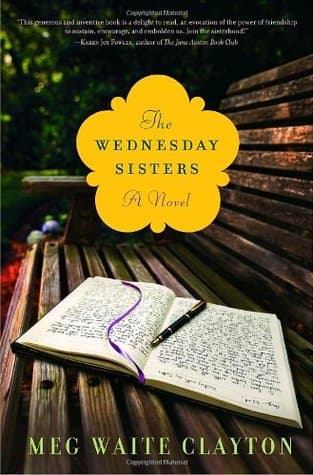
Meg Waite Clayton (2008)
Genre
Historical Fiction
Reading Time
300 min
Key Themes
See below
Sign in to track this book
In the turbulent 1960s, five young mothers form a strong bond through their love of books, changing their lives and the world as they chase their dreams and write their own stories.
In 1967, Frankie, a lively, outspoken woman, meets Linda, Kath, Ally, and Brett at a park in Palo Alto, California, while their children play. Frankie, the most unconventional of the group, immediately questions the usual norms of suburban mothers. Linda, a quiet aspiring writer, watches the others, while Kath, a former teacher, brings order. Ally, beautiful but unsure, and Brett, practical and grounded, complete the group. Despite their initial differences, a shared love for books and the common experience of motherhood in a changing era bring them together, forming a deep friendship that will shape their lives for decades.
One evening in 1967, while watching the Miss America Pageant at Linda's house, they talk about their unfulfilled dreams. Linda, always observant and a dreamer, admits she wants to write a novel. Inspired by the moment and a shared desire for more than just domestic life, she suggests they all commit to writing and sharing their work. Frankie, with her natural storytelling, is excited, while Kath is practical, Ally hesitant, and Brett doubtful. Despite their individual doubts, they agree to meet weekly, calling themselves 'The Wednesday Sisters Writing Society.' This marks the start of their creative journey and mutual support.
As the Wednesday Sisters begin writing, they face many challenges. Linda struggles with self-doubt and home pressures, often finding her creative time interrupted. Frankie, with her imagination, puts her life into her stories, often revealing more than she intends. Kath, disciplined, initially writes stiff, academic pieces, while Ally, unsure of her intellect, slowly finds her voice, often through poetry. Brett, realistic, questions the point of their pursuit. Their early shared critiques are often direct but honest, forcing each woman to face her vulnerabilities, ambitions, and the societal expectations placed on them as wives and mothers in the late 1960s.
The late 1960s and early 1970s bring big social and political changes that affect the Wednesday Sisters. The Vietnam War impacts Frankie's husband, a veteran, and influences the group's talks on peace and protest. The growing women's movement challenges their traditional roles, making them rethink their identities beyond wife and mother. The moon landing captures their attention, symbolizing a future of possibilities. These outside events fuel their writing and conversations as they deal with changing social norms, personal freedoms, and shifting gender roles, all while trying to find their place in this new world.
As their friendship grows, the Wednesday Sisters become an essential support system through various personal problems. Linda deals with her husband's infidelity, which shakes her sense of self and marriage, finding comfort and advice from her friends. Kath faces work disappointments and rethinks her career goals outside of teaching. Ally struggles with self-worth and body image, often feeling overshadowed by her husband's success. Brett, always practical, endures family illnesses and money troubles. Frankie, despite her outward confidence, confronts her own past traumas. Through these deep challenges, the group offers strong emotional support, practical help, and a safe space for vulnerability, strengthening their bond.
Over the years, the sisters' writing paths diverge. Linda, with her steady effort, eventually sees her novel published, bringing joy and new pressures. Frankie, a natural storyteller, also finds success with her unique voice, though with its own challenges and public scrutiny. Kath, after much refinement, finds her place in non-fiction, exploring educational topics. Ally, initially hesitant, discovers her talent for poetry, which brings her quiet recognition. Brett, while supportive, ultimately prioritizes her family and practical duties, finding fulfillment outside of traditional publication. The varied outcomes test their individual definitions of success and their shared dream, sometimes leading to jealousy but ultimately confirming their mutual encouragement.
Frankie, with her unconventional spirit and strong opinions, consistently pushes boundaries in her personal life and writing. Her outspoken nature and willingness to challenge social norms often put her at odds with expectations. When her writing gains public attention, it sometimes causes controversy, forcing her to defend her artistic choices and beliefs. She navigates complex relationships and makes unconventional life decisions, finding strength and validation within the Wednesday Sisters. Her journey shows the spirit of artistic freedom and the pursuit of an authentic self, even when facing public scrutiny and personal sacrifices, always with her friends' strong support.
Linda, initially the most reserved of the group, shows quiet persistence and strong dedication to her writing. Despite facing significant personal challenges, including her husband's infidelity and the demands of motherhood, she consistently makes time for her craft. Her stories often show her sharp observations of human nature and her own inner journey. While others might experience more immediate success or public recognition, Linda's steady commitment eventually pays off when her novel is published. This achievement shows her quiet strength and the power of sustained effort, fulfilling the dream that first inspired the Wednesday Sisters Writing Society and validating her lifelong ambition.
Ally, beautiful and seemingly perfect, struggles with deep insecurities about her intelligence and worth, often feeling overshadowed by her successful husband and the more outspoken sisters. She initially struggles to find her writing voice, feeling inadequate compared to the others. However, with the group's encouragement, she begins to explore poetry, a form that allows her to express her emotions and observations. Her journey is one of gradual self-discovery, as she lets go of expectations and embraces her artistic talent. Her eventual recognition as a poet marks her triumph over insecurity and her growth into a confident woman.
Kath, with her teaching background, initially approaches writing with a structured, academic mindset. She is the practical and organized anchor of the group, often providing a grounded view. As life unfolds, she faces career disappointments and adapts to new situations, showing great resilience. Her writing changes from rigid narratives to more insightful non-fiction pieces, reflecting her intellectual curiosity and her ability to learn and grow. Kath shows the theme of adaptation and finding new purpose, proving that one's path can change significantly while still leading to fulfillment. Her contributions to the group are often intellectual and supportive, offering stability and measured advice.
Brett, the most practical and grounded of the Wednesday Sisters, consistently prioritizes her family and home duties. While she participates in the writing group, her goals are less about literary fame and more about providing a stable, loving environment for her children. She often brings reality to the group's more idealistic discussions, reminding them of everyday concerns. Although she writes, her creative outlet is often tied to her family life, and she finds deep satisfaction in her role as a mother and wife. Her journey highlights that fulfillment can come in many forms, and that traditional success is not the only measure of a well-lived life, reinforcing the diverse paths the sisters take.
As years turn into decades, the Wednesday Sisters continue to meet, their bond growing stronger through marriages, divorces, births, deaths, successes, and failures. They watch each other's children grow, careers succeed or falter, and society change. The writing group, initially a shared hobby, becomes a vital support system—a source of strong support, honest critique, and deep understanding. They reflect on how their journey, sparked by a simple desire to write, allowed them to navigate the complexities of womanhood, motherhood, and self-discovery. Their lasting friendship shows the power of shared dreams and the strength found in female unity.
The Protagonist/Supporting
Frankie learns to channel her rebellious spirit into her art, finding a voice that resonates while navigating the complexities of personal freedom and commitment.
The Protagonist/Supporting
Linda overcomes self-doubt and personal setbacks to fulfill her dream of becoming a published writer, finding her voice and strength through her art.
The Protagonist/Supporting
Kath learns to adapt her intellectual rigor to personal and professional changes, finding new avenues for her talents beyond traditional teaching.
The Protagonist/Supporting
Ally transforms from an insecure woman into a confident poet, embracing her unique voice and intellect.
The Protagonist/Supporting
Brett maintains her grounded practicality while supporting her friends' artistic dreams, ultimately finding her own fulfillment in family and a less conventional creative path.
The Supporting
Michael's character primarily serves as an antagonist to Linda's personal peace, forcing her to confront marital realities and find inner strength.
The Supporting
David's character initially highlights Ally's insecurity but later serves as a foil against which she asserts her independence and artistic identity.
The Mentioned
The children's growth represents the passage of time and the evolving demands on the mothers, reflecting the universal challenge of balancing family and personal dreams.
The heart of 'The Wednesday Sisters' is the lasting and transforming power of female friendship. The five women, initially strangers, form a bond that goes beyond their differences and societal expectations. They provide an essential support system, offering emotional comfort, honest feedback, and strong encouragement through infidelity, illness, career setbacks, and personal successes. Their weekly meetings become a safe place where they can be themselves, creating a sense of unity that empowers each woman to pursue her dreams and handle the complexities of life in a changing world. For instance, when Linda struggles with her husband's affair, the sisters gather around her, offering practical advice and emotional comfort, showing the strength of their collective bond.
“What they had together was rare, a kind of love that came from seeing each other through the worst and best of things, and knowing, absolutely, that they would always be there.”
A main theme is the women's struggle and eventual success in pursuing their creative goals amid the demands of home life and societal expectations. The writing group provides an outlet for self-expression and intellectual stimulation, allowing each woman to explore her identity beyond her roles as wife and mother. Linda's path to publication, Ally's growth as a poet, and Frankie's controversial yet successful writing all show this theme. Their writing becomes a way to find themselves, helping them understand their desires, fears, and strengths, and ultimately shaping who they become. Writing forces them to face their inner selves and express their unique views on the world.
“They were all trying to write their way into lives that felt more their own, to carve out space for themselves in a world that often forgot they existed as anything but wives and mothers.”
The novel is set in the late 1960s and early 1970s, a time of big social change and the rise of the women's movement. The Wednesday Sisters deal with the changing expectations placed on women, moving from traditional home roles toward more independence and professional ambition. They discuss the Vietnam War, the space race, and feminist ideas, reflecting on how these larger social changes affect their personal lives and choices. The women navigate the tension between traditional expectations of marriage and motherhood and the growing desire for personal fulfillment and careers outside the home, illustrating the deep social transformation of the era.
“The world was opening up, or maybe it was just that they were finally opening up to the world, seeing possibilities they'd never dared to imagine before.”
The struggle to balance personal ambition, especially creative ambition, with the demanding realities of motherhood is a recurring theme. Each woman faces unique challenges in finding time and mental space for her writing while raising young children and maintaining a household. Linda, for example, constantly battles interruptions and guilt when trying to write. The novel honestly shows the compromises, sacrifices, and moments of frustration in this balancing act. It highlights how the women support each other in this effort, understanding the unique pressures they face as mothers striving for something more than just domestic fulfillment, ultimately finding that both roles can coexist, though with difficulty.
“Every word written was a small rebellion against the endless demands of motherhood, a claim on a part of themselves that was just their own.”
The central gathering point and catalyst for the women's personal and creative growth.
The writing society itself is a crucial plot device. It serves as the framework for the narrative, providing a consistent setting for the women's interactions and development. It's not just a club; it's a safe space for vulnerability, honest critique, and mutual support. The commitment to writing forces each character to confront her inner world and articulate her experiences, driving individual character arcs. It also acts as a narrative device to showcase the passage of time and the evolution of their lives, as their shared works reflect their changing perspectives and challenges over decades.
A collective 'we' perspective that emphasizes the shared experience and bond of the group.
While not strictly first-person plural throughout, the novel often employs a collective 'we' or 'they' perspective that strongly emphasizes the shared experience and deep bond of the five women. This narrative choice highlights the solidarity and collective journey of the Wednesday Sisters, making their friendship feel like a singular entity. It allows the author to convey a sense of shared history and mutual understanding, reinforcing the idea that their individual stories are intricately woven together. This perspective underscores the theme of female friendship as the central force of the narrative.
The social and political landscape of the late 1960s and 1970s acts as a dynamic force shaping the characters' lives.
The specific historical period, primarily the late 1960s and 1970s, functions almost as an additional character in the novel. Events like the Vietnam War, the space race, and the burgeoning women's movement are not just background details; they actively influence the characters' beliefs, choices, and the themes they explore in their writing. The changing social norms regarding marriage, gender roles, and personal freedom directly impact the women's struggles and triumphs, making their personal journeys deeply intertwined with the broader historical narrative. This device grounds the story in a specific time, adding depth and relevance to their experiences.
The women's actual writings, shared within the group, reveal their inner thoughts and drive the plot.
The sharing of journal entries, short stories, and novel excerpts by the sisters within their group meetings serves as an important plot device. These 'writings within the writing' allow the reader direct access to the characters' deepest thoughts, fears, and aspirations, often revealing plot points, character motivations, and emotional states that might otherwise remain hidden. It also demonstrates their individual artistic voices and how they evolve over time. The critique sessions around these works propel character development and sometimes create friction, further developing their relationships and individual arcs.
“Perhaps the truth was that you could not go back. You could not step into the same river twice.”
— Midge reflects on the passage of time and the impossibility of fully reliving the past.
“Friendship isn't about being inseparable; it's about knowing you always have a place.”
— Kathy muses on the enduring nature of true friendship, even through distance and life changes.
“Sometimes the bravest thing you can do is just keep going, even when you don't know where you're headed.”
— Linda faces personal struggles and finds strength in perseverance.
“We were all just trying to make sense of a world that didn't always make sense.”
— The sisters reflect on the complexities and confusions of life in the 1960s.
“There was a certain freedom in being underestimated. You could surprise people.”
— Bret considers the advantages of not always being in the spotlight.
“A good story, like a good friend, could make you feel less alone.”
— Allie, an aspiring writer, recognizes the power of storytelling.
“The past was a river, and we were all just trying to navigate its currents.”
— A general reflection on how past events continue to influence the present.
“It was amazing how much you could learn about yourself by trying to understand someone else.”
— One of the sisters gains insight through empathy for another.
“Life had a way of pulling you in directions you never expected, and sometimes those were the best ones.”
— A character embraces an unexpected turn in her life's path.
“We were connected not just by our shared Wednesdays, but by the quiet understanding that grew between us.”
— The bond among the five friends deepens over time.
“Sometimes the greatest acts of rebellion are the quiet ones, the ones that change your own world first.”
— A character finds personal agency in a seemingly small, yet significant, decision.
“The beauty of friendship was that it didn't demand perfection, only presence.”
— Midge contemplates the accepting nature of her friendships.
“We were all just trying to find our voice in a world that often tried to silence us.”
— The women navigate societal expectations and search for their individual identities.
“The hardest part of growing up wasn't leaving things behind, but learning what to carry forward.”
— Linda reflects on the process of maturity and selective memory.
Ready to see how well you understood this book? Take our interactive quiz with 10 questions.

Biography coming soon.