“The old woman’s eyes, though dimmed by age, held a glint that suggested she had seen more of the world’s true face than any of us cared to admit.”
— Describing the village elder, Elara, early in the story.

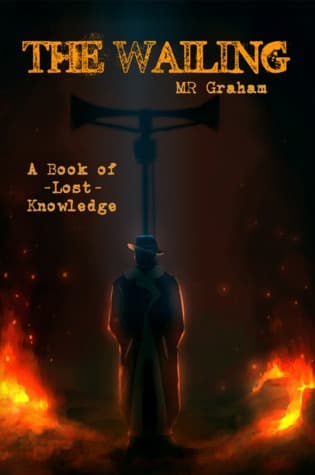
M.R. Graham (2012)
Genre
Fantasy / Historical Fiction
Reading Time
90 min
Key Themes
See below
Sign in to track this book
During the London Blitz, an immortal assassin blackmailed by the Crown finds that even the undead can die, and some threats are older and more terrifying than Nazi bombs.
In the chaos of the 1940 London Blitz, Daniel Leland, an ancient immortal, is blackmailed into working for the British government. His handler, Mrs. Evelyn Croft, orders him to eliminate a German operative in London. Daniel, tired of his long life and constant violence, approaches the task without emotion. He infiltrates a bombed building, finds his target, and kills him efficiently, using his ability to manipulate his own life force for a clean kill. The constant threat of Nazi bombs and the fear among mortals only increase his sense of isolation.
After his successful assassination, Daniel meets Mrs. Croft. She gives him a new, puzzling assignment: investigate a series of gruesome deaths across London. Victims are found drained of blood, their bodies preserved, and standard investigations have failed. Croft suggests these killings are beyond normal warfare, hinting at a supernatural element. Daniel, initially dismissive, becomes curious about the unusual nature of the deaths, which differ from his usual human targets. He receives little information, relying on his instincts and old knowledge.
Daniel begins his investigation by visiting crime scenes and interviewing witnesses, most of whom are too traumatized or dismissive to help. His immortal senses, however, detect traces of an otherworldly presence. He notices a pattern: victims were all unusually sensitive to the unseen. Through research in old archives and texts, Daniel identifies the killer as 'The Wailing,' a powerful, parasitic entity that feeds on life force and emotions, leaving victims as husks. This creature is far older and more dangerous than any human enemy.
Using his ability to sense spiritual distortions, Daniel tracks The Wailing to a crypt under a damaged London church. The air grows heavy with dread as he descends, hearing the entity's faint cries. He finds The Wailing feeding, a shadowy, shapeless mass with endless hunger. The creature is immense and ancient, radiating pure despair. Daniel tries to fight it, but The Wailing's power is overwhelming, its touch draining and confusing. He barely escapes, realizing the full extent of the threat and that his usual methods are not enough.
Shaken by the encounter, Daniel reports to Mrs. Croft, explaining the enemy's true nature. He describes The Wailing as an ancient, non-physical entity, more dangerous than any human threat, and stresses that normal weapons are useless. Croft, initially skeptical and bound by government rules, is convinced by Daniel's sincerity and the grim evidence. She acknowledges the unprecedented threat and, seeing the potential for widespread panic and destruction, reluctantly agrees to provide Daniel with resources and information, even if it means bending protocols.
With Croft's support, Daniel accesses restricted archives and occult libraries. Together, they study ancient texts, old grimoires, and historical accounts of similar entities. They find that The Wailing is vulnerable to specific old rituals and artifacts, especially those for binding and banishment. The lore suggests the creature's existence is tied to intense collective sorrow and despair, which the ongoing war in London amplifies. They learn The Wailing can be weakened, but its destruction requires a significant sacrifice and a precise understanding of its nature.
As Daniel and Croft hurry, The Wailing's influence spreads across London. Its presence increases the fear, grief, and despair already rampant from the bombing raids. More people fall victim to its draining attacks, and even those untouched physically experience deep psychological distress, leading to more suicides and mental breakdowns. The government struggles to control the growing panic, blaming strange occurrences on war stress. Daniel feels the creature's subtle probes into his own ancient sorrow, making his task more personal and urgent.
Using their research, Daniel plans. He realizes The Wailing, a creature of emotion, can be lured and trapped using concentrated despair. He proposes creating a focal point of intense sorrow, using an ancient ritual to bind the creature to a temporary vessel, then banishing it from this plane. The ritual needs rare components and a willing participant able to generate immense emotional pain — a sacrifice Daniel feels he might have to make, given his long history of loss and suffering.
With Croft's help in getting components and a secluded, bomb-damaged location, Daniel prepares for the ritual. He acts as the emotional anchor, drawing on centuries of his own grief, loss, and weariness. The Wailing, drawn by this immense despair, appears with terrifying force. As the ritual continues, Daniel fights the creature not with physical strength, but with sheer will and the raw pain of his existence. He weakens The Wailing, temporarily binding it to a special artifact, but the process is agonizing, pushing him to the edge of his immortal endurance.
Weakened but determined, Daniel begins the final phase of banishment, guided by ancient incantations. Mrs. Croft, despite her initial skepticism, provides crucial support, reciting complex verses and ensuring the ritual's integrity. The Wailing struggles violently against its bonds, its cries echoing powerfully, threatening to break the containment. Daniel, pushing past his pain, focuses all his remaining energy on cutting the creature's connection to their world. With a final, desperate surge of power, The Wailing is ripped from London, its presence fading into the void, leaving only a lingering chill and an exhausted silence.
Afterward, London slowly recovers from The Wailing's psychological attack. The unexplained despair lifts, though the war's scars and the creature's brief reign remain. Daniel is deeply drained; the ritual took a heavy toll on his ancient spirit. Mrs. Croft, seeing the raw power and sacrifice, views Daniel differently, her professional detachment softened by respect. While the immediate threat is gone, both know such entities can return, and the fight against unseen forces will likely continue. Daniel, though tired, finds a renewed, somber purpose in his existence.
The Protagonist
Daniel moves from detached indifference and reluctant service to a renewed, albeit somber, sense of purpose in protecting humanity from supernatural threats, accepting his unique role.
The Supporting
Croft evolves from a strictly pragmatic, skeptical government operative to someone who acknowledges and understands the existence of supernatural threats, and respects Daniel's unique abilities and sacrifices.
The Antagonist
The Wailing's arc is one of escalating influence and threat, from a mysterious killer to a city-wide psychological terror, before its eventual banishment.
Daniel Leland's long life has given him vast knowledge and abilities, but also profound weariness, detachment, and sorrow. He sees human conflicts with a jaded eye, having witnessed them many times. This theme explores how endless existence can lead to a loss of purpose and emotional numbness, making Daniel a reluctant hero. His indifference to life is a direct result of his inability to die, contrasting with the short lives of mortals. This shows in his initial reluctance to take Mrs. Croft's assignments, viewing them as distractions from his eternal boredom.
“Centuries had taught him indifference, a shield against the endless cycle of human folly and fleeting loves.”
The London Blitz creates a setting of immense human suffering, fear, and despair, which The Wailing exploits. This theme examines how individuals and society cope under extreme stress, showing both the fragility and resilience of the human spirit. The Wailing's ability to amplify existing sorrow makes the war-torn city a perfect hunting ground, showing how external crises can open doors for internal, psychological devastation. The city's mood—bombings, loss, and constant threat—is a character itself, influencing the actions and emotions of both mortals and immortals. The citizens' struggle to maintain hope against physical and emotional attacks is central.
“The city breathed fear, a symphony of sirens and distant explosions, a feast for things that fed on sorrow.”
The story suggests that beneath everyday reality lies a hidden world of ancient entities, magic, and forgotten lore. The British government, through Mrs. Croft, knows of these threats but is largely unprepared, relying on figures like Daniel. This theme explores the tension between scientific rationalism and supernatural phenomena, and the secrecy needed to maintain the illusion of control. Daniel's ancient knowledge and The Wailing's existence reveal that humanity is not alone and that forces beyond its comprehension occasionally break into the mundane. The government's need to keep these threats secret from the public highlights the fragility of perceived reality.
“There are more things in heaven and earth, Daniel, than are dreamt of in your philosophy. And some of them are quite hungry.”
Daniel, despite his weariness, is ultimately forced to make great sacrifices to protect humanity, even a humanity he feels detached from. His final act against The Wailing requires him to confront and use his own accumulated sorrow, a deeply personal and painful sacrifice. This theme explores how true purpose can be found in selfless acts, even for those who believe themselves beyond such motivations. His journey from reluctant pawn to willing protector, though a suffering one, shows how fighting great evil can create a new sense of meaning, even for an immortal. The physical and emotional toll of the banishment ritual on Daniel shows this theme.
“To save a world he barely cared for, he would have to bleed every drop of his ancient, aching heart.”
Daniel is forced into government service through blackmail, driving his initial actions.
Daniel's involvement with the British government is not voluntary but coerced through blackmail. Mrs. Croft uses his unique nature and perhaps some past indiscretions or vulnerabilities as leverage, forcing him to use his 'talent for murder' in service of the Crown. This device establishes his reluctant hero status and explains why an immortal, who prefers to remain detached, becomes entangled in human affairs. It also sets up a dynamic of mistrust and underlying tension between Daniel and Croft, even as their goals align. The blackmail is a persistent undercurrent, ensuring Daniel's compliance despite his personal desires.
Daniel's jaded perspective colors his perception of events and other characters.
While not overtly unreliable, Daniel's ancient, world-weary perspective subtly shades the narrative. His extreme detachment and cynicism mean that he often downplays the gravity of human emotions or struggles, and his descriptions of events are filtered through a lens of profound indifference. This device allows the reader to experience the story through the eyes of a unique protagonist, but also encourages them to question his initial assessments and look for deeper meanings in the actions of mortal characters, particularly Mrs. Croft. His internal monologues reveal his true feelings, often contrasting with his outward apathy.
The use of forgotten texts and rituals as a means to understand and combat supernatural threats.
To combat the Wailing, Daniel and Croft must delve into ancient lore, forgotten grimoires, and occult texts. This device serves as the primary method for understanding the supernatural antagonist's nature, weaknesses, and the rituals required for its defeat. It highlights Daniel's vast, accumulated knowledge from his long life and introduces a sense of mystique and hidden history. The reliance on arcane knowledge contrasts sharply with the modern setting of wartime London, emphasizing that some threats require solutions beyond contemporary science and warfare, connecting the present crisis to a much older, unseen conflict.
The wartime setting amplifies the Wailing's power and creates a desperate atmosphere.
The ongoing London Blitz is more than just a historical backdrop; it acts as a crucial plot device. The widespread fear, grief, and despair caused by the constant bombing raids and loss of life create a fertile feeding ground for the Wailing, amplifying its power and making it a more potent threat. The chaos of the war also provides cover for the creature's activities, allowing it to operate without immediate detection by conventional authorities. This setting generates a desperate, high-stakes atmosphere, where humanity is already on the brink, making the supernatural threat even more terrifying and urgent.
“The old woman’s eyes, though dimmed by age, held a glint that suggested she had seen more of the world’s true face than any of us cared to admit.”
— Describing the village elder, Elara, early in the story.
“There are some shadows, child, that even the brightest sun cannot dispel. They live not in the world, but in the hearts of men.”
— A warning from Elara to young Lyra about the nature of evil.
“The forest breathes, and in its breath, it remembers. Every cry, every whisper, every drop of blood spilled upon its soil.”
— Reflecting on the ancient, sentient nature of the Blackwood Forest.
“Fear is a blade, sharper than any forged steel, and it cuts deepest when wielded by the very people who claim to protect you.”
— Lyra's internal monologue about the growing paranoia within her village.
“The Wailing is not a sound, but a hunger. A hunger that consumes not flesh, but hope.”
— A villager's grim explanation of the mysterious entity plaguing their lands.
“History is written by the victors, they say. But the dead, they have their own stories, etched in the very stones of time.”
— A scholar, Master Kael, musing on the true history of the region.
“Sometimes, the greatest courage is not to fight, but to listen to the whispers of a forgotten past.”
— Lyra contemplating the need to understand the source of the Wailing rather than just resist it.
“The line between madness and prophecy often blurs, especially when the truth is too terrible to bear.”
— Master Kael discussing the ancient seers and their grim visions.
“We are but echoes in a grander song, and sometimes, the song demands a different note.”
— A philosophical reflection on individual destiny and the flow of events.
“To forget the past is to invite its return, not as a memory, but as a living nightmare.”
— A warning from an ancient text discovered by Lyra.
“The light of hope, however faint, is a weapon more potent than any sword against the encroaching dark.”
— Lyra finding strength amidst overwhelming despair.
“Loyalty, like a brittle branch, can snap under the weight of too much fear.”
— Observing the breakdown of trust among the villagers as the threat intensifies.
“Some wounds heal, leaving only scars. Others fester, poisoning the very earth they touch.”
— Reflecting on the lasting impact of ancient tragedies and grievances.
“The greatest monsters are not those that lurk in the shadows, but those we create within ourselves.”
— A profound realization about the internal struggles and moral decay.
Ready to see how well you understood this book? Take our interactive quiz with 10 questions.







