BookBrief
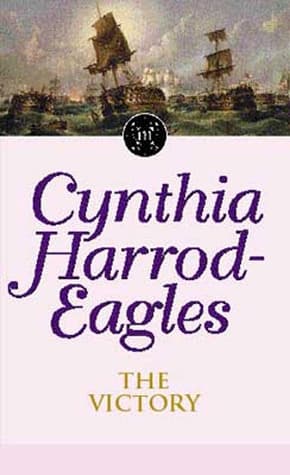
The Victory cover
Archivist's Choice

The Victory

Cynthia Harrod-Eagles (1989)

Genre

Historical Fiction / Romance

Reading Time

12 Minutes

Key Themes

See below

Track Your Reading

Sign in to track this book

As Napoleon's shadow falls over England, the Morland family navigates war, plague, scandal, and heartbreak, from London's fashionable salons to the bloody decks of Trafalgar.

Synopsis

In 1803, as Napoleon's invasion looms and Nelson's fleet stands as England's last defense, the Morland family navigates a tumultuous period of war and personal upheaval. Mary Ann confronts the harsh realities of plague-ridden Manchester through her forbidden love with Father Rathbone, while her sister Lucy's lover, Weston, faces the perils of the Brest blockade. Meanwhile, Lucy's neglected husband, Chetwyn, finds solace in a scandalous affair that jeopardizes his reputation and fortune. The narrative follows the Morlands from the glittering social circles of London to the brutal front lines of Trafalgar, as they confront danger, personal tragedy, illicit love, and unexpected fulfillment amidst a nation at war.
Difficulty
Medium
Pacing
Moderate
Mood
Epic, dramatic, romantic, historical, poignant

Plot Summary

The Threat of Invasion and Divided Loyalties

It is 1803, and Napoleon's invasion threatens England. The Morland family, well-established in society, finds their lives affected by the war. Henrietta, a steady Morland, worries about her sons, George and Edward, who are in the military. Lucy Morland, unhappily married to the older, distant Chetwyn, has a secret affair with Captain Weston, a naval officer soon to join the blockade of Brest. Meanwhile, Mary Ann, another Morland daughter, is drawn to Father Rathbone, a charismatic missionary working in Manchester, a city becoming industrialized and suffering from plague, a stark contrast to her privileged upbringing.

Lucy's Secret Affair and Chetwyn's Awakening

Lucy's secret affair with Captain Weston deepens, giving her moments of happiness despite her unhappy marriage. Their stolen meetings have the urgency of wartime, with Weston's deployment always near. At the same time, Lucy's husband, Chetwyn, an intelligent but reserved man, begins a tender relationship with Mrs. Plumtree, who brings warmth and understanding into his life. This affair gives Chetwyn needed affection and intellectual company, but it risks social disgrace and financial ruin, especially given his social standing and Lucy's family connections.

Mary Ann's Missionary Zeal in Manchester

Mary Ann Morland, moved by Father Rathbone's dedication to the poor, spends more time helping with his missionary work in Manchester. She sees the realities of the Industrial Revolution: overcrowding, poverty, and the impact of plague and disease. Her initial romantic view of Rathbone slowly changes into a deeper understanding of his commitment and the challenges he faces. Mary Ann's experiences in Manchester challenge her sheltered view, forcing her to confront suffering beyond her family's estate, and testing her resolve and faith.

Weston's Deployment and the Naval Blockade

Captain Weston is assigned to the naval blockade of Brest, a dangerous duty that puts him in the path of the French fleet. His departure leaves Lucy anxious and longing; the distance increases the emotional intensity of their secret relationship. The blockade requires endurance and skill, with constant threats from the sea, enemy ships, and harsh weather. Weston's letters, when they arrive, are Lucy's only link to him, filled with coded assurances and affection, but also hinting at danger. Her life becomes a waiting game, marked by news of naval battles and fear for his safety.

Chetwyn's Affair Discovered and its Repercussions

Chetwyn's affair with Mrs. Plumtree, once a private comfort, is discovered. The news shocks his social circle and the Morland family. The potential for scandal is huge, threatening his reputation, political goals, and financial stability. Lucy, despite her own infidelity, is affected by the public exposure, adding more complexity to their strained marriage. The Morlands, always aware of their standing, must deal with the fallout, trying to limit the damage and protect their family name, while Chetwyn faces the results of his actions and the affection he feels for Mrs. Plumtree.

The Morlands in London Society

Amidst the personal dramas and national worries, Morland family members navigate the social world of Beau Brummell's London. Henrietta and her daughters attend salons and balls, where gossip, political schemes, and romantic ties mix. These gatherings show the superficiality and rules of Regency society, where appearances matter most and reputation can be made or broken by one mistake. Discussions about the war, Napoleon's plans, and the navy are constant, setting a national concern behind the personal troubles of the Morland family, especially Lucy's continued anxiety over Weston.

Mary Ann's Crisis of Faith and Purpose

Mary Ann's work in Manchester with Father Rathbone takes a toll on her, both physically and emotionally. The poverty, sickness, and despair she witnesses begin to challenge her early idealism. She experiences a crisis of faith and purpose, questioning if their efforts can make a difference against such odds. Her feelings for Father Rathbone remain complex, a mix of admiration, respect, and a growing, unspoken love, further complicated by his spiritual devotion and her own increasing awareness of the sacrifices such a life demands. She must decide if she can truly commit to this difficult path, or if she belongs elsewhere.

The Battle of Trafalgar and its Aftermath

The story builds to the Battle of Trafalgar, a major moment in the Napoleonic Wars. Captain Weston is in this naval battle, making Lucy's fears reach their peak. The battle is shown in detail, emphasizing the chaos, bravery, and cost of naval warfare. News of the British victory, though celebrated, comes with lists of casualties. The Morland family, like many others, anxiously awaits news of their loved ones. The victory secures England's naval power, but it comes at a high personal price, affecting several Morland family members directly.

Personal Tragedies and New Beginnings

The aftermath of Trafalgar brings both tragedy and new opportunities. The Morland family mourns losses, feeling the war's impact deeply. Lucy deals with Captain Weston's fate, and her future, with Chetwyn or on her own, is uncertain. Chetwyn, having faced public judgment, must decide his next steps, balancing duty with personal desires. Mary Ann, after enduring Manchester's hardships, makes a decision about her future with or without Father Rathbone, finding a new purpose that may or may not match her family's expectations. The family must adapt and rebuild.

Reconciliation and Resolution

As the war and personal upheavals settle, the Morland family begins to reconcile and find resolution. Relationships, strained by infidelity, war, and different life paths, are re-evaluated. Lucy and Chetwyn's marriage, though changed, finds a new, perhaps more honest, foundation. Mary Ann embraces a future that reflects her growth and independence, whether through continued social work or a different calling. The family, marked by the era's trials, emerges with a deeper understanding of love, duty, and resilience, ready to face the future, changed by both national triumph and personal endurance.

Principal Figures

Lucy Morland

The Protagonist

Lucy evolves from a woman seeking illicit passion to one who confronts the consequences of her choices and strives for a more authentic, if imperfect, marital understanding.

Chetwyn

The Supporting

Chetwyn moves from a detached husband to a man who experiences profound love and faces scandal, ultimately seeking a more honest equilibrium in his life.

Mary Ann Morland

The Protagonist

Mary Ann transforms from an idealistic young woman to a more resilient and purposeful individual, making difficult choices about her future and commitment to social justice.

Captain Weston

The Supporting

Weston remains a steadfast and brave figure, representing the personal cost and heroism of naval warfare.

Father Rathbone

The Supporting

Father Rathbone remains a consistent figure of spiritual dedication, serving as a catalyst for Mary Ann's personal growth and questioning.

Henrietta Morland

The Supporting

Henrietta remains a grounding force for the family, adapting to the challenges while upholding her core values.

Mrs. Plumtree

The Supporting

Mrs. Plumtree enables Chetwyn's emotional awakening, bearing the societal cost of their affair with dignity.

Beau Brummell

The Minor

Brummell remains a static figure, embodying the social zeitgeist of the period.

Themes & Insights

Duty vs. Desire

This theme explores the tension between personal desires and societal or family duties, especially during wartime. Lucy's affair with Weston conflicts with her marriage to Chetwyn, while Chetwyn's love for Mrs. Plumtree clashes with his social and marital obligations. Mary Ann's calling to missionary work represents a duty to humanity that might go beyond typical expectations for a woman of her status. The novel examines the sacrifices and consequences when these forces meet.

The heart, alas, knows no allegiance to convenience or duty, only to its own fierce and often inconvenient demands.

Narrator

The Impact of War on Domestic Life

The Napoleonic Wars are a constant background to the Morland family's personal lives, showing how large historical events affect individual experiences. The threat of invasion, the deployment of loved ones like Weston, and the Battle of Trafalgar directly influence the characters' worries, decisions, and fates. The novel illustrates that war is fought not only on battlefields but also in the hearts and homes of those left behind, shaping relationships, careers, and society, forcing families to confront loss, uncertainty, and resilience.

Every cannon shot fired across the Channel echoed, it seemed, in the quiet drawing rooms of England, a constant reminder of the fragility of peace.

Narrator

Social Class and Urban Poverty

The contrast between the Morlands' privileged life in London and the harsh realities of industrial Manchester, as Mary Ann experiences, highlights the divide in social class and urban poverty. Mary Ann's journey reveals the squalor, disease, and exploitation faced by the working class in growing industrial centers. This theme explores the moral responsibility of the wealthy, the challenges of social reform, and how class structures influenced access to basic needs and human dignity in 19th-century England.

In the shadow of grand houses, a different England festered, its people breathing in the smoke of progress and the stench of neglect.

Narrator

Love, Betrayal, and Forgiveness

At its heart, the novel explores the complexities of love in its various forms: passionate, dutiful, illicit, and selfless. It shows how betrayal, both marital and emotional, shakes relationships and reputations. However, it also examines the difficult path towards forgiveness and reconciliation. Lucy and Chetwyn's journey, in particular, shows the possibility of finding a new, more honest understanding within a marriage after infidelity, suggesting that true connection can sometimes emerge from past hurts and revelations.

Forgiveness was not forgetting, but rather the quiet courage to build anew upon the fractured pieces of what once was.

Narrator

Plot Devices & Literary Techniques

Parallel Narratives

Interweaving storylines of different Morland family members.

The novel employs parallel narratives, following the distinct yet interconnected storylines of several Morland family members—Lucy, Chetwyn, and Mary Ann—in different geographical and social settings. This device allows the author to explore various facets of early 19th-century English society, from the fashionable salons of London to the industrial slums of Manchester and the high seas of naval warfare. The juxtaposition of these narratives highlights the diverse impacts of the era's grand events and personal choices, creating a comprehensive panoramic view of the period and its effects on a single family.

Epistolary Elements

Letters conveying character emotions and plot developments.

Letters play a crucial role in advancing the plot and revealing the inner lives of the characters, particularly in communicating across distances. Lucy's anxious waits for letters from Captain Weston, and the content of those letters, convey their secret love and the dangers he faces at sea. Similarly, letters might reveal news of battles, social gossip, or personal confessions. This device emphasizes the slower pace of communication in the era, heightens suspense, and provides intimate insights into the characters' thoughts and feelings, often contrasting their private emotions with their public personas.

Historical Events as Plot Drivers

Major historical occurrences directly shaping character fates.

The novel uses significant historical events, such as the threat of Napoleon's invasion and the Battle of Trafalgar, not merely as background but as direct drivers of the plot and character development. Weston's naval duties are dictated by the war, directly impacting Lucy's anxieties. The social and economic conditions of industrial Manchester are central to Mary Ann's experiences. This device firmly roots the personal narratives within the broader historical context, demonstrating how individual lives are inextricably intertwined with the grand sweep of history and how these events force characters to make crucial decisions and face profound changes.

Critical analysis

Notable Quotes

Quiz

Test Your Knowledge

Ready to see how well you understood this book? Take our interactive quiz with 10 questions.

10
Questions
~5
Minutes
?
Best Score

Key Questions (FAQ)

"The Victory" is set in 1803, a pivotal year in British history. It focuses on the looming threat of Napoleon's invasion of England and the naval efforts to counter it, particularly Nelson's fleet.

About the author

Cynthia Harrod-Eagles

Cynthia Harrod-Eagles is a British author celebrated for her gripping historical fiction, particularly her acclaimed Morland Dynasty series. With over 30 novels to her name, including "The Poison Tree" and "The Victory," she is known for her meticulous research and compelling storytelling that brings centuries of English history to life.