BookBrief
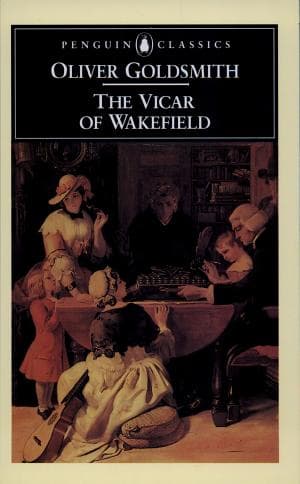
The Vicar of Wakefield cover
Archivist's Choice

The Vicar of Wakefield

Oliver Goldsmith (1982)

Genre

Historical Fiction

Reading Time

350 min

Key Themes

See below

Track Your Reading

Sign in to track this book

In a world of genteel poverty and unexpected troubles, the kind but naive Dr. Primrose faces misfortune, his Christian morality a guide against fate's twists.

Synopsis

Dr. Primrose, a good and somewhat naive vicar, lives happily with his large family in rural England. Their peaceful life ends when they lose their money, forcing them to move and live humbly. Soon after, their eldest daughter, Olivia, falls for the deceptive Sir William Thornhill, a rich and dishonest landlord. Despite warnings from the mysterious Mr. Burchell, Olivia elopes with Thornhill, causing the family great pain and sending Dr. Primrose on a desperate search for her. This starts a series of troubles: their other daughter, Sophia, is taken, their home burns down, and Dr. Primrose is wrongly jailed for debt. He faces constant lies and hardship. However, through strong Christian faith and the unexpected help of Mr. Burchell, who is actually the good Sir William Thornhill in disguise, fairness eventually wins. The family's money is returned, Olivia's marriage to Thornhill is canceled (since he was already married), and she reunites with her true love. Sophia is saved, and the family finds new wealth and happiness, showing that goodness is eventually rewarded.
Reading time
350 min
Difficulty
Medium
Pacing
Moderate
Mood
Moralistic, Satirical, Sentimental, Hopeful
✓ Read this if...
You enjoy classic 18th-century prose, moral allegories, and stories of virtue triumphing over adversity, with a touch of satire.
✗ Skip this if...
You prefer fast-paced plots, morally ambiguous characters, or find didactic narratives unappealing.

Plot Summary

The Primrose Family's Contentment and Initial Misfortune

Dr. Charles Primrose, the Vicar of Wakefield, lives a happy life with his wife Deborah, their six children (George, Moses, Olivia, Sophia, and two younger ones), and a modest sum of £500. He is a man of strong morals, though somewhat naive, and enjoys theological discussions. His wife, Deborah, cares more about social standing, especially for their daughters. Their eldest son, George, is a promising student, and their daughters, Olivia and Sophia, are known for their beauty. This perfect life ends when a merchant, in whom Dr. Primrose had invested all his money, goes bankrupt, leaving the family poor. This financial ruin forces them to move from their comfortable parsonage.

Relocation and the Arrival of Mr. Burchell

After losing their money, the Primrose family moves to a smaller parish, a humble position paying only £35 a year. Despite their reduced state, Dr. Primrose stays cheerful and faithful. During their journey and soon after settling, they meet Mr. Burchell, a seemingly poor, odd gentleman who often gives advice. He saves Sophia from drowning and becomes a regular, though often critical, visitor to their new home. Mrs. Primrose and Olivia initially dislike him, but Sophia grows fond of him. Burchell often criticizes the vanity and superficiality he sees in society, which sometimes conflicts with Mrs. Primrose's hopes.

The Allure of Sir William Thornhill and Olivia's Temptation

The family meets Sir William Thornhill, a rich and stylish young squire who is their landlord's nephew. Sir William quickly becomes interested in Olivia, the eldest daughter, and starts to court her. Mrs. Primrose is thrilled by the idea of such a good match, imagining a grand future for Olivia. Dr. Primrose, though wary of Sir William's reputation as a womanizer, is swayed by his charm and apparent sincerity. Mr. Burchell, however, strongly disapproves of Sir William, warning the family about his true nature and past actions, advice largely ignored by Mrs. Primrose and Olivia, who see it as jealousy.

Olivia's Elopement and the Family's Distress

Despite Mr. Burchell's repeated warnings, Olivia, persuaded by Sir William Thornhill's promises of marriage and a rich life, is convinced to run away with him. The family is deeply upset. Dr. Primrose is heartbroken and ashamed, fearing for Olivia's honor. Mrs. Primrose is distressed by the loss of her daughter and the collapse of her social hopes. The family's sadness is made worse by the belief that Olivia is forever ruined. Dr. Primrose, driven by fatherly love and a wish to restore his daughter's good name, sets out to find her, leaving his remaining family with Moses.

Dr. Primrose's Search and Encounters with Deceit

Dr. Primrose begins a difficult journey to find Olivia. During his travels, he meets many people and faces various troubles, including being robbed and wrongly jailed. He eventually learns the truth about Olivia: she was not truly married to Sir William Thornhill, as the ceremony was a fake arranged by a dishonest clergyman. Sir William, it turns out, is a known scoundrel who takes advantage of innocent women. This news deepens Dr. Primrose's despair, as he realizes Olivia has been cruelly tricked and her reputation badly damaged. He continues his search, determined to save her from her situation.

The Primrose Family's Downward Spiral

While Dr. Primrose is away looking for Olivia, the rest of the Primrose family faces a series of growing troubles. Their house burns down, leaving them homeless and poor. Soon after, Moses, their second son, is arrested and jailed for a debt he cannot pay, a debt from trying to sell their horses. These events push the family into deeper despair. Mrs. Primrose and Sophia are left with little support, their situation becoming much worse. The vicar's absence and the mounting problems test their strength and faith, leaving them vulnerable and struggling to survive.

Dr. Primrose's Imprisonment and Renewed Faith

Upon his return, Dr. Primrose is also arrested and jailed for a debt owed to Sir William Thornhill, who, in his wickedness, has taken advantage of the family's weakness. Despite his crushing situation – his family scattered, his daughters disgraced, and his own freedom lost – Dr. Primrose keeps his strong faith and moral honesty. In prison, he becomes a source of hope and comfort for his fellow inmates, preaching sermons and offering spiritual guidance. His steady goodness in the face of great suffering inspires those around him, showing the power of Christian resilience.

The Return of George and Further Adversity

Adding to the family's problems, George, the eldest son, returns from his travels, having also faced troubles. He is immediately arrested and jailed for challenging Sir William Thornhill to a duel, an act of honor driven by his family's disgrace. Soon after, Olivia is brought back to the family, having been abandoned by Sir William. Her return brings both relief and renewed sadness, as she is believed to be utterly ruined and without hope. The Primrose family is now almost entirely jailed or disgraced, facing the lowest point of their suffering, with little hope of escaping their terrible circumstances.

The Revelation of Mr. Burchell's True Identity

At the height of the family's despair, Mr. Burchell, the odd gentleman who had been a constant, though sometimes critical, presence in their lives, reveals his true identity. He is, in fact, Sir William Thornhill, the kind landlord and uncle of the bad squire, who had been watching and subtly helping the Primrose family in disguise. His disguise allowed him to judge their true characters and protect them from his nephew's schemes. This revelation brings a ray of hope, as the family realizes their troubles may not be as permanent as they seemed, and that they have a powerful helper.

Justice Prevails and Fortunes Reverse

With Sir William Thornhill (the good one) now openly helping them, the bad Sir William is exposed for his lies and cruelty. It is revealed that the fake marriage between Olivia and the younger Sir William was, in fact, legally binding due to a detail about the dishonest clergyman. Thus, Olivia's honor is fully restored, and she is truly married to the repentant Sir William. Furthermore, it is revealed that Sophia has been in love with the good Sir William Thornhill (who was disguised as Mr. Burchell) all along, and they are now free to marry. The family's fortunes begin to turn around dramatically.

The Happy Resolutions and Restored Prosperity

The story ends with several happy solutions. George is released from prison and reunites with his beloved, Miss Arabella Wilmot, whose money has been restored. Moses is also freed. The good Sir William Thornhill, now free to marry Sophia, ensures the family's financial stability and restores their social standing. The entire Primrose family is reunited, their trials having strengthened their bonds and confirmed their virtues. They emerge from their suffering with renewed faith, honesty, and a deeper appreciation for true happiness, showing that Christian morality and persistence ultimately win over hardship.

Principal Figures

Dr. Charles Primrose

The Protagonist

He begins as content but naive, experiences profound suffering, but emerges with his faith and virtue intact, having learned the true value of resilience and integrity.

Deborah Primrose

The Supporting

She begins with social ambitions that lead to errors, but her suffering eventually humbles her, bringing her closer to her husband's virtuous outlook.

Olivia Primrose

The Supporting

She falls from grace due to vanity and deceit, experiences profound shame, but is ultimately redeemed and restored to honor.

Sophia Primrose

The Supporting

She remains steadfast in her virtue and love, and her discernment is ultimately rewarded with a happy and honorable marriage.

George Primrose

The Supporting

He experiences the harshness of the world, suffers for his honor, but ultimately returns to his family and is reunited with his love.

Moses Primrose

The Supporting

He experiences misfortune due to his naiveté, but remains a steadfast and loyal family member.

Mr. Burchell / Sir William Thornhill (the benevolent)

The Antagonist (initially perceived), then Supporting/Deus ex Machina

He maintains his disguise to observe and subtly influence, then reveals his true identity to enact justice and restore the family's fortunes.

Sir William Thornhill (the younger)

The Antagonist

He acts as the primary source of the family's suffering, but his schemes are ultimately exposed and he is brought to justice.

Miss Arabella Wilmot

The Mentioned/Supporting

Her relationship with George endures separation and financial obstacles, culminating in a joyful reunion and marriage.

Themes & Insights

The Triumph of Virtue and Christian Morality

This is the main idea, showing that true goodness and faith will eventually overcome trouble and worldly desires. Dr. Primrose's steady moral compass, even when facing poverty, jail, and family shame, serves as the novel's anchor. His sermons in prison and consistent kindness show that true wealth is not in possessions but in spiritual honesty. The ending sees the good characters rewarded and the bad ones punished, reinforcing the idea that a life guided by Christian principles leads to ultimate happiness and redemption, as seen in the vicar's lasting cheerfulness amid his problems.

''I was ever of opinion, that the honest man who married and brought up a large family, did more service than he who continued single and only talked of population.''

Dr. Charles Primrose

Appearance vs. Reality

The novel repeatedly explores how appearances can be misleading. Characters like the younger Sir William Thornhill seem charming and kind but are shown to be manipulative and evil. Conversely, Mr. Burchell, first seen as an odd, poor wanderer, is eventually revealed to be the wealthy and good Sir William Thornhill. The Primrose family themselves are judged by their poor situation, but their inner goodness stays the same. This theme highlights the foolishness of judging people based on surface qualities like wealth or social status, stressing the importance of seeing true character, a lesson the Primrose family, especially Mrs. Primrose and Olivia, learn through hard experience.

''All his faults are not so much faults of the heart as of the head, and arise rather from too much than too little sensibility.''

Mr. Burchell (referring to the younger Sir William, but ironically applicable to himself in his disguise)

The Dangers of Worldly Ambition and Vanity

Mrs. Primrose's and Olivia's constant search for social status and rich marriages directly causes many of the family's troubles. Mrs. Primrose's eagerness to marry her daughters to the wealthy, even at the cost of good character, blinds her to the younger Sir William's true nature. Olivia's vanity and desire for a grand life make her vulnerable to his tricks. The novel suggests that such worldly goals bring unhappiness and moral corruption, contrasting them with Dr. Primrose's contentment with a simple, good life. Their suffering serves as a warning against putting superficial gains before true goodness.

''I found that I had been an idle gazer upon the beauties of all my neighbours' wives, and that I had been a negligent husband to my own.''

Dr. Charles Primrose

The Resilience of the Family Unit

Despite facing a relentless series of disasters — financial ruin, elopement, imprisonment, and disgrace — the Primrose family's bonds of love and loyalty remain strong. Their shared suffering ultimately strengthens their unity and mutual support. Dr. Primrose's steady commitment to his children, even when they make mistakes, highlights the power of family love. The family's ability to face trouble together, finding strength in each other and their shared faith, shows the lasting power of the family unit as a source of comfort and resilience in a difficult world. Their reunion at the end symbolizes this unbreakable bond.

''Our greatest happiness here, as in the next life, will be found in the love we bear to each other.''

Dr. Charles Primrose

Plot Devices & Literary Techniques

Disguise / Hidden Identity

Mr. Burchell's true identity as the benevolent Sir William Thornhill.

The disguise of Mr. Burchell as the wealthy and powerful Sir William Thornhill is a crucial plot device. It allows the benevolent Sir William to observe the Primrose family's true character and the machinations of his villainous nephew without revealing his influence. This hidden identity creates suspense, provides a source of seemingly unheeded warnings, and ultimately functions as a deus ex machina, allowing for the dramatic resolution of the family's misfortunes and the triumph of justice. It highlights the theme of appearance vs. reality.

Deus ex Machina

The sudden, unexpected revelation and intervention of the benevolent Sir William Thornhill.

The dramatic revelation of Mr. Burchell's true identity as the benevolent Sir William Thornhill, and his subsequent intervention to resolve all the Primrose family's problems, functions as a deus ex machina. At the point of their deepest despair—with Dr. Primrose, George, and Moses imprisoned, and Olivia disgraced—Sir William's sudden power and influence untangle all the complicated plot threads, bring the villain to justice, validate Olivia's marriage, and restore the family's fortune and honor. While convenient, it serves to emphasize the ultimate triumph of virtue.

The Unreliable Narrative (Partial Naiveté)

Dr. Primrose's perspective, colored by his naiveté, as the primary narrator.

The story is narrated by Dr. Primrose himself, whose benevolent and often naive perspective shapes the reader's understanding of events. While he is a man of great virtue, his lack of worldly cunning often leads him to misinterpret characters' true intentions, particularly those of the younger Sir William Thornhill. This creates dramatic irony, as the reader can sometimes perceive dangers or deceptions that the good vicar cannot. His reliability as a moral guide is absolute, but his reliability in discerning worldly machinations is limited, making his journey of disillusionment and eventual triumph more poignant.

Symbolic Misfortunes

A series of escalating misfortunes testing the family's virtue.

The Primrose family endures a relentless series of misfortunes: loss of fortune, relocation, Olivia's elopement and disgrace, the burning of their house, and multiple imprisonments. These are not merely plot points but symbolic tests of their Christian morality and resilience. Each disaster pushes Dr. Primrose and his family to the brink, allowing them to demonstrate their unwavering faith, integrity, and familial love. The accumulation of these trials emphasizes the novel's central theme that true virtue can withstand any worldly adversity, setting the stage for their ultimate redemption.

Critical analysis

Notable Quotes

I was ever of opinion, that the honest man who married and brought up a large family, did more service than he who continued single and only talked of population.

The Vicar reflecting on his own life and choices at the beginning of the narrative.

The nakedness of the indigent world can never be clothed till the superfluities of the rich are cut off.

The Vicar discussing wealth distribution and poverty with Mr. Burchell.

Man wants but little here below, Nor wants that little long.

A line from a song sung by Mr. Burchell, often attributed to the Vicar's philosophy.

To be ever active in laudable pursuits, is the best way to spend a short life.

The Vicar's general philosophy on living a meaningful life.

When I consider the calamities of the present life, I find that most of them may be prevented by a previous application of a little common sense.

The Vicar reflecting on the misfortunes that befall his family.

Our greatest glory is not in never falling, but in rising every time we fall.

The Vicar's words of encouragement and resilience amidst adversity.

It is better to be of a cheerful disposition, and to look at the bright side of things.

The Vicar's advice on maintaining a positive outlook.

The first thing which I have to offer is, that you can't be a great man without being a good man.

The Vicar imparting wisdom to his sons about character and ambition.

I found that the most important lesson I could teach my children was to be content with their lot.

The Vicar reflecting on his parenting philosophy.

The greatest pleasure I know, is to do a good action by stealth, and to have it found out by accident.

The Vicar expressing his sentiments on altruism and modesty.

Happiness is not a matter of chance, but of choice.

The Vicar's belief about the origins of happiness.

The very best way to prepare for the future is to take care of the present.

The Vicar's practical advice on living.

A man who is not a fool has no business to be a hero.

Mr. Burchell's cynical remark on the nature of heroism.

Wealth may be an excellent thing, for it means power, and power may be used for good.

The Vicar's nuanced view on wealth and its potential.

Quiz

Test Your Knowledge

Ready to see how well you understood this book? Take our interactive quiz with 10 questions.

10
Questions
~5
Minutes
?
Best Score

Key Questions (FAQ)

The novel chronicles the misfortunes of Dr. Primrose, a virtuous but naive vicar, and his family after losing their fortune. It explores their resilience and Christian faith as they face poverty, betrayal, and imprisonment, ultimately demonstrating the triumph of virtue.

About the author

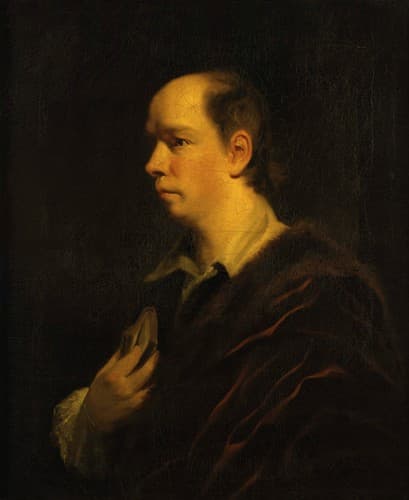
Oliver Goldsmith

Oliver Goldsmith was a well known Anglo-Irish novelist, playwright, dramatist and poet, who is noted for his novel The Vicar of Wakefield (1766), his pastoral poem The Deserted Village (1770), and his plays The Good-Natur'd Man (1768) and She Stoops to Conquer. He is thought by some to have written the classic children's tale The History of Little Goody Two-Shoes (1765).