“In the light of the moon a little egg lay on a leaf.”
— Opening line introducing the caterpillar's beginning.

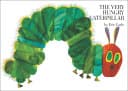
Eric Carle (2007)
Genre
Children's
Reading Time
5 min
Key Themes
See below
Sign in to track this book
A hungry caterpillar eats many foods, grows big, and then becomes a butterfly, showing how life changes.
On a Sunday morning, a small egg sits on a green leaf. As the sun rises, the egg cracks open, and a very small, very hungry caterpillar comes out. The caterpillar immediately starts looking for food, driven by its hunger. This starts its journey, a simple life focused on eating and growing, setting up its change.
On Monday, the hungry caterpillar finds one red apple. It eats through the apple, making a neat hole. Even after eating a whole apple, the caterpillar is still hungry. This first meal sets a pattern for the week: the caterpillar will keep eating more and more, but always seems to need more food to calm its growing hunger.
The next day, Tuesday, the caterpillar finds two green pears. It eats through both pears, leaving two holes. Even after these two pears, the caterpillar is still hungry. This shows its increasing need for food, as it moves from one fruit to two, but its basic hunger continues, pushing it to find more to eat.
By Wednesday, the hungry caterpillar finds three purple plums. It eats all three plums, making a hole through each one. Still, after eating three fruits, the caterpillar is not full. The increasing amount of food shows the caterpillar's fast growth and rising need for energy. Hunger remains the main reason for its daily actions.
On Thursday, the caterpillar sees four red strawberries. It eats through all four, leaving holes. Even after this meal, the hungry caterpillar is still not full. This further shows its constant hunger, proving that even more varied fruit is not enough to satisfy its growing needs, moving it toward an even bigger meal.
Friday brings five juicy oranges for the hungry caterpillar. It eats through all five, making five holes. Even after eating five oranges, the caterpillar is still hungry. This is the most fruit it eats, showing a huge appetite and a strong drive to eat, which highlights its fast development and the high energy needed for its upcoming change.
On Saturday, the caterpillar eats many different foods: one piece of chocolate cake, one ice cream cone, one pickle, one slice of Swiss cheese, one slice of salami, one lollipop, one piece of cherry pie, one sausage, one cupcake, and one slice of watermelon. This large, unhealthy meal finally makes the caterpillar feel full, but it also gives it a bad stomach ache, a result of eating too much.
The next Sunday, feeling sick from its Saturday meal, the caterpillar eats just one green leaf. This simple, natural meal immediately makes the caterpillar feel much better. The green leaf helps its digestion and makes it healthy again, showing a return to a more natural and balanced diet after eating too much.
No longer small or hungry, the caterpillar is now big. It builds a small house, called a cocoon (or chrysalis in science, though the book says 'cocoon'), around itself. This means its eating phase is over, and its time of rest and change begins. The cocoon is its safe shell for the next part of its life.
The big caterpillar stays inside its cocoon for more than two weeks. During this time, it changes. The cocoon gives it a safe, quiet place for this change, where the caterpillar's body transforms, getting ready to become a totally different creature. This time shows patience and nature's hidden processes.
Finally, after more than two weeks, the caterpillar makes a hole in the cocoon, pushes its way out, and becomes a beautiful butterfly. It has large, colorful wings—red, yellow, blue, and green—a big change from how it looked before. This emergence finishes its life cycle, showing the wonder of nature's changes.
The Protagonist
From a tiny, hungry larva, it grows into a big, fat caterpillar, then transforms into a beautiful butterfly, completing its life cycle.
The Supporting
Remains constant, a symbol of consistent natural cycles.
The main theme is the caterpillar's growth and its change into a butterfly. This is shown by the caterpillar getting bigger as it eats more, and by the entire life cycle. It teaches children about how things change and grow in nature, from a small egg to a larva, pupa, and then an adult insect. The story shows that big changes take time and food.
“He was a big, fat caterpillar.”
The book is a simple way to introduce the life cycle of a butterfly. It clearly shows the stages from egg to caterpillar (larva), to cocoon (pupa), and finally to butterfly (adult). This theme helps children understand biology and the natural world, showing how living things grow and go through different stages.
“He was a beautiful butterfly.”
Through the caterpillar's eating, the book gently talks about moderation. The caterpillar's too much eating of different, often unhealthy, foods on Saturday leads to a stomach ache. It only feels better after eating one healthy green leaf. This part suggests the importance of eating a balanced diet and what happens when you eat too much, teaching a simple lesson about health.
“He had a terrible stomach ache!”
The time the caterpillar spends inside its cocoon for 'more than two weeks' introduces the idea of patience. It shows that big changes do not happen right away but need a time of waiting and growing. This builds excitement for the butterfly's appearance, teaching children that good things often take time, and that natural events happen over time.
“He stayed inside for more than two weeks.”
Builds anticipation and reinforces learning through repeated patterns.
The story employs a cumulative structure where the caterpillar eats one apple, then two pears, then three plums, and so on. This repetition, especially of the phrase 'but he was still hungry,' builds anticipation and helps young readers learn numbers and days of the week. The increasing quantity of food each day reinforces the caterpillar's growing appetite and the passage of time, making the narrative predictable yet engaging for children.
Interactive physical holes representing the caterpillar's eating.
The book famously uses die-cut holes on each page, illustrating where the caterpillar has eaten through the food. This interactive element allows children to physically trace the caterpillar's journey and visualize its actions. It's a tactile plot device that enhances engagement, makes the eating process concrete, and provides a sensory experience, bringing the story to life beyond just the words and pictures.
Giving human-like qualities to the caterpillar to make it relatable.
The caterpillar is personified through its 'hunger,' 'stomach ache,' and the explicit desire to eat. While it remains an animal, these human-like experiences make its journey relatable and understandable for young readers. This device helps children connect emotionally with the protagonist and understand the narrative's simple lessons about eating and growth, despite the character being an insect.
Represents hope, transformation, and new beginnings.
The butterfly at the story's end is a powerful symbol. It represents the culmination of the caterpillar's journey, embodying themes of transformation, beauty, and new beginnings. The vibrant colors and ability to fly after being a slow, ground-dwelling creature symbolize freedom and the wondrous possibilities of change, leaving readers with a sense of awe and optimism about natural cycles and personal growth.
“In the light of the moon a little egg lay on a leaf.”
— Opening line introducing the caterpillar's beginning.
“He started to look for some food.”
— The caterpillar begins his journey of hunger.
“On Monday he ate through one apple. But he was still hungry.”
— First day of eating, showing his insatiable appetite.
“On Saturday he ate through one piece of chocolate cake, one ice-cream cone, one pickle, one slice of Swiss cheese, one slice of salami, one lollipop, one piece of cherry pie, one sausage, one cupcake, and one slice of watermelon.”
— Culmination of his unhealthy eating binge.
“That night he had a stomachache!”
— Result of overeating on Saturday.
“The next day was Sunday again. The caterpillar ate through one nice green leaf, and after that he felt much better.”
— Return to healthy eating and recovery.
“He built a small house, called a cocoon, around himself.”
— The caterpillar prepares for transformation.
“He stayed inside for more than two weeks.”
— Period of waiting in the cocoon.
“Then he nibbled a hole in the cocoon, pushed his way out and...”
— The moment of emerging from the cocoon.
“he was a beautiful butterfly!”
— The final transformation revealing the butterfly.
“One Sunday morning the warm sun came up and - pop! - out of the egg came a tiny and very hungry caterpillar.”
— The caterpillar hatches and his journey begins.
“Now he wasn't hungry anymore - and he wasn't a little caterpillar anymore.”
— Reflection on his growth after eating the leaf.
“He was a big, fat caterpillar.”
— Description after a week of eating.
Ready to see how well you understood this book? Take our interactive quiz with 10 questions.

Eric Carle was an American author, designer and illustrator of children's books. His picture book The Very Hungry Caterpillar, first published in 1969, has been translated into more than 66 languages and sold more than 50 million copies. His career as an illustrator and children's book author took off after he collaborated on Brown Bear, Brown Bear, What Do You See?. He illustrated more than 70 books, most of which he also wrote, and more than 145 million copies of his books have been sold around the world.

Dan Gemeinhart
4.5
Kate O'Hearn
4.4

Jeanne Birdsall
4.4

Jen Wang
4.4
Wendelin Van Draanen
4.3

John Marsden
4.3

Chris Van Allsburg
4.3
Jennifer A. Nielsen
4.2