“I was not a good student. I was not a bad student. I was an okay student. I was a student.”
— Alex reflecting on his school career before the meteorite incident.

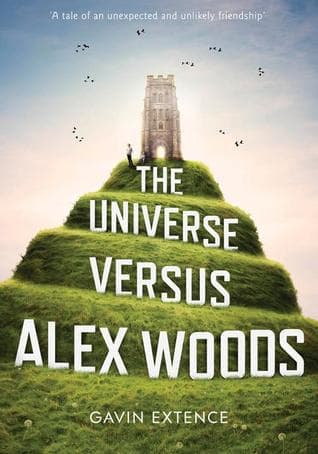
Gavin Extence (2013)
Genre
Young Adult
Reading Time
8 hr 30 min
Key Themes
See below
Sign in to track this book
Struck by a meteorite and befriended by an older widower, an eccentric, bookish teen faces national attention, urn of ashes in tow, convinced he made the right choice in a challenging world.
The novel starts with seventeen-year-old Alex Woods caught at Harwich International Port. He is in a car with marijuana and, more importantly, an urn of human ashes. This immediately draws the attention of the police and the national media, who see Alex as a possible drug trafficker and a public danger. Detective Sergeant Stevenson is assigned to the case, and Alex begins to tell his life story from the start, explaining the unusual events that led him to this situation. His story frames the narrative, promising to reveal the truth behind the headlines.
Alex looks back at his childhood, specifically to age ten when a meteorite hit him while he played in his garden. This very rare event leaves him with a distinct scar on his forehead and a lasting interest in astronomy and the universe's randomness. Raised by his single mother, Ellie, an eccentric fortune teller who believes in the mystical, Alex often feels like an outsider. His love for books and the meteorite incident make him a target for bullies at school, further separating him from others. This early trauma and his mother's unconventional life shape his unique view of the world.
Because of his mother's work schedule and worries about his social skills, Alex enrolls in an after-school program. This leads him to the home of Mr. Peterson, a reclusive and difficult widower living in a run-down house. Their first meetings are tense; Mr. Peterson is gruff and seems uninterested in children, while Alex is shy and afraid. However, a shared love for books, especially Kurt Vonnegut's works, slowly brings them closer. Mr. Peterson, a former English teacher, sees Alex's intelligence and sensitivity, and their hesitant acquaintance gradually becomes a deep, important friendship.
Mr. Peterson becomes Alex's mentor, mainly through their talks about Kurt Vonnegut's novels. He introduces Alex to Vonnegut's mix of dark humor, humanism, and fatalism, which strongly connects with Alex's own experiences of life's random nature. Through these literary conversations, Mr. Peterson shares important life lessons, encouraging Alex to accept life's absurdities, question authority, and find meaning in a chaotic world. He teaches Alex about making his life count and facing hard truths, including that death is certain. These lessons are important for Alex's growth and future choices.
As their friendship deepens, Alex and Mr. Peterson begin to share more personal stories. Alex learns about Mr. Peterson's late wife, who died from a debilitating illness, and the deep sadness that has isolated him. Mr. Peterson, in turn, provides a steady, understanding presence that Alex lacks, offering guidance and a sense of belonging. They spend many hours together, reading, discussing, and simply being in each other's company. Their bond goes beyond age and social expectations, becoming a lifeline for both of them, filling empty parts of their lives and offering mutual comfort and mental stimulation.
Years pass, and Alex grows into his teenage years, with Mr. Peterson still a central person in his life. However, Mr. Peterson's health starts to worsen significantly due to a terminal illness that causes him great pain. He tells Alex his wish for assisted dying, explaining that he wants to end his life on his own terms rather than suffer a long, painful decline. This request puts Alex in an incredibly difficult moral and emotional position, as he struggles with the illegality of such an act and his deep love for his friend. Mr. Peterson emphasizes his belief in personal freedom and the right to choose one's own end.
Alex is torn by Mr. Peterson's request. He loves Mr. Peterson deeply and understands his friend's suffering, but the idea of helping him die is terrifying and against social norms and laws. He asks for advice from various people, including his mother, but eventually realizes this is a decision he must make himself, guided by his understanding of Mr. Peterson's character and his own moral sense. Remembering Mr. Peterson's lessons about living life on one's own terms and finding meaning even in hard choices, Alex makes the heartbreaking decision to help his friend, believing it is an act of deep love and respect.
Alex carefully plans the trip to Switzerland, where assisted dying is legal under specific rules. He arranges their travel, making sure to get the necessary documents and medications. The trip itself is a moving and emotional experience, filled with quiet talks and shared memories. Mr. Peterson expresses his thanks and peace with his decision. In Switzerland, they share a final, heartfelt goodbye, with Mr. Peterson confirming the great impact Alex has had on his life. Alex stays by his side, fulfilling his promise and watching his friend pass away peacefully.
After Mr. Peterson's death, Alex takes his ashes in an urn. He also gets marijuana, not for personal use or selling, but as a symbolic act related to Mr. Peterson's last wishes and their shared memories. The marijuana represents a small act of defiance against rules and a nod to a specific Vonnegut quote Mr. Peterson admired. Alex begins his journey back to the UK, carrying the weight of his actions and the deep loss of his friend, knowing his return will lead to problems with the law.
Back in the present, Alex finishes his detailed account to Detective Sergeant Stevenson. He calmly explains every step of his journey and his reasons, making it clear that his actions came from love and a desire to honor his friend's choice, not from criminal intent. The story clarifies the presence of the urn and the marijuana, changing him from a suspected drug trafficker into a young man who made an incredibly difficult ethical choice. The police and the public are left to deal with the complexities of his story and the moral implications of assisted dying.
Alex's story, once fully known, causes a national stir. The media, at first hostile, changes its tone, showing him as a sympathetic figure, even though he broke the law. Public opinion is split, starting a wide debate on assisted dying, friendship, and individual rights. Alex faces legal proceedings, charged with drug possession and, implicitly, assisting a suicide. His trial becomes a high-profile event, with many following the outcome closely, understanding it is more than just a legal case; it is a moral and ethical problem playing out publicly.
Despite the seriousness of the charges, the court, influenced by Alex's compelling story and the public's understanding of his reasons, gives a relatively light sentence. Alex is found guilty but receives a suspended sentence or community service, recognizing the unique circumstances. The experience deeply changes Alex. He emerges not as a criminal, but as a thoughtful, empathetic person who has faced huge moral challenges. He continues to honor Mr. Peterson's memory, embracing his love for literature and astronomy, and possibly becoming an advocate for compassion and understanding in end-of-life discussions, carrying forward the lessons from his extraordinary friendship.
The Protagonist
Alex transforms from an isolated, bullied child into a courageous and principled young man who makes a profound, if controversial, choice out of love and conviction.
The Supporting/Mentor
Mr. Peterson finds renewed purpose and companionship through his friendship with Alex, ultimately finding peace in his final decision.
The Supporting
Ellie learns to trust Alex's judgment and understand the depth of his unique relationships, even when they challenge her own beliefs.
The Supporting
Stevenson's perspective on Alex shifts from suspicion to understanding, allowing him to see the moral complexities of the situation.
The Mentioned/Antagonistic
The bullies' presence establishes Alex's initial character and struggles, providing context for his subsequent development.
The Mentioned
Her past illness and death serve as the foundation for Mr. Peterson's end-of-life decisions, indirectly shaping Alex's journey.
The main theme explores the deep and unusual bond between Alex and Mr. Peterson. Their friendship goes beyond age, social norms, and personal quirks, becoming a source of mutual growth and comfort. Mr. Peterson acts as a grandfather figure and intellectual guide, introducing Alex to literature and philosophy that shapes his view of the world. Alex, in turn, brings companionship and a renewed sense of purpose to Mr. Peterson's isolated life. Their connection shows that true friendship can be found in unexpected places and that mentorship can change a life, ending with Alex's ultimate act of love and loyalty.
““There are two things I know for certain: the first is that a meteorite will probably kill you. The second is that it will be an act of kindness if I help you on your way.””
This theme looks at the complexities of end-of-life choices and the right to personal freedom. Mr. Peterson's terminal illness and his request for assisted dying force Alex, and the reader, to confront difficult ethical questions about suffering, dignity, and control over one's own life. The novel explores the conflict between legal bans and individual desires for a peaceful, self-determined death. It highlights Mr. Peterson's belief in making one's life (and death) count, and Alex's courage in honoring that belief, even when it means breaking the law and facing serious consequences.
““You only get one shot at life. You have to make it count.””
From Alex being hit by a meteorite at age ten to his interest in Kurt Vonnegut's books, the novel consistently explores life's inherent randomness and absurdity. The meteorite incident is the ultimate symbol of the universe's indifference and unpredictability, leaving Alex with a lasting scar and a unique perspective. Vonnegut's ideas, supported by Mr. Peterson, provide a way to understand and accept this chaos with dark humor and humanism. This theme suggests that while life can be random and unfair, individuals can still find meaning and connection, making their own sense of a nonsensical world.
““I had been hit by a meteorite. I had been chosen. Not by God, or fate, or anything like that. Just by chance. Pure, unadulterated chance.””
Literature, especially Kurt Vonnegut's works, acts as a strong way for connection and understanding in the novel. A shared love for books first bridges the gap between Alex and Mr. Peterson, giving them a common language and a base for their friendship. Vonnegut's novels become a source of wisdom, humor, and moral guidance, helping Alex deal with complex emotions and ethical problems. The entire story structure, with Alex telling his life story to Detective Stevenson, shows the power of storytelling to explain, justify, and connect, turning a legal interrogation into a deep human confession.
““Books are the ultimate portable magic.””
Alex's journey is about a misfit finding his place. Initially an outsider because of his intelligence, his eccentric mother, and the meteorite incident, he struggles to connect with others his age. His friendship with Mr. Peterson gives him a sense of belonging and validation he hasn't found elsewhere. Through this relationship, and the public attention that follows, Alex learns to embrace his unique identity and stand firm in what he believes. The novel suggests that finding one's place is not always about fitting in, but about forming meaningful connections and living authentically, even if it means challenging social norms.
““I was a weird kid. I knew it. Everyone else knew it. But Mr. Peterson didn’t care. He just saw me as me.””
Alex's confession to Detective Stevenson frames the entire story.
The novel begins and ends with Alex recounting his life story to Detective Sergeant Stevenson after being arrested at customs. This frame narrative allows for a retrospective and reflective tone, as Alex slowly reveals the complex motivations behind his actions. It builds suspense, as the reader gradually understands the truth behind the dramatic opening scene, and allows for a deep dive into Alex's character development and the profound impact of his friendship with Mr. Peterson, making the 'why' more important than the 'what'.
The early meteorite incident predicts Alex's extraordinary and unpredictable life.
The event of Alex being struck by a meteorite at age ten serves as significant foreshadowing. It immediately establishes that Alex's life will be unusual, marked by randomness and extraordinary events. This incident not only leaves him with a physical scar but also a philosophical outlook that prepares him for the subsequent, equally improbable, and ethically challenging events that unfold with Mr. Peterson. It signals to the reader that this is not an ordinary coming-of-age story.
Vonnegut's novels symbolize intellectual connection, philosophical guidance, and a worldview embracing absurdity.
Kurt Vonnegut's books are more than just shared interests between Alex and Mr. Peterson; they are symbolic. They represent the intellectual and emotional bridge between the two characters, providing a common language and a shared philosophy. Vonnegut's themes of humanism, dark humor, anti-war sentiment, and the absurdity of existence directly inform Alex's understanding of life, death, and his eventual decision to help Mr. Peterson. The specific Vonnegut quote related to the marijuana also becomes a symbolic gesture of defiance and remembrance.
Alex faces the profound ethical choice of assisting Mr. Peterson's death.
The central moral dilemma in the novel revolves around Mr. Peterson's request for assisted dying and Alex's decision to fulfill it. This device drives the entire latter half of the plot, forcing Alex to weigh the legality of his actions against his deep love and respect for his friend's autonomy and wish for a dignified end. It challenges societal norms and legal frameworks, prompting readers to consider complex questions about compassion, individual rights, and the nature of right and wrong when personal ethics clash with the law.
“I was not a good student. I was not a bad student. I was an okay student. I was a student.”
— Alex reflecting on his school career before the meteorite incident.
“What are the chances of a meteorite hitting a boy in the head? One in a billion, maybe. What are the chances of that boy surviving? Even less. What are the chances of him meeting a woman who makes him feel less alone than he's ever been? That's the real miracle.”
— Alex pondering the improbable events of his life and his bond with Mrs. Peterson.
“The universe doesn't care about you. It doesn't care about your hopes or your dreams or your fears. It just is. And you just are. And sometimes, those two things collide.”
— Alex's philosophical take on his accident and the indifference of the cosmos.
“Books were my escape. They were my friends. They were the only place I felt truly safe.”
— Alex describing his lifelong relationship with reading and literature.
“It's funny, isn't it? How you can spend your whole life trying to be invisible, and then one day, something happens that makes you utterly, irrevocably visible.”
— Alex considering the impact of the meteorite strike on his previously quiet life.
“Grief is a funny thing. It’s like a bruise that never quite fades. Sometimes it hurts, sometimes it doesn’t. But it’s always there, a faint reminder of what you’ve lost.”
— Alex reflecting on the enduring nature of grief and loss.
“The most important thing, I think, is to be kind. To yourself, to others, to the world. Kindness is a superpower.”
— A piece of wisdom Alex imparts or reflects upon.
“Sometimes, the people who seem the most ordinary are the ones with the most extraordinary stories.”
— Alex realizing the depth of Mrs. Peterson's life experiences.
“I’ve always believed that the best way to understand the world is to read about it. To read everything.”
— Alex's philosophy on learning and understanding through literature.
“We're all just trying to make sense of the chaos, aren't we? Some of us just do it with more explosions than others.”
— Alex's wry observation about life's challenges and individual coping mechanisms.
“There are some people who come into your life and change everything. Mrs. Peterson was one of those people for me.”
— Alex acknowledging the profound influence of Mrs. Peterson on his life.
“It’s not about how long you live, but how you live. And who you live it with.”
— Alex's thoughts on the quality of life over its duration.
“You can’t control what happens to you, but you can control how you react to it.”
— A lesson Alex learns about resilience and agency in the face of adversity.
“Maybe the universe isn't against me after all. Maybe it's just... complicated.”
— Alex's evolving perspective on his place in the universe.
Ready to see how well you understood this book? Take our interactive quiz with 10 questions.