“The poor duckling was driven about by everyone.”
— Describing the initial suffering and rejection of the protagonist.

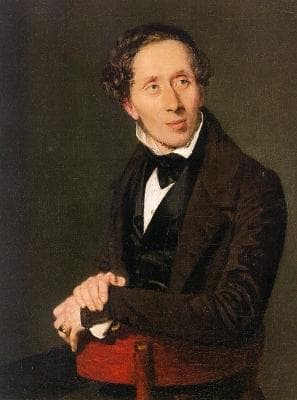
Hans Christian Andersen (1851)
Genre
Thriller / Mystery / Romance
Reading Time
15 min
Key Themes
See below
Sign in to track this book
Hunted, mocked, and facing the harsh change of seasons, an awkward bird's dangerous journey through a world of bias leads to a stunning change, showing that true happiness comes to those who patiently accept who they are.
In a nest among reeds by a pond, a mother duck sits on her eggs. One by one, her ducklings hatch, each yellow and lively. However, one egg takes longer, and when it opens, out comes a large, gray, and clumsy duckling. This duckling looks different from its siblings, who are small and yellow. The mother duck, despite her surprise, loves all her children and introduces them to the pond, where the 'ugly' duckling swims as well as the others.
The mother duck takes her young to the farmyard, eager to show them to the other birds. Immediately, the large gray duckling becomes a target for mockery. Other ducks peck at it, chickens make fun of its looks, and even its own siblings turn away. The poor duckling is always pushed aside, hissed at, and called ugly. It tries to fit in, but no matter what, it faces scorn and meanness, leading to deep sadness and loneliness.
Unable to stand the constant torment, the 'ugly' duckling runs away. It leaves the farmyard and walks alone through fields and marshes. It feels lost and abandoned, always looking over its shoulder, afraid of more unkindness. The world outside the farmyard is large and unknown, but the duckling prefers the uncertainty of being alone to the guaranteed cruelty of its former home. It finds a quiet spot in a marsh, hoping for peace.
While hiding in the marsh, the duckling meets a group of wild ducks. For a short time, it feels like it belongs with them. However, their peace is broken by hunters. The wild ducks scatter, and the 'ugly' duckling, scared, hides among the reeds, barely escaping death. This experience makes it feel even more alone and vulnerable, reminding it that even outside the farmyard, life is dangerous and it is still by itself.
As winter nears, the duckling, weak from hunger and cold, finds a small cottage. An old woman, her hen, and her cat live there. The old woman feels sorry for the duckling and offers it shelter. However, the hen, who thinks she is the wisest, and the cat, who thinks he is the most handsome, constantly mock the duckling for not being able to lay eggs or purr. They demand it help the household, further showing its perceived uselessness and difference.
The 'ugly' duckling soon realizes the old woman's cottage offers no real escape from scorn. The hen and the cat's constant criticism and demands for it to do things it cannot (like laying eggs) become unbearable. They belittle its very existence, making it feel more miserable. Wanting the freedom of the water and unable to find acceptance, the duckling decides to leave the cottage and face the harsh winter alone, again seeking a place where it might belong.
The winter is very harsh. The duckling struggles to survive in the freezing cold, finding little food and constantly fighting the icy winds and frozen waters. It often has to swim to keep from freezing solid in the pond. One day, it gets trapped in the ice, weak and near death. A kind farmer finds it, breaks the ice, and takes the nearly frozen duckling home to warm it by the fire, saving its life.
The farmer brings the duckling into his warm home, where it slowly recovers. However, the farmer's children, curious and playful, accidentally scare the duckling. In its weakened state, the sudden noise and perceived threat make it panic. It flaps its wings wildly, knocks over a milk pail, and makes a small mess. Overwhelmed and fearing more mistreatment or capture, the duckling flees the house and returns to the harsh outdoors, preferring solitude to unintentional meanness.
During its lonely travels, the duckling sees a group of magnificent, graceful white birds with long, elegant necks gliding on the water. These are swans, and the duckling is instantly drawn to their beauty. It feels an intense, unexplainable longing and admiration for them, a sense of kinship it has never felt, even though it believes itself too ugly to approach such splendid creatures. It watches them from afar, filled with awe and despair.
With spring's arrival, the world changes, and so does the duckling. It feels new strength in its wings and decides to fly to a beautiful garden. There, it sees a group of glorious swans swimming. Feeling an irresistible pull, it lowers its head, expecting rejection. But as it bows, it sees its reflection in the clear water. To its surprise, it is no longer a clumsy gray duckling, but a magnificent, white swan. It is filled with joy and wonder at its change.
The other swans swim towards the newly changed bird, circling it and gently stroking it with their beaks, welcoming it into their group. Children playing nearby point and exclaim, calling it the most beautiful of all the swans. The former 'ugly' duckling, now a graceful swan, is overwhelmed with happiness. It has found its true family and its true self, realizing that all its suffering and loneliness were part of a journey to find where it belonged. It finally feels accepted and at home.
The Protagonist
From a rejected, lonely outcast, it transforms into a confident, beautiful swan, finding its true identity and belonging.
The Supporting
Remains largely static, representing unconditional maternal love, but also the societal pressures that even a mother cannot fully overcome.
The Supporting
They remain static, serving as a contrast to the protagonist's uniqueness and a catalyst for its flight.
The Supporting
Remains static, a symbol of petty judgment and a lack of empathy.
The Supporting
Remains static, serving as another antagonist representing societal prejudice.
The Supporting
Remains static, a fleeting source of comfort, but not true understanding or belonging.
The Supporting
Remains static, a brief but vital intervention in the duckling's journey.
The Supporting
Initially serve as an aspirational image, then become the accepting community for the transformed protagonist.
The main idea is about the character's journey to understand who it is, beyond how it looks and what others think. The duckling spends most of its life believing it is an 'ugly' duck, suffering because it does not fit in. Its change into a swan is not just physical; it shows the discovery of its true nature and ability. This is clearly shown when it sees its reflection in the water in the final scene, finally recognizing itself as a swan, not a deformed duck.
“It did not matter that he had been born in a duck-yard, if he had only lain in a swan's egg!”
The story clearly shows the pain of being judged and left out because of small differences. From the moment it hatches, the 'ugly' duckling is mocked, pecked, and driven away by its own family and all the farm animals simply because it looks different. This bias extends to the Hen and Cat, who judge it for its lack of 'useful' skills. These examples show how fear and not understanding differences can lead to great cruelty and suffering, forcing the duckling into a lonely life.
“The poor duckling was driven about by every one; even his brothers and sisters were cross to him, and said, 'If only the cat would get you, you ugly creature!'”
Despite constant rejection, physical hardship, and emotional pain, the duckling never truly gives up. It survives a harsh winter, escapes hunters, and repeatedly seeks a place where it might belong. Each problem, whether it is leaving the farmyard, the marsh, or the cottage, makes it find new ways to survive and continue its journey. Its steady effort through suffering ultimately leads to its successful change and the discovery of its true home, showing the strength found in facing difficulty.
“He tried to swim; he found he could do it, even though he was so ugly. He felt quite glad.”
The story questions common ideas of beauty, suggesting it is often misunderstood or judged by looks. The 'ugly' duckling is called hideous by all who see it, yet it is just a swan in disguise. Its true beauty is there from birth, waiting to be shown. The difference between the farm animals' idea of beauty (based on looking like their own kind) and the duckling's final elegant form shows that true beauty is not always obvious and often lies in being unique and graceful, not just fitting in.
“'No, that one is much prettier,' said the children; 'it is the finest of them all!' And the old swans bowed their heads before him.”
Represents true beauty, grace, and belonging.
The swan symbolizes the protagonist's true, inherent nature and destiny. Throughout the story, the duckling yearns for the elegance and acceptance embodied by the swans it observes. Its eventual transformation into a swan signifies not just physical change, but the revelation of its inner self and the discovery of its rightful place in the world. The swan's beauty contrasts sharply with the 'ugliness' perceived by others, highlighting the theme of misunderstood identity.
The duckling's physical and emotional travel to find its place.
The story is structured as a literal and metaphorical journey. The duckling travels from the pond to the farmyard, the marsh, the old woman's cottage, and finally to the beautiful garden where it finds the swans. Each location presents new challenges and characters that contribute to its suffering and growth. This physical journey mirrors its internal struggle for self-acceptance and belonging, culminating in the discovery of its true identity at the journey's end.
Highlights the difference between perceived flaws and inherent worth.
The narrative makes extensive use of contrast, particularly between the 'ugly' duckling and its beautiful, yellow siblings, and later, between its awkward appearance and the graceful swans. This device emphasizes the unfairness of judgment based on superficial traits. The contrast between its initial rejection and its final acceptance as a swan powerfully underscores the theme that true beauty and worth are not always immediately visible and can be overlooked by those with narrow perspectives.
Focuses on the psychological and moral growth of the protagonist.
Although it's an animal fable, 'The Ugly Duckling' functions as a bildungsroman. It chronicles the protagonist's development from a naive, suffering outcast to a self-aware and accepted individual. The duckling faces numerous trials, learns about cruelty and kindness, and experiences profound loneliness before undergoing a significant transformation. This journey of growth and self-discovery is central to the narrative, showing how adversity shapes identity.
“The poor duckling was driven about by everyone.”
— Describing the initial suffering and rejection of the protagonist.
“It does not matter if one is born in a duck-yard, if one has only lain in a swan's egg.”
— The famous concluding realization about the duckling's true identity.
“He felt quite glad that he had been through so much trouble and adversity, for now he could appreciate his good fortune the more.”
— Reflecting on the value of past struggles after finding happiness.
“But the poor duckling, who had been the last to creep out of the egg, and was so ugly, was bitten and pushed about and made fun of, both by the ducks and the chickens.”
— Illustrating the early and widespread bullying the duckling faced.
“Oh, how he longed to fly away, far away, to some quiet spot where he could be safe from all the persecutions that followed him.”
— The duckling's desperate desire to escape his tormentors.
“The wild ducks stared at him, 'What kind of a creature are you?' they asked.”
— Even in the wild, the duckling's appearance causes suspicion and questions.
“The poor duckling did not know where to turn, or what to do.”
— Expressing the duckling's utter confusion and despair during his wanderings.
“He hid his head under his wing, and was so ashamed.”
— The duckling's reaction to being ridiculed, highlighting his low self-esteem.
“He was quite alone, and felt very miserable.”
— A simple but poignant description of the duckling's loneliness.
“He felt a strange desire to swim with them, and he plunged into the water and swam towards the beautiful swans.”
— The duckling's instinctive pull towards the swans, foreshadowing his true nature.
“He bowed his head, and waited for death.”
— The duckling's resignation when he approaches the swans, expecting rejection or harm.
“He was so happy, but not at all proud, for a good heart is never proud.”
— Describing the duckling's joy at his transformation, emphasizing his humility.
“The other swans caressed him with their beaks.”
— The welcoming and gentle reception the duckling receives from his true family.
“The little children clapped their hands and cried, 'There's a new one! A new one!'”
— The innocent and joyous reaction of children to the new swan, contrasting with adult cruelty.
Ready to see how well you understood this book? Take our interactive quiz with 10 questions.
Biography coming soon.







