BookBrief
The Thorn Birds cover
Archivist's Choice

The Thorn Birds

Colleen McCullough (1977)

Genre

Historical Fiction / Romance

Reading Time

15-20 hours

Key Themes

See below

Track Your Reading

Sign in to track this book

Set in the Australian outback, a woman and a priest have a forbidden love that spans decades, making them confront faith, family, and fate.

Synopsis

The Thorn Birds tells the story of the Cleary family, especially Meggie, after they move from New Zealand to the Australian sheep station, Drogheda, in the early 20th century. Meggie's life connects with Father Ralph de Bricassart, a Catholic priest torn between his religious duties and his love for Meggie. Their relationship lasts for decades, with secret meetings, sad goodbyes, and his vows always present. Meggie marries Luke O'Neill, a man she does not love, and raises her children, Dane and Justine. The book explores sacrifice, life in the Australian outback, and the lasting power of a love that can never be. The story ends with loss and the revelation of Dane's father, forcing Father Ralph to face his decisions.
Reading time
15-20 hours
Difficulty
Medium
Pacing
Moderate
Mood
Epic, Romantic, Melancholy, Dramatic, Poignant
✓ Read this if...
You love epic, multi-generational sagas with sweeping romance, forbidden love, and a strong sense of place, exploring themes of duty, desire, and sacrifice.
✗ Skip this if...
You dislike lengthy historical novels, stories with significant religious themes, or narratives where the central romance is ultimately tragic and unfulfilled.

Plot Summary

The Clearys Arrive at Drogheda

In 1915, the Cleary family, led by Paddy, moves from their New Zealand home to Drogheda, a sheep station in the Australian outback. This move is at the request of Paddy's wealthy sister, Mary Carson, who has no heirs and offers Paddy a job as her station manager. Among the children is four-year-old Meggie, who is drawn to the young Catholic priest, Father Ralph de Bricassart. Father Ralph, ambitious and worldly, finds himself drawn to Meggie, forming a bond that will shape their lives. The family struggles with life at Drogheda and Mary Carson's demanding personality.

Meggie's Childhood and Father Ralph's Ambition

Years pass, and Meggie grows into a young woman on Drogheda. Her childhood affection for Father Ralph becomes a deep, unspoken love, which he, despite his vows, feels in return. Father Ralph, torn between his religious calling and worldly ambition, uses his connection to Mary Carson to advance his career in the Catholic Church. Mary Carson knows about Father Ralph's ambition and his feelings for Meggie, and she manipulates him, often using her wealth. She watches the bond between the priest and the young girl with a cruel amusement, setting up future conflicts.

Mary Carson's Death and Devastating Revelation

In 1930, Mary Carson dies, leaving her fortune not to her brother Paddy or his family, but to the Catholic Church, with Father Ralph de Bricassart as the executor. Her will includes a final condition: she reveals her long-standing love for Father Ralph and states that the Church will only inherit if he gives up all personal claims to the Cleary family and dedicates himself to God. This act ensures Father Ralph's rise in the Church but leaves Meggie heartbroken and confirms her fears about his priorities.

Tragedy Strikes Drogheda

Soon after Mary Carson's death and the details of her will are known, tragedy happens at Drogheda. A bushfire sweeps through the property, killing Paddy Cleary and his oldest son, Frank. Frank, who had left Drogheda earlier to become a boxer after a fight with Paddy, returns only to die with his father. This double loss leaves the Cleary family in deep sorrow and makes Meggie feel more alone. Father Ralph returns for the funerals, offering comfort, but his presence only increases Meggie's grief and her desire for a life with him that cannot be. The Clearys must rebuild their lives and the station.

Luke O'Neill and Meggie's Desperate Marriage

Heartbroken and feeling left by Father Ralph, who has gone to Rome for his church career, Meggie wants to escape Drogheda and her unfulfilled desires. She meets Luke O'Neill, a charming but selfish shearer. Mistaking his attention for real affection and a chance at a normal life, Meggie marries him. Luke is only interested in her inheritance from Mary Carson's will and soon shows his true nature. He takes a job cutting cane in northern Queensland, leaving Meggie in a small, isolated shack while he works, rarely visiting and sending her little money. Meggie lives a lonely and hard life, giving birth to their daughter, Justine.

The Reunion and Dae's Conception

After several years of an unhappy marriage to Luke, Meggie gets puerperal fever and becomes very ill. Father Ralph, now a Cardinal, hears of her condition and travels to Queensland to see her. He finds her weak and sad, and during a short, intense reunion on a remote island, their long-held love finally happens. This meeting leads to the conception of their son, Dane. Meggie, knowing she cannot tell anyone Dane's true father, decides to leave Luke and return to Drogheda, saying she is pregnant with his child. Father Ralph, not knowing the full result of their night together, returns to his duties, still focused on his ambition.

Raising Dane and Justine on Drogheda

Meggie returns to Drogheda with her daughter Justine and soon gives birth to Dane. Dane grows into a golden-haired boy who looks like Father Ralph, a fact many notice but do not speak about. Meggie focuses on raising her children, finding happiness in Dane and seeing in him the outcome of her love for Father Ralph. Justine, however, is more independent and wants to leave Drogheda to live her own life. The family continues to run Drogheda, with the younger Cleary brothers and Fee's quiet strength keeping the station going, while Father Ralph continues to rise in the Vatican.

Dane's Vocation and Justine's Ambition

As Dane grows older, he announces his plan to become a priest, which secretly pains Meggie. She sees similarities between Dane and Father Ralph, in looks and their dedication to the Church, and fears he will follow a similar path of sacrifice and unfulfilled love. Meggie tries to change his mind, but Dane is firm. Meanwhile, Justine, after finishing her education, leaves Drogheda to pursue an acting career in London and then Rome, moving away from rural life and her family. She has a complex, often argumentative relationship with Rainer Moerling, a German politician, who becomes important in her life.

Dane's Tragic Death

Dane, during a holiday in Greece before his ordination, drowns while trying to save two women caught in a current. His body is found by Father Ralph, who rushes to the scene after being contacted because of Dane's connection to the Church. The news devastates Meggie, who travels to Greece for the funeral. In a grief-filled talk, Meggie tells Father Ralph that Dane was their son, the result of their one night together. Father Ralph is crushed by the news, realizing the cost of his ambition and the love he gave up. He understands the 'thorn bird' story, realizing he has killed his most precious thing.

Father Ralph's Death and Justine's Future

Father Ralph, overwhelmed by the news of Dane's father and the weight of his choices, returns to Drogheda with Meggie. He dies soon after, in Meggie's arms, fulfilling his own sad prediction of a life spent giving up love for ambition. Meggie is left to mourn both her son and the man she loved her entire life. Justine, after Dane's death, is drawn back to Rainer Moerling, and despite her initial hesitation to commit, she marries him, choosing a life of international politics and intellectual pursuits over the traditional life of Drogheda. The novel ends with Meggie thinking about her life, her loves, and the lasting mark of the Cleary family on Drogheda.

Principal Figures

Meggie Cleary

The Protagonist

From an innocent child, Meggie matures into a woman defined by her enduring, often tragic, love for Father Ralph, ultimately finding a bittersweet peace in her memories and the legacy of Drogheda.

Father Ralph de Bricassart

The Protagonist/Antagonist (to himself)

Driven by ambition to become a powerful Cardinal, Father Ralph ultimately achieves his goals but dies realizing the profound personal cost of his choices, particularly the sacrifice of his love for Meggie and their son.

Fee Cleary

The Supporting

Fee remains largely unchanged in her stoicism, a constant, enduring presence on Drogheda, silently observing and supporting her family through tragedy.

Paddy Cleary

The Supporting

Paddy remains a steadfast, hardworking patriarch until his tragic death, symbolizing the harsh realities of life in the Australian outback.

Mary Carson

The Supporting/Antagonist

Mary Carson remains consistently manipulative and self-serving, using her wealth to exert control and leave a lasting, disruptive legacy even after her death.

Frank Cleary

The Supporting

Frank rebels against his origins, seeking independence and identity through boxing, but ultimately returns to Drogheda only to die tragically, never fully resolving his inner turmoil.

Luke O'Neill

The Supporting/Antagonist

Luke remains a self-centered and uncaring individual, never evolving beyond his desire for money and convenience, leading to Meggie's profound unhappiness.

Dane O'Neill

The Supporting

Dane grows into a pure and spiritual young man, unknowingly mirroring his biological father's path to the priesthood, only to die tragically, a final, painful sacrifice.

Justine O'Neill

The Supporting

Justine evolves from a rebellious young woman to an independent, intellectual professional, ultimately choosing a life of career and partnership over traditional family expectations.

Themes & Insights

Forbidden Love and Sacrifice

The main theme involves the lifelong, forbidden love between Meggie Cleary and Father Ralph de Bricassart. Ralph's commitment to the Catholic Church and his ambition always stop their love. Both characters make big sacrifices: Ralph gives up personal happiness and a family for his church career, while Meggie gives up her emotional well-being for a love that cannot fully happen. This theme connects to the 'thorn bird' myth, where the most beautiful song costs the bird its life, symbolizing the pain and beauty of their love and the price paid for it, especially with their son Dane's death.

There is a legend, a prophecy, about a bird with no legs that lives its whole life on the wing. It builds no nest, it rests on no branch, for it has no feet. It sleeps on the wind. And it sings only once in its life, a song more beautiful than any other creature has ever heard. And when it sings, it impales itself on a thorn, and dies.

Narrator

Ambition vs. Love

Father Ralph's story shows the conflict between ambition and love. As a young priest, Ralph wants to rise in the Church, using his charm and intelligence. This ambition causes him to choose his career over his deep feelings for Meggie many times. Mary Carson's will directly forces this choice, as she manipulates Ralph into securing his church future at the cost of a personal life with Meggie. Ralph achieves his highest goals but dies realizing how empty a life lived without fully embracing his deepest love is, especially after learning Dane's father.

One day, Meggie, you will understand that a man can be torn in two by what he wants and what he must do.

Father Ralph de Bricassart

The Harshness and Beauty of the Australian Outback

Drogheda, the Australian sheep station, is more than a setting; it shapes the lives of the Cleary family. The harsh realities of the outback — droughts, bushfires, and isolation — build the characters' strength and define their struggles. The land demands perseverance, but it also offers a wild beauty and a deep sense of belonging for those who endure its challenges. This theme shows the connection between people and nature, demonstrating how the environment can both harm and support.

Drogheda was a place where dreams were born and died, where hopes were nurtured and crushed, where life was lived in vast, raw sweeps of joy and sorrow.

Narrator

Family Dynamics and Legacy

The novel covers several generations of the Cleary family, exploring the complex family relationships and what is passed down. From Fee and Paddy to Frank, Meggie, and her children, Justine and Dane, the story looks at how family secrets, inherited traits, and past choices affect future generations. The theme questions what family means, the burden of expectations, and the different paths individuals take within a shared family line. Drogheda's constant presence ties them together, even as they go their separate ways.

Families were like trees, she thought. They grew in strange and twisted ways, but they grew together, and their roots were intertwined.

Meggie Cleary (internal thought)

Identity and Self-Discovery

Several characters struggle with their identity throughout the novel. Meggie tries to define herself outside of her love for Ralph and her role as a mother, eventually finding strength in her resilience. Frank is affected by his illegitimate birth, which shapes his rebellious nature and desire for a life away from Drogheda. Justine actively seeks to create her own identity, rejecting traditional roles and pursuing an intellectual career. Father Ralph's identity is always split between his religious calling and his human desires, leading to inner conflict and, in the end, tragedy. The journey of self-discovery is often hard and involves challenging what society expects.

Who was she, really, without him? A woman with a past, a mother, a Cleary of Drogheda. But without Ralph, a part of her was always missing.

Narrator (referring to Meggie)

Plot Devices & Literary Techniques

The Thorn Bird Myth

A central metaphor for the cost of ultimate beauty and profound love.

The myth of the thorn bird serves as the overarching metaphor for the novel's central theme of forbidden love and sacrifice. The bird sings its most beautiful song only when it impales itself on a thorn, dying in the process. This symbolizes Father Ralph's life-long sacrifice of his profound love for Meggie and their son, Dane, for his ambition within the Church. It also reflects Meggie's enduring pain and the ultimate tragedy of their love, where the greatest beauty (their love, and Dane) comes at an unbearable cost (loss and suffering). The myth is explicitly referenced and understood by the characters, giving a deeper, almost mythical resonance to their personal tragedies.

Drogheda as a Character/Setting as Fate

The vast sheep station that shapes the lives and destinies of the Cleary family.

Drogheda is not merely a backdrop but an active force in the characters' lives, almost a character in itself. Its vastness, its harsh climate (droughts, fires), and its isolation dictate the Clearys' existence, providing both sustenance and hardship. For Meggie, it represents home, family, and a constant reminder of her past and her love for Ralph. For others, like Frank and Justine, it is a place to escape from. The land binds them, defines their work, and often reflects their inner struggles. The cyclical nature of life on Drogheda – births, deaths, and the ever-present struggle against nature – mirrors the enduring and often tragic cycles of the Cleary family's lives.

Symbolism of Names

Character names subtly hint at their roles or fates.

The names of certain characters carry symbolic weight. 'Meggie' (Margaret) can mean 'pearl,' suggesting her preciousness to Ralph and her often hidden depth. 'Ralph' (meaning 'wolf counsel' or 'famous wolf') hints at his cunning ambition and perhaps his predatory, albeit unintentional, influence on Meggie's life. 'Frank' (meaning 'free') underscores his desperate desire for independence and his struggle against his origins. 'Dane,' with its association to a powerful, noble breed of dog, suggests his strong, pure nature and his ultimate sacrifice. These names add a layer of subtext to their personalities and destinies, reinforcing their roles in the larger narrative.

Generational Saga

Narrative structure spanning multiple generations of the Cleary family.

The novel employs a generational saga structure, beginning with Paddy and Fee Cleary and their children, primarily focusing on Meggie, then extending to her children, Justine and Dane. This allows the narrative to explore the long-term impacts of choices, the inheritance of traits, and the evolution of family dynamics over decades. It highlights how the past influences the present and future, showing patterns of love, loss, and ambition repeating across generations. This structure provides a rich, expansive canvas for exploring themes of legacy, identity, and the enduring nature of human emotion against the backdrop of historical change in Australia.

Critical analysis

Notable Quotes

There is a legend about a bird which sings just once in its life, more sweetly than any other creature on the face of the earth. From the moment it leaves the nest it searches for a thorn tree, and does not rest until it has found one.

Opening lines of the novel, setting up the central metaphor.

We are all fools in love.

Meggie Cleary reflecting on her lifelong love for Ralph de Bricassart.

I am a priest, Meggie. I cannot marry you.

Ralph de Bricassart rejecting Meggie's love due to his vows.

The only thing worth having is that which you have paid for with a piece of your soul.

Ralph contemplating the cost of his ambitions and love.

I've always known what I wanted, and that was to be a priest. But I never knew I could want something else so much.

Ralph confessing his internal conflict between his vocation and love for Meggie.

There is no happiness like that of being loved by your fellow creatures, and feeling that your presence is an addition to their comfort.

Narrator reflecting on the Cleary family's life on Drogheda.

I am what I am, and I will not change for anyone.

Meggie asserting her independence and resilience.

The heart has its reasons which reason knows nothing of.

Narrator commenting on the irrational nature of love (paraphrasing Pascal).

We are all born with a thorn in our side, and we spend our lives trying to pull it out.

Reflection on human suffering and the search for meaning.

I would rather have had one breath of her hair, one kiss of her mouth, one touch of her hand, than an eternity without it.

Ralph expressing the depth of his love for Meggie despite the consequences.

The land is in our blood, and we are in the land's.

Fiona Cleary speaking about the family's connection to Drogheda.

There is no sin but ignorance.

Ralph discussing morality and human failings.

I have loved you all my life, and I will love you until I die.

Meggie declaring her eternal love for Ralph.

We pay for our pleasures with our pains.

Narrator reflecting on the consequences of the characters' choices.

Quiz

Test Your Knowledge

Ready to see how well you understood this book? Take our interactive quiz with 10 questions.

10
Questions
~5
Minutes
?
Best Score

Key Questions (FAQ)

'The Thorn Birds' follows the Cleary family across generations in the Australian Outback, centering on the forbidden love between Meggie Cleary and Father Ralph de Bricassart, a Catholic priest. Spanning from 1915 to 1969, it explores themes of sacrifice, ambition, and the tension between earthly desires and spiritual duty, set against the harsh beauty of Drogheda, the family's sheep station.

About the author

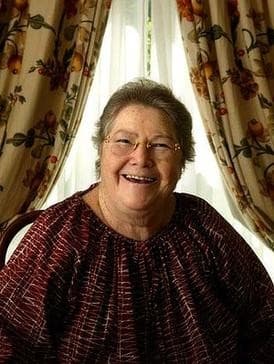
Colleen McCullough

Colleen Margaretta McCullough was an Australian author known for her novels, her most well-known being The Thorn Birds and The Ladies of Missalonghi.