
Biography coming soon.
Archivist's Choice
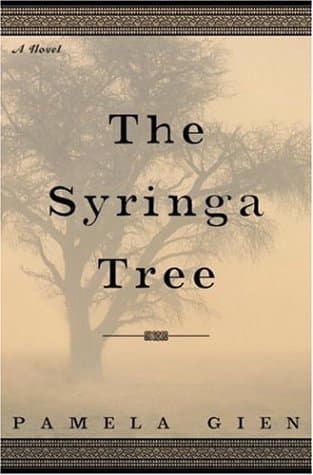
The Syringa Tree
Pamela Gien (2002)
Genre
Historical Fiction
Reading Time
12 Minutes
Key Themes
See below
Track Your Reading
Sign in to track this book
In apartheid South Africa, a young girl's bond with her nanny turns into a dangerous secret that challenges their divided world.
Synopsis
Set in apartheid South Africa, "The Syringa Tree" follows young Elizabeth Grace, a privileged white girl, and her deep, complicated bond with her Xhosa nanny, Salamina. As Lizzie grows up, she becomes increasingly aware of the brutal injustices and racial segregation that define her country. Her family, while seemingly upholding the status quo, harbors secrets, including the protection of Salamina's hidden newborn child, a dangerous act under the strict pass laws.
The novel explores Lizzie's coming-of-age amidst the rising tide of social and political unrest in the 1960s. As the nation's tensions escalate and eventually explode into violence, Lizzie's world is irrevocably altered, forcing her to confront the harsh realities of her homeland and the profound personal cost of a sundered nation.
Difficulty
Medium
Pacing
Moderate
Mood
Heartrending, poignant, hopeful, reflective, inspiring
Plot Summary
A Lucky Fish in Johannesburg
Elizabeth Grace, a six-year-old white girl in suburban Johannesburg, enjoys a happy childhood, calling herself a 'lucky fish.' She finds comfort in a syringa tree in her backyard and shares a close bond with her Xhosa nanny, Salamina. Lizzie's mother is sad, and her father, a doctor, struggles with apartheid's segregation in his work. The outside world has strict pass laws and curfews, creating tension and unfairness, which Lizzie starts to notice. Her home, however, holds its own secrets and unwritten rules, hinting at a hidden world beneath their privileged life.
Salamina's Secret
Lizzie's bond with Salamina grows stronger, and she soon learns a secret: Salamina has a newborn baby, Nono, hidden in their home. Because of the harsh pass laws and curfews, Nono's presence is illegal and very dangerous. Lizzie must protect this secret, understanding, even at her young age, the severe consequences if Nono's existence were known outside their walls. This hidden arrangement creates a strong, unspoken alliance between Lizzie and Salamina, binding them closer and showing Lizzie the harsh impact of apartheid on families.
The Growing Unrest
As Lizzie gets older, social and racial unrest in the 1960s increases. Apartheid's 'orderly state' begins to weaken as the desire for change and resistance grows. Midnight gatherings and secret dealings happen more often in Lizzie's home, showing her family's quiet involvement or support for the anti-apartheid movement. Lizzie's awareness of the injustice sharpens as she sees the daily indignities and fears faced by the black community, including Salamina and her family. The country's tension builds, hinting at a coming conflict between the oppressed and the ruling power.
Sophiatown and the Forced Removals
Lizzie understands apartheid's cruelty better when she sees the forced removal of residents from Sophiatown, a black township. The government's 'urban clear-out' policy leads to homes and communities being bulldozed, displacing thousands. This event is a clear and painful example of the regime's power and its disregard for human lives and culture. Lizzie sees the devastation and suffering inflicted on people like Salamina, reinforcing the urgency and danger of their shared secret and her growing disappointment with the 'lucky fish' life she once knew. This experience ends her innocence.
The Sharpeville Massacre
The Sharpeville Massacre is a turning point, destroying any remaining idea of peace or stability. Lizzie learns of the horrible event where police shot unarmed black protestors, killing and injuring many. This act of state violence shocks the nation and deeply affects Lizzie, who struggles with the brutality and injustice. The massacre fuels greater unrest and solidifies her understanding of the systemic oppression. It also increases the fear and secrecy in her home, as the risks for Salamina and Nono become even higher in the increasingly dangerous political climate.
Salamina's Disappearance
One day, Salamina is arrested, likely for breaking pass laws or being involved in resistance. Her sudden disappearance deeply hurts Lizzie, who is heartbroken and scared. Her beloved nanny's absence leaves a void in her life and highlights the constant threat black individuals lived under. Nono, Salamina's baby, is now even more vulnerable, and Lizzie feels a desperate need to protect her, increasing the burden of their shared secret. This event shows the personal cost of apartheid and the deep emotional ties that cross racial lines.
Life Without Salamina
After Salamina's arrest, Lizzie struggles greatly. Her world feels changed, and she misses her nanny terribly. The responsibility of keeping Nono's existence a secret becomes an even heavier burden, constantly reminding her of Salamina's trouble and the constant injustice. Lizzie observes her parents' quiet efforts to help Salamina, but the legal and political barriers are huge. Her childhood innocence continues to fade as she faces the harsh realities of separation and the helplessness of even well-meaning white families against the state's power. The syringa tree, once a comfort, now represents lost innocence.
A Glimmer of Hope and Reunion
After a time of agonizing uncertainty, Salamina is released from prison, to Lizzie's great relief and joy. Their reunion, though perhaps brief and still dangerous, offers a bit of hope and comfort. However, imprisonment has changed Salamina, and the reunion is marked by the trauma she endured. This period shows the strength of their bond and the human spirit in the face of oppression, but it also reminds them that their lives, and the lives of countless others, remain uncertain under apartheid.
The Family's Departure
As South Africa's political situation worsens, with more violence and instability, Lizzie's parents decide to leave the country. They can no longer raise their family in such an unstable and unfair environment. This decision means a painful separation for Lizzie from Salamina and Nono, a separation that feels like a betrayal of their bond and shared secret. Their departure means the end of Lizzie's childhood in South Africa and the permanent cutting of direct ties with the people she loves most, showing apartheid's destructive reach.
Life Abroad and Lingering Memories
Lizzie's family moves, and she starts a new life in a different country. While she adjusts to her new surroundings, memories of South Africa, especially her bond with Salamina and the injustices she saw, stay with her. The syringa tree, Nono, and the constant fear become symbols of a past that continues to shape her identity. She carries the weight of her experiences, understanding apartheid's impact on her and on the people she left behind. This period marks her transition from a child dealing with injustice to a young woman forever marked by her South African origins.
The Call to Return
Years pass, and Lizzie becomes an adult, but South Africa remains a part of her. She receives an urgent message or plea that calls her back home. The message's specifics are not immediately clear, but it is strong enough to draw her across continents, indicating that her childhood ties still hold great power. This return means facing her past and apartheid's lingering effects, promising a resolution or further understanding of the lives of those she left behind, especially Salamina and Nono.
Reunion and Reckoning
Upon her return, Lizzie finally reunites with Salamina. This reunion is emotional and complex, filled with the joy of seeing each other again but also the weight of their shared history and years of separation. Lizzie learns about Salamina's life and the fate of Nono and other family members under apartheid's continuing oppression. The reunion allows for a reckoning with the past, for Lizzie to understand the full impact of her family's departure and the ongoing struggles of those who remained. It is a moment of deep emotional release and shows their lasting love and connection.
Nono's Story
During her reunion with Salamina, Lizzie finally learns Nono's complete and often tragic life story. This revelation shows the full extent of the sacrifices and suffering endured by Salamina and her family due to apartheid. Nono's fate, shaped by a segregated society's harsh realities, highlights the deep and often devastating consequences of the regime on individual lives. This moment is a powerful and heartbreaking end to the secret Lizzie helped protect as a child, revealing the deep scars left by a system designed to oppress and divide.
Healing and Reconciliation
Through her reunion with Salamina and understanding Nono's story, Lizzie begins to heal and reconcile, both for herself and, symbolically, for her divided nation. She comes to terms with her past, her privilege, and the lasting love that crossed racial barriers. The novel ends with Lizzie finding a way to honor Salamina's legacy and Nono's memory, perhaps through advocacy or by simply telling their stories. This journey gives her a deeper, more nuanced understanding of her homeland's complex history and her place within it, offering a sense of peace and purpose.
Principal Figures
Elizabeth Grace (Lizzie)
The Protagonist
Lizzie transforms from an innocent, privileged child to a young woman deeply scarred yet profoundly shaped by the injustices of apartheid, eventually seeking reconciliation with her past.
Salamina
The Supporting
Salamina endures immense personal sacrifice and suffering under apartheid, demonstrating unwavering strength and love, and ultimately becomes a symbol of the enduring human spirit.
Nono
The Supporting
Nono's life, from hidden infant to her ultimate tragic fate, embodies the devastating and far-reaching consequences of apartheid on innocent lives.
Lizzie's Mother
The Supporting
She remains largely static in her melancholic state but demonstrates a quiet, if limited, moral conscience regarding the injustices around her.
Lizzie's Father
The Supporting
He maintains his professional integrity and moral compass amidst the challenges of apartheid, eventually choosing to leave the country for his family's well-being.
The Narrator (Adult Lizzie)
The Protagonist
The narrator's arc is one of processing and understanding her past, ultimately seeking healing and reconciliation with the traumatic history of her childhood and homeland.
Themes & Insights
Innocence Lost
The novel shows Lizzie's childhood innocence slowly fading as she sees apartheid's brutal realities. What starts as a happy life for a 'lucky fish' is progressively broken by the discovery of Salamina's secret baby, the forced removals from Sophiatown, and the violence of Sharpeville. Lizzie's growing awareness of injustice, fear, and human suffering forces her to face the harsh truths of her society, permanently changing how she sees the world and herself.
“Even at the age of six, lively, inquisitive Elizabeth Grace senses she’s a child of privilege, 'a lucky fish.'”
The Power of Love and Connection Across Divides
At the novel's core is the deep love between Lizzie and her Xhosa nanny, Salamina. This strong devotion crosses the racial and social barriers apartheid created, showing how humans can connect despite systemic oppression. Their bond, made complex by societal rules and personal sacrifices, is a symbol of hope and shows that love can grow even in the most hostile environments, offering comfort and strength to both characters.
“Deeper and more elemental than any traditional friendship, their fierce devotion to each other is charged and complicated by Lizzie’s mother...”
The Trauma and Legacy of Apartheid
The novel clearly explores apartheid's widespread trauma and lasting impact, not only for those directly oppressed but also for those who witnessed or were involved in the system. From forced removals and massacres to daily indignities and the need to hide a child, the story shows how apartheid broke families, instilled fear, and left deep emotional scars. Lizzie's adult journey back to South Africa shows that apartheid's wounds continue to affect individuals and the nation long after its official end.
“Pass laws requiring blacks to carry permission papers for white areas and stringent curfews have briefly created an orderly state–but an anxious one.”
Secrets and Silence
Secrets and silence are repeated ideas throughout the novel, reflecting apartheid's oppressive atmosphere. Salamina's hidden baby, Nono, is the main secret, requiring Lizzie's involvement and silence, and showing the dangers of revealing truth in a repressive state. The 'hushed midnight gatherings' and 'clandestine transactions' in Lizzie's home further emphasize a culture of unspoken disagreement. This theme shows how silence was both a tool of oppression and a necessary way to survive, creating an anxious and emotionally tense environment.
“...the girl’s special task of protecting Salamina’s newborn child–a secret that, because of the new rules, must never be mentioned outside the walls of the house.”
Plot Devices & Literary Techniques
First-Person Retrospection
Lizzie recounts her childhood from an adult perspective.
The novel is narrated by an adult Lizzie looking back on her childhood experiences in apartheid South Africa. This allows for a dual perspective: the immediate, often naive understanding of the child and the reflective, more profound insights of the adult. This device imbues the narrative with a sense of poignant nostalgia, emotional depth, and a clearer understanding of the historical context and long-term impact of events, enhancing the tragic and redemptive qualities of the story.
The Syringa Tree
A symbolic setting for childhood innocence and hidden truths.
The syringa tree in Lizzie's backyard serves as a powerful symbol. Initially, it represents a place of refuge, comfort, and childhood innocence for Lizzie, a 'sheltering arms.' As the story progresses and the harsh realities of apartheid unfold, the tree subtly transforms. It becomes a silent witness to the family's secrets and the growing unrest, eventually symbolizing the lost innocence and the enduring, yet hidden, beauty and resilience of South Africa itself, even amidst turmoil.
The Secret Child (Nono)
A central plot point highlighting apartheid's human cost.
Salamina's hidden baby, Nono, functions as a critical plot device. Her existence is illegal and dangerous, driving much of the suspense and emotional tension in the first half of the novel. Nono's secret forces Lizzie into a complicit role, deepening her understanding of apartheid's cruelty and fostering an unbreakable bond with Salamina. Nono's ultimate fate also serves as a potent symbol of the devastating human cost of the regime, illustrating how systemic injustice directly impacts the most vulnerable lives.
Critical analysis
Notable Quotes
Quiz
Test Your Knowledge
Ready to see how well you understood this book? Take our interactive quiz with 10 questions.
10
Questions
~5
Minutes
?
Best Score
Key Questions (FAQ)
'The Syringa Tree' is a historical fiction novel set in South Africa during apartheid. It tells the story of a young white girl, Elizabeth Grace, and her deep connection with her black nanny, Salamina, exploring themes of racism, love, family, and the social injustices of the time.







