“The greatest gift we can give each other is the gift of ourselves.”
— Joshua's philosophy on love and connection.

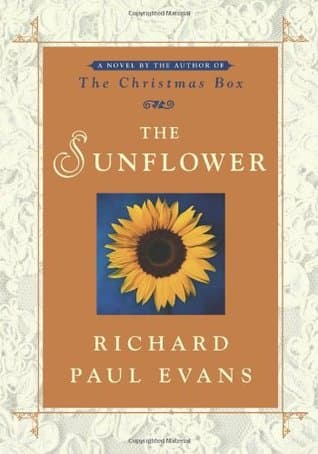
Richard Paul Evans (2005)
Genre
Historical Fiction / Romance
Reading Time
6-7 hours
Key Themes
See below
Sign in to track this book
In the Amazon, a heartbroken woman and a grieving doctor, both recovering from shattered lives, find healing and love on a humanitarian mission in Peru.
Dr. Paul Cook, a brilliant emergency room physician, lives a seemingly perfect life in Seattle. He is engaged to Dr. Rachel Hammet, and his career thrives. On a snowy Christmas Eve, Paul's car spins out of control due to black ice, colliding with another vehicle. He sustains a severe leg injury, and Rachel, a passenger, suffers a traumatic brain injury that leaves her in a persistent vegetative state. This single event destroys Paul's future, plunging him into guilt and despair, ending his medical career and his relationship with Rachel as he knew it.
Christine Pearsall, a shy librarian in Boston, experiences her own crisis. A week before her wedding to Peter, he abruptly calls off the engagement, confessing he does not love her. This revelation shatters Christine's world and self-worth. Having always lived a quiet, predictable life, this rejection leaves her lost, unloved, and without direction. She struggles to recover, her confidence deeply wounded, and her future suddenly uncertain and empty.
Months after their tragedies, Paul and Christine are drawn to a humanitarian mission in Peru. Paul, haunted by his past and unable to practice medicine, seeks atonement and purpose. Christine, desperate for a change and escape from heartbreak, volunteers as a librarian for a struggling orphanage in the Amazon jungle. They arrive in the remote village of Agua Viva, far from their previous lives, hoping to find healing and a new beginning amid the poverty and challenges of the developing world.
Upon arriving in Agua Viva, Paul and Christine are part of the same volunteer group but initially keep to themselves. Paul is gruff, withdrawn, and carries a heavy burden of guilt, making him unapproachable. Christine, still recovering from her broken engagement, is equally reserved and struggles with her shyness in the new, demanding environment. Their first interactions are strained, marked by Paul's cynicism and Christine's quiet discomfort. Both are deeply wounded, and their shared pain acts as a barrier, as they navigate the harsh realities of their new surroundings and the needs of the local community.
Despite his decision to never practice medicine again, Paul finds his skills desperately needed in Agua Viva. The village lacks proper medical care, and the local people face many health challenges. When a child falls gravely ill or an accident occurs, Paul's expertise is the only hope. He reluctantly steps in, driven by his innate desire to help, even as the act reopens old wounds and forces him to confront the trauma of Rachel's accident. These moments of reluctant heroism begin to chip away at his hardened exterior, revealing the compassionate doctor he once was.
Working at the orphanage, Christine slowly sheds her timidity. She develops a deep connection with the children, especially a young girl named Elena, who is severely malnourished and withdrawn. Christine's gentle nature and dedication help her build trust with the children, and she finds a deep sense of purpose in her work. She teaches them English, reads to them, and creates a small library, bringing joy and education to their lives. This experience allows Christine to discover an inner strength she never knew she possessed, boosting her confidence and helping her heal from her past heartbreak.
As Paul helps the villagers and Christine thrives at the orphanage, they interact more frequently. They witness each other's quiet acts of compassion and resilience. Paul sees Christine's dedication to the children, and Christine observes Paul's reluctant but effective medical interventions. Mutual respect slowly develops into a cautious friendship. They start sharing meals, talking about their pasts, and finding solace in their shared understanding of loss and the challenges of their new environment. Their individual healing journeys begin to intertwine, creating a fragile but meaningful connection.
A severe health crisis strikes the village—an outbreak of a dangerous fever or a critical injury needing immediate, specialized attention. Paul and Christine must work together under extreme pressure, venturing deeper into the jungle or making difficult medical decisions with limited resources. Paul's medical expertise is vital, but Christine's calm demeanor, resourcefulness, and ability to connect with the local people prove equally important. This shared ordeal strengthens their bond, forcing them to rely on each other and confront their fears, pushing them beyond their comfort zones and deepening their emotional connection.
During a vulnerable moment, Paul finally confides in Christine about Rachel's accident. He shares his overwhelming guilt, his belief that he is responsible for her condition, and the emotional paralysis that has gripped him. Christine listens with empathy, offering comfort and understanding without judgment. This confession is a turning point for Paul, allowing him to articulate his deepest pain and begin to release some of the burden he has carried. It also deepens Christine's understanding of him and strengthens their trust.
Christine shares with Paul her fascination with sunflowers, explaining their symbolism of always turning towards the light, seeking warmth and growth even in difficult circumstances. This metaphor resonates deeply with Paul, who has been living in darkness. The sunflower becomes a powerful symbol of hope, resilience, and the possibility of finding light after despair. It signifies their individual journeys towards healing and the potential for a new beginning, encouraging them to look forward rather than dwell on the past. This shared understanding of the sunflower's meaning further strengthens their emotional connection and shared outlook.
Having confronted their past traumas and found healing and purpose in Agua Viva, Paul and Christine realize they have fallen deeply in love. Their shared experiences, vulnerabilities, and mutual support have forged a bond stronger than either anticipated. They acknowledge their feelings for each other and decide to embrace the possibility of a shared future. They discuss their commitment to continuing their work in Peru, recognizing the profound impact they can have on the community and the personal fulfillment it brings. Their decision marks their resilience and the transformative power of love and service.
Paul knows he cannot fully move forward with Christine until he resolves his situation with Rachel. He returns to Seattle to visit Rachel, who remains in a vegetative state. He speaks to her, expressing his love, his guilt, and his need to find peace and move on. He makes arrangements for her continued care and, in an act of self-forgiveness, releases himself from the crushing burden of responsibility. This final act of closure allows him to fully embrace his new life and love with Christine, knowing he has honored his past while choosing a hopeful future.
The Protagonist
From a guilt-ridden, broken man, Paul slowly reclaims his purpose, confronts his past, and opens his heart to love again.
The Protagonist
Christine transforms from a timid, heartbroken woman into a confident, purposeful individual who embraces love and adventure.
The Mentioned/Catalyst
Her tragic state remains unchanged, but her impact on Paul's emotional arc is immense, catalyzing his journey of healing.
The Supporting
From a withdrawn and sickly child, Elena blossoms under Christine's care, symbolizing hope and the power of connection.
The Supporting
Remains a steadfast and compassionate leader, providing a stable presence for the volunteers.
The Mentioned
His actions catalyze Christine's journey, though he does not experience an arc within the story.
Paul and Christine arrive in Peru deeply wounded by personal tragedies—Paul by the accident that incapacitated Rachel, and Christine by her broken engagement. The narrative explores their individual and shared journeys of processing grief, guilt, and heartbreak. The demanding environment of Agua Viva, along with their humanitarian work, forces them to confront their pain and find new purpose. Paul's reluctant return to medicine (e.g., treating sick villagers) and Christine's dedication to the orphans (e.g., her bond with Elena) are central to their healing, showing that helping others can be a powerful balm for personal suffering.
“Sometimes the greatest healing comes not from forgetting the past, but from finding a new reason to live in the present.”
Paul's journey focuses on seeking redemption for his perceived role in Rachel's accident. He carries immense guilt, believing he is responsible for her vegetative state. His reluctance to practice medicine again stems from this self-blame. Through his acts of service in Agua Viva, and especially through Christine's support, Paul slowly learns to forgive himself. This theme culminates in his return to Seattle to make peace with Rachel, signifying his self-forgiveness and his ability to move forward without the burden of guilt.
“True forgiveness is not forgetting what you did, but letting go of the right to punish yourself for it.”
Both protagonists are adrift before their mission to Peru. Paul has lost his career and identity, while Christine has lost her future and self-worth. In the impoverished village of Agua Viva, they find purpose in helping others. Paul's medical skills become invaluable to the community, and Christine's gentle nature transforms the lives of the orphaned children. Their selfless acts of service not only benefit the villagers but also give them a renewed sense of meaning and direction, proving that contributing to something larger than oneself can be deeply fulfilling. The work itself becomes a form of therapy.
“When you lose your way, sometimes the best path forward is to light the way for someone else.”
The novel explores how human connection and love can facilitate healing and growth. Initially isolated by their individual pains, Paul and Christine slowly build a bond based on shared experiences, mutual respect, and empathy. Their relationship develops organically as they witness each other's vulnerabilities and strengths in the challenging environment. This connection helps them confront their pasts and envision a future. The love they find in each other, born out of shared suffering and renewed hope, shows the resilience of the human heart and its capacity to heal and rebuild.
“Love isn't finding a perfect person. It's seeing an imperfect person perfectly.”
The journey to Peru transforms both Paul and Christine. Christine, initially shy, blossoms into a confident and purposeful woman who finds her voice and strength. Paul, hardened by guilt, slowly reclaims his compassion and ability to connect. The jungle's challenges and the community's needs force them to adapt, overcome fears, and discover inner resilience. The sunflower itself symbolizes this theme, representing the ability to turn towards the light and find growth even after periods of darkness and adversity.
“Like a sunflower, we must always turn towards the light, even when the shadows are long.”
A catalyst for personal growth and a backdrop for romance.
The mission to Agua Viva, Peru, serves as a crucial plot device by removing Paul and Christine from their familiar, comfortable, and painful environments. It thrusts them into a challenging, unfamiliar setting where they are forced to confront hardship and rely on each other. The poverty and medical needs of the villagers provide a context for Paul to reluctantly re-engage with his medical skills and for Christine to find purpose and confidence, thus facilitating their individual healing and the development of their relationship. It acts as a crucible for their transformation.
A recurring symbol of hope, resilience, and turning towards the light.
The sunflower is a central symbolic motif throughout the novel. Christine's fascination with sunflowers and her explanation of their ability to always turn towards the sun, even in adversity, provides a powerful metaphor for Paul's and her own journey. It represents hope, resilience, growth after darkness, and the pursuit of light and happiness despite past traumas. The image of the sunflower reinforces the themes of healing, transformation, and finding a new direction, serving as a constant reminder of the possibility of a brighter future.
The primary internal conflict for Paul, driving his actions and emotional arc.
Paul's profound guilt over Rachel's accident is the central internal conflict that defines his character and drives much of the plot. It paralyzes him, prevents him from practicing medicine, and initially makes him emotionally unavailable. This guilt creates a significant barrier to his healing and his ability to form new connections. The resolution of this guilt – through his confession to Christine, his acts of service, and his final visit to Rachel – is essential for his personal growth and for him to fully embrace love and a new future.
The catalyst for Christine's journey of self-discovery.
Christine's fiancé abruptly ending their engagement just before the wedding serves as the inciting incident for her personal journey. This heartbreak shatters her quiet, predictable life and her sense of self-worth, forcing her out of her comfort zone. It motivates her to volunteer in Peru, where she ultimately discovers her inner strength, purpose, and capacity for love. Without this initial trauma, Christine would likely not have embarked on the transformative path that leads her to Paul and a new life.
“The greatest gift we can give each other is the gift of ourselves.”
— Joshua's philosophy on love and connection.
“Sometimes the greatest journeys are not across oceans, but across the human heart.”
— Reflecting on the emotional depth of the relationship.
“It's not the length of time we have, but what we do with that time that matters.”
— A poignant realization about cherishing moments.
“Love isn't finding a perfect person. It's seeing an imperfect person perfectly.”
— Joshua's evolving understanding of true love.
“Hope is a fragile thing, easily broken, but also incredibly resilient.”
— Describing the enduring nature of hope amidst adversity.
“The past is like a rudder. It guides us, but it doesn't define where we're going.”
— Joshua grappling with past regrets and future possibilities.
“Sometimes the most important things in life are the ones we don't plan for.”
— Reflecting on unexpected turns and discoveries.
“A broken heart is just a heart that's been opened.”
— A comforting perspective on emotional pain and growth.
“True courage is not the absence of fear, but the triumph over it.”
— Joshua facing personal fears and challenges.
“The greatest stories are not written, but lived.”
— Emphasizing the importance of experience and genuine connection.
“Sometimes you have to lose yourself to find yourself.”
— Joshua's journey of self-discovery.
“The world is full of magic, you just have to know where to look.”
— A sense of wonder and appreciation for beauty.
“Forgiveness is a gift you give yourself.”
— Joshua contemplating self-forgiveness and moving forward.
“Every sunrise is an invitation to start again.”
— A hopeful outlook on new beginnings.
Ready to see how well you understood this book? Take our interactive quiz with 10 questions.

Biography coming soon.