“He liked to sit just quietly and smell the flowers.”
— Ferdinand's peaceful nature as a young bull.

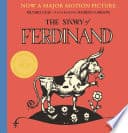
Munro Leaf (2017)
Genre
Children's / Young Adult
Reading Time
10 min
Key Themes
See below
Sign in to track this book
A peace-loving bull named Ferdinand, who prefers the scent of flowers to the fight, faces his greatest challenge when he's chosen for the bullfighting arena in Madrid.
In Spain, a young bull named Ferdinand lives on a pasture with other calves. While the other young bulls run, jump, and butt heads in playful fights, Ferdinand is different. He likes to sit quietly under his favorite cork tree, just smelling the flowers in the field. His mother, a loving cow, first worries that Ferdinand is lonely or sad because he does not play like the others. But after seeing him content and understanding his gentle nature, she lets him be himself. He continues his peaceful life.
As Ferdinand grows, he becomes a very large and strong bull. Despite his size, his gentle nature does not change. He still finds the most happiness sitting under his cork tree, quietly smelling the flowers. The other bulls, who have also grown, continue their rough play, always hoping to be chosen for the bullfights in Madrid. They practice charging and snorting, wanting a chance to show their strength in the arena. This is very different from Ferdinand's quiet preferences.
One day, five men wearing funny hats arrive at the pasture. These men are scouts from Madrid, sent to pick the biggest, strongest bull for the bullfights. All the other bulls are excited, puffing themselves up, snorting, and pawing the ground. They try to look as dangerous and powerful as possible to impress the selectors. Each bull dreams of the bullring, thinking it is their main purpose.
Ferdinand, as usual, is not interested in impressing anyone. He goes to his cork tree to enjoy the flowers. However, a small bumblebee stings Ferdinand. The sudden pain causes Ferdinand to jump up, snort, and stomp his feet. The five men, seeing this display of what they think is fierceness, are immediately impressed. They mistakenly believe Ferdinand is the fiercest bull they have ever seen and quickly choose him for the bullfights in Madrid. Ferdinand is surprised.
Ferdinand is then taken from his pasture. He is put on a cart and driven to Madrid. The trip is new for him, and he looks at the passing scenery. When he arrives in the city, he sees many new sights and sounds. The city is busy, very different from the quiet, flower-filled fields he knows. He is led through the streets toward the bullring.
The day of the bullfight comes, and the stadium is full of people. Ferdinand is led into the arena, where a loud crowd greets him. Inside, he sees the Banderilleros with their sharp sticks, the Picadores on horses with lances, and the Matador, who holds his red cape. All these figures are ready for the bullfight, expecting Ferdinand to be a strong and aggressive opponent, ready to charge and fight like other bulls.
As Ferdinand stands in the center of the bullring, he looks at the scene. He sees the beautiful flowers the ladies in the audience have put in their hair, and a comforting thought comes to him. Instead of charging or fighting, Ferdinand simply sits down in the middle of the arena. He finds a quiet spot and begins to smell the flowers in the ladies' hair, ignoring the Matador, the Banderilleros, the Picadores, and the crowd.
The bullfighters are confused and frustrated by Ferdinand's actions. The Matador, who is supposed to be brave, looks silly standing there with his cape, waiting for a charge that never comes. The Banderilleros and Picadores are also at a loss. Ferdinand shows no interest in their attempts to provoke him. No matter what they do, Ferdinand stays calmly seated, enjoying the scents around him. The crowd, at first excited, becomes confused and then disappointed by the lack of action, as Ferdinand will not perform.
After much discussion and failed attempts to make him fight, the bullfighters realize that Ferdinand will not fight. He is not a fierce bull; he is a gentle bull who loves flowers. With no other choice, they decide to send Ferdinand back home. He is again put on a cart, but this time, he is going home, away from the loud crowds and the expectations of the bullring. The trip back is peaceful, a welcome return to his home.
Ferdinand arrives back at his pasture. He immediately goes to his cork tree. There, under its shade, he sits down, content. He spends the rest of his days as he always wished: smelling the flowers, not bothered by what others expect. He is a happy bull, living life on his own terms, showing that it is fine to be different and to follow your true nature, even if it goes against what society considers normal.
The Protagonist
Ferdinand remains true to his gentle nature from calfhood through adulthood, ultimately affirming his identity despite external pressures.
The Supporting
She moves from initial concern about Ferdinand's difference to full acceptance and understanding of his unique nature.
The Supporting
They remain consistently aggressive and ambitious, embodying the traditional role of a bull.
The Supporting
They arrive seeking fierceness, mistakenly identify it in Ferdinand, and ultimately must accept his true gentle nature.
The Antagonist/Supporting
He expects a fierce opponent but is left bewildered and frustrated by Ferdinand's peaceful defiance.
The Supporting
They attempt to provoke Ferdinand but are rendered ineffective by his refusal to fight.
The Supporting
They attempt to provoke Ferdinand but are rendered ineffective by his refusal to fight.
The Mentioned
The bee's action sets the plot in motion, leading Ferdinand to Madrid.
The main theme is about being true to yourself, even if you are different. Ferdinand always chooses to smell flowers over fighting, going against what bulls are expected to do. His mother's acceptance of his unique nature early on supports this theme. In the bullring, his refusal to fight, despite pressure from the crowd and bullfighters, shows his individuality and self-acceptance, which leads to his peaceful return home.
“All the other little bulls he lived with would run and jump and butt their heads together, but Ferdinand didn't. He liked to sit just quietly and smell the flowers.”
The story promotes peace and non-violence. Ferdinand's choice to smell flowers instead of fighting goes directly against the violence of bullfighting. His gentle spirit wins over the expectation of fierceness. His peaceful protest in the arena, by simply sitting down, stops the entire violent event. This sends a clear message that choosing peace is a strong act, even when facing aggression and social pressure.
“He didn't want to fight and kick and butt. He just wanted to sit quietly and smell the flowers.”
The plot relies on a big mistake made because of how things look. The bullfight selectors choose Ferdinand because they wrongly think his reaction to a bee sting means he is fierce. They judge him by his large size and what they see as a quick outburst, rather than his true, gentle character. This mistake shows how quick observations can lead to wrong ideas and how appearances can trick people. This creates a central problem based on not understanding Ferdinand.
“They thought he was the fiercest bull of all and they took him to the bull fights in Madrid.”
The story quietly questions the point of strict social expectations. The bullfighting event, with its rituals and aggressive goal, becomes meaningless when Ferdinand does not follow along. The Matador and his team, in their fancy clothes, look silly when a bull just wants to smell flowers. This shows how sticking to tradition, when separate from individual reality, can become ridiculous. An individual's refusal to conform can show how silly those expectations are.
“The Matador was furious. It made him madder than anything he had ever seen. He just couldn't get Ferdinand to fight.”
The other aggressive bulls serve to highlight Ferdinand's gentle nature.
The 'Other Bulls' in the pasture act as a direct foil to Ferdinand. From their calfhood, they embody the traditional, aggressive, and competitive nature expected of bulls, constantly running, jumping, and butting heads. This behavior serves to emphasize Ferdinand's unique and unwavering preference for peace and smelling flowers. By showcasing the stark contrast between Ferdinand and his peers, the narrative effectively underscores his individuality and the central theme of being true to oneself, making his choices stand out even more prominently.
The audience knows Ferdinand's true nature, but the selectors don't.
Dramatic irony is employed when the bullfight selectors choose Ferdinand. The reader is fully aware of Ferdinand's gentle disposition and his love for flowers, having seen him grow up. However, the selectors, observing his pained reaction to a bee sting, mistakenly believe he is the fiercest bull. This creates a sense of anticipation and humor, as the audience knows a peaceful resolution is inevitable, while the characters involved are completely misinformed, setting up the comedic climax in the bullring.
A symbol of peace, refuge, and Ferdinand's true self.
Ferdinand's 'favorite cork tree' serves as a powerful symbol throughout the story. It represents a place of peace, solace, and authenticity for Ferdinand. It is where he finds contentment, away from the aggressive antics of the other bulls. His consistent return to the tree, both as a calf and an adult, and his ultimate return there at the story's end, reinforces it as a sanctuary and an emblem of his true, gentle nature. It symbolizes the inner peace he cherishes and his chosen way of life.
Bulls and their mother exhibit human-like thoughts and emotions.
Personification is used to give the animal characters human-like qualities and emotions, making them relatable. Ferdinand's desire to smell flowers, his mother's worry and subsequent understanding, and the other bulls' ambition and desire for glory are all human traits attributed to the animals. This device allows the story to convey complex themes of individuality, acceptance, and peace in a simple, accessible way, enabling young readers to connect with the characters and their experiences on an emotional level.
“He liked to sit just quietly and smell the flowers.”
— Ferdinand's peaceful nature as a young bull.
“All the other little bulls he lived with would run and jump and butt their heads together, but not Ferdinand.”
— Contrasting Ferdinand with the other bulls.
“He had a favorite spot out in the pasture under a cork tree.”
— Describing Ferdinand's preferred resting place.
“His mother saw that he was not lonesome, and because she was an understanding mother, even though she was a cow, she let him just sit there and be happy.”
— Ferdinand's mother accepting his unique personality.
“And for all I know he is sitting there still, under his favorite cork tree, smelling the flowers just quietly.”
— The book's closing line, implying Ferdinand's enduring happiness.
“He was a big, strong, young bull now, and all the other bulls who had grown up with him in the same pasture would fight each other all day.”
— Describing Ferdinand as an adult, still different from others.
“They would butt each other and stick each other with their horns, but not Ferdinand.”
— Emphasizing Ferdinand's refusal to engage in aggression.
“He sat down quietly and would not fight.”
— Ferdinand's reaction when taken to the bullfight.
“The Banderilleros were mad and the Picadores were madder and the Matador was so mad he cried because he couldn't show off with his cape and sword.”
— The bullfight organizers' frustration with Ferdinand's non-participation.
“So they had to take Ferdinand home.”
— The result of Ferdinand's refusal to fight.
“And his mother, who was an understanding mother, even though she was a cow, was glad to see him.”
— Ferdinand's mother welcoming him back.
“He was very happy.”
— A simple statement about Ferdinand's state after returning home.
“He just sat there, smelling the flowers.”
— Reiterating Ferdinand's peaceful activity.
“The men who picked the bulls for the bullfights came to the pasture to look for the biggest, fastest, roughest bull to fight in the bullfights in Madrid.”
— The selection process that mistakenly includes Ferdinand.
Ready to see how well you understood this book? Take our interactive quiz with 10 questions.
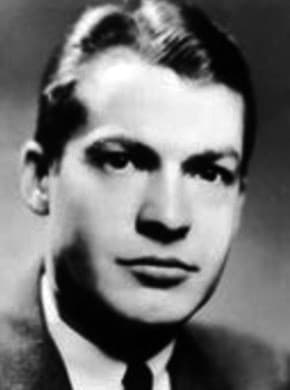
Wilbur Monroe Leaf was an American writer of children's literature who wrote and illustrated nearly 40 books during his 40-year career. He is best known for The Story of Ferdinand (1936), a children's classic which he wrote on a yellow legal-length pad in less than an hour. Labeled as subversive, it stirred an international controversy.
Dan Gemeinhart
4.5
Kate O'Hearn
4.4
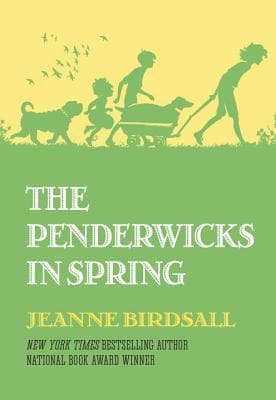
Jeanne Birdsall
4.4

Jen Wang
4.4
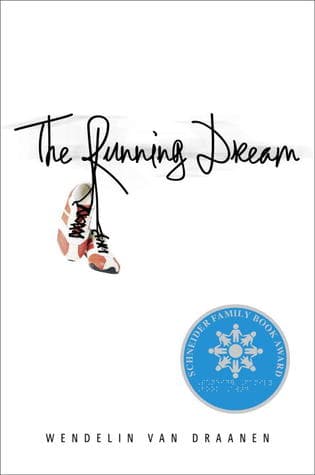
Wendelin Van Draanen
4.3

John Marsden
4.3

Chris Van Allsburg
4.3
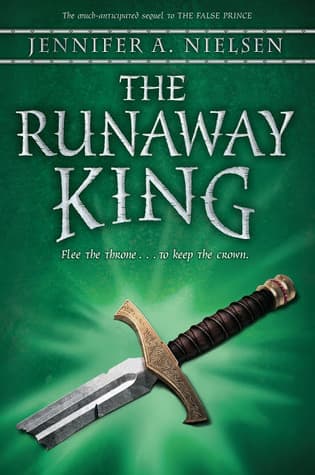
Jennifer A. Nielsen
4.2