“The wind was a mischievous child, tugging at skirts and whispering secrets in the eaves.”
— Early description of Vienna's atmosphere.

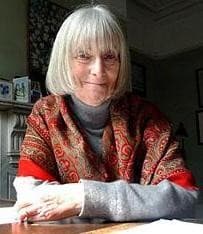
Eva Ibbotson (2004)
Genre
Fantasy / Children's / Historical Fiction / Mystery / Young Adult
Reading Time
560 min
Key Themes
See below
Sign in to track this book
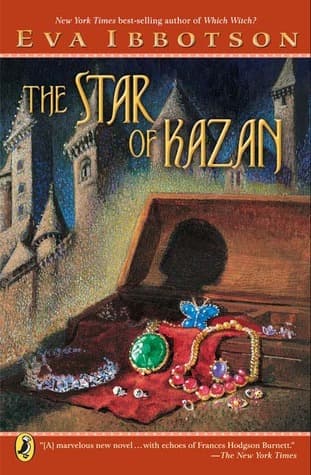
An orphaned girl in 19th-century Vienna, raised by eccentric professors, embarks on a journey to a crumbling Austrian castle with a mysterious woman claiming to be her long-lost mother, only to uncover a web of secrets, stolen jewels, and a hidden identity tied to a legendary Russian emerald.
Annika lives happily in Vienna with the kind housemaid, Ellie, and the cook, Sigrid. They found her as a baby on the steps of St. Stephen's Cathedral. They work for three absent-minded but benevolent professors: Professor Emil, Professor Alfred, and Professor Leo. Annika's 'Found Day' is a special celebration with gifts and stories. She is a bright, imaginative child, often helping the professors with their scientific and artistic projects. She also loves the stories from her elderly neighbor, Mrs. Euginie, a former opera singer. Mrs. Euginie tells tales of her glamorous past and a magnificent emerald called the Star of Kazan, given to her by a Russian count.
One day, a beautiful and elegant woman named Countess Zosha arrives at the professors' house. She says she is Annika's mother, explaining she had to abandon her due to difficult circumstances and an accident. Annika, despite her initial joy and wish for a mother, feels a strange unease about the countess. Zosha shows a locket with a miniature portrait that she says matches one Annika was found with. She also recounts details of Annika's birth that seem to confirm her identity. The professors, Ellie, and Sigrid are hesitant but eventually believe Zosha's story and her evidence.
Countess Zosha takes Annika to her ancestral home, a vast, crumbling castle in the remote Austrian countryside, Schloss Drachenburg. The castle is dilapidated and eerie, far from the grand life Annika imagined. There, she meets the countess's peculiar and often cruel household: Herr Doktor, a sinister and seemingly controlling figure, and the two servants, the scullery maid Elsbeth and the stable boy, Zed. Annika quickly realizes that her new 'mother' is not the loving figure she had hoped for. The castle holds many secrets and a strong sense of foreboding.
Life at Schloss Drachenburg is harsh for Annika. She is neglected, dressed in rags, and treated more like a servant than a daughter. Countess Zosha is often cold and dismissive, and Herr Doktor's presence is unsettling. Annika finds comfort exploring the forgotten parts of the castle and befriending Zed. He reveals bits of information about the castle's history and its inhabitants' strange behavior. She also discovers a hidden room and begins to piece together clues, realizing that Zosha's story does not quite add up and that she might not be who she claims to be.
Annika overhears conversations and finds documents that reveal why she was brought to Schloss Drachenburg: the legendary Star of Kazan emerald. It becomes clear that Countess Zosha, or rather, the woman impersonating her, believes Annika is the key to finding the jewel. It is supposedly hidden somewhere in the castle or connected to Annika's true identity. Annika learns that the real Countess Zosha, a renowned dancer, was a friend of Mrs. Euginie. The emerald was given to Zosha, not Euginie, by a Russian count.
Realizing she is a prisoner and a pawn in a dangerous game, Annika, with Zed's help, plans an escape. They manage to flee the castle, hoping to reach Vienna and inform the professors, Ellie, and Sigrid of the deception. During their journey, they meet a kind traveling circus troupe, who offer them temporary refuge and assistance. Annika continues to gather clues. She realizes that the woman at the castle is an imposter and that her true mother is still out there, possibly in danger. The Star of Kazan is central to the plot.
With the help of the circus troupe and eventually a young, kind student named Stefan, Annika and Zed manage to contact the professors. They return to Schloss Drachenburg with new information. It is revealed that the woman posing as Countess Zosha is actually a cunning and ruthless actress named Frau Doktor (Herr Doktor's sister). She, along with Herr Doktor, is trying to steal the Star of Kazan. They believed Annika was the key to finding it, either through a hidden map or because she was the real Countess Zosha's daughter.
The true Countess Zosha is discovered, having been imprisoned and hidden by Frau Doktor and Herr Doktor. She is frail but alive. The Star of Kazan is eventually located, not in a grand vault, but cleverly hidden within a seemingly ordinary object or a secret compartment in the castle, a detail known only to the real countess. Retrieving the emerald is tense as Frau Doktor and Herr Doktor make one last attempt to seize it.
The villains, Frau Doktor and Herr Doktor, are apprehended. This happens thanks to Annika, Zed, the professors, and the local authorities, who are finally alerted to the situation. Annika is joyfully reunited with her true mother, the real Countess Zosha. While the reunion is emotional, Annika also realizes the deep love and family she already has with Ellie, Sigrid, and the professors. The Star of Kazan is safe, and its true owner is restored.
Annika, now knowing her true heritage and having reconnected with her biological mother, chooses to maintain close ties with both her birth family and the loving household of the professors, Ellie, and Sigrid. The Star of Kazan, a symbol of her journey and heritage, remains part of her story. Her adventures have solidified her sense of identity and belonging, proving that family is found not just in blood, but in love, loyalty, and shared experiences. Zed finds a new, happier life away from the castle's shadows.
The Protagonist
Annika transforms from an innocent orphan with a romanticized view of her past to a self-assured young woman who uncovers a dark conspiracy and finds her true heritage, while appreciating the love of her adoptive family.
The Supporting
Ellie initially struggles with the idea of Annika's birth mother reappearing but ultimately supports Annika in uncovering the truth and ensuring her safety and happiness.
The Supporting
Sigrid's initial skepticism about Countess Zosha is proven correct, and she helps in the efforts to rescue Annika and expose the imposter.
The Supporting
Initially somewhat oblivious, the professors become actively involved in the mystery, using their intellect and resources to help Annika uncover the truth and bring justice.
The Antagonist
The imposter's plan unravels as Annika uncovers her deception, leading to her eventual exposure and downfall.
The Antagonist
Herr Doktor's elaborate scheme to steal the emerald is ultimately thwarted by Annika and her allies, leading to his arrest.
The Supporting
Zed evolves from a resigned servant to an active participant in thwarting the villains, ultimately finding freedom and a new life.
The Supporting
Mrs. Euginie's role is primarily to provide backstory and clues, unknowingly setting Annika on the path to discovering the truth about her origins and the emerald.
The Supporting
The real Countess Zosha is rescued from her imprisonment and reunited with her daughter, regaining her freedom and her rightful place.
The novel explores what makes a true family, contrasting biological ties with bonds of love, care, and shared experience. Annika, an orphan, longs for her birth mother but finds deep, unconditional love with her adoptive family (Ellie, Sigrid, and the professors). When her 'mother' appears, Annika's initial joy gives way to the realization that love is defined by actions, not just blood. Ultimately, she embraces both her birth family and the family who raised her. She understands that belonging is a matter of the heart. This is clear when she returns to the professors' home even after finding her biological mother.
““Family was not just a matter of blood. It was a matter of love and loyalty, of shared laughter and tears, and of knowing someone would always be there for you.””
A central theme is how appearances can deceive. The glamorous Countess Zosha, who claims to be Annika's mother, is a cruel imposter. The grand Schloss Drachenburg is a crumbling, sinister place. Annika's initial wish for a 'real' mother is based on an idealized image, which is shattered by the harsh reality of her life at the castle. The novel constantly reminds the reader not to judge by outward show, but to look deeper for truth and character. The imposter's theatrical skills directly show this theme.
““The countess was beautiful, but her beauty was like a mask, hiding something cold and hard beneath.””
Annika's imagination and love for stories, especially Mrs. Euginie's tales of the Star of Kazan, help her navigate the mystery. Her imagination helps her endure her harsh life at the castle and piece together clues. The stories also link to her past and inspire her. The professors' academic pursuits, though sometimes impractical, also highlight the power of intellectual curiosity and narrative. The legends surrounding the Star of Kazan itself are a form of storytelling that drives much of the plot.
““Stories were like magic carpets, carrying you away to places you'd never seen, and sometimes, they even helped you find your way home.””
Despite being abandoned as a baby and later facing neglect and danger at Schloss Drachenburg, Annika maintains her inherent goodness, kindness, and spirit. She finds allies in unexpected places, like Zed. Her unwavering hope and determination move the plot forward. The novel shows that even with cruelty and hardship, human kindness and resilience can prevail. The love of Ellie and Sigrid gave Annika a strong moral compass that guides her actions.
““Even in the darkest places, a little light could be found if you knew where to look.””
A child of unknown origin, whose mysterious past drives the plot.
Annika's status as a foundling is the fundamental plot device. Her lack of knowledge about her biological parents creates the central mystery and her longing for a mother, which the imposter exploits. The objects found with her (the locket, the miniature portrait) serve as crucial clues and red herrings, propelling her journey of self-discovery and triggering the main conflict. This device allows for the exploration of themes of identity and belonging, as Annika must reconcile her past with her present.
A character posing as someone else to deceive and manipulate.
The character of Frau Doktor, posing as Countess Zosha, is a classic imposter device. This creates dramatic irony and suspense, as the reader (and Annika) slowly uncover the deception. The imposter's ability to manipulate and her cruel nature highlight the theme of appearance vs. reality. Her motivation—greed for the Star of Kazan—drives much of the conflict, as she uses Annika as a pawn in her scheme, leading to Annika's perilous journey and investigation.
A valuable object that serves as the primary goal of the antagonists.
The Star of Kazan, a legendary emerald, functions as the primary MacGuffin. While its intrinsic value is high, its main purpose in the narrative is to drive the antagonists' actions and provide a clear objective for their villainy. The mystery surrounding its location and ownership propels the plot, creating suspense and providing a clear goal for Annika to uncover the truth. The emerald is not just a jewel, but a symbol of heritage and the ultimate prize sought by the villains.
An atmospheric, decaying setting that reflects the sinister nature of its inhabitants.
Schloss Drachenburg, the crumbling castle, is more than just a setting; it's a character in itself. Its decaying grandeur, hidden passages, and eerie atmosphere reflect the moral decay and sinister intentions of Frau Doktor and Herr Doktor. It serves as a prison for Annika and a backdrop for much of the suspense and mystery. The castle's forgotten corners and secrets mirror the hidden truths Annika seeks, enhancing the gothic and mysterious elements of the story.
“The wind was a mischievous child, tugging at skirts and whispering secrets in the eaves.”
— Early description of Vienna's atmosphere.
“There are some things that even the grandest house cannot hide, and unhappiness is one of them.”
— Reflecting on the atmosphere within the Von Trachenburg household.
“You can always tell a real lady by her shoes and the way she treats animals.”
— Auntie Mathilde's advice to Annika.
“Annika's heart, which had been a small, frightened bird, began to beat with a new, stronger rhythm.”
— Annika's growing courage as she faces challenges.
“Sometimes, the most ordinary things can be the most extraordinary, if you only look at them with the right kind of eyes.”
— Annika finding wonder in everyday life.
“A secret is like a seed. Once planted, it will grow, whether you want it to or not.”
— Considering the consequences of hidden truths.
“The world was full of people who thought they knew best, but often, they knew nothing at all.”
— Annika's frustration with adults' assumptions.
“Even the darkest night eventually gives way to dawn.”
— A hopeful thought during a difficult time for Annika.
“It is not what you have, but what you do with what you have, that truly matters.”
— A lesson learned about wealth and purpose.
“Love, like a good melody, can bridge the widest gaps.”
— Reflecting on the power of familial and romantic love.
“The greatest adventures often begin in the most unexpected places.”
— Annika's journey starting from a seemingly ordinary upbringing.
“Every person carries a story inside them, and some stories are more tangled than others.”
— Annika encountering various characters with complex pasts.
“There is a kind of magic in belonging, in finding your place in the world.”
— Annika's ultimate discovery of her true home and family.
“A good heart is worth more than all the jewels in the world.”
— Emphasizing inner virtue over material wealth.
Ready to see how well you understood this book? Take our interactive quiz with 10 questions.
Biography coming soon.







