“One winter morning Peter woke up and looked out the window. Snow had fallen during the night. It covered everything as far as he could see.”
— Opening lines describing Peter's discovery of snow.

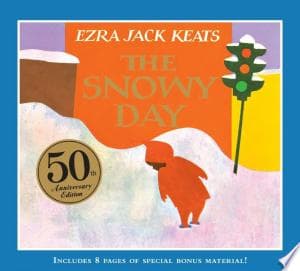
Ezra Jack Keats (1976)
Genre
Children's
Reading Time
5 min
Key Themes
See below
Sign in to track this book
A little boy in a red snowsuit discovers the quiet magic and playful wonders of his city neighborhood transformed by the season's first snowfall.
The story begins with Peter, a young boy, waking up to the first snowfall of the season. His window shows a world completely changed, covered in a thick, white blanket of snow. Peter is happy about this change and watches the snow pile up, excited for the adventures outside. He quickly dresses in his snowsuit, ready to explore the new snowy place. His mother watches him with a smile as he gets ready to go out.
Outside, Peter steps into the deep snow. He makes footprints and drags his feet to create long trails. He sees a big pile of snow and decides to climb it, pretending he is a mountain climber. From the top, he slides down, feeling the cold air and the soft snow. He also sees snow on the tree branches, making white shapes against the sky, which adds to his morning adventure.
Peter continues his play by making a snow angel. He lies in the fresh snow and moves his arms and legs to make the shape of wings and a body. He then sees older boys having a snowball fight, but he is too young to join them. So, he makes his own snowball, packing the snow tightly. He throws it at a tree, enjoying the sound it makes when it hits. He finds many ways to play with the snow.
With so much snow, Peter starts to build a snowman. He rolls a large snowball for the body, then a smaller one for the head. He finds small sticks for the snowman's arms and puts a rock for its nose. He steps back to look at his creation, feeling proud. The snowman stands in the fresh snow, showing Peter's creative play and his enjoyment of the winter day. He spends time making his snowy friend perfect.
Before going inside, Peter makes one last snowball. He carefully packs it and decides to save it. He puts the special snowball in his pocket, wanting to keep it as a memory of his wonderful snowy day. He wants to hold onto the magic and joy he felt, hoping to keep a piece of the winter world he explored. With his treasure safe, he walks home, the cold air on his nose.
Inside his warm house, Peter takes off his wet snowsuit and gets into a warm bath. As he soaks, he thinks about all the fun he had outside: making tracks, sliding down the snow mountain, making a snow angel, and building his snowman. The memories of his snowy adventures make him smile. The warm bath feels good after the cold outside, letting him relax and enjoy the day's experiences.
After his bath, Peter remembers the special snowball in his pocket. He reaches into his pocket, but it is empty. The snowball is gone. He looks around and sees a small puddle of water on the floor, realizing his treasured snowball has melted. He feels sad as he understands he could not keep the snow forever. He learns about how quickly snow disappears in this quiet moment.
Feeling a bit sad about the melted snowball, Peter goes to bed. As he falls asleep, he dreams of the snow, imagining the sun melting it all. But then, in his dream, he sees the sun go down, and snow starts to fall again. The dream brings hope, suggesting that the snowy adventures are not over. He wants another day with snow, looking forward to the joy it brings.
The next morning, Peter wakes up to an even better sight: it snowed all night, and the snow is higher than before. His sadness about the melted snowball is replaced by new excitement and wonder. He quickly dresses and calls to his friend next door, inviting him to play in the fresh, deep snow. The story ends with Peter and his friend going out together, ready for a new day of snowy adventures, showing the endless possibilities of childhood fun.
The Protagonist
Peter experiences the initial excitement of snow, the joy of play, a brief moment of sadness when his snowball melts, and renewed hope for future snowy days.
The Supporting
Her character remains consistent as a loving and supportive parental figure.
The Mentioned
They appear briefly and do not have a character arc.
The Supporting
This character is introduced at the end, signaling future shared adventures.
The main theme is Peter's pure wonder and joy when he experiences fresh snow. Every interaction, from making footprints to building a snowman, shows discovery and delight. Keats captures the magic through Peter's eyes, showing how ordinary things like snow become special places for a child's imagination. This theme is clear when Peter marvels at the snow on trees and slides down a snow pile, feeling like a mountain climber.
“He made a long, long path, by dragging his feet. And he also made some tracks, all by himself.”
The story gently shows that some joys are short-lived. Peter tries to save the snow by putting a snowball in his pocket, but it melts. This shows a child's first encounter with loss and how things do not last. This moment of sadness quickly goes away with the new joy of another snowfall, teaching a gentle lesson about accepting what cannot be kept and finding new happiness. This theme is strongest when Peter finds the puddle.
“But when he put his hand in his pocket, his pocket was empty. His snowball had melted!”
Peter's day in the snow shows the power of a child's imagination. He turns a snow pile into a mountain, a flat surface into a place for snow angels, and a simple snowball into a toy for a pretend fight with a tree. His solitary play is full of self-made stories and activities, showing how children can find endless fun and creative ways to play with simple natural elements. All of Peter's activities outside show this theme.
“He climbed up on a big, big mountain of snow and slid all the way down.”
Even though Peter is briefly disappointed by his melted snowball, he quickly recovers. His dream of snow returning, followed by the actual new snowfall the next morning, emphasizes resilience and the way hope comes back. It suggests that even when one joy ends, new chances for happiness and adventure will appear. Peter's excited call to his friend at the story's end reinforces this message of new optimism and the promise of future fun.
“And when he woke up, his room was very warm. The snow was still there, and it was piled up very high in front of his house.”
A visual technique combining cut paper and ink to create distinct textures and depth.
Keats famously used collage as his primary illustration technique in 'The Snowy Day.' This involves cutting out shapes from patterned paper and combining them with ink drawings to create the characters and settings. For instance, Peter's patterned snowsuit and the textured snowdrifts are created using this method. The collage adds a tactile quality and depth to the images, making the snow feel almost palpable and giving the characters a unique, handcrafted appearance that enhances the story's charm and childlike innocence.
The use of simple, repetitive language to mirror a child's thought process.
The narrative employs simple sentence structures and occasional repetition, reflecting the direct and uncomplicated perspective of a young child. Phrases like 'Crunch, crunch, crunch' for Peter's footsteps or the straightforward descriptions of his actions (e.g., 'He made a snow angel. He made another.') create a rhythmic, accessible text. This simplicity makes the story highly engaging for young readers and effectively conveys Peter's focused, sensory experience of the snow without overly complex language or plot points.
Descriptions that appeal directly to the five senses to immerse the reader in Peter's experience.
Keats utilizes sensory imagery to bring Peter's snowy day to life. The 'crunch, crunch, crunch' of Peter's feet in the snow, the feeling of the 'soft' snow when he slides down, the visual of the 'big, big mountain of snow,' and the warmth of his bath are all vivid sensory details. These descriptions allow young readers to feel the cold, see the white landscape, and experience the textures alongside Peter, making his adventures more immediate and relatable. The melted snowball leaving a 'little puddle' also appeals to sight and touch.
A small object that symbolizes Peter's attempt to hold onto transient joy.
The snowball Peter puts in his pocket serves as a powerful symbol. It represents his desire to preserve a moment of pure joy and the magic of the snowy day. Its inevitable melting symbolizes the ephemeral nature of childhood moments and the reality that some experiences cannot be literally kept. The subsequent arrival of more snow, however, symbolizes the cyclical nature of life and the promise that new joys and adventures will always come, even after a previous one has passed.
“One winter morning Peter woke up and looked out the window. Snow had fallen during the night. It covered everything as far as he could see.”
— Opening lines describing Peter's discovery of snow.
“He made a snowball and put it in his pocket for tomorrow.”
— Peter saves a snowball after playing outside.
“Crunch, crunch, crunch, his feet sank into the snow.”
— Peter walks through the snow, making tracks.
“He dragged his feet s-l-o-w-l-y to make tracks.”
— Peter experiments with different ways to walk in snow.
“Then he went home and told his mother all about his adventures while she took off his wet socks.”
— Peter returns home and shares his day with his mother.
“He thought and thought and thought about them.”
— Peter reflects on the snow angels he made.
“Before he got into bed he looked in his pocket. His pocket was empty.”
— Peter discovers the snowball he saved has melted.
“The next day was warm. The snow was melting.”
— Description of the day after the snowy adventure.
“After breakfast he called to his friend from the window, and they went out together into the deep, deep snow.”
— Peter invites a friend to play in the snow with him.
“He picked up a handful of snow—and another, and still another.”
— Peter gathers snow, showing his continued engagement.
“He smiled and smiled.”
— Peter's reaction to the snowy day.
“He woke up to find the snow had melted, but he knew that more would come.”
— Peter's realization about the cyclical nature of snow.
“He made a snowman and snow angels.”
— Peter engages in classic snowy day activities.
“The snow was piled up very high.”
— Description of the snow's depth, emphasizing its impact.
Ready to see how well you understood this book? Take our interactive quiz with 10 questions.
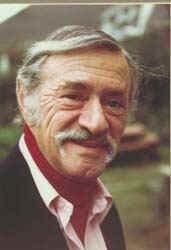
Ezra Jack Keats was an American writer and illustrator of children's books. He won the 1963 Caldecott Medal for illustrating The Snowy Day, which he also wrote. Keats wrote A Letter to Amy and Hi, Cat! but he was most famous for The Snowy Day. It is considered one of the most important American books of the 20th century.

Dan Gemeinhart
4.5

Kate O'Hearn
4.4

Jeanne Birdsall
4.4

Jen Wang
4.4

Wendelin Van Draanen
4.3

John Marsden
4.3

Chris Van Allsburg
4.3
Jennifer A. Nielsen
4.2