“He was a giant of a man, with a great shock of hair that looked as though it had been bleached by the sun and wind, and a beard that was like spun silver.”
— Describing Philip Rhayader, the protagonist, and his physical appearance.

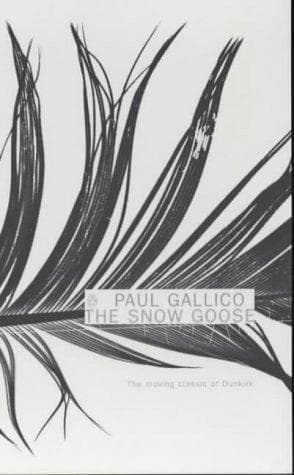
Paul Gallico (1940)
Genre
Children's / Historical Fiction
Reading Time
60 min
Key Themes
See below
Sign in to track this book
On the desolate Essex marshes, a reclusive hunchback and a young girl form a strong bond while caring for a wounded snow goose, creating a story of love, healing, and quiet friendships.
The story introduces Philip Rhayader, a hunchbacked artist who, because of his physical deformity and how society judged him, leaves the world to live in an abandoned lighthouse on the desolate Great Marsh of Essex. He paints the wild landscape and the many birds that live in the marsh. His only friends are the birds he rescues, finding a deep connection with nature that he does not find with people. He lives alone, known only to a few local fishermen. His isolation is a choice to escape the stares and whispers that have followed him since childhood.
One cold, misty November morning, a small, shy girl named Fritha, who lives in a nearby fishing village, finds a large, rare snow goose with a broken wing. The bird is tired and hurt, having been shot during its migration. Knowing Rhayader rescues birds, and overcoming her fear of the 'hunchback of the lighthouse,' Fritha brings the beautiful white goose to his isolated home. This is the first time the reclusive artist and the child interact, starting an unlikely bond centered on their shared concern for the sick bird.
Rhayader, with Fritha's quiet help, cares for the snow goose's injuries. He cleans and splints its broken wing, and together they feed the bird. Fritha visits often, her shyness fading as she sees Rhayader's gentle nature and love for animals. Over the winter, the snow goose, which they call 'Lulu' (though the story mostly calls it 'the snow goose'), slowly gets better. Healing the bird creates a silent understanding and growing affection between the isolated man and the young girl, bridging their separate lives.
As spring nears, the snow goose's wing fully heals. One day, a flock of snow geese appears over the marsh, calling to their recovered friend. With a strong push, the healed snow goose flies into the air, joining its fellow migrants and disappearing into the sky. Fritha and Rhayader watch it leave, feeling both joy for its freedom and a quiet sadness for its absence. The bird's departure leaves an empty feeling, but also a silent understanding of nature and life's passing beauty. Their bond, however, remains, made stronger by their shared experience.
To their delight, the snow goose returns to the Great Marsh the next autumn, landing near Rhayader's lighthouse. This becomes an annual event, a ritual that deepens the unique relationship between Rhayader and Fritha. Each year, the bird arrives, spends the winter near them, and then leaves with its flock in the spring. The snow goose becomes a symbol of their friendship, showing the care they gave and acting as a silent companion that connects Rhayader's isolation and Fritha's quiet life. Fritha, now a young woman, continues her visits, bringing food and company.
Years pass, and Fritha grows into a young woman. The peace of the Great Marsh and their quiet routine are eventually disturbed by the distant sounds of World War II. News of the war reaches even their isolated part of Essex, bringing a feeling of dread. The natural world, once a safe place, now seems open to the coming human conflict. The threat of war casts a shadow over their peaceful life, hinting at an inevitable change to their unique bond with the snow goose.
As the war gets worse, news arrives of the desperate rescue of British and Allied soldiers from Dunkirk. Philip Rhayader, despite his physical disability and reclusive nature, feels a strong need to help. He prepares his small, open boat, adding a sail and motor, and sets off across the English Channel toward the chaos of Dunkirk. He acts from a deep sense of duty and compassion, overcoming his lifelong avoidance of human interaction. The snow goose, having returned for the winter, circles overhead as he leaves, silently watching his heroic, selfless journey.
Among the shelling and destruction at Dunkirk, Rhayader bravely steers his boat, rescuing many soldiers from the beaches. However, during one of his trips, his boat is hit by enemy fire. Rhayader dies, his selfless act ending in tragedy. The snow goose, which had followed him across the Channel, is seen circling directly over the sinking boat, crying out. The soldiers on the beach, seeing this sight, are moved, recognizing the bird's unique connection to the fallen rescuer. The snow goose's presence is a sad farewell.
News eventually reaches Fritha of Rhayader's death at Dunkirk. She is heartbroken by the loss of her friend and mentor. The snow goose, after its vigil at Dunkirk, returns to the Great Marsh, but it no longer joins a flock. Instead, it flies alone, circling Rhayader's abandoned lighthouse and the marshes, a living memorial to the man who saved it and their bond. Fritha often sees the goose, finding a sad comfort in its presence, a symbol of lasting love and memory amidst her grief.
The snow goose continues flying alone over the Great Marsh for several more years, a familiar and sad sight to Fritha and the few locals who remember Rhayader. Eventually, one spring, it does not return from its migration. Its disappearance marks the end of the story. However, the story of Philip Rhayader, Fritha, and the snow goose becomes a local legend, showing the power of unusual love, self-sacrifice, and the deep connection between humans and nature, forever part of the desolate, beautiful Essex marshes.
The Protagonist
From a reclusive outcast, he transforms into a selfless hero, finding true connection and purpose through his bond with Fritha and the snow goose, culminating in a heroic sacrifice.
The Protagonist
She grows from a timid child into a compassionate young woman, her life deeply intertwined with Rhayader and the snow goose, experiencing profound love and loss.
The Supporting
From an injured, dependent creature, it becomes a symbol of healing, enduring connection, and faithful memory.
The Mentioned
They remain largely static, initially fearing Rhayader, but are left to ponder his legacy after his heroic sacrifice.
The Mentioned
They are passive recipients of Rhayader's heroism, serving to highlight his self-sacrifice.
The story shows that true beauty is not about how someone looks, but about their character and spirit. Philip Rhayader, physically deformed and an outcast, has an inner beauty shown in his compassion, artistic skill, and courage. Fritha sees past his appearance to his gentle soul. The desolate beauty of the Essex marshes, at first seeming bleak, also reflects this theme, showing its charm to those who look deeper. This theme questions common ideas of beauty and acceptance.
“He was a hunchback, and his face was ugly, distorted, and almost grotesque. Yet he had a gentleness that drew her to him.”
Rhayader's choice to live alone on the marsh is a main part of his character, a way to escape a world that judged him. The story shows the deep loneliness that can come from prejudice. However, the injured snow goose and Fritha's innocent kindness slowly break down his defenses, forming a deep and unusual connection. This bond shows that true connection can go beyond looks and social norms, offering comfort and meaning even in lonely situations.
“He lived alone, for he was a hunchback, and the world had no place for him. But in the marsh, he found his own kind of peace.”
The story's main theme is Rhayader's sacrifice at Dunkirk. Despite his lifelong avoidance of human society, he answers a call to duty, risking and giving his life to save others. This act makes him a true hero, showing that heroism is not limited to typical figures but can come from unexpected places. His sacrifice is not for fame, but from a deep sense of compassion, highlighting the selfless nature of true heroism.
“He had gone to Dunkirk, not for glory, but because he could not bear the thought of men suffering.”
Nature, especially the wild Essex marshes and its birds, is a safe place and a source of healing in the story. Rhayader finds comfort and purpose in his connection with the birds he rescues and paints. The natural world provides a setting for growth and understanding, as the healing of the snow goose mirrors the healing of Rhayader's emotional wounds and the growth of his bond with Fritha. The snow goose's regular return also represents nature's lasting, comforting rhythms.
“The marsh was his world, and in its wildness, he found a peace that the world of men could not offer.”
The story presents a unique and deep kind of love that goes against typical expectations. The love between Rhayader and Fritha is not romantic in a usual way, but a deep, pure affection built on respect, compassion, and shared purpose. It is a love that goes beyond age, appearance, and social status. The love for the snow goose is also central, uniting them and symbolizing their bond. This theme shows that love can appear in many strong and meaningful ways, enriching lives beyond typical definitions.
“They were two solitary souls, bound by a shared love for a wild creature, and in that love, they found a strange and perfect communion.”
A desolate, isolated setting that mirrors Rhayader's internal state and fosters unique connections.
The Great Marsh of Essex serves as more than just a setting; it is a character in itself. Its wild, desolate, and often misty nature reflects Rhayader's isolation and his internal world, providing a sanctuary from judgmental society. The marsh's harsh beauty and abundant birdlife also allow Rhayader to find purpose and connection through his art and animal rescue. It is a place where conventional rules do not apply, allowing the unconventional bond between Rhayader, Fritha, and the snow goose to flourish undisturbed. Its remoteness amplifies the impact of the encroaching war.
A powerful symbol of healing, freedom, loyalty, and enduring memory.
The snow goose is the central symbolic element of the story. Initially, it symbolizes fragility and the need for care, bringing Rhayader and Fritha together. As it heals and flies free, it represents hope, resilience, and the beauty of the natural world. Its annual return symbolizes loyalty and the enduring nature of the bond between the characters. After Rhayader's death, its solitary vigil over the marsh transforms it into a poignant symbol of remembrance, a living elegy for the fallen hero, and a testament to the lasting impact of their unique connection.
A physical deformity that symbolizes societal prejudice and his internal sensitivity.
Rhayader's hunchback is a crucial plot device that immediately establishes him as an outcast from society. It is the visible manifestation of his difference, leading to his rejection and subsequent retreat to the marsh. However, it also serves to highlight his inner beauty and the theme of judging by appearances. His physical deformity makes his ultimate act of heroism even more poignant, as it contrasts sharply with the strength of his character and his willingness to sacrifice himself for others, defying the superficial judgments placed upon him.
A historical event that acts as a catalyst for Rhayader's ultimate act of heroism and sacrifice.
The outbreak of World War II, specifically the Dunkirk evacuation, serves as a dramatic turning point in the narrative. It shatters the peaceful, isolated world of Rhayader and Fritha, forcing Rhayader to confront the human world he had deliberately avoided. The war acts as a catalyst for his ultimate act of self-sacrifice, providing a context for him to demonstrate his profound compassion and heroism on a grand scale. It elevates the personal story to one of universal significance, showing how even the most reclusive individuals can be moved to extraordinary acts in times of crisis.
“He was a giant of a man, with a great shock of hair that looked as though it had been bleached by the sun and wind, and a beard that was like spun silver.”
— Describing Philip Rhayader, the protagonist, and his physical appearance.
“The wild things understood him, and he understood them.”
— Referring to Philip Rhayader's deep connection with nature and animals.
“She was a small, shy child, with eyes as blue as the sea and hair the colour of ripe wheat.”
— Introducing Fritha, the young girl who befriends Rhayader.
“It was a wild, lonely place, a vast, flatland of marsh and mud, where the sky seemed to stretch forever.”
— Describing the setting of the story, the Great Marsh of Essex.
“The snow goose was like a ghost, a shimmering white presence against the grey of the sky.”
— First description of the injured snow goose when it arrives at the marsh.
“There was a bond between them, fragile as a cobweb, yet strong as steel.”
— Referring to the developing relationship between Rhayader and Fritha.
“He made a splint for its broken wing, and fed it with fish and grain, and talked to it in a low, crooning voice.”
— Rhayader's tender care for the injured snow goose.
“The snow goose was a symbol, a fragile, beautiful thing that had flown out of the mists of legend.”
— Reflecting on the significance of the snow goose to the people of the marsh.
“It was a thing of pure white, a creature of exquisite grace, and it was doomed.”
— Describing the snow goose's beauty and its inherent vulnerability.
“They were two solitary beings, one old and scarred, the other young and innocent, bound together by the needs of a wild creature.”
— Highlighting the unlikely connection between Rhayader and Fritha through their shared care for the goose.
“The war came, a black cloud that swept across the land, bringing death and destruction.”
— The onset of World War II, impacting the peaceful marsh.
“He went out into the hell of war, a lonely figure in a small boat, searching for the lost and the dying.”
— Rhayader's heroic actions during the Dunkirk evacuation.
“And the snow goose, with its great white wings, flew over the men in their boats, a beacon of hope.”
— The snow goose's symbolic presence during the Dunkirk evacuation.
“The marsh was his monument, and the wild things his epitaph.”
— Reflecting on Rhayader's legacy and his deep connection to the natural world after his death.
“She never saw him again, but she never forgot him, nor the wild, white bird that had brought them together.”
— Fritha's enduring memory of Rhayader and the snow goose.
Ready to see how well you understood this book? Take our interactive quiz with 10 questions.
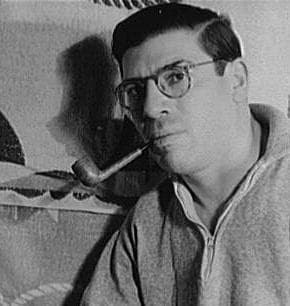
Biography coming soon.
Dan Gemeinhart
4.5
Kate O'Hearn
4.4

Jeanne Birdsall
4.4

Jen Wang
4.4
Wendelin Van Draanen
4.3

John Marsden
4.3

Chris Van Allsburg
4.3
Jennifer A. Nielsen
4.2