“It is a comfortable feeling to know that you are going to a friend's house.”
— Lily Dale reflects on her visit to the Eames family.

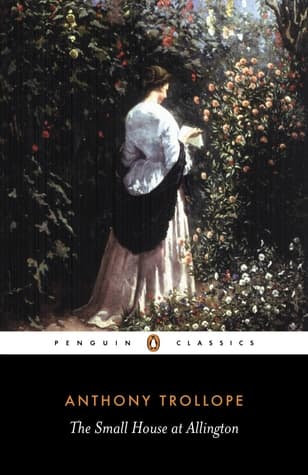
Anthony Trollope (1864)
Genre
Historical Fiction / Romance
Reading Time
15-20 hours
Key Themes
See below
Sign in to track this book
In the English countryside, the charming but naive Lily Dale navigates love, society's expectations, and a broken engagement, while her cousin Fanny grapples with her own romantic entanglements and a suitor determined to win her affection.
The novel begins with Mrs. Dale and her two daughters, Lily and Bell, moving from Allington Place to the smaller Small House on the estate, after the death of Mrs. Dale's husband. The current Squire Dale, Christopher Dale, their uncle, is gruff but kind and cares for them. Lily, the younger sister, is soon courted by Adolphus Crosbie, a charming but ambitious London gentleman visiting Courcy Castle, a nearby aristocratic home. Meanwhile, Bell, the older sister, quietly receives the affections of Dr. Crofts, a local doctor, though she is not yet ready to commit.
Adolphus Crosbie, while at Allington, proposes to Lily Dale, and she, deeply in love, accepts with joy. Their engagement is celebrated by the family, especially Mrs. Dale and Squire Dale, who are happy with the match. However, Crosbie is soon drawn into the aristocratic circles of Courcy Castle, where he is flattered by Lady Alexandrina de Courcy. Driven by ambition, Crosbie cruelly breaks off his engagement with Lily by letter, leaving her for Lady Alexandrina. This betrayal devastates Lily and the entire Dale family, particularly Squire Dale, who had liked Crosbie.
Lily Dale is heartbroken by Crosbie's desertion. Her shock gives way to a lasting sadness, but she shows resilience and loyalty to her first love, despite his unworthiness. She withdraws somewhat from society but refuses to be completely broken. Her steadfastness becomes a main theme, as she rejects advances from Bernard Dale, her cousin, who wants to marry her and keep her at Allington, and later, from John Eames, who has loved her since childhood. Lily's refusal to marry anyone else, believing her heart belongs to Crosbie, even after his disgrace, shapes much of her story.
Adolphus Crosbie marries Lady Alexandrina de Courcy, believing it will secure his future. However, their marriage is disappointing. Lady Alexandrina is cold, unloving, and demanding, with expensive tastes and little real affection. Crosbie quickly finds his new position offers little joy. His life with Alexandrina is marked by arguments, tedious social obligations, and a lack of warmth. He realizes too late his mistake in leaving Lily Dale, whose simple charm and genuine love he now misses, showing the emptiness of his ambition.
John Eames, a young man from the village who has loved Lily Dale since childhood, works as a clerk in London. He is initially clumsy and gets into trouble, but his love for Lily motivates him to improve. Hearing of Crosbie's betrayal, Eames is angry and, in an impulsive act of loyalty, publicly assaults Crosbie at a London railway station, earning him both criticism and some respect. Throughout the novel, Eames tries to win Lily's heart, despite her rejections, showing his devotion and growing maturity.
Bell Dale, the more practical sister, is pursued by several men. Her cousin, Bernard Dale, proposes marriage, offering a comfortable life at Allington Place, but Bell finds him unappealing and his offer lacking in real affection. She also attracts the attention of the wealthy but crude Squire Boyce. Bell's heart remains with Dr. Crofts, the kind and intelligent local doctor who has loved her for a long time. Despite her mother's initial preference for a wealthier match, Bell chooses Dr. Crofts, valuing his character and their shared affection over social status, to the satisfaction of Squire Dale and Mrs. Dale, who come to see the wisdom of her choice.
Squire Christopher Dale, the girls' uncle and landlord, is a complex character. He is gruff and blunt but deeply cares for his nieces and sister-in-law, providing for them and trying to guide their lives. He is pleased with Lily's engagement to Crosbie, then furious at the betrayal. He wants one of his nieces to marry his heir, Bernard Dale, to keep the estate in the family. While frustrated by Lily's loyalty to Crosbie and Bell's initial refusal of Bernard, he accepts and supports Bell's choice of Dr. Crofts, showing his underlying kindness.
The De Courcy family, living at Courcy Castle, represents the cynical upper class. The Earl and Countess de Courcy care mainly about their family's status and making good matches for their daughters. They encourage Adolphus Crosbie's pursuit of Lady Alexandrina, seeing him as a suitable prospect due to his connections and potential. Their schemes show the moral compromises made for social standing, and their family life is cold, contrasting with the warmth of the Small House at Allington. They gain little from the match, as Crosbie's career does not advance as much as they hoped.
Adolphus Crosbie's ambitious marriage to Lady Alexandrina de Courcy does not bring him the promised social or professional advancement. His career at the General Committee Office stalls, and his hopes for a prestigious position are ruined. His home life is unhappy, marked by constant disagreement and a lack of affection. He becomes increasingly aware of his mistake in leaving Lily Dale, often thinking about her goodness and the love he gave up. Crosbie's story is one of regret and the bitter realization that he sacrificed true happiness for an illusion of grandeur, living a life of quiet desperation.
As the novel ends, Bell Dale and Dr. Crofts marry, making Mrs. Dale and Squire Dale happy. They settle into a loving and content life, showing that true affection and respect can lead to lasting happiness. John Eames, despite his efforts, cannot win Lily Dale. Lily remains loyal to the memory of her love for Crosbie, saying she will never marry anyone else. She continues to live at the Small House with her mother, finding peace in her quiet life and the affection of her family, especially John Eames, who remains a devoted friend, still hoping for a future with her, though it is left uncertain.
The Protagonist
Lily transforms from an innocent, hopeful maiden to a woman of profound, if tragic, loyalty, steadfastly adhering to her first love despite its unworthiness.
The Antagonist
Crosbie descends from a promising, admired young man to a disillusioned and unhappy husband, a victim of his own ambition and moral cowardice.
The Supporting
Eames matures from an awkward, impulsive youth into a more responsible and steadfast man, though his love for Lily remains unfulfilled.
The Supporting
Bell navigates societal pressures and family expectations to choose a partner based on love and respect, securing her own happiness.
The Supporting
Crofts patiently pursues Bell Dale, demonstrating his worth through his character and devotion, ultimately achieving a happy marriage.
The Supporting
The Squire learns to temper his rigid expectations with understanding, ultimately accepting his nieces' choices, even when they diverge from his own desires.
The Supporting
Mrs. Dale evolves from a mother with conventional hopes for her daughters' marriages to one who fully embraces their individual choices, prioritizing their happiness above societal expectations.
The Supporting
Lady Alexandrina remains static, a symbol of the superficiality and emotional emptiness of her social class, experiencing no growth or change.
The Supporting
Bernard Dale remains largely unchanged, a dutiful but uninspiring figure whose proposals are rejected, highlighting the sisters' desire for genuine affection over convenience.
This theme is central, mainly seen through Adolphus Crosbie's tragic choice. He leaves genuine love with Lily Dale for the social and professional advantages of marrying Lady Alexandrina de Courcy. The novel contrasts the warmth and happiness he could have had with Lily against the cold, unfulfilling marriage he endures. Lily's steadfast love, even in betrayal, and Bell's choice of Dr. Crofts over Bernard Dale, further highlight the value of love and character over material gain. Crosbie's later regret serves as a strong warning.
“He had sold himself for a mess of pottage, and now he had to eat it.”
Lily Dale shows this theme through her unwavering loyalty to Adolphus Crosbie, even after his cruel betrayal. Her refusal to marry anyone else, despite worthy men like John Eames, defines her character and creates much of the novel's emotional weight. John Eames's persistent, unrequited love for Lily is another example, showing his devotion. This loyalty, while admirable in Lily, also points to the potential for self-sacrificing adherence to an ideal, even if it might lead to a lonely future. It is contrasted with Crosbie's disloyalty.
“I can never be a young man's darling again. I have been a young man's darling, and it has gone from me.”
The novel explores what makes true happiness. Through the contrasting lives of Lily Dale, who stays single out of loyalty, and Bell Dale, who finds contentment in a loving marriage with Dr. Crofts, Trollope suggests that happiness comes from genuine affection and moral integrity, not wealth or social status. Crosbie's miserable marriage to Lady Alexandrina de Courcy shows that ambition without love leads to deep dissatisfaction. The simple, loving atmosphere of the Small House is consistently shown as a haven of happiness compared to the grandeur and coldness of Courcy Castle.
“What is it that a man wants? Not a woman, but a wife; not a thing to sleep with, but a being to live with.”
Trollope examines the effect of social class and its expectations. The De Courcy family embodies the aristocratic world's focus on status and good marriages, leading to Crosbie's manipulation. Crosbie himself is driven by a desire to rise socially, illustrating the pressures of Victorian society. The contrast between the Dales' more modest but moral life and the De Courcys' grand but often superficial world highlights the ethical compromises made for social standing. The novel subtly criticizes the rigidities and hypocrisies of the class system.
“It is not every man who can raise himself, as he has done. And then to marry a Lady Alexandrina de Courcy!”
The bond within the Dale family is a cornerstone of the novel. Squire Dale, despite his gruff exterior, feels a strong sense of duty and affection towards his nieces and sister-in-law, providing for them and trying to guide their lives. Mrs. Dale's unwavering support for her daughters, even when their choices go against expectations, shows the strength of maternal love. The sisters, Lily and Bell, share a deep and supportive relationship. This theme explores how family ties offer comfort, stability, and a moral guide during personal struggles and societal pressures, sharply contrasting with the colder, more self-serving dynamics of the De Courcy family.
“There was no one in the world who loved her with such a love as her mother.”
A physical and symbolic representation of warmth, love, and moral integrity.
The Small House at Allington is not merely a setting but a powerful symbol. It represents a haven of genuine affection, moral rectitude, and simple happiness, contrasting sharply with the cold grandeur and superficiality of Courcy Castle. It is where Lily and Bell grow up, where they experience love and heartbreak, and where family bonds are strongest. The house symbolizes the enduring values of home, loyalty, and contentment that the characters, particularly Crosbie, often abandon in pursuit of external validation, only to find regret.
A pivotal plot point that catalyzes Lily's heartbreak and Crosbie's downfall.
Adolphus Crosbie's letter to Lily Dale, breaking off their engagement, is a crucial plot device. It serves as the immediate catalyst for Lily's profound heartbreak and initiates her steadfast, unrequited love. For Crosbie, it is the irreversible act that seals his fate and marks his moral decline. This singular event sets the trajectory for the remainder of the novel, highlighting the cruelty of his ambition and the devastating consequences of his actions, while also solidifying the sympathy and admiration for Lily's resilience.
A recurring motif, particularly through John Eames's devotion to Lily Dale.
Unrequited love is a significant plot device, primarily manifested in John Eames's enduring affection for Lily Dale. His persistent pursuit of her, despite her repeated rejections and her loyalty to Crosbie, underscores themes of devotion and steadfastness. It allows for Eames's character development and provides a foil to Crosbie's fickle nature. Lily's own 'unrequited' love for the memory of what Crosbie was, or what she hoped he would be, also falls into this category, shaping her life choices and emphasizing the enduring power of first love, even when misplaced.
Different social environments reflect varying moral standards and values.
Trollope uses distinct social circles to highlight contrasting moral values. The wholesome, affectionate world of the Small House and the village of Allington represents genuine human connection and integrity. In stark contrast, Courcy Castle and the aristocratic circles of London, inhabited by the De Courcys and Crosbie, symbolize superficiality, ambition, and moral compromise. These different environments act as moral barometers, influencing characters' decisions and revealing their true natures, particularly Crosbie, who is corrupted by the allure of the higher social sphere.
“It is a comfortable feeling to know that you are going to a friend's house.”
— Lily Dale reflects on her visit to the Eames family.
“A man who wants to make a girl his wife should not talk to her about his love for another woman.”
— Lady Julia De Guest advises John Eames on his pursuit of Lily Dale.
“The course of true love never did run smooth.”
— A general observation on the difficulties faced by lovers.
“There are some men who are made to be loved; and there are some women who are made to love them.”
— A reflection on the natural inclinations of certain individuals in love.
“It is not by any means necessary that a man should be a hero to be a good husband.”
— Mrs. Dale's pragmatic view on what makes a suitable partner.
“Money is a very good thing, and a very comfortable thing, and makes a man feel very much at his ease.”
— Lord De Guest's practical perspective on wealth.
“If a girl has a fortune she ought to have a chance of seeing the world, and picking up a husband who is worthy of her.”
— Lady Alexandrina De Courcy's views on a woman's marital prospects.
“The greatest blessing which can befall a man is to have a good wife.”
— A traditional sentiment expressed about the value of a spouse.
“It is a terrible thing for a man to find himself alone in the world.”
— A reflection on the loneliness that can accompany certain life paths.
“The world is full of troubles, and the wisest of us cannot avoid them.”
— A general philosophical observation on life's inevitable difficulties.
“He knew that he was a fool, but he was a fool in love.”
— John Eames' self-awareness regarding his infatuation with Lily Dale.
“There is no more dangerous woman than one who has been jilted.”
— A comment on the potential bitterness and actions of a scorned woman.
“A man should always be master in his own house.”
— A traditional, patriarchal view on domestic authority.
“It is easier to forgive an injury than to forget an insult.”
— A reflection on the lasting impact of verbal slights compared to physical harms.
Ready to see how well you understood this book? Take our interactive quiz with 10 questions.
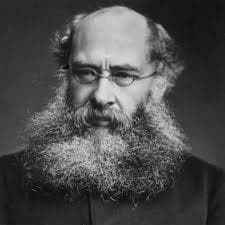
Anthony Trollope was an English novelist and civil servant of the Victorian era. Among his best-known works is a series of novels collectively known as the Chronicles of Barsetshire, which revolves around the imaginary county of Barsetshire. He also wrote novels on political, social, and gender issues, and other topical matters.







