““I’m afraid I have some bad news, Mrs. Clifton,” the doctor began, his voice flat and devoid of emotion. “Your husband is dead.””
— The devastating moment Beth Clifton learns of her husband's death.

Jeffrey Archer (2012)
Genre
Thriller / Historical Fiction / Mystery
Reading Time
350 min
Key Themes
See below
Sign in to track this book
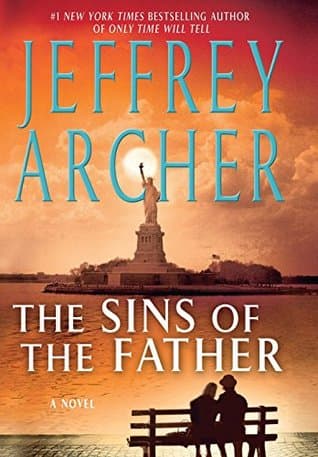
A young man, desperate to outrun a scandalous past and forbidden love in wartime Britain, assumes the identity of a dead American sailor, only to find himself entangled in an even more dangerous web of secrets and a murder trial in 1940s New York.
In 1939, just before Britain declares war on Germany, Harry Clifton makes a drastic decision. He is still dealing with the revelation that Arthur Penrose, not Hugo Barrington, is his biological father. He also despairs over his inability to marry Emma Barrington. He enlists in the Merchant Navy as a steward on the MV Buckingham. He hopes to escape the complicated family secrets and the pain of his unrequited love for Emma. He believes that by leaving Bristol, he can outrun the scandal and emotional turmoil that have affected his young life. This act of self-exile begins his perilous journey.
Harry's Merchant Navy vessel, the MV Buckingham, is torpedoed in the Atlantic by a German U-boat. Most of the crew die. Harry is one of the few survivors, rescued by an American cruise liner, the SS Kansas Star. Among the other rescued sailors is an American third officer named Tom Bradshaw. Bradshaw, severely injured, dies during the night. Harry sees a desperate chance to shed his past and the complicated Clifton-Barrington family saga. He impulsively decides to assume Bradshaw's identity, believing it will give him a fresh start in America, free from his complicated history and heartbreak over Emma.
Upon arriving in New York City aboard the SS Kansas Star, Harry, now living as Tom Bradshaw, is immediately confronted by two men who know the real Bradshaw. They quickly reveal that the man whose identity Harry has stolen was involved in serious criminal activities, including bank robbery. Harry realizes his desperate gamble has failed. Instead of escaping his own troubles, he has inherited a far more perilous and immediate threat. He is trapped, unable to prove his true identity without revealing his past, which he still wants to keep hidden.
Harry, still posing as Tom Bradshaw, is arrested by the FBI and charged with bank robbery and murder, crimes committed by the real Bradshaw. He is brought before a grand jury and then put on trial. Despite his desperate attempts to explain his true identity, he has no credible evidence. His fingerprints are not on file, and his story is deemed unbelievable. The prosecution, led by Sefton M. Jelks, presents a strong case against him, portraying him as a dangerous criminal. Harry faces a potential death sentence for crimes he did not commit.
Meanwhile, back in England, Giles Barrington, now a Member of Parliament, learns of Harry's situation through a newspaper report about the 'Tom Bradshaw' trial. Giles recognizes Harry's unique writing style in letters published by 'Bradshaw' in a newspaper. He suspects the truth. Despite the ongoing animosity between their families, Giles feels a deep loyalty and friendship towards Harry. He immediately travels to New York, determined to prove Harry's true identity and save him from the electric chair. His arrival brings a glimmer of hope to Harry's desperate situation.
Giles Barrington, working with Harry's appointed lawyer, learns that Harry's birth certificate and other documents were destroyed in the bombing of Bristol. They struggle to find concrete proof of Harry's identity. During the trial, Giles takes the stand, testifying to Harry's true name and background. However, the prosecution, led by Sefton Jelks, questions his testimony, suggesting it is a fabricated story to save a criminal. The courtroom becomes a battleground of truth and deception. Harry's life hangs in the balance as the jury deliberates.
Despite Giles Barrington's efforts and the defense, the jury finds 'Tom Bradshaw' (Harry Clifton) guilty of murder and bank robbery. The judge sentences him to a long term in a federal penitentiary. Harry is devastated, his hopes of a new life in America shattered. He is sent to a maximum-security prison, where he must deal with the harsh realities of incarceration and the constant threat from genuine criminals. This period marks a low point for Harry, as he grapples with the injustice of his situation and the crushing weight of his stolen identity.
Back in England, Emma Barrington, deeply in love with Harry, refuses to believe he is a criminal. She is heartbroken by the news of his conviction and dedicates herself to proving his innocence. She meticulously researches the real Tom Bradshaw's background, searching for any detail that could exonerate Harry. Her unwavering faith and tireless efforts become a beacon of hope. She navigates bureaucratic hurdles and faces skepticism from those who believe Harry is guilty. Her determination shows the depth of her love and commitment to Harry.
Emma's relentless investigation eventually leads her to the real Tom Bradshaw's family in America. Through her discussions with them, she uncovers crucial details about Bradshaw's past, including his involvement with a criminal gang and his distinctive tattoos. This information provides proof that the man in prison is not their relative. The family, initially skeptical, comes to understand Emma's mission and provides her with the evidence she needs to present a compelling case for Harry's exoneration. This discovery is a major breakthrough in her quest for justice.
Armed with the evidence gathered by Emma, including the real Tom Bradshaw's family's testimony and detailed descriptions of his tattoos, the case for Harry's innocence is reopened. A new trial is granted, and this time, the truth prevails. Harry Clifton is finally exonerated of all charges of bank robbery and murder. He is released from prison, a free man, but forever marked by the ordeal. His legal battle concludes, but the emotional scars and the time lost remain. This sets the stage for his return to England and the challenges that await him.
After his exoneration, Harry returns to England, a hero to many, particularly Emma and Giles. He is reunited with his family, including his mother Maisie and his stepfather Hugo Barrington, who expresses deep regret for his past actions. Harry and Emma, their love tested by immense hardship, are finally free to pursue their relationship without the shadows of the past or the legal battle. Harry begins to rebuild his life, eager to resume his writing career and embrace a future with Emma. The path ahead is still fraught with challenges and unresolved family tensions.
While Harry and Emma look towards their future, the Barrington family faces its own struggles. Hugo Barrington, still affected by his past and the strained relationship with Harry, works to secure the future of Barrington Shipping. The war continues to pose significant challenges to the company's operations and profitability. Meanwhile, Harry, having endured his harrowing ordeal, is determined to make a name for himself as a writer, separate from the Barrington legacy. He and Emma begin to plan their marriage, hoping for a peaceful future despite the ongoing global conflict and the lingering family complexities.
The novel explores the mystery surrounding Harry's biological father, Arthur Penrose. The previous book revealed his identity. "The Sins of the Father" explores the implications of this revelation and its impact on Harry's sense of self and his relationships with Maisie and Hugo. The legacy of Arthur Penrose, a man Harry never truly knew, continues to cast a long shadow, influencing Harry's understanding of his own identity and place in the world. The family deals with the lingering secrets and the complex emotional fallout.
Giles Barrington's efforts to save Harry in America significantly boost his public profile and political career. Having proven his integrity and determination, he gains respect and support, positioning him for a promising future in Parliament. He continues to be a steadfast ally to Harry and Emma, navigating the complexities of their intertwined lives and the ongoing family drama. His political ascent runs parallel to Harry's personal struggles and triumphs. This highlights the different paths taken by the two young men who share a deep, if complicated, friendship.
Throughout the narrative, World War II is a significant force shaping the characters' lives. Harry's decision to join the Merchant Navy is a direct response to the impending war. The sinking of his ship is a brutal consequence of the conflict. The war also impacts Barrington Shipping and the general atmosphere of uncertainty and peril. It shapes the decisions made by characters, the risks they take, and the sacrifices they endure. This reminds readers that personal dramas unfold against a canvas of monumental historical events. The war is a pervasive force that influences destinies.
The Protagonist
Harry transforms from a desperate young man fleeing his past into a resilient individual who confronts injustice and ultimately finds his true identity and love.
The Supporting
Emma evolves from a young woman in love to a determined and resourceful investigator, fighting for the man she loves and proving her strength and independence.
The Supporting
Giles grows from a supportive friend into a principled politician, using his position to fight for justice and demonstrating his unwavering loyalty.
The Supporting
Maisie continues to grapple with the consequences of her past choices, finding some peace as her son's future becomes clearer.
The Supporting
Hugo struggles with his past mistakes and the complex family dynamics, gradually seeking reconciliation and demonstrating a desire for redemption.
The Antagonist
Jelks remains a static antagonist, representing the legal system's challenge to Harry, ultimately being overcome by the truth.
The Mentioned
Tom Bradshaw's character primarily serves as a catalyst, his past actions driving the central conflict for Harry.
The Supporting
Lady Virginia maintains her established social position, observing the unfolding family dramas with a focus on reputation.
This theme is central to Harry's journey as he deals with his true parentage and then assumes a false identity. His desperate act of becoming Tom Bradshaw plunges him into a crisis of self. He fights for the right to be recognized as Harry Clifton. The struggle to prove who he is, both legally and personally, drives the story. It is not just about proving his name, but about asserting his inherent goodness against the crimes of another. This shows powerfully in the courtroom scenes where his very existence as Harry is questioned.
““You can run from your past, Harry, but it will always catch up with you in the end.””
The novel explores the experience of being wrongly accused and imprisoned. Harry's trial and conviction for crimes committed by Tom Bradshaw highlight the flaws of the legal system. His fight for exoneration, championed by Giles and Emma, shows the pursuit of justice. The theme questions whether the truth always prevails and emphasizes the profound impact of injustice on an individual's life. The courtroom drama clearly shows this struggle.
““To be found guilty of a crime you didn’t commit, and to face the gallows for it, is a torment few could imagine.””
The unwavering love between Harry and Emma, and the deep loyalty of Giles Barrington, are crucial to Harry's survival and freedom. Emma's relentless pursuit of the truth, traveling across an ocean and meticulously investigating Tom Bradshaw's past, is driven by her love. Giles's willingness to risk his own reputation and political career to testify for Harry shows the strength of their friendship. These relationships serve as beacons of hope and resilience against Harry's despair and the impersonal legal system.
““Love, Harry realized, was not just a feeling, but a force that could move mountains and break down prison walls.””
Both Harry's original escape from England and his subsequent predicament as Tom Bradshaw are direct consequences of past actions and secrets. Harry flees the revelations of his parentage and his unrequited love. He then inherits Tom Bradshaw's criminal past. The novel shows how unresolved issues and hidden truths can shape present and future events. It demonstrates that escaping one's history is often impossible. The lingering shadow of Arthur Penrose and the Barrington-Clifton feud are constant reminders of this theme.
““Every secret, every lie, eventually demanded its reckoning.””
World War II is not just a setting but a significant force shaping the characters' lives. Harry's decision to join the Merchant Navy is a direct response to the impending war. The sinking of his ship is a consequence of the conflict. The war also impacts Barrington Shipping and the general atmosphere of uncertainty and peril. It highlights how personal dramas unfold against a canvas of global conflict, adding another layer of danger and urgency to the characters' struggles.
““The war, like a relentless tide, swept away individual lives and reshaped destinies.””
Harry assumes the identity of a deceased man, leading to catastrophic consequences.
The core plot device of mistaken identity drives the entire narrative. Harry Clifton's desperate decision to assume the identity of Tom Bradshaw after a shipwreck immediately plunges him into unforeseen peril. This device allows for extreme dramatic tension as Harry is accused of crimes he didn't commit and has no way to prove his true self. It forces him to confront existential questions about who he is and highlights the fragility of identity in the face of legal and bureaucratic systems.
The initial reports and legal proceedings present a false version of events.
While not a fully unreliable narrator, the initial news reports and court proceedings regarding 'Tom Bradshaw' present a narrative that is fundamentally untrue from Harry's perspective. The reader, knowing Harry's true identity, experiences the frustration and injustice of this false narrative. This device builds suspense and empathy for Harry, as the official story contradicts the truth, creating a compelling struggle for characters like Giles and Emma to uncover and present the real facts.
Giles Barrington's timely intervention and Emma's discovery of crucial evidence.
Giles Barrington's sudden recognition of Harry's writing style in an American newspaper, leading him to travel to the US to help, acts as a qualified Deus Ex Machina. While not entirely unforeshadowed (given their friendship), his timely arrival and subsequent actions are a crucial, almost miraculous, turning point. Similarly, Emma's eventual discovery of the real Tom Bradshaw's family, though driven by her persistence, provides the definitive evidence Harry needs, resolving an otherwise insurmountable problem.
The criminal past of Tom Bradshaw serves as the central object of pursuit and conflict.
The real Tom Bradshaw's criminal history – his bank robbery and murder – functions as a MacGuffin. It is the central object of conflict and mystery, driving the plot forward as Harry inherits these crimes. While the specific details of Bradshaw's past are important, their primary function is to create the dire situation Harry finds himself in, motivating the actions of the prosecution, defense, and characters like Emma who seek to uncover the truth about the 'real' Bradshaw.
““I’m afraid I have some bad news, Mrs. Clifton,” the doctor began, his voice flat and devoid of emotion. “Your husband is dead.””
— The devastating moment Beth Clifton learns of her husband's death.
““Some men are born to greatness, others have greatness thrust upon them, and some just happen to be in the right place at the right time.””
— Harry Clifton reflecting on his own life and opportunities.
““The truth, like a cat, will always find its way home, no matter how far you try to throw it.””
— A character's observation on the inevitability of truth being revealed.
““A father’s love is a powerful thing, but a mother’s love… that’s an entirely different beast.””
— Beth Clifton's internal thoughts on the differing strengths of parental love.
““He had learned that the only way to escape the past was to build a future so grand that the past simply faded into insignificance.””
— Harry Clifton's determination to overcome his humble beginnings.
““There are some wounds that time can never heal, only scar over.””
— A character's somber reflection on deep emotional pain.
““Money doesn’t buy happiness, but it certainly buys a more comfortable brand of misery.””
— Giles Barrington's cynical view on wealth.
““Every man has his price, and some women have theirs too. It’s just a matter of finding out what it is.””
— A cunning character's insight into human motivations.
““He realized then that a lie, once told, had a life of its own, growing and twisting until it became almost impossible to untangle.””
— Harry Clifton grappling with the consequences of a significant deception.
““The greatest battles are not fought on the battlefield, but in the hearts and minds of men.””
— A philosophical observation on internal struggles and moral dilemmas.
““Sometimes, the greatest act of courage is simply to keep going, even when all hope seems lost.””
— Beth Clifton's enduring resilience in the face of immense hardship.
““History, like a persistent shadow, always catches up with you in the end.””
— A character's realization that past events inevitably influence the present.
““To forgive is divine, but to forget is foolish.””
— A character's pragmatic view on forgiveness and caution.
““The world was a stage, and he was determined to play a leading role, no matter the cost.””
— Harry Clifton's ambitious drive to achieve prominence.
Ready to see how well you understood this book? Take our interactive quiz with 10 questions.

Jeffrey Howard Archer, Baron Archer of Weston-super-Mare is an English novelist, life peer, convicted criminal, and former politician. Before becoming an author, Archer was a Member of Parliament (1969–1974), but did not seek re-election after a financial scandal that left him almost bankrupt.







