“From the Music of the Ainur, which is as a song before Ilúvatar, came the great Vision; and of the Vision was made Eä, the World that Is.”
— Describing the creation of the world through music.

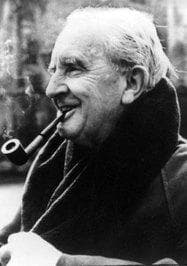
J.R.R. Tolkien (1977)
Genre
Fantasy
Reading Time
600 min
Key Themes
See below
Sign in to track this book
Elves defy gods and fight a millennia-long war against the Dark Lord Morgoth to reclaim three stolen, star-infused jewels.
Before time, Eru Ilúvatar creates the Ainur, angelic beings, and teaches them music. Each Ainu adds to a theme, but Melkor, the strongest Ainu, adds his own discordant themes, wanting to control the music. Eru steps in twice to counter Melkor's disharmony with new, more complex themes. Finally, Eru shows the Music's full form as a vision of Arda (Earth) and its history, including Elves and Men. The Ainur, seeing this, then go into the void to make Arda real. They become the Valar and Maiar, and begin shaping the world for the Children.
The Valar come to Arda, but Melkor fights them, destroying their early works, like the Lamps of Ilúmin and Ormal. After a long fight, the Valar move to Aman, the western continent. There, Yavanna creates the Two Trees, Telperion and Laurelin, which light Valinor. Meanwhile, the Elves (Quendi) awaken in Middle-earth by the waters of Cuiviénen. Oromë finds them, and the Valar invite them to Aman. A Great Journey begins. Many Elves, led by Ingwë, Finwë, and Elwë, travel west. Some, like the Avari, refuse, and others, like the Sindar under Elwë, stay in Middle-earth.
Fëanor, Finwë's son and the most skilled Noldor Elf, makes three jewels, the Silmarils. They hold the light of the Two Trees. Melkor, now Morgoth, escapes his prison in Valinor and works with the giant spider Ungoliant. They attack Valinor. Ungoliant drains the Two Trees, making Valinor dark. Morgoth then goes to Formenos, Finwë's home, kills Finwë, and steals the Silmarils from Fëanor's treasury. This act of evil makes Fëanor furious and starts the tragic events that follow.
In the dark after the Trees' destruction and the Silmarils' theft, Fëanor, angry about his father's death and his creations' loss, names Morgoth the Enemy. He rouses the Noldor to rebel against the Valar, vowing to find Morgoth and get the Silmarils back. He and his seven sons swear the Oath of Fëanor, binding them to pursue anyone who keeps a Silmaril from them. To reach Middle-earth, Fëanor demands the Teleri Elves' ships at Alqualondë. When they refuse, the Noldor, led by Fëanor, attack and kill the Teleri in the First Kinslaying, taking their ships. For this, Mandos issues the Doom of the Noldor, predicting sorrow and betrayal for Fëanor's followers.
Fëanor burns the Teleri ships at Losgar. He leaves his half-brother Fingolfin and his people to cross the dangerous Helcaraxë, the Grinding Ice, to Middle-earth. The Noldor set up kingdoms in Beleriand. Fëanor leads his forces in the Dagor-nuin-Giliath (Battle Under the Stars) against Morgoth's Orcs, pushing them back. Gothmog, Lord of Balrogs, wounds Fëanor, who dies, his spirit turning to fire. Fingolfin's people eventually arrive, setting up their own realms, like Hithlum. The Noldor, despite their divisions, besiege Angband, Morgoth's fortress, for nearly four centuries. This is known as the Long Peace.
Morgoth ends the Siege of Angband with the Dagor Bragollach (Battle of Sudden Flame). He unleashes fire, Balrogs, and Glaurung, the first fire-drake. Many Noldorin kingdoms are destroyed, and the Elves lose many. King Fingolfin, in defiance, rides alone to Angband and challenges Morgoth to single combat. Fingolfin wounds Morgoth seven times but is killed. Men, the Secondborn, awaken in Hildórien and travel west, entering Beleriand and allying with the Elves against Morgoth.
Beren, a Man, falls in love with Lúthien Tinúviel, daughter of Thingol, King of Doriath, and Melian the Maia. Thingol opposes the marriage and demands an impossible bride-price: Beren must bring him a Silmaril from Morgoth's crown. Beren, with Lúthien and the hound Huan, goes on this quest. They face many dangers, including Sauron, whom Lúthien defeats with her magic and song. They reach Angband, where Lúthien enchants Morgoth and his court to sleep. Beren cuts a Silmaril from Morgoth's crown. As they escape, Carcharoth, the great wolf, bites off Beren's hand, swallowing the jewel. Beren later dies from his wounds. Lúthien, heartbroken, asks Mandos to let them return to life as mortals, a grace from Eru.
After Beren and Lúthien's success, the Elves attempt the Nirnaeth Arnoediad (Battle of Unnumbered Tears). This great alliance of Elves, Men, and Dwarves against Morgoth ends in defeat due to betrayal by Easterlings. Túrin Turambar, a Man cursed by Morgoth, performs heroic deeds but brings ruin to those around him, including Nargothrond, which falls to Glaurung. Gondolin, Turgon's hidden city, remains the last Noldorin stronghold. However, Maeglin betrays it, and it falls to Morgoth's forces, including Balrogs and dragons, causing destruction and Turgon's death. Eärendil, son of Tuor and Idril of Gondolin, escapes with his family.
Eärendil the Mariner, with a Silmaril on his brow, sails his ship Vingilot, seeking Valinor to ask the Valar for help for Elves and Men. The Doom of the Noldor forbids their return, but Eärendil, as a half-Elf, is allowed passage. He reaches Valinor and presents his plea. The Valar, moved by his sincerity and Middle-earth's suffering, gather their power, with the Maiar and the Vanyar and remaining Noldor of Valinor, and start the War of Wrath. This large conflict destroys Beleriand, sinking much of it.
In the War of Wrath, the Host of Valinor defeats Morgoth's forces, including his dragons and Balrogs. Eärendil, flying Vingilot with the Silmaril, kills Ancalagon the Black, the largest winged dragon. Morgoth is captured, his iron crown is taken, and he is thrown through the Door of Night into the Outer Void, never to return until the End of Days. The two remaining Silmarils are found. Maedhros and Maglor, two of Fëanor's sons, driven by their oath, try to claim them. Their hands are burned by the holy jewels: Maedhros casts himself into a fiery chasm with one, and Maglor casts the other into the sea, wandering the shores forever. The three Silmarils find their final places: one in the sky, one in the earth, and one in the sea, no longer held by Elves or Men.
The Creator God
As the ultimate creator, Eru's character does not 'arc' in the traditional sense; rather, his unchanging will and ultimate plan unfold through the ages.
The Primary Antagonist
From a powerful and ambitious Ainu, he devolves into a being of pure malice and destruction, ultimately diminished and cast into the Void.
The Protagonist/Tragic Hero
From a brilliant and revered craftsman, he becomes a driven, vengeful leader whose actions lead to great suffering but also profound heroism, ultimately dying in battle.
The Supporting Character/Heroine
From a sheltered princess, she becomes a powerful enchantress and a symbol of enduring love, ultimately choosing mortality for her beloved.
The Supporting Character/Hero
A solitary warrior who finds love, undertakes an impossible quest, dies, and is uniquely resurrected as a mortal, fulfilling his destiny with Lúthien.
The Tragic Hero
From a displaced noble, he becomes a mighty warrior seeking to defy his fate, but ultimately succumbs to the curse, dying by his own hand in despair.
The Heroic King
A proud and courageous king who endures great hardship, maintains a long war, and ultimately sacrifices himself in a legendary duel against Morgoth.
The Hero/Redeemer
From a survivor of fallen kingdoms, he becomes a legendary mariner who fulfills a pivotal role in the salvation of Middle-earth, ascending to the heavens as a star.
The King/Supporting
A wise and powerful king who builds a great hidden realm, but whose pride and desire for the Silmaril ultimately lead to his downfall and death.
The Silmarillion explores the origins and forms of evil, mainly through Morgoth (Melkor). His initial disharmony in the Music of the Ainur, caused by pride and a desire to create alone, corrupts Arda. His actions—destroying the Two Trees, stealing the Silmarils, creating Orcs, and laying curses—show how evil is a distortion of good. The story shows evil's spread, even among the Elves, like Fëanor's destructive pride and the Kinslaying. It also causes suffering among Men, especially Túrin Turambar, showing evil's corrupting and destructive power.
“For Melkor ever sought to mar what another had made, and he would not work save as a lord of others, and a master of their toil. And he spread therefore the nets of his malice through the world, and ensnared many lesser spirits, and some he drew into his service by lies and treacherous gifts, and some by the might of his power and the terror of his presence.”
Pride and the power of oaths are central to the Noldor's tragedy. Fëanor's great pride in his craft and his desire to own the Silmarils lead him to defy the Valar and swear a terrible, unbreakable oath to get them back. This oath, sworn by him and his seven sons, forces them to commit acts like the Kinslaying at Alqualondë. It drives their relentless, self-destructive pursuit of the jewels, even after Morgoth's defeat. The story shows how such vows, born of passion and pride, can cause endless suffering, betrayal, and the ruin of people and peoples. This shows the dangers of hubris and stubborn resolve.
“Be he friend or foe, be he foul or clean, brood of Morgoth or bright Vala, Elf or Man or Orc, or any other living thing in Arda, that holds or takes or keeps a Silmaril from our possession, to him we swear vengeance and a curse till the world's end.”
The Silmarillion connects the destinies of Elves and Men, showing their differences and deep ties. Elves, immortal and bound to Arda, often struggle with grief and the weight of history. Men, mortal and destined to leave the world, have a unique 'Gift of Men'—death, which is a release. The stories of Beren and Lúthien, and Tuor and Idril, show these races mixing through love, producing the Half-elven, who must choose their kin. These unions, though rare, bring both joy and sorrow. They show that despite different paths, their fates are intertwined in the fight against evil and Eru's plan for Arda.
“But a choice was appointed to them: to be judged among the Elves and follow the fate of the Elves; or to be judged among Men and follow the fate of Men.”
A constant theme in The Silmarillion is loss and the passage of time. Powerful kingdoms fall, great deeds are forgotten, and the world itself diminishes. The destruction of the Two Trees, the ruin of Beleriand, and the fading of the Elves all add to this sad tone. The story often looks back at a more glorious past, showing how memory and song preserve the legacy of lost beauty and heroism. This theme underlies the mythology, making the First Age a time of epic grandeur and tragedy. It sets the stage for the 'lessening' of the world that continues into later ages, including The Lord of the Rings.
“For so it is, that in Aman, in the Blessed Realm, the Deathless should dwell, and there should be no grief, nor end of joy. But for those who tarry in Middle-earth, the long defeat is appointed.”
The ability to create, whether through music, craft, or storytelling, is a powerful force in The Silmarillion. The world itself is sung into being by the Ainur. Fëanor's creation of the Silmarils, jewels that capture divine light, shows the Elves' unmatched artistry. Yet, it also becomes an object of destructive desire. Lúthien's enchanting song and dance are powerful enough to lull Morgoth. This theme explores creation's dual nature: its capacity for beauty and good, but also how it can be corrupted or become an object of destructive possessiveness, leading to conflict and sorrow. True creation aligns with Eru's original vision.
“For the Valar have power over the physical world, but they cannot create life, nor can they alter the fundamental nature of the Children of Ilúvatar. Only Eru can truly create.”
Three divine jewels that embody the light of Valinor and drive the central conflict
The Silmarils are the central MacGuffin of The Silmarillion. Crafted by Fëanor, they contain the unsullied light of the Two Trees of Valinor. Their theft by Morgoth directly leads to the Noldor's rebellion, Fëanor's oath, and the subsequent wars of the First Age. They serve as a catalyst for both heroic deeds and terrible crimes, symbolizing ultimate beauty, divine light, and the destructive power of greed and possessiveness. Their eventual dispersal into the sky, earth, and sea signifies the end of an age and the inability of any mortal or Elf to truly possess divine beauty without corruption.
A binding, self-destructive vow that dictates the actions of Fëanor and his sons
The Oath of Fëanor is a critical plot device that drives much of the Noldor's tragic story. Sworn by Fëanor and his seven sons, it binds them to pursue anyone who withholds a Silmaril from them, regardless of cost. This oath forces them to commit the Kinslaying, abandon Fingolfin's host, and later to commit further kinslayings against other Elves. It represents the destructive power of pride and vengeance, acting as a relentless, supernatural compulsion that dictates their actions and ultimately leads to their ruin, even after Morgoth is defeated. It highlights the inescapable consequences of defying the divine will.
A prophecy of doom and suffering pronounced upon the rebellious Noldor by the Vala Mandos
The Doom of the Noldor is a powerful prophecy delivered by Mandos, the Vala of Doom, after the Kinslaying at Alqualondë. It foretells the Noldor's suffering in Middle-earth: betrayal, sorrow, the fading of their light, and that they would never reclaim the Silmarils. This device creates a pervasive sense of tragic inevitability throughout the narrative, as characters struggle against a fate that seems predetermined. It underscores the consequences of defying the Valar and introduces a layer of dramatic irony, as the reader knows the ultimate outcome of many heroic efforts, emphasizing the grandeur and futility of their struggle against Morgoth.
A magical barrier protecting the Elven kingdom of Doriath
The Girdle of Melian is a powerful enchantment woven by Melian the Maia, protecting the kingdom of Doriath from outside intrusion. It serves as a plot device to establish Doriath as a secure, hidden refuge for a long period, allowing Thingol and his people to prosper while other Elven realms face direct assault from Morgoth. Its eventual penetration by Beren (through Lúthien's aid) and later by Húrin, and its ultimate breaking after Melian's departure, marks significant turning points in the narrative, signaling the increasing vulnerability of the Elves and the encroaching doom of Beleriand.
The emphasis on ancestry and inheritance in shaping character and destiny
Lineage is a crucial plot device, particularly in the stories of Elves and Men. Characters' ancestry often defines their inherent abilities (e.g., Fëanor's craftsmanship, Lúthien's mixed Elven and Maia powers), their political claims (e.g., the High Kingship of the Noldor), and even their predispositions (e.g., the 'Doom of Men'). The blending of Elven and Human bloodlines, particularly in the Half-elven like Eärendil and his sons Elrond and Elros, creates pivotal choices and unique destinies that bridge the two races. This device reinforces the epic, generational scope of the narrative and the weight of history upon individual lives.
“From the Music of the Ainur, which is as a song before Ilúvatar, came the great Vision; and of the Vision was made Eä, the World that Is.”
— Describing the creation of the world through music.
“For the Valar can take what shape they will, and can pass to and fro, and be unseen.”
— Explaining the nature and power of the Valar.
“But of the Trees of Valinor came the Light of Aman, and the Valar gathered it in the Two Lamps; and the Light of the Lamps was the light of the world in its beginning.”
— Describing the source of light in the early world.
“For the things that are not yet made, but are to be, are more real than those that are already made and are but memories.”
— Fëanor's perspective on his creations and the future.
“Then Fëanor ran upon the King and slew him; and there by the walls of Tirion, at the going up into the Mindon, was spilled the first blood in the Blessed Realm of Aman.”
— The Kinslaying at Alqualondë, marking a terrible turning point.
“For though the Valar had power to heal the hurts of the world, they could not take away the memory of them.”
— Reflecting on the limitations of the Valar's power to undo evil.
“But the Doom of Mandos was not evil, though it was grim; for it was just.”
— Commenting on the justice of Mandos's prophecy for the Noldor.
“For the Elves are immortal, and their love is a thing of doom; and they do not forget.”
— Explaining the nature of Elvish love and memory.
“But the Children of Ilúvatar are the Elves and Men, the Firstborn and the Followers.”
— Defining the two races created directly by Ilúvatar.
“Yet neither the Valar nor the Children of Ilúvatar can long be content, if they know not wherefore they are, or what their end shall be.”
— Reflecting on the universal need for purpose and understanding.
“But the Shadow of Morgoth was upon them, and they were in despair, and they fled.”
— Describing the demoralizing effect of Morgoth's power on his enemies.
“For the Silmarils were not only jewels but also the very light of the Two Trees of Valinor, and in them dwelt the essence of light and life.”
— Explaining the profound significance and power of the Silmarils.
“For by the power of the Ring of Barahir, which Finrod Felagund had given to him, Beren passed through the gates of Minas Tirith.”
— Beren using the Ring of Barahir to gain passage into Sauron's fortress.
“For the world is full of peril, and in it there are many dark things; but still there is beauty in it, and good things.”
— A general reflection on the nature of the world, balancing good and evil.
“Thus ended the First Age of the World, and the great wars of the Elves and Men against Morgoth.”
— Concluding statement about the end of the First Age.
Ready to see how well you understood this book? Take our interactive quiz with 10 questions.
Biography coming soon.







