“It was a good life, and she had no complaints.”
— Penelope Keeling reflecting on her life and contentment.

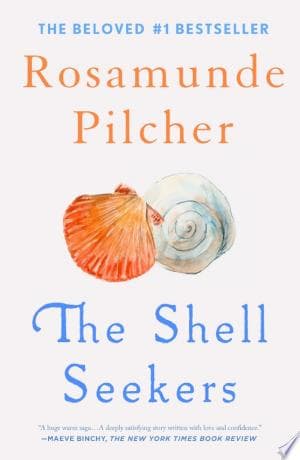
Rosamunde Pilcher (2013)
Genre
Historical Fiction / Romance
Reading Time
12-15 hours
Key Themes
See below
Sign in to track this book
An elderly woman's beloved painting, a symbol of her bohemian past and wartime loves, creates conflict for her materialistic children, making her reflect on a life of passion, tragedy, and secrets to decide its true legacy.
Penelope Keeling, a free-spirited woman in her sixties, is recovering in a London hospital after a mild heart attack. Her three adult children—Nancy, Olivia, and Noel—visit her. Each has their own personality and concerns. Nancy, practical and somewhat focused on money, manages a small hotel in the Cotswolds. Olivia, an independent and successful fashion editor, lives a busy life in London. Noel, an art dealer, cares mostly about money. During their visits, they talk about Penelope's father's paintings. Penelope’s father, Lawrence Stern, was a well-known artist. Noel wants to know their market value, which Penelope quietly dislikes. She values the paintings for their meaning, especially 'The Shell Seekers,' a large, bright work in her Cornwall cottage.
After leaving the hospital, Penelope goes back to her cottage, 'The House of the Shell Seekers,' in Porthkerris, Cornwall. She prefers this to staying with one of her children. The familiar surroundings and sea air comfort her and bring back many memories. She remembers her unconventional childhood living with her artist father, Lawrence Stern, and her kind mother, Sophie. Their home, a center for artists and thinkers, helped Penelope develop her artistic sense and independent spirit. She remembers the freedom and joy of those early years, which contrasts with her children's more conventional lives. Her father’s art process and his deep love for his family and the Cornish landscape are key to these early memories, especially how he painted 'The Shell Seekers' with her and her sister Antonia as young girls.
Noel, always thinking about business, starts looking into the current market value of Lawrence Stern's paintings. He finds that his grandfather's work has recently become very popular, and prices for his pieces are going up. This excites Noel, who sees a big money opportunity in his mother's collection. He, along with Nancy, starts to subtly push Penelope to sell some of the paintings. Olivia, while less direct, also recognizes the financial side. Penelope, however, resists. She sees the paintings as family items, not things to sell. This growing disagreement over the art shows the different values and priorities in the family, setting up future conflict.
Penelope's thoughts go back to World War II. She remembers her time in London during the Blitz, working for the Women's Royal Naval Service (Wrens). There, she met and fell in love with Ambrose Keeling, a charming naval officer. Their romance was strong and intense, a source of hope and joy in the harsh reality of war. They married quickly, and Penelope got pregnant with their first child, Noel. Ambrose's assignment at sea meant long times apart, filled with worry. These memories hold both the sweetness of young love and the fear of wartime loss, shaping Penelope's understanding of love, sacrifice, and strength.
The joy of Penelope's wartime marriage ended when Ambrose was reported missing and presumed dead. The news crushed Penelope, leaving her a young widow with a baby, Noel, and soon, pregnant with her second child, Nancy. She describes her deep sadness and the great challenge of rebuilding her life after the war. With help from her parents and friends, Penelope showed great strength. She moved to Cornwall to raise her children, finding comfort in the familiar area and the spirit of her family home. This time made her independent and strong, shaping her into the woman her children know, but also leaving a mark of loss.
Penelope’s third child, Olivia, was born much later, from a brief, failed affair after Ambrose's death. She thinks about the challenges of raising her three children, each so different. Noel, her oldest, was always ambitious and driven by success. Nancy, practical and traditional, wanted security. Olivia, the youngest, had some of Penelope’s independent spirit and artistic talent, becoming a successful fashion editor. Penelope remembers her struggles and joys as a single mother, making ends meet and providing a loving home. Her memories show the sacrifices she made and her deep love for her children, even as their different views on life and art cause friction.
As Noel and Nancy continue to find out how much Lawrence Stern's art is worth, their pressure on Penelope to sell increases. Noel brings an art expert, hoping to value the collection, especially 'The Shell Seekers,' which he thinks could make a lot of money. Nancy, facing financial problems with her hotel, also sees the sale as a solution. They argue that the money would secure Penelope’s future and help them. Penelope feels trapped and upset by their focus on money. She believes 'The Shell Seekers' is not for sale, not just for its money value, but because it holds her family history, her father's spirit, and her own life story. This conflict brings the family's different values to a head.
During this time of family tension, Penelope reconnects with Richard, an old friend from her youth and a past admirer. Richard, who has always cared for Penelope, offers her comfort and an outside view on her family's demands. Their talks let Penelope think about her past relationships, including her brief, more traditional marriage to Giles, which failed because they were not compatible. Richard's steady presence and understanding give Penelope needed emotional support. He reminds her of her own happiness and choices, strengthening her decision to protect her memories and her father's legacy.
Penelope's memories include her younger sister, Antonia. Antonia was a delicate, artistic child who had mental health problems throughout her life. Penelope remembers the family's attempts to help Antonia, their sadness over her condition, and her eventual stay in an institution. This part of their family history is a source of quiet sorrow for Penelope. It shows the lasting effect of mental illness and the complexities of family love and responsibility. She remembers her father's deep love and concern for Antonia, and how he tried to show her fragile beauty in some of his lesser-known works. This memory adds to Penelope's understanding of her family's past and her father's character.
After much thought and outside pressure, Penelope decides about her father's paintings. She sells some of the less important works to an art gallery, mainly to help Nancy and Noel, who both need money. However, she refuses to sell 'The Shell Seekers.' This painting, a symbol of her family, her childhood, and her spirit, will stay with her. She makes it clear that its meaning is far more important than any money. She also says she wants Olivia to inherit 'The Shell Seekers' after her death, recognizing Olivia's artistic sense and understanding of its true worth.
With the decisions made and family tensions somewhat resolved, Penelope feels peaceful. She continues to live in her Cornwall cottage, enjoying her garden and friends like Richard. She finds comfort in her memories, which she now sees as precious parts of who she is. Selling some paintings lets her children move forward, while her refusal to sell 'The Shell Seekers' confirms her values. The novel ends with Penelope looking to the future, content that she has lived a full and real life, with love, loss, and an appreciation for beauty and family. The painting, 'The Shell Seekers,' is a symbol of her life and her father's art.
The Protagonist
Penelope moves from quiet contemplation and internal conflict to making firm decisions about her family and legacy, asserting her autonomy.
The Supporting
Noel's initial focus on monetary gain gradually softens as he comes to understand, though not fully accept, his mother's emotional connection to the art.
The Supporting
Nancy's financial anxieties drive her to push for the sale of the paintings, but she ultimately respects her mother's final decision, albeit with some disappointment.
The Supporting
Olivia remains supportive of her mother's autonomy, eventually becoming the chosen inheritor of 'The Shell Seekers' due to her shared artistic sensibility.
The Supporting
His artistic legacy is posthumously recognized, leading to renewed interest and conflict over his works.
The Supporting
His life is cut short, but his memory profoundly shapes Penelope's identity and resilience.
The Supporting
He provides unwavering support to Penelope, helping her navigate her family dynamics and find solace.
The Mentioned
Her loving nature is a foundational memory for Penelope, shaping her understanding of family and home.
The Mentioned
Her tragic life is a memory that underscores the complexities and sorrows within Penelope's family history.
The novel looks at the complexities of family relationships, especially between parents and adult children. Penelope's children have different values and expectations, causing tension over her father's art. The theme also looks at how a family's history, shared memories, and traits shape individual identities and relationships across generations. Penelope's thoughts about her parents, her children, and her sister show the lasting connections and occasional problems that define family.
“And it was then, standing in the studio with the sun streaming in, that Penelope suddenly understood what 'The Shell Seekers' meant to her.”
Memory is a main part of the story. Penelope's recovery from illness brings back many memories from her whole life, from her childhood to her wartime experiences and motherhood. These memories are not just nostalgic; they guide her current decisions, provide comfort, and explain her connection to her father's art. The past is shown as a part of the present, always shaping identity and understanding.
“Memory was a wonderful thing, a gift from God. It was a way of holding onto the things you loved, the things you lost, the things that made you who you were.”
The novel clearly contrasts the personal, sentimental value of art with its money worth. Lawrence Stern's paintings, especially 'The Shell Seekers,' are priceless to Penelope because of their deep personal meaning and connection to her family history. Her children, especially Noel, see them mainly as money assets. This theme explores the tension between art, emotional attachment, and money. It ultimately says that personal meaning is more important than money.
“It wasn't just a painting. It was a lifetime. It was Papa. It was home. It was everything.”
Penelope shows a strong sense of independence and strength throughout her life. From her unusual upbringing to becoming a young widow during wartime and raising three children mostly alone, she always shows an ability to adapt, last, and be true to herself. Her refusal to be swayed by her children's demands about the paintings shows her strong spirit and her commitment to her own values and choices, even when old.
“She had lived her life her way, and she would continue to do so.”
The story is filled with experiences of love and loss. Penelope's strong wartime romance with Ambrose, followed by his death, leaves a lasting mark on her. She also experiences the lasting love of her parents and the complexities of loving her adult children despite their different views. The theme explores how love, in its many forms, keeps life going, and how loss, though painful, shapes character and builds strength, becoming a part of one's personal history.
“The memory of Ambrose was still there, a soft, warm place in her heart, a constant reminder of a love that had been too brief but utterly true.”
Penelope's memories drive the story, weaving past and present.
The primary plot device is the extensive use of flashbacks, triggered by Penelope's recovery and her contemplation of her life. The narrative constantly shifts between the present day, with Penelope interacting with her children, and various periods of her past: her bohemian childhood, her wartime romance, and her experiences as a young mother. These flashbacks are vivid and detailed, gradually revealing Penelope's character and the complex history of her family, providing context for her current decisions and emotional attachments.
A central symbol of family, memory, and artistic legacy.
The painting 'The Shell Seekers' is not just an object but a powerful symbol that anchors the entire narrative. Painted by Penelope's father, Lawrence Stern, it depicts Penelope and her sister as young girls on a Cornish beach. It represents Penelope's idyllic childhood, her father's artistic genius, and the enduring love of her family. The painting becomes the focal point of conflict between Penelope and her children, embodying the clash between sentimental value and commercial worth, and ultimately serving as a tangible representation of Penelope's entire life story.
A significant setting reflecting comfort, memory, and artistic inspiration.
Cornwall, particularly Penelope's cottage in Porthkerris, acts as more than just a backdrop; it is a character in itself and a significant plot device. It is Penelope's spiritual home, a place of comfort, solace, and deep personal connection. Her memories are often tied to the Cornish landscape, the sea, and the cottage where her father painted. The return to Cornwall after her hospital stay triggers many of her flashbacks and reinforces her sense of identity and belonging, providing a stable, unchanging element amidst the changing dynamics of her family.
The differing values of Penelope and her children create narrative conflict.
The stark contrast in values between Penelope and her children (Noel, Nancy, and Olivia) serves as a crucial plot device to drive the central conflict. Penelope prioritizes sentiment, memory, and intrinsic worth, particularly concerning her father's art. Her children, to varying degrees, are more concerned with financial gain, practicality, and societal expectations. This divergence in values creates tension, arguments, and emotional struggle, forcing Penelope to reflect on her life and ultimately make a definitive stand for what she believes in, shaping the narrative's resolution.
“It was a good life, and she had no complaints.”
— Penelope Keeling reflecting on her life and contentment.
“The only thing that matters is that you are happy.”
— Penelope advising her children about priorities in life.
“You can't live your life through other people. You have to live it for yourself.”
— Penelope emphasizing independence and self-fulfillment.
“Memories are the only real possessions we have.”
— Penelope valuing her past experiences and family history.
“It's not the things you have, it's the people you love.”
— Penelope discussing materialism versus relationships.
“Sometimes the hardest thing in life is to know which bridge to cross and which to burn.”
— Reflecting on difficult decisions and life choices.
“Home is not a place, it's a feeling.”
— Penelope describing the emotional essence of home.
“We are all the sum of our memories.”
— Penelope contemplating how past experiences shape identity.
“The best things in life are not things.”
— Penelope highlighting the value of intangible joys.
“You have to be brave enough to start over.”
— Encouraging resilience and new beginnings.
“Love isn't about finding the perfect person, but seeing an imperfect person perfectly.”
— Penelope sharing wisdom about love and acceptance.
“The past is always with us, but it doesn't have to define us.”
— Reflecting on the influence of history on the present.
“Sometimes you have to let go to see what was meant to be.”
— Discussing fate and the importance of release.
“Life is a collection of moments, not a destination.”
— Penelope emphasizing the journey over the endpoint.
Ready to see how well you understood this book? Take our interactive quiz with 10 questions.
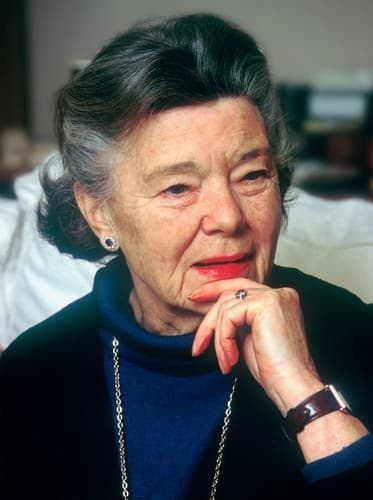
Rosamunde Pilcher, OBE was a British novelist, best known for her sweeping novels set in Cornwall. Her books have sold over 60 million copies worldwide. Early in her career she was published under the pen name Jane Fraser. In 2001, she received the Corine Literature Prize's Weltbild Readers' Prize for Winter Solstice.







