“The only time you can be absolutely sure of yourself is when you are dead.”
— Moiraine speaking to Rand about the unpredictable nature of prophecies and the future.

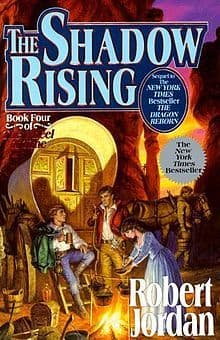
Robert Jordan (1992)
Genre
Fantasy
Reading Time
2500 min
Key Themes
See below
Sign in to track this book
As the world nears the Shadow, the Dragon Reborn must defy all expectations and forge his own path, even as ancient prophecies unravel, the White Tower faces internal conflict, and new threats appear.
After capturing the Stone of Tear and Callandor, Rand al'Thor struggles with his role as the Dragon Reborn. He wrestles with prophecies, especially those about the Aiel and the Waste. Meanwhile, Egwene al'Vere, Elayne Trakand, and Nynaeve al'Meara are in Tear, trying to find the Black Ajah. Egwene learns to channel better, while Elayne deals with her new abilities and the Tairen High Lords' politics. Nynaeve continues her determined search for the Black Ajah, often disagreeing with the Aes Sedai in Tear. Mat Cauthon, still with memories of dead generals, finds himself increasingly involved in Rand's plans, often against his will.
Rand, with Mat, Moiraine Damodred, and Aviendha, travels to the Aiel Waste, following prophecies that say the Dragon Reborn must go to Rhuidean. Rand wants to learn about his Aiel heritage and fulfill the ancient prophecies about the 'Car'a'carn' (Chief of Chiefs). Mat, though unwilling, must go to Rhuidean because of a prophecy from the Aelfinn. The journey across the Waste is hard, with many cultural clashes between the Aiel and the Wetlanders. They meet various Aiel clans, including the Taardad and the Shaarad, and learn more about Aiel customs and their warrior culture.
At Rhuidean, Rand enters the two *ter'angreal* columns, seeing visions of his ancestors' lives. These visions show the Aiel's entire history from the Age of Legends as pacifist servants of the Aes Sedai, through their abandonment of the Way of the Leaf, to their current warrior culture. He emerges with the Dragon's sign on each palm, marking him as the Car'a'carn. Mat, entering a different *ter'angreal* archway, sees visions of his past lives and future possibilities. He emerges with a *ter'angreal* spear and a medallion that protects him from the One Power, along with new memories and the ability to speak the Old Tongue fluently. Both are changed, carrying new burdens and understandings.
Perrin Aybara, feeling a strong pull from his home, returns to the Two Rivers with Faile Bashere and Loial. They find the region in chaos, with Whitecloaks persecuting villagers and Trollocs, led by a Myrddraal, raiding the land. Perrin must take a leadership role, gathering villagers and forming a militia to defend their homes. He struggles with his wolfbrother nature, trying to control his enhanced senses and strength, and to protect his people. His relationship with Faile grows deeper amid the danger, and he learns to lead people who are both scared and independent. The conflict ends in a desperate battle against the Trollocs and Whitecloaks.
Elayne, Egwene, and Nynaeve are suddenly called back to the White Tower from Tear. Unknown to them, Siuan Sanche, the Amyrlin Seat, is being removed by Elaida do Avriny a'Roihan and her supporters, who plan a coup. Siuan and Leane Sharif are stilled and exiled, and Elaida becomes Amyrlin Seat. The White Tower splits, with many Aes Sedai loyal to Siuan fleeing or being imprisoned. Egwene, Elayne, and Nynaeve, despite past problems with Siuan, are horrified by the injustice and what it means for the Tower and the world. They escape the Tower with Min Farshaw and other loyal Aes Sedai, heading towards Salidar.
Min Farshaw, imprisoned in the White Tower during the coup, escapes with Siuan Sanche, Leane Sharif, and Gareth Bryne. Her visions continue to give clues and warnings about events. She is loyal to Rand and carries a heavy understanding of the prophecies about him. Meanwhile, Elayne, Egwene, and Nynaeve, now fugitives, learn about the Bowl of the Winds, a powerful *ter'angreal* that controls weather, and believe the Sea Folk might have it. Their escape from the Tower marks a big change in their journeys, forcing them to grow up and take on more responsibility outside the Aes Sedai structure.
During the conflict in the Two Rivers, Faile Bashere is captured by the Shaido Aiel, a renegade clan that followed Couladin to the Two Rivers, believing him to be the Car'a'carn. This event brings out Perrin's deepest fears and his wolfbrother rage. Driven by a desire to rescue her, he embraces his wolf nature more fully, using his enhanced senses to track the Shaido. He gathers the remaining Two Rivers folk and pursues them, showing fierce determination and a dangerous edge to his personality. This moment strengthens Perrin's commitment to Faile and his willingness to use all his abilities, even the ones he fears, to protect those he loves.
Couladin, a Shaido Aiel warrior, emerges from Rhuidean with the Dragon's marks, though incorrectly applied. He falsely claims to be the Car'a'carn, the one foretold to lead the Aiel. Driven by ambition and a twisted interpretation of prophecy, he leads his Shaido clan on a violent rampage across the Wetlands, attacking villages and causing destruction. His actions challenge Rand's true claim and create a deep division among the Aiel. Couladin's rise to power shows the chaos unleashed by the Breaking of the World and the Dark One's influence, forcing Rand to face a rival with the same symbolic power.
After Rhuidean, Rand gathers the Aiel clan leaders and reveals the Aiel's true history: their past as pacifist servants of the Aes Sedai and their vow to never shed blood. This discovery shatters their understanding of themselves and their culture, causing turmoil and division. Many Aiel, especially older Wise Ones, are devastated by the truth, while younger warriors struggle to reconcile their warrior identity with their ancestors' past. Rand's action forces the Aiel to confront their identity and choose whether to keep their warrior ways or return to their ancient vows, leading to a big change within their society.
The climax of Perrin's story in the Two Rivers is a brutal battle in Emond's Field. Perrin, having used his wolfbrother abilities and gathered the villagers, leads them against a combined force of Trollocs and Whitecloaks. The Two Rivers folk, though inexperienced, fight with determination, defending their homes and families. Perrin, with help from Gaul and other Aiel who joined him, and a small group of Mayeners, shows strong tactical skill and courage. The battle is bloody, but the Two Rivers folk win, driving out the invaders and making Perrin their leader, earning him the title 'Lord Perrin'.
Throughout the book, Rand deals with the many prophecies about the Dragon Reborn. His journey to Rhuidean and the Aiel's past are important for understanding his destiny. He learns he must unite the Aiel, lead them to the Last Battle, and confront the Dark One. This knowledge weighs heavily on him, but he also starts to accept his role, understanding he cannot escape his fate. The prophecies, once confusing and scary, become a guide, though a terrifying one, for his future actions. He fully accepts the title of Car'a'carn and begins to act with the authority and conviction the Dragon Reborn needs.
The weakening seals of Shayol Ghul are clear throughout the story, as the Dark One's influence spreads. Trolloc raids increase, Myrddraal are more active, and Darkfriends appear in unexpected places. The White Tower coup, planned by the Black Ajah and Darkfriend Aes Sedai, shows the Shadow's reach into high places. Couladin's rise and the Shaido Aiel, driven by ambition and twisted prophecy, further show the chaos and division the Dark One wants to create. The events in the Two Rivers, with Whitecloaks and Trollocs, demonstrate that no part of the world is safe from the encroaching darkness.
The Protagonist
Rand moves from reluctant leader to a more decisive figure, accepting his destiny as the Dragon Reborn and the Car'a'carn of the Aiel.
The Protagonist
Perrin reluctantly embraces his leadership potential and his wolfbrother abilities, becoming a respected leader in the Two Rivers.
The Protagonist
Mat accepts more of his fated role, gaining new abilities and understanding his past lives, despite his desire for a simple life.
The Supporting
Egwene grows in her channeling abilities and resilience, becoming a leader among the younger Aes Sedai and a key player in the White Tower's fracturing.
The Supporting
Elayne develops her channeling skills and political acumen, becoming more independent and dedicated to the cause of fighting the Shadow.
The Supporting
Nynaeve continues to refine her channeling, especially her Healing, while grappling with her temper and the complexities of Aes Sedai politics.
The Supporting
Moiraine continues to guide Rand, revealing crucial information and pushing him towards fulfilling his destiny, despite his resistance.
The Supporting
Aviendha grapples with her feelings for Rand and the implications of the Aiel's true history, leading her to question her place as a Maiden.
The Supporting
Faile's relationship with Perrin deepens through adversity, and her abduction by the Shaido solidifies her importance in Perrin's life.
The Antagonist
Couladin rises as a false Car'a'carn, leading his clan on a destructive path that sets him in direct opposition to Rand.
The characters, especially Rand, struggle with their predetermined destinies from prophecies and their wish to choose their own paths. Rand constantly fights against the Dragon Reborn prophecies, wanting a simpler life, yet he is drawn into fulfilling them. Mat, despite trying to avoid responsibility, finds himself pulled into events by fate and ancient memories. Perrin also fights becoming a leader, only to accept it when his home is threatened. This theme explores whether characters are just puppets of fate or if they have agency, often concluding that while destiny may guide, the choices made along the way are their own. The visions in Rhuidean show potential futures, reinforcing that some events are fixed, but how they happen can change.
“The Wheel weaves as the Wheel wills, but men's hands are on the shuttle.”
This theme is deeply explored through Rand's journey to Rhuidean, where he uncovers the Aiel's true history and his own dual heritage as both Aiel and Cairhienin. The revelation shatters the Aiel's self-perception, making them redefine who they are based on a forgotten past. Perrin struggles with his wolfbrother identity, fearing the beast within but eventually using it for his people. The female characters also deal with their identities as channelers, Aes Sedai, and fugitives, creating new selves in the face of hardship. The book highlights how understanding one's past is important for shaping one's future and understanding one's true self.
“Who are you, Car'a'carn? What are you?”
The characters are repeatedly put into leadership roles, often unwillingly, and must learn to handle the great responsibility that comes with it. Rand, as the Dragon Reborn, must lead nations and a people he barely understands. Perrin, a blacksmith, becomes 'Lord Perrin' of the Two Rivers, responsible for its defense and governance. Even Egwene, Elayne, and Nynaeve, despite being young, must make hard decisions and lead others after the White Tower's split. The theme shows the burdens of leadership, the sacrifices needed, and the moral problems faced when making decisions that affect many lives.
“The price of a man's life is his decision, and the price of a king's life is his people.”
The dangers of power, both magical and political, are a recurring idea. Rand constantly fights the taint on *saidin* and the intrusive memories of Lews Therin, fearing his own madness. The White Tower coup shows how political ambition and control can corrupt even good organizations, leading to division and injustice. Couladin's false claim to the Car'a'carn and his violent actions show how power, when used by the undeserving or self-serving, leads to destruction. The book warns against unchecked power and its temptations.
“Power is a sword that cuts both ways, and those who grasp it often find their hands bleeding.”
The book shows different kinds of conflict, from the war against the Shadow to local fights and internal struggles. The Trolloc raids and Whitecloak persecution in the Two Rivers show the brutality of war on civilians. The Aiel's history, revealed in Rhuidean, explores the origins of their warrior culture and the impact of violence. The White Tower's internal conflict shows that conflict is not always fought with swords but can be just as destructive when done through political maneuvering and betrayal. The story does not glorify war but shows its harsh realities and the courage needed to face it.
“War makes men mad, and then it kills them.”
Ancient predictions that guide, confuse, and compel characters towards their destinies.
Prophecies are a fundamental driving force in 'The Shadow Rising'. They dictate the actions of Rand al'Thor, who must fulfill numerous foretellings to confront the Dark One. The prophecies concerning the Aiel and Rhuidean directly lead Rand and Mat to the Waste, revealing crucial historical truths and shaping their identities. Min's visions serve as smaller, more personal prophecies, offering cryptic clues about characters' futures. While seemingly deterministic, prophecies often leave room for interpretation, creating tension and forcing characters to make choices that fulfill them in unexpected ways. They serve to build suspense and foreshadow major events, constantly reminding characters and readers of the overarching struggle against the Shadow.
Objects from the Age of Legends with magical properties, used for various purposes including prophecy and power.
*Ter'angreal* are ancient artifacts, often appearing as everyday objects, that possess unique magical abilities. In this book, the *ter'angreal* in Rhuidean are central to the plot. The two columns that Rand enters allow him to experience the lives of his ancestors, revealing the Aiel's true history. The archway Mat enters provides him with visions of his past and future, and grants him a *ter'angreal* medallion that protects him from the One Power. Other *ter'angreal*, like the Bowl of the Winds, are mentioned as powerful tools that could alter the course of events. They serve as plot catalysts, revealing hidden knowledge, granting new abilities, and driving the search for powerful artifacts.
Physical signs that confirm Rand's identity as the Dragon Reborn and the Car'a'carn.
The Dragon's Marks are a key symbol of Rand's identity and legitimacy. The flaming dragon tattooed on his forearms, received when he claimed Callandor, is the first and most widely recognized sign. In Rhuidean, upon emerging from the *ter'angreal* columns, Rand receives the mark of the Dragon on each palm, fulfilling the prophecy of the 'Car'a'carn, he who comes with the dawn'. These marks are not merely symbolic; they are physical manifestations of his destiny and serve to convince the Aiel of his claim, even as they cause division. Couladin's attempt to replicate these marks, albeit imperfectly, highlights their significance and the danger of false claims to power.
The fracturing of the Aes Sedai's central institution, leading to political chaos and the rise of Elaida.
The coup in the White Tower is a pivotal plot device that drastically alters the political landscape of the world. The deposition and stilling of Siuan Sanche and the raising of Elaida to Amyrlin Seat shatters the unity of the Aes Sedai, creating two rival factions. This event forces Egwene, Elayne, and Nynaeve to flee and mature rapidly, taking on greater responsibilities outside the Tower's structure. It also highlights the insidious influence of the Black Ajah and Darkfriends within the highest echelons of power, demonstrating the Shadow's pervasive reach. The fracturing of the Tower leaves a power vacuum and creates a new front in the war against the Dark One, forcing many to choose sides.
“The only time you can be absolutely sure of yourself is when you are dead.”
— Moiraine speaking to Rand about the unpredictable nature of prophecies and the future.
“Duty is heavy as a mountain, death light as a feather.”
— Lan Mandragoran's philosophy, often repeated, reflecting his dedication to his cause.
“The Wheel weaves as the Wheel wills.”
— A common saying in the world of the Wheel of Time, reflecting the power of destiny.
“It is not the telling of the tale that counts, but the way it is heard.”
— Rhuarc speaking to Rand about the importance of understanding and perspective in Aiel culture.
“The past is a road on which we have traveled, but the future is a road we must pave.”
— Aviendha reflecting on the Aiel's history and their choices for the future.
“A man's worth is not measured by his strength, but by his heart.”
— Perrin Aybara's internal thought, grappling with his own growing power and his desire for peace.
“The greatest danger is to one's own self.”
— Egwene al'Vere's realization about the internal struggles and temptations faced by Aes Sedai.
“Sometimes, the only way to win is to not play.”
— Thom Merrilin offering advice on navigating political schemes and power games.
“Fear is a tool. It can be used, or it can be used against you.”
— Moiraine explaining the nature of fear and its manipulation.
“A leader must be willing to do what others are not.”
— Rand al'Thor contemplating the difficult decisions and sacrifices required of him.
“Truth is a river. It flows, and it changes. But it is always there.”
— An Aiel saying, reflecting their understanding of the fluid nature of truth and history.
“There are no easy answers, only choices.”
— Nynaeve al'Meara's realization about the complexities of healing and her own path.
“Sometimes the strongest thing you can do is to admit you need help.”
— Faile Bashere's observation about Perrin's stubbornness and the importance of relying on others.
“The Dragon Reborn must walk his own path, even if it leads to ruin.”
— Prophecy concerning Rand al'Thor's unavoidable destiny.
Ready to see how well you understood this book? Take our interactive quiz with 10 questions.
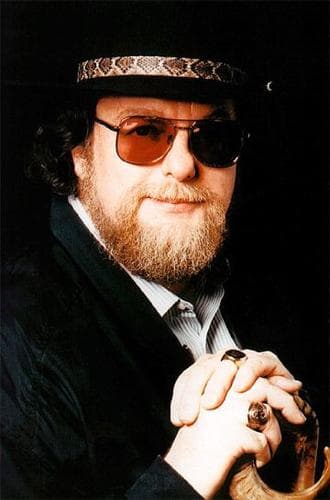
James Oliver Rigney Jr., better known by his pen name Robert Jordan, was an American author of epic fantasy. He is known best for his series The Wheel of Time which comprises 14 books and a prequel novel. He is one of several writers to have written original Conan the Barbarian novels; his are considered by fans to be some of the best of the non-Robert E. Howard efforts. Jordan also published historical fiction using the pseudonym Reagan O'Neal, a western as Jackson O'Reilly, and dance criticism as Chang Lung. Jordan claimed to have ghostwritten an "international thriller" that is still believed to have been written by someone else.







